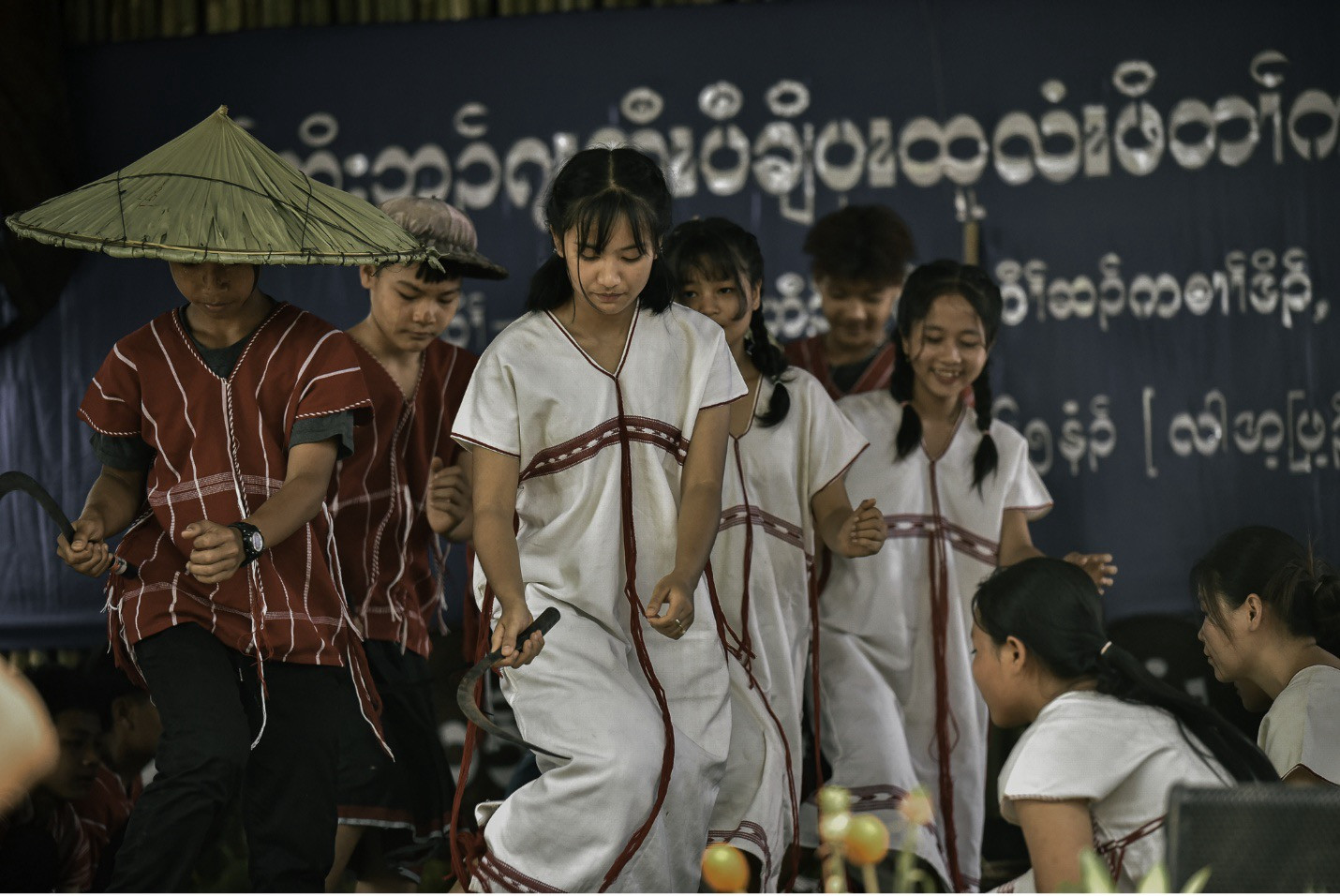
In pursuit of collective self-determinationIn the midst of the ongoing airstrikes and bombardments by the repressive regime in Burma/Myanmar which are happening nationwide, on 22 April this year K’nyaw/Karen communities in the autonomous territory of Kawthoolei reached another historic milestone by collectively declaring a new conservation territory. In the process of developing this project and in preparation for its launch, the Pawklo river basin communities and their governing body decided to call this specially-protected area the ‘Pawklo Indigenous Stewardship Territory’ (PIST).
The name reflects the two-way relationship at the heart of this new territory: namely, the importance of the Pawklo river to the peoples inhabiting the territory and, at the same time, the importance of the inhabitants in caring for the Pawklo river and basin area. Originating from the sacred K’Ser Doh mountain, the Pawklo river is essential in supporting local livelihoods, safeguarding cultural identity and sustaining ecosystem cycles. In defence of these goals, K’nyaw/Karen communities have historically managed and protected the waterways and surrounding forests through ‘community-based traditions rooted in collective responsibility and long-term care’.
To honour the crucial role of the planetary ecosystems in supporting and sustaining different forms of life on earth, it was decided that the official launch of the PIST should coincide with International Earth Day on 22 April. The three-day ceremonial event then followed until 24 April at a makeshift venue situated on the banks of Pawklo river.
Located in K’Ser Doh Township, Mergui-Tavoy District, Pawklo is the third indigenous-conserved territory in the administrative area of Kawthoolei under the governance of the Karen National Union (KNU). Its creation follows the establishment of the Salween Peace Park (SPP) in Mutraw District in 2018 and the Thawthi Taw-Oo Indigenous Park (TTIP) in Taw Oo District in 2024.
Despite the intensity of armed conflict and the political instability, around a thousand participants joined the launch from local communities and organisations to show their support. Unfortunately, however, representatives of the SPP and TTIP, who were eager to travel long distances to demonstrate their solidarity, became delayed on the way due to the increasing security risks, and they were ultimately unable to reach their destination. Nonetheless, with safety a key priority, security protocols that were employed throughout the three days served to ensure everyone’s safety and the successful completion of this auspicious event. |