Case study one: On paper, Daw Myint’s husband is the sole head of the household, and his name is the only one written on their official Form 7 land registration document. In reality, Daw Myint acts as the de-facto co-head of the farm, managing agricultural bank loans, hiring daily wage workers, and working in the fields from planting to harvest cycle. Yet, when the family calculates the season's agricultural expenses, Daw Myint’s labour is omitted from the ledger and treated as "free" and invisible, excluding her from both the documented costs and the direct profits of her own work. Since her husband passed away, she has been facing significant administrative hurdles to change Form 7 to her name which is tied to several entitlements.
Case study two: Living in the militarized terrain of Hopong township, Nang Seng witnessed the heart-breaking confiscation of her ancestral lands by armed forces, who then ordered her home to be torn down and forced her family to pay for the newly-allotted house plots in faraway areas. With her brothers fleeing the region to evade forced conscription, she and her sister are left entirely alone with her elderly parents to cultivate a small plot of farmland that they could still access, while navigating a landscape with landmines and carrying the responsibility of caring for her elderly, traumatized parents.
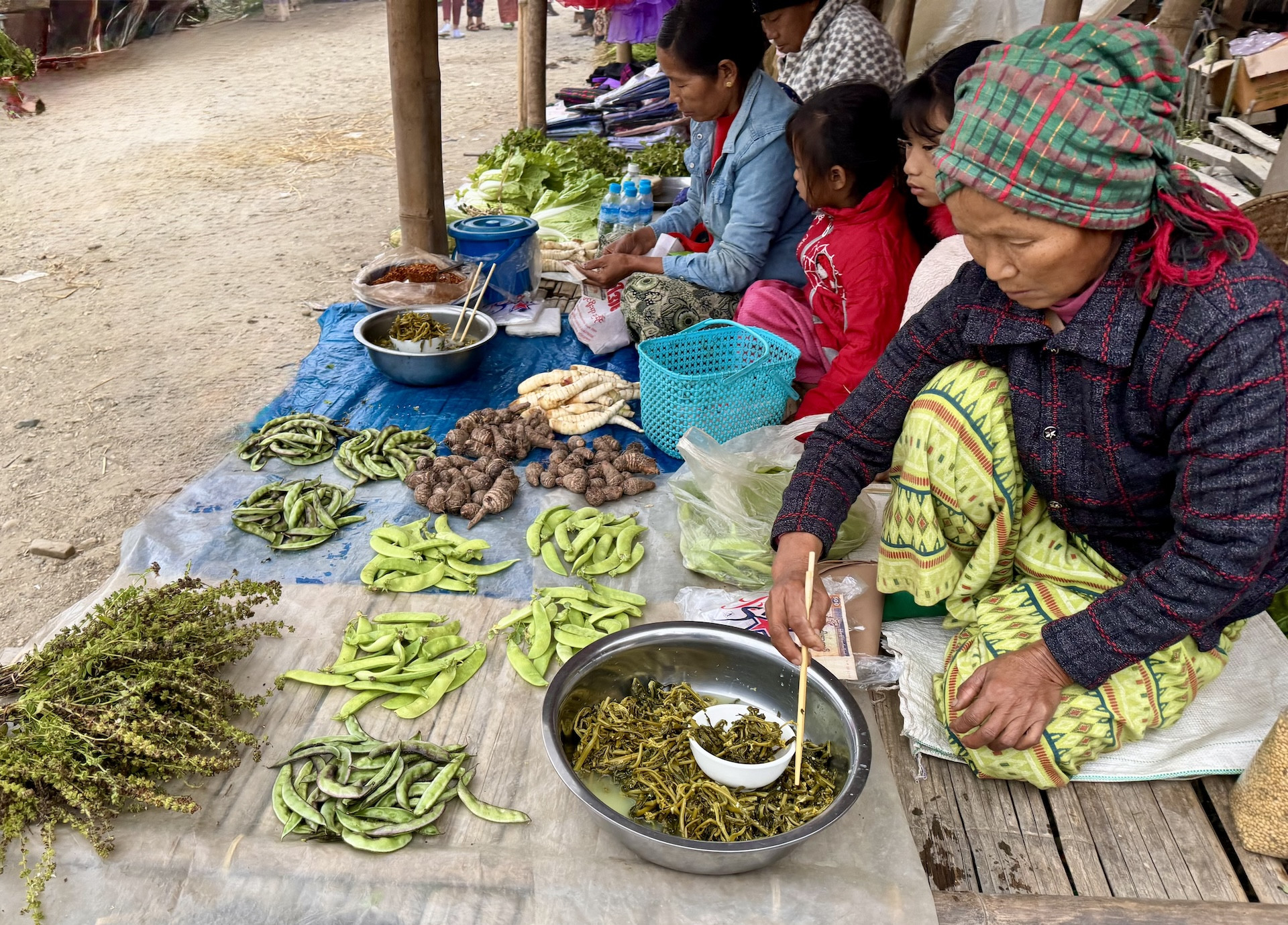
Case study three: Following her divorce, Mi Sorn discovered that Mon customary equality is overridden under statutory law because their rubber plantation was registered solely under her husband's name as the "head of household". After a gruelling court process that drained her savings in legal fees and “under-the-table” payments, the judge ordered the land split into three parts, yet her ex-husband stubbornly refused to hand over her share. Now carrying the social stigma of a divorced woman, she is forced into a tiny, rented plot, where she grows vegetables and some cash crops to sell at the market to take care of her children without a proper financial safety net.
These three stories illustrate how gender norms, armed conflict, military rule, and socio-economic conditions make it difficult for women to access and use land, let alone truly benefit from land access. In some cases, it is not even clear what “access” means or what “land” entails. Why is women’s access to land in Myanmar such a challenging issue? And what can be done to increase their access and benefits related to land? The answers are not simple, but not beyond reach. This commentary aims to explore some of these complexities and imagine more grounded paths toward land-based social justice.