Subject: "Land is Our Life" | "မြေသည် ကျွန်ုပ်တို့၏ အသက်"

The Struggling Lives of Pa-O Farmers | ပအိုဝ်းတောင်သူများ၏ ရုန်းကန်ခက်ခဲသောဘဝများ
Was this forwarded to you? Sign up here

Dear Friend,


Amidst conflict, Pa-O farmers have long faced multiple challenges as they struggle for cultural survival and daily existence in southwest Shan State, including land confiscations, military conscription and climate change. Many young people leave for Thailand to seek new lives. In this commentary, the Pa-O Youth Organisation interviews local farmers to analyse the deepening hardships and systemic nature of repression. Land rights protection, the restitution of seized lands and an end to conscription and other coercive practices by the military regime and its proxies are clearly essential.


(မြန်မာဘာသာအတွက် အောက်မှာကြည့်ပါ။)


These commentaries are intended to contribute to a broader understanding of the many challenges facing the country and its peoples.

See the complete list of all the Myanmar commentaries.


"Land is Our Life"

The Struggling Lives of Pa-O Farmers amid Land Confiscation, Climate Change and Rural Collapse


A commentary by the Pa-O Youth Organisation and Transnational Institute


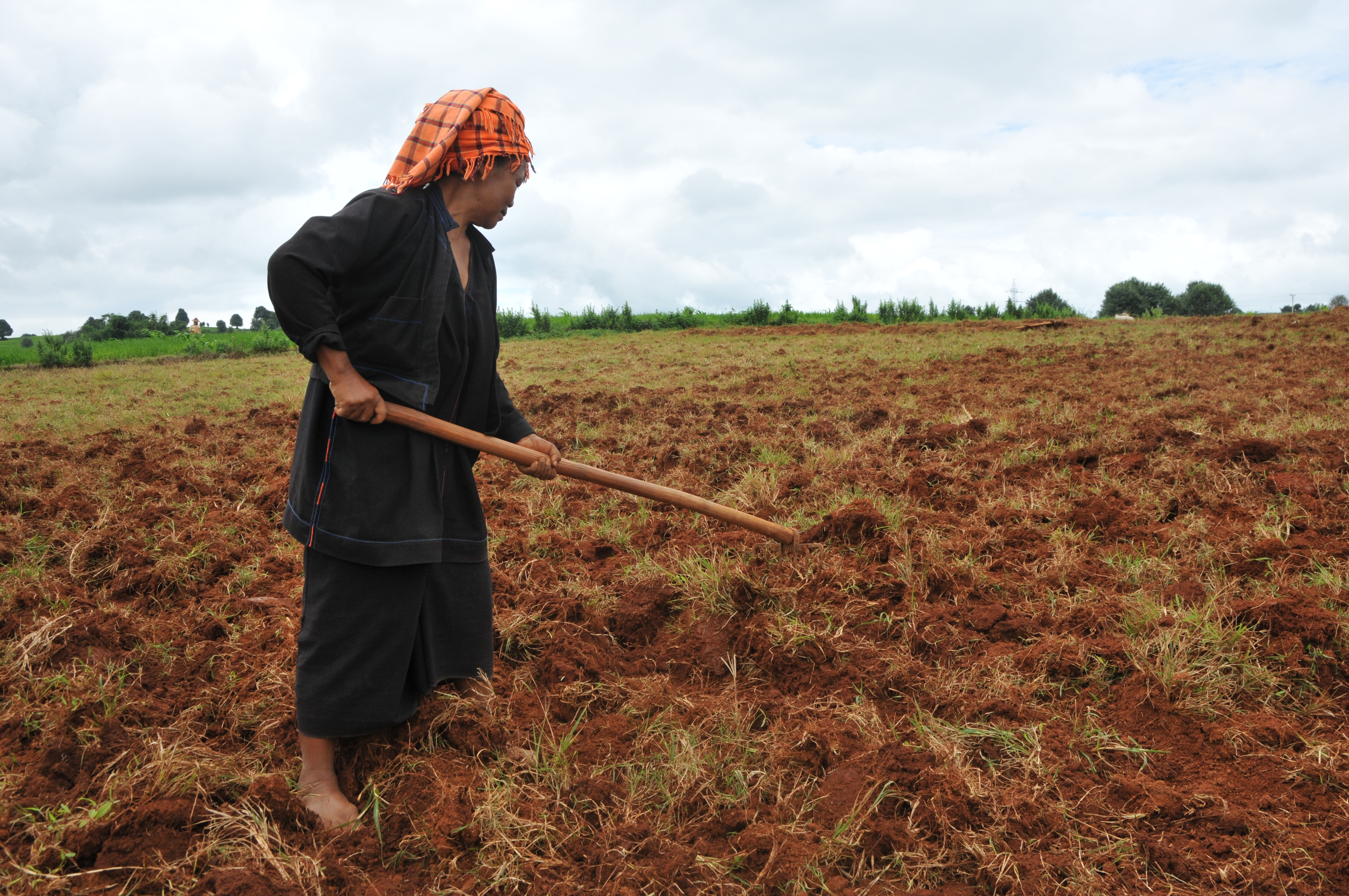
Pa-O woman farmer working on the land.  |Photo credit: TNI


"This land is our life. If we can't farm, it won't be easy for us to keep living."


This is the heart-breaking truth spoken by a Pa-O woman farmer in Hsihseng township in southern Shan State. For rural communities in regions inhabited by the Pa-O ethnic group, "land" is not a raw material for making a living. Rather, it is the "lifeline" that sustains their livelihoods, their children's education, their social relations, and the traditions and customs passed down by their ancestors.

This commentary spotlights the struggles for survival and genuine aspirations of Pa-O farmers in Hopong and Hsihseng townships in the Pa-O Self-Administered Zone. Farmers in these territories have had to contend with a “four-way” pressure since the early 1990s: land confiscations, soaring agricultural costs, multiple taxes and conscription pressures from various governing bodies, and socio-economic impacts and climate change.


In the early 1990s, the Myanmar Army, the local People's Militia Force (originally a ceasefire group known as the Pa-O National Organisation [PNO]), and associated administrative organisations began confiscating farmland and village land belonging to local communities in Hsihseng and Hopong townships. Most of the land was confiscated during 1991-92 for a military base, urban expansion and other strategic reasons. Most of the villagers did not hold official land ownership documents. In rights and in history, the land was a traditional ancestral heritage under customary tenure systems regulated by village committees.


Through these actions, more than 18,000 acres of land previously under customary control was seized in total under various pretexts and justifications – an enormous area about the size of Beijing International Airport and Bangkok International Airport combined. For the local villagers, this sparked an enduring cascade of material and social losses so great that it has totally reshaped their lives and continues until the present day.


This commentary is based on recent interviews with 12 farmers and agricultural workers in Hopong and Hsihseng townships, as well as some in nearby Taunggyi, the capital of Shan State.

"မြေသည် ကျွန်ုပ်တို့၏ အသက်"

မြေယာသိမ်းဆည်းခံရမှု၊ ရာသီဥတုပြောင်းလဲမှုနှင့် ကျေးလက်ဒေသပြိုလဲမှုများကြားက ပအိုဝ်းတောင်သူများ၏ ရုန်းကန်ခက်ခဲသောဘဝများ


A commentary by the Pa-O Youth Organisation and Transnational Institute

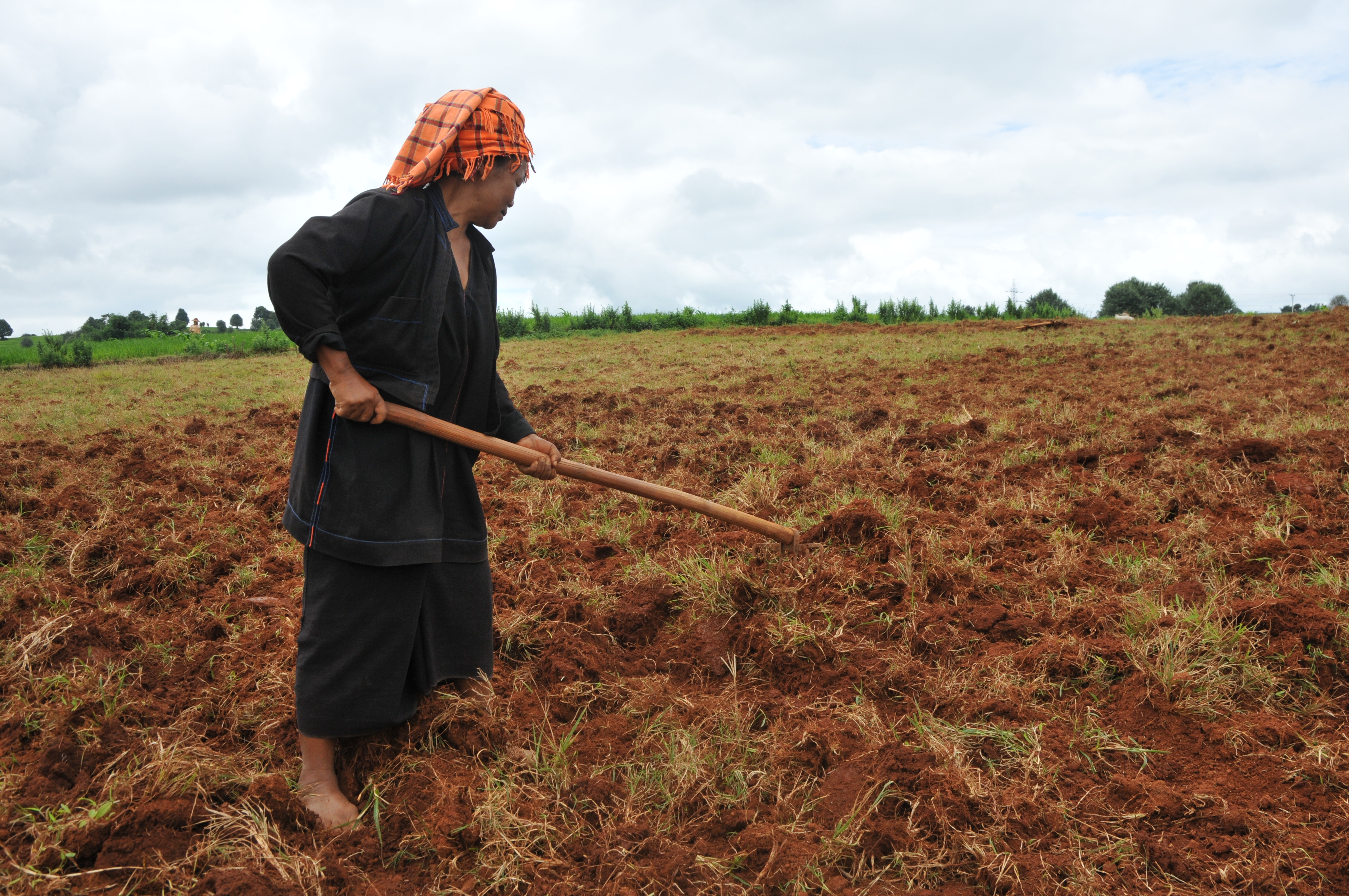
တောင်ယာလုပ်နေသော ပအိုဝ်းအမျိုးသမီး (TNI)


"ဒီမြေက ကျွန်မတို့ရဲ့အသက်ပဲ၊ စိုက်စားလို့မရရင် ကျွန်မတို့ဘ၀လည်း အသက်ဆက်ရှင်ရပ်တည်ဖို့ မလွယ်ဘူး"


ဤသည်မှာ ရှမ်းပြည်နယ်တောင်ပိုင်း၊ ဆီဆိုင်မြို့နယ်က ပအိုဝ်းဒေသခံ အမျိုးသမီးတောင်သူတစ်ဦး၏ ရင်နင့်ဖွယ်ရာ အမှန်တရားစကား ဖြစ်သည်။ ပအိုဝ်းတိုင်းရင်းသားတို့ အခြေချနေထိုင်ရာ ဒေသများရှိ ကျေးလက်လူထုအတွက် ‘မြေယာ’ ဆိုသည်မှာ အသက်မွေးဝမ်းကျောင်းပြုရန် ကုန်ကြမ်းတစ်ခုမျှသာ မဟုတ်ဘဲ ၎င်းတို့၏ စားဝတ်နေရေး၊ သားသမီးများ၏ ပညာရေး၊ လူမှုရေးနှင့် ဘိုးဘွားများထံမှ လက်ဆင့်ကမ်းလာသည့် ရိုးရာဓလေ့များကို ထိန်းသိမ်းရာ "အသက်သွေးကြော" လည်း ဖြစ်သည်။


ဤသုံးသပ်ချက်ဆောင်းပါးသည် ပအိုဝ်းကိုယ်ပိုင်အုပ်ချုပ်ခွင့်ရဒေသ၊ ဟိုပုံးမြို့နယ်နှင့် ဆီဆိုင်မြို့နယ် တို့ရှိ ပအိုဝ်းတောင်သူလယ်သမားများ၏ ရှင်သန်ရပ်တည်ရေးအတွက် ရုန်းကန်လှုပ်ရှားမှုများနှင့် ၎င်းတို့၏ စစ်မှန်သော မျှော်မှန်းချက်များကို မီးမောင်းထိုးပြထားခြင်း ဖြစ်သည်။ ထိုဒေသရှိ တောင်သူများသည် ၁၉၉၀ ပြည့်လွန်နှစ်များ အစောပိုင်းကတည်းက “လေးဘက်လေးတန်” သော ဖိအားများ- မြေယာသိမ်းဆည်းခံရမှု၊ စိုက်ပျိုးစရိတ် အဆမတန် မြင့်မားလာမှု၊ အုပ်ချုပ်ရေးအဖွဲ့အစည်းအသီးသီးမှ ကောက်ခံသည့် အခွန်အခမျိုးစုံနှင့် စစ်မှုထမ်းရန် ဖိအားပေးခံရမှုများ အပြင် လူမှုစီးပွားရေးဆိုင်ရာ သက်ရောက်မှုများနှင့် ရာသီဥတုပြောင်းလဲမှု- ကို ရင်ဆိုင်အန်တုခဲ့ကြရသည်။ 


၁၉၉၀ ပြည့်လွန်နှစ်များ အစောပိုင်းတွင် မြန်မာ့တပ်မတော်၊ ဒေသခံပြည်သူ့စစ်အဖွဲ့ (မူလက ငြိမ်းချမ်းရေးယူထားသည့် ပအိုဝ်းအမျိုးသားအဖွဲ့ချုပ် [PNO] ဟု လူသိများသော) နှင့် ဆက်စပ်အုပ်ချုပ်ရေးအဖွဲ့အစည်းများသည် ဆီဆိုင်မြို့နယ်နှင့် ဟိုပုံးမြို့နယ်တို့ရှိ ဒေသခံပြည်သူလူထု ပိုင်ဆိုင်သော စိုက်ပျိုးမြေနှင့် ကျေးရွာမြေများကို စတင်သိမ်းဆည်းခဲ့ကြသည်။ မြေယာအများစုမှာ ၁၉၉၁-၉၂ ခုနှစ်တွင် စစ်တပ်အခြေစိုက်စခန်း တည်ဆောက်ရန်၊ မြို့ပြချဲ့ထွင်ရန်အတွက်နှင့် အခြားမဟာဗျူဟာမြောက် အကြောင်းအရင်းများအတွက် သိမ်းဆည်းခံခဲ့ရခြင်း ဖြစ်သည်။ ရွာသူရွာသားအများစုတွင် တရားဝင်မြေပိုင်ဆိုင်မှု အထောက်အထားစာရွက်စာတမ်းများ လက်ဝယ်မရှိကြပေ။ သို့သော်ထိုမြေယာများသည် ကျေးရွာကော်မတီများက စီမံခန့်ခွဲသည့် ဓလေ့ထုံးတမ်း မြေယာပိုင်ဆိုင်မှုစနစ်အရ ဘိုးဘွားဘီဘင်များထံမှ ရိုးရာအစဉ်အဆက် လက်ဆင့်ကမ်းလာခဲ့သည့် အမွေအနှစ်များသာ ဖြစ်ကြသည်။


ဓလေ့ထုံးတမ်းအရ လုပ်ပိုင်ခွင့်ရှိခဲ့သော မြေဧရိယာ စုစုပေါင်း ဧက ၁၈,၀၀၀ ကျော်သည် အကြောင်းပြချက် အမျိုးမျိုးဖြင့် သိမ်းဆည်းခြင်းခံခဲ့ရပြီး ၎င်းမှာ ဘေဂျင်းအပြည်ပြည်ဆိုင်ရာ လေဆိပ်နှင့် ဘန်ကောက်အပြည်ပြည်ဆိုင်ရာလေဆိပ် နှစ်ခုပေါင်းစာနီးပါးရှိသည့် အလွန်ကျယ်ဝန်းလှ သော မြေနေရာ ဖြစ်သည်။ ရွာသူရွာသားများအတွက်မူ ဤဖြစ်ရပ်သည် ၎င်းတို့၏ ဘဝများကို လုံးဝဥဿုံ ပြောင်းလဲစေခဲ့ပြီး ရုပ်ဝတ္ထုပစ္စည်းနှင့် လူမှုရေးဆိုင်ရာ ဆုံးရှုံးမှုများကို ရေရှည်ခံစားရစေမည့် အကျိုးဆက်များကို ဆက်တိုက်ဖြစ်ပေါ်စေခဲ့သည်။


ဤသုံးသပ်ချက်ဆောင်းပါးသည် ဟိုပုံး၊ ဆီဆိုင်နှင့် ရှမ်းပြည်နယ်၏ မြို့တော်ဖြစ်သော တောင်ကြီးမြို့ အနီးအနားရှိ တောင်သူများနှင့် စိုက်ပျိုးရေးလုပ်ကိုင်သူ ၁၂ ဦးအား မကြာသေးမီက ပြုလုပ်ခဲ့သည့် တွေ့ဆုံမေးမြန်းထားသော အချက်အလက်များကို အခြေပြုထားခြင်းဖြစ်သည်။


Powered by:
GetResponse