Hey Friend
I think many leaders misunderstand where the real value sits in a one-on-one conversation.
Way too many use the time to get a download on workflow, performance, tasks and what everyone is working on.
And while that can form part of the conversation, my view is that it should only be about 5% of it.
If it’s just an information exchange, there are much more effective ways to do that. An email with traffic lights. A 10-minute stand-up. A system that provides updates automatically.
If I’m going to invest time in my people, I want to make sure it’s absolutely one of the best uses of my time that week or month.
What I DON'T want is...
These conversations to be a tick-the-box exercise.
To be the one doing all the talking.
Them sitting there nodding and agreeing with everything I say.
And I definitely don’t want to walk away with a list of actions that I don’t have the time or focus to follow through on.
What I DO want is…
To know how my team member is doing. Like, really, how are they doing? Not just at work, but in life in general.
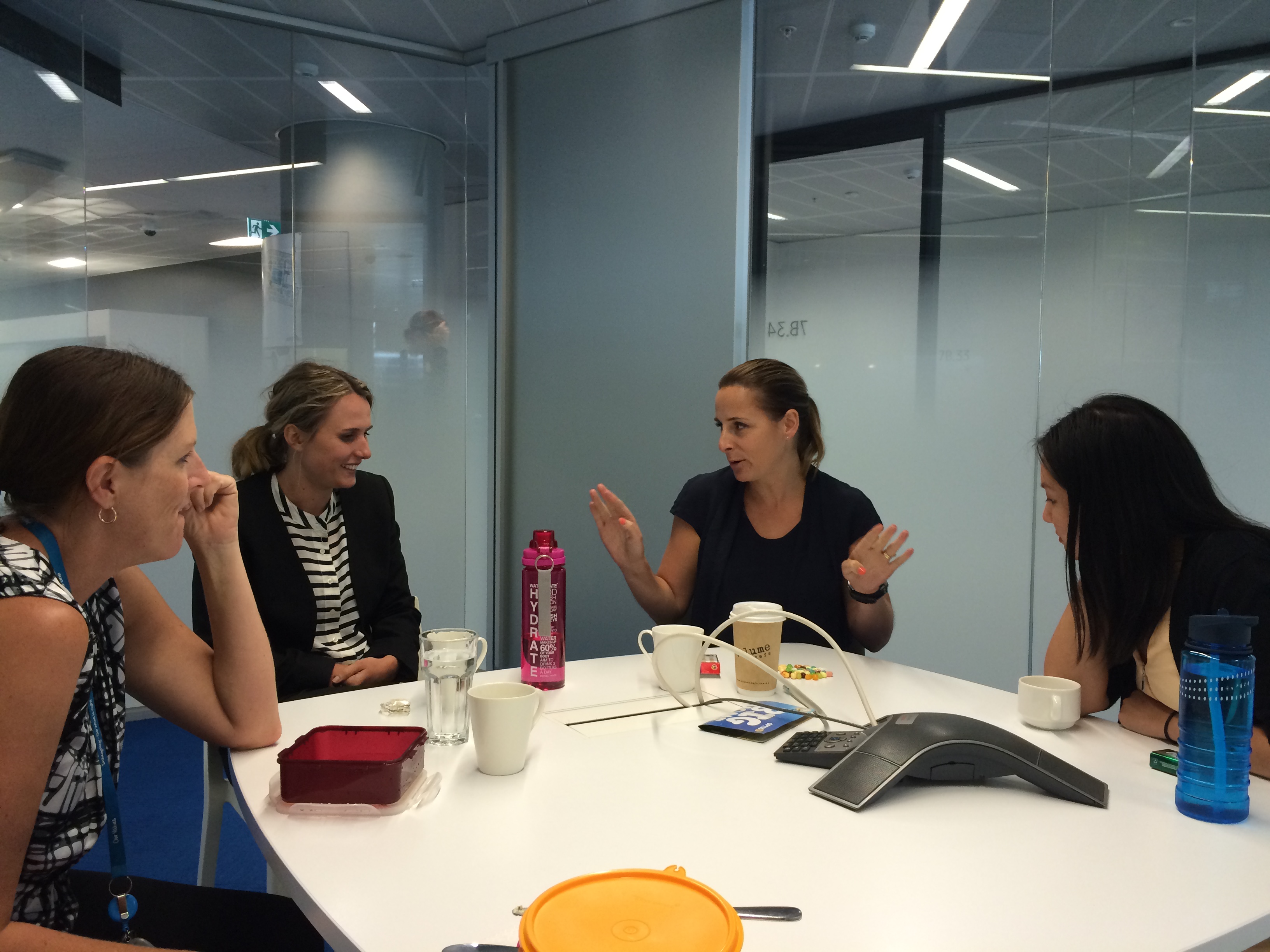
To see them take the lead in the conversation. I want them to value this conversation as much as I do. While I might give them a high-level outline of what I’d like the conversation to include, I want them to own it, direct it, take the actions at the end and follow through.
To understand gaps in their development, either through what they disclose or through my own observations, both in the conversation and how they show up out in the business.
To coach them to build capability around those gaps and help them own their growth journey and constant evolution.
To prepare them for what’s to come in their role, the team, the business and the industry by posing questions that expand their thinking and help them connect the big picture with the specifics.
To hear feedback on what’s working well and what I could do differently to improve how I lead them individually, as well as the team and the business. And I know I have to build up to this level of honesty by seeking very specific feedback in the beginning.
To remind them that expectations continually change and that this space is an opportunity to challenge, manage, reset and evaluate those expectations.
To know they have the tools and resources they need to manage their mindset, motivation, workload and ways of working in a way that inspires and elevates them, rather than leading them towards burnout.
When I ask leaders whether they’re having consistent one-on-one conversations, I hear a lot of justifications for why they’re not.
Here are a few of the most common ones - along with my response...
----------------------------
“I’m so busy, I struggle to find the time.”
These conversations should be planned and scheduled in advance. They should be one of the things in your calendar that gets priority over almost everything else.
If they’re not in your calendar, of course you’ll be too busy to find the time.
Time isn’t found. It’s created and protected.
Interestingly, I also hear from these same leaders that their staff are constantly interrupting them with issues and concerns throughout the month - and that’s one of the reasons their one-on-ones get missed.
Notice the connection here.
When people know they have protected time with you, many of the things they might otherwise interrupt you with can wait for that conversation.
Of course, that won’t work for urgent issues. But I’d suggest it could work for about 80% of the other interruptions.
----------------------------
“I talk to my team all the time. We don’t need one-on-ones.”
Respectfully, just because you talk to your team all the time doesn’t automatically mean your people feel able to share what’s really going on with them.
And when those conversations remain informal, there’s no clear investment of time, attention or energy. Over time, that can cause them to feel devalued.
It’s also likely many of those conversations are dealing with surface-level issues, problems and opportunities.
When you have a planned one-on-one conversation, the expectation is different. You want to go deeper. You want to invest in that person’s growth in a way that increases their ability to adapt as their role evolves and the needs of the organisation shift.
You might think differently about this, and I’d genuinely love to hear your view. But I’ve seen many leaders take the “we talk all the time” approach while every one of their direct reports still has developmental opportunities that aren’t being worked on.
----------------------------
“I have a team member who doesn’t want to progress and they’re doing well in their role, so they don’t need a one-on-one.”
Hmmm.
Just because someone isn’t ambitious or interested in progressing doesn’t mean they don’t need the conversation.
The conversation just needs to be approached differently.
Rather than focusing on progressing, it might focus on evolving in their current role and remaining relevant for what’s coming next.
It might also focus on their transition towards whatever comes next in their career or life.
I’ve had conversations with people about the skills they’ll need to successfully transition into retirement, start a business, completely change direction in their career, reduce their hours and create a different balance in their life.
And if all is well on that front, I’d direct my attention towards the capabilities that require lifelong learning like: communication, emotional intelligence, adaptability, working with different personalities and continuing to grow as the world around them changes.
There’s always something worth talking about.
----------------------------
“My team are doing well right now. There aren’t any issues, so we don’t need the conversation.”
This one makes me the most sad.
We can never really know what’s going on with someone else. Even when we see them every day. Even when they’re performing well. And even when they seem happy, motivated and completely on top of things.
There may be things happening or emerging behind the scenes that are worth knowing about - and simply giving someone the opportunity to talk can make the biggest difference.