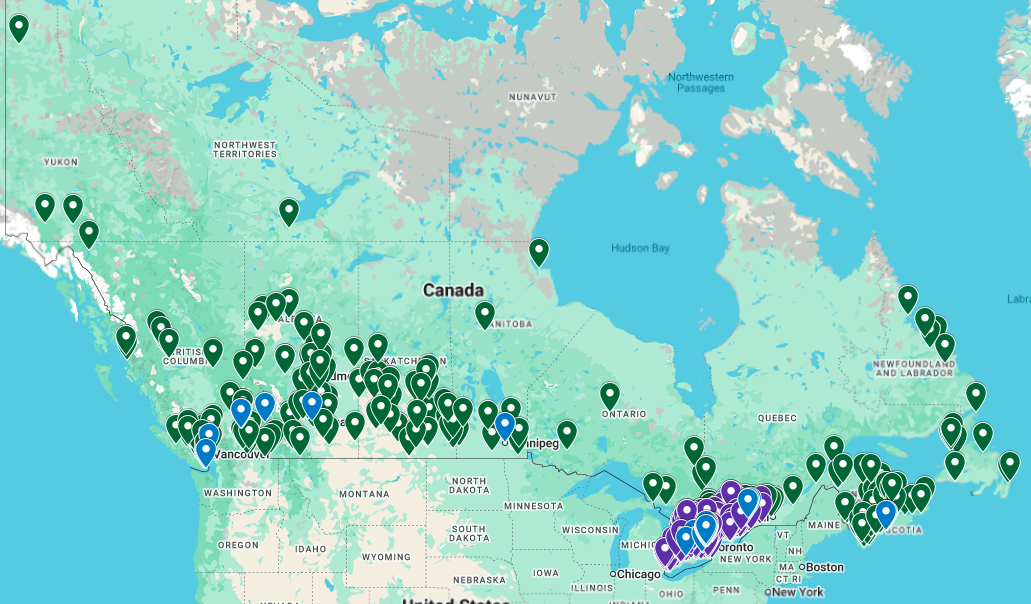
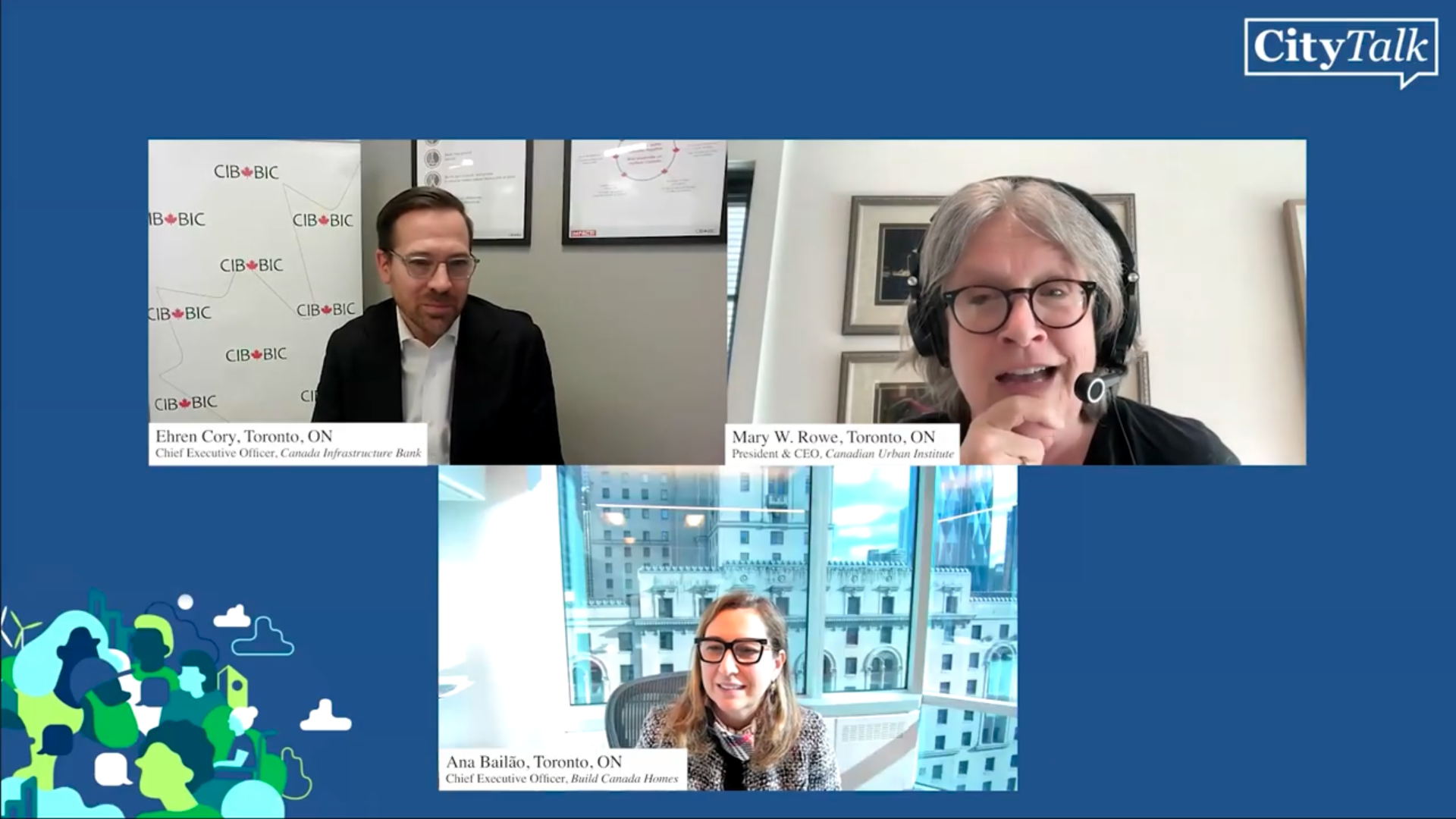
| When things go low, we go local | | | | As 2026 arrived with a roar of war and economic turmoil, the intensity of life for people living in Canadian communities – already challenged by various personal circumstances – became for many, almost overwhelming. By definition, city builders are rooted in place. We see the world from the ground up, the centre out, from sidewalks to skyline. Our vantage point and our engagements start from what’s in front of us, where we work, live, visit. The tangibility and concreteness of city building can be an antidote, although not a panacea, to the larger global challenges over which we seem to have no control. While we have the increasingly unreliable media (social and main-stream) to bring glimpses of the wider world to us, we have the places and people around us to engage with directly. Thank goodness. Otherwise, we’d be relegated to observation and conjecture, which as we all know can be a frustrating, even bleak experience. So, in the spirit of valuing our assets and looking for the opportunities to strengthen them, in 2026 CUI is doubling down on what we see, where we are, and how we can invest in the fabric of our communities to strengthen their capacity to meet people’s needs and aspirations. We are continuing our convening, data gathering, and research of best practices to fix Canada’s broken housing system, with a major reporting out expected in June. Through Main Street Canada, CUI’s data team is working closely with key partners including Environics Analytics. We are equipping local economic stewards including Business Improvement Areas and Community Future Development Corporations with new data products that better inform business investment decisions. We are putting the finishing touches on a multi-year project mapping the impact of transit investments on housing production along main streets. CUI is leading a multi-partner project to build out sustainable, creative futures in the "Strong Downtowns Strong Canada" project, highlighting the economic and social importance of Canada’s cores. We are working with a team of experts to support hundreds of municipal governments and local institutions to make their investments boost resilience, through the Climate Ready Infrastructure Investment Service. All told, CUI programs, products and services are reaching thousands of communities, organizations and businesses, each working to make their local places stronger, more livable, more resilient. Nothing about our shared life – our urban life – is necessarily easy, particularly now as we see the lingering effects of the pandemic, over-extended public services, public budgetary cuts, and a changing world order adding economic and political instability. But CUI is in the connective tissue business, reminding us that we are not alone trying to solve isolated problems, but rather part of a larger, ground-based whole, making better places for people and ‘all our relations’. In neighborhoods across this country, new businesses are opening, new parks planned, new housing and infrastructure are being planned, new pilots being tried to ease traffic, new supports introduced to support aging-in-place, new technologies are being introduced to design mixed use developments, new uses being dreamt up for buildings looking for a new purpose. Even when things seem to be going low, local – here – remains. P.S. CityTalk has been on an extended hiatus, but we will be back this Spring to discuss what’s working, what’s not and what’s next for all things urban. | |
|
|