Subject: New CRIS Project Highlights & Resources

Hi Friend,


Did you know that over 250 communities from across the country have signed up to receive CRIS support, with more joining every week?


The CRIS connects local governments with free expert consultation to equip decision makers to build low carbon climate resilient infrastructure. Participants can receive free energy use assessments, climate hazard identification and analysis, technical design options, and cost estimates tailored to their project.

Learn about some of our recent CRIS Projects:

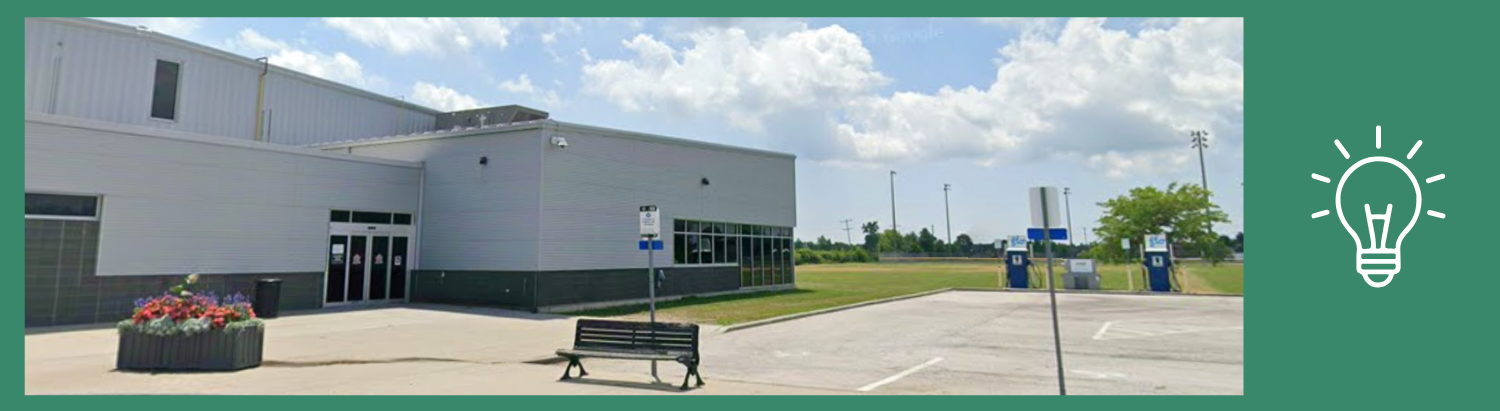
The Town of Essex in Ontario has been exploring low carbon, energy efficient design options for a new outbuilding at the Essex Sports Park, a facility that will house a canteen, locker rooms, washrooms, storage, and mechanical systems. 


Through the CRIS, the Town received clear, cost informed choices to reduce greenhouse gas emissions, lower operating costs, and build a more resilient community facility all while supporting local recreation needs. 

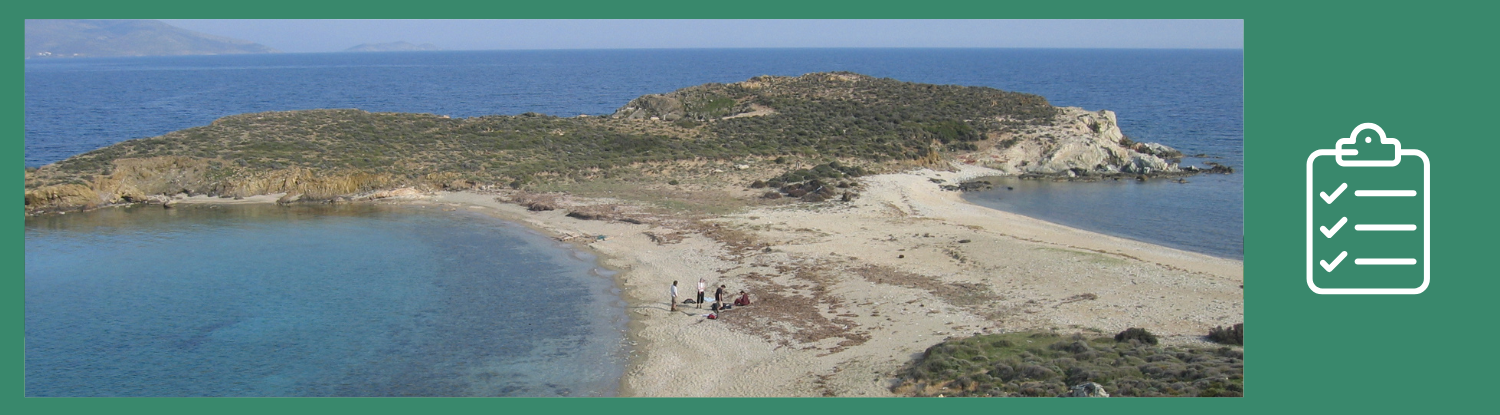
The City of Port Moody in B.C. engaged CRIS support for the Habitat Island Project, which will introduce small, nature-inspired landforms known as “tombolos” to reduce wave energy, mitigate erosion, and enhance sediment retention, creating a resilient and ecologically vibrant coastal edge.


For this project, the CRIS Expert helped:

  • identify key studies and permits needed

  • provide direction on timeline

  • create a project scoping document to undertake the studies necessary

These were key steps the City needed to move the habitat islands project beyond a conceptual idea identified in the Master Plan.

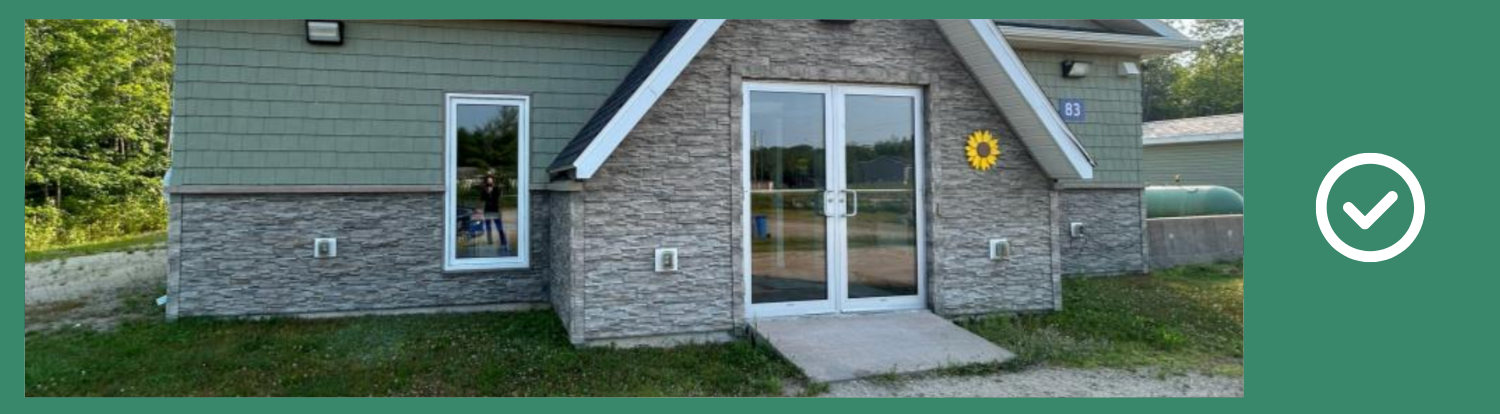
Wasoqopa’q First Nation received a comprehensive energy and climate resilience assessment for three community centres through the CRIS, with recommendations on backup power, flood-proofing, passive survivability improvements, and emergency water storage.


These buildings are hubs for cultural activities, social services, and emergency response, acting as warming centres during climate-related events. This work provides Wasoqopa’q First Nation with a strategic, evidence-based roadmap to strengthen the centres’ operations and long-term sustainability.

Get Involved: Offered on a first-come, first-served basis, CRIS matches climate and infrastructure experts with project teams to provide consulting services at no cost to local governments. Learn how to register here

Toolkit corner: Climate Help Desk

Extremely cold weather events like ice storms, blizzards, and cold snaps can significantly impact housing and infrastructure. Vulnerable populations face increased risk, as aging community housing infrastructure struggles to keep up with the impacts of climate change. 


Housing, Infrastructure and Communities Canada offers free services through the Climate Toolkit for Housing and Infrastructure to help communities adapt their housing and infrastructure projects to climate hazards so they can withstand extreme temperatures, improve energy efficiency and be prepared for severe weather events.


Hundreds of communities across Canada have already received assistance through the Climate Help Desk. Speak with a Climate Help Desk advisor today to get started

Plus: Upcoming Opportunities in our network

Small municipalities often understand their climate risks but turning that awareness into action can be challenging. Limited staff capacity, uncertainty about where to start and pressure to make the “right” choice can stall progress, even when there is interest in moving forward.


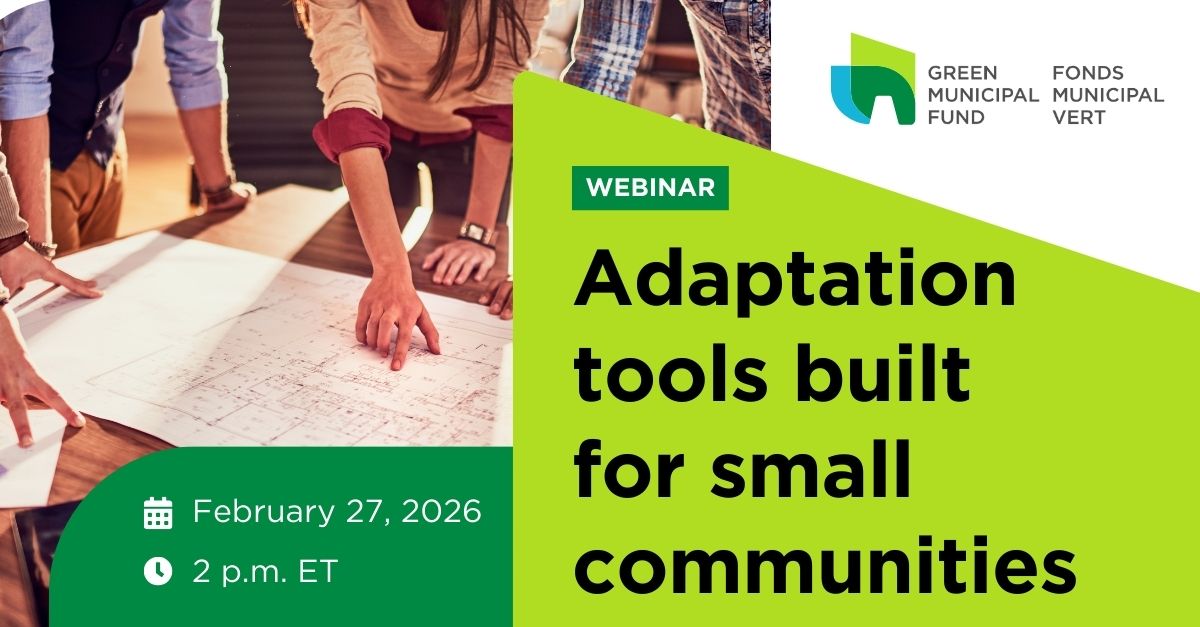
Join the Green Municipal Fund on Friday, February 27 at 2 p.m. ET for a one-hour webinar designed to help bridge that gap. Come with a clear climate challenge or risk and leave with your first next step. The session introduces step-by-step tools and tangible examples from small municipalities to help your community move from early thinking into on-the-ground adaptation activities.

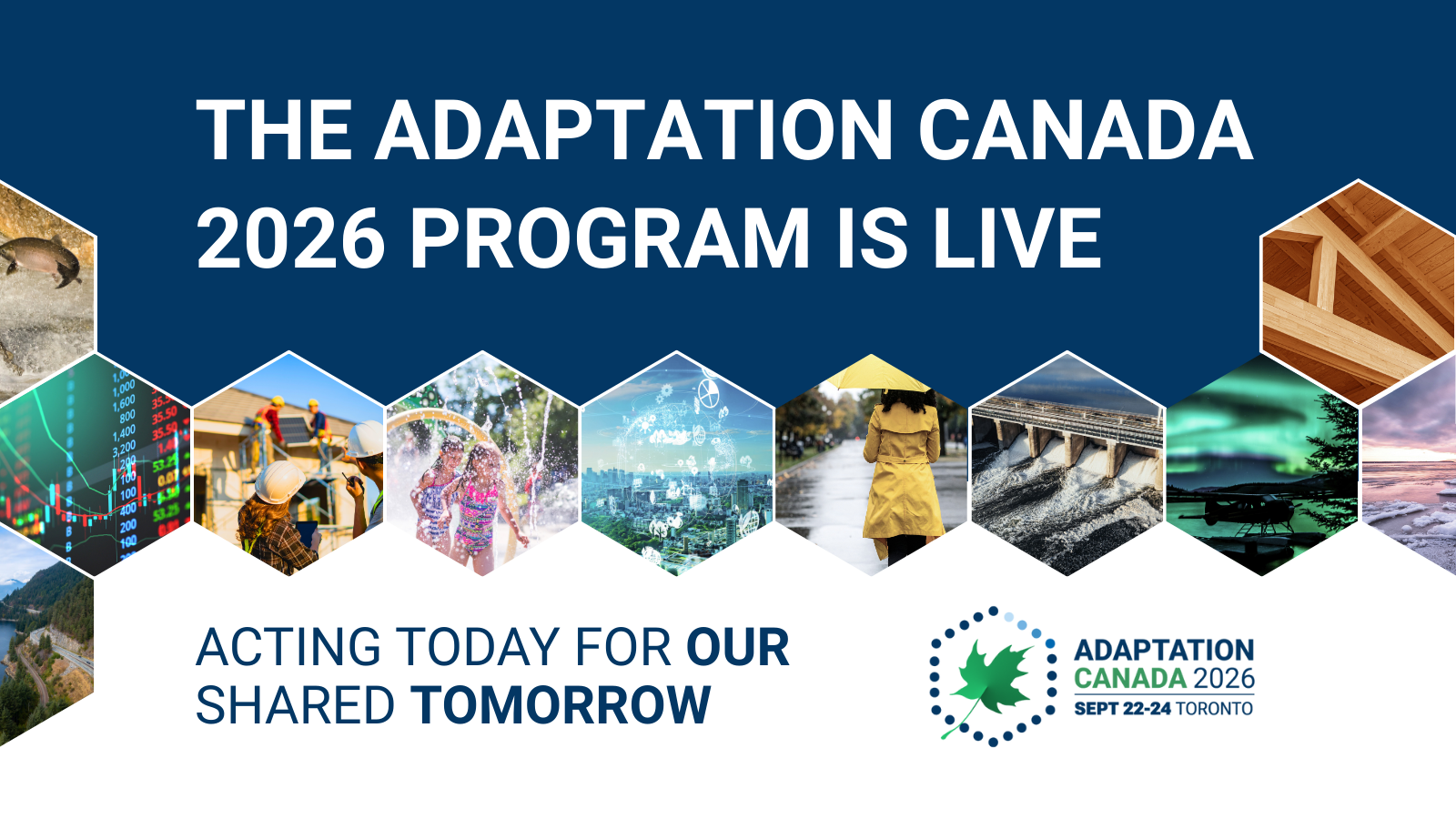
The Adaptation Canada 2026 program is now live! Co-designed by adaptation experts from across Canada, the program spans sectors and themes—from infrastructure and housing to health, Indigenous leadership, nature-based solutions, and even art and technology. It includes 3+ days of presentations, workshops, study tours, parallel events, and networking opportunities designed to support meaningful exchange, practical learning, and cross-sector collaboration.

Plus: Stay up to date on the CRIS and find more resources on our LinkedIn


Driving low carbon solutions | Building local capacity | Fostering climate readiness


climateready@canurb.org


Powered by:
GetResponse