Subject: Beginning 2026: challenges, solidarity and new analysis

An update from TNI and new analysis on Venezuela, Palestine, Myanmar and more.
Was this forwarded to you? Sign up here

Dear Friend,


As we begin 2026, we are navigating a difficult global political and funding landscape. These challenges have also affected TNI, but thanks to the commitment of colleagues, partners and supporters, we continue our work.


In this newsletter, we share reflections on this challenging moment and highlight new research and analysis from across our network.

Please consider a donation towards TNI to help us continue to be an independent and positive resource in creating an equitable, democratic and peaceful world. We know change is possible when we unite and give movement to ideas. Thank you for your support.

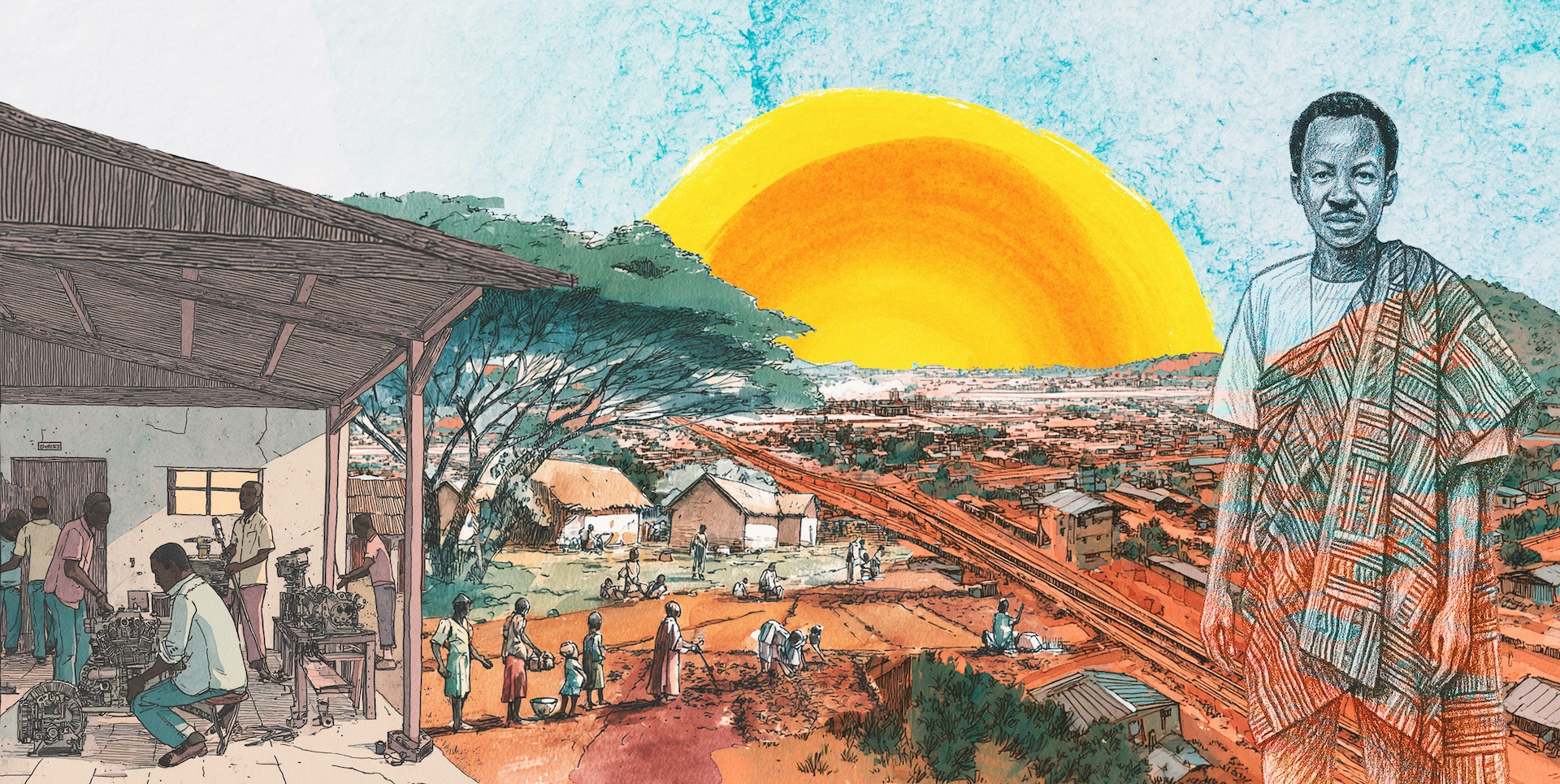
Illustration by Fourate Chahal El Rekaby

Back to the Future

Nyerere's Vision of Industrial Development and its Lessons for the Contemporary Global South


By Muzan Alneel and Gussai H. Sheikheldin


From Palestine to Africa, struggles for liberation expose the limits of colonial “development.” Revisiting Julius Nyerere’s vision, this article explores how Global South solidarity, industrial policy and self-determination offer urgent lessons for confronting imperialism today.

Venezuela


There’s More to Oil

Why Venezuela Demands a Deeper Analysis of US Imperialism


by Daniel Chavez


The slogan “No Blood for Oil” has echoed through anti-war demonstrations for decades, crystallising a powerful intuition about capitalist imperialism: that great powers wage war for resource control. Trump’s seizure of Nicolás Maduro invites the familiar framing. Yet the logic unfolding in Venezuela reveals something more complicated than straightforward resource extraction. Understanding it requires moving beyond the twentieth-century narrative of crude-seeking colonialism that still dominates left analysis of global politics and economics.

Maduro’s Abduction and the Future Global Order


By Aleksandar Matković


The United States has often stretched international law, but the seizure of Nicolás Maduro crosses into openly lawless state power. This moment exposes the fragility of multilateral norms and the willingness of US elites to act unilaterally in an unravelling global order.

Palestine

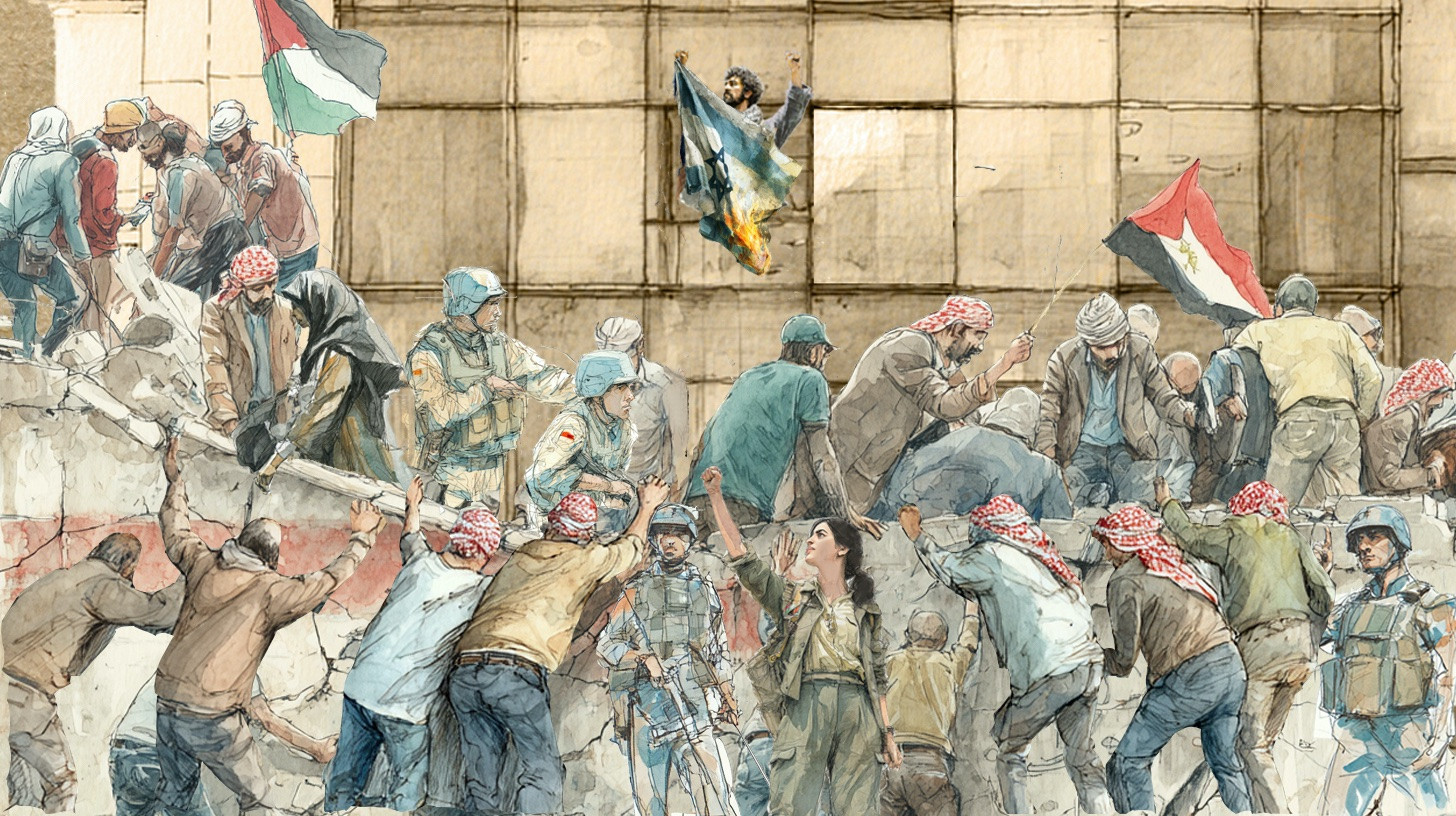
Illustration by Fourate Chahal El Rekaby

“The condition for freedom is for the Egyptian masses to take to the streets”

Egypt’s centrality in the struggle for Palestine


By Nihal El Aasar


Revisiting Nasser’s “No voice rises above the sound of battle,” this essay argues that separating democracy and reform from Palestine misreads the central contradiction shaping repression and defeat in the Arab world.

Solidarity under Siege:

Germany’s repression of the Palestine Movement


By Josephine Solanki


Our ongoing longread series examines how Germany’s support for Israel has been accompanied by an intensifying repression of Palestine solidarity at home, from lawfare and censorship to policing and economic pressure, with serious implications for civil liberties.

Myanmar


The Voice of Mon Farmers

Struggling for Life

Myanmar remains a land in deep turmoil. But as military repression continues, one of the most neglected consequences has been the devastating impact on the agricultural sector and the country’s struggling farmers. In this commentary, Kun Wood analyses the deteriorating situation in Mon State since the 2021 coup as farmers face the manifold crises of military misrule, conflict, land confiscation, rising prices, poor harvests, climate change and worsening shortages of workers as young people flee the country to escape military conscription and seek opportunities abroad. Local communities are being undermined, with the regime authorities doing nothing to help the local people. As she explains, the survival of farmers is essential for the Mon people.

Kachin's Contested Landscapes

Farming, Mining and the Double Bind of Survival

Amidst conflict and military misrule, one of the most devastating impacts has been ‘land grab’ as local people are displaced and outside interests rush in to seize natural resources and set up exploitative industries that cause grave environmental damage. As Lahkyen Roi explains in this commentary, Kachin State possesses lucrative resources in jade, rare earths, gold and timber, with abundant potential in farming. But mining and agriculture businesses not only confiscate land but enforce working practices that further hardship and poverty. As she warns, the right of the Kachin and other peoples to exist is eroded without land, fuelling the cycles of civil war. It is vital for all parties to start on land reform now.

The Deepening Labor Crisis and Myanmar Election

A Myanmar Commentary by Su Latt Phyu

The International Labor Organization continues to condemn the grave suppression of worker’s rights in Myanmar. But, as Su Latt Phyu highlights in this commentary, repression is intensifying as the military regime pushes ahead with a deeply-flawed election in a bid for legitimacy. Livelihood conditions are worsening, with trade unionists arrested, internal displacement increasing and youths fleeing the country to escape forced conscription. More than ever an end to military rule is vital if the cycles of human rights repression, state failure and conflict are to be addressed.

The Fabric of Convergence

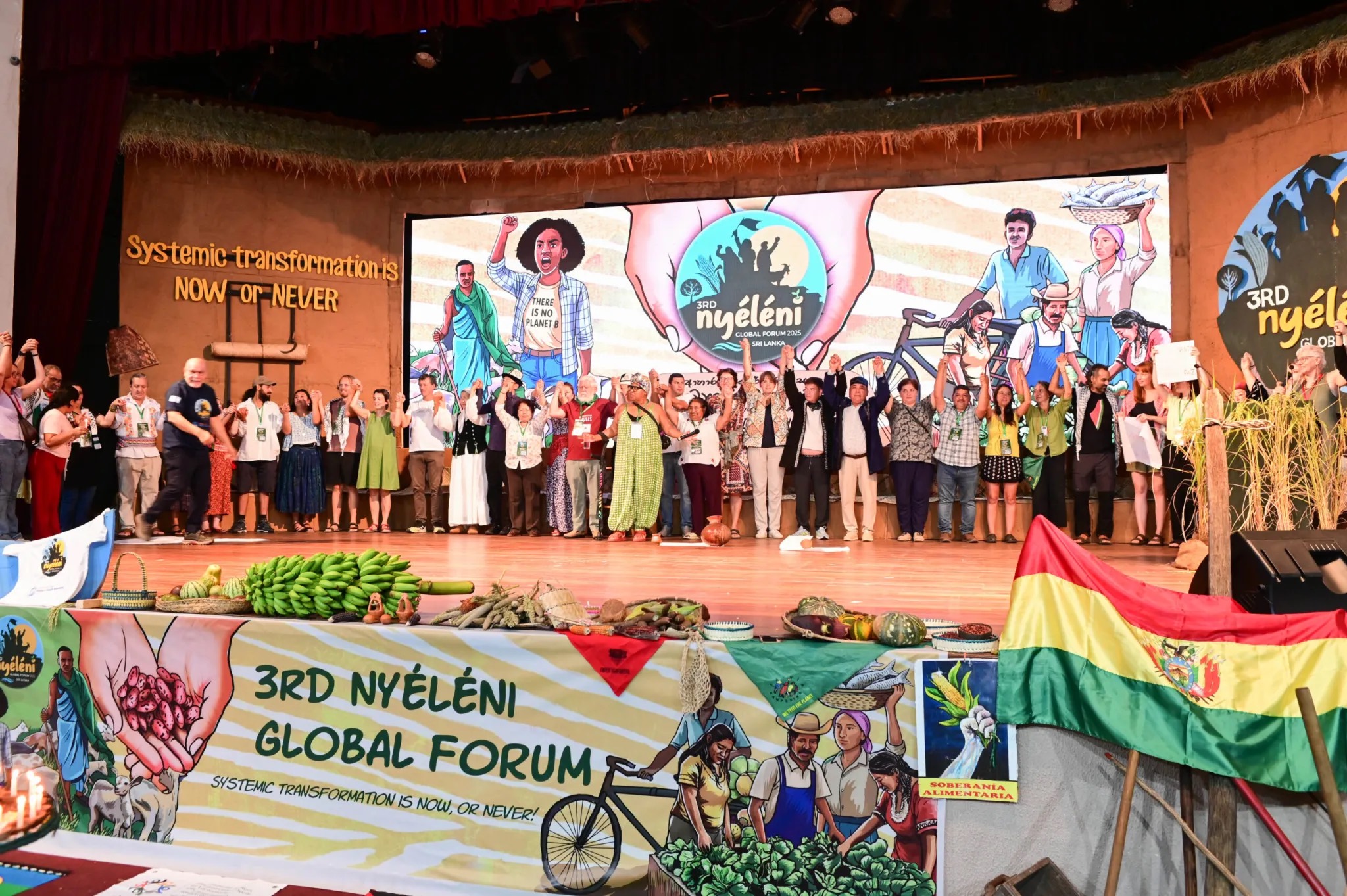
Reflections from the Nyéléni Global Forum


By Priscilla Claeys, Jessica Duncan and Sylvia Kay 


In what ways can food sovereignty or agroecology act as a viable joint framing for systemic convergence? The third Nyéléni Global Forum in Kandy, Sri Lanka, brought together over 700 activists with the aim of weaving convergence and strengthening alliances between food sovereignty and social justice movements. The authors reflect on their experience at the Forum, highlighting successes in cross-movement collaboration as well as frictions in organising, representation, and frameworks. Looking ahead, the Kandy Declaration calls for actions to deepen dialogue, transform governance, and build collective capacity to advance systemic transformation.

Subscribe to the Nyéléni newsletter for updates from the global food sovereignty movement. The latest edition was produced with support from TNI and features reflections from the Nyéléni Global Forum on building global solidarity for systemic transformation.

Food is a Human Right for All!

Guaranteeing healthy, just and sustainable food systems


In Europe, millions of people struggle with food insecurity. Many more cannot afford a healthy and adequate diet. Moreover, farmers and food workers cannot make a living, and sustainability is often compromised because of lack of political will and resources.


Help push European leaders to act: sign this petition for a fair, healthy and sustainable food system.

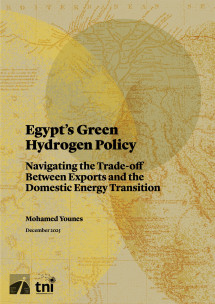
Egypt’s Green Hydrogen Policy

Navigating the Trade-off Between Exports and the Domestic Energy Transition


by Mohamed Younes


This study examines Egypt’s green hydrogen boom at the intersection of energy transition and climate justice, showing how export-driven policies and fast regulatory changes reshape investment, while domestic energy fragility raises major questions about renewables, strategy and climate equity.

Events

US Foreign Policies under Trump and their Impact on Asian Countries — Webinar

5 February


Join this webinar organised by the International Peace Bureau (IPB) and the Asia Europe People’s Forum (AEPF) to discuss how US foreign policy under Trump is reshaping political, economic and security dynamics across Asia. Featuring speakers from Pakistan, Malaysia and South Korea, and moderated by Sean O’Connor (IPB) and Brid Brennan (TNI).


Thursday 5 February 2026, 12:00 CET

Framing Palestine — Online lecture

11 February


Join Makan and TNI for an online lecture with Adam Hanieh unpacking his analysis of Framing Palestine: Israel, the Gulf states, and American power in the Middle East. The session explores how the regional dynamics of the Middle East and global geopolitics shape understandings of Palestine, followed by a short Q&A. 


Wednesday 11 February, 19:00–20:30 CET.

An update from TNI

Across the world, governments are capitulating to reactionary, anti-democratic forces. The result is a retreat from support for vital organisations, dismantling on-the-ground initiatives and abandoning under-resourced communities in some of the most difficult contexts imaginable.

TNI has not been immune. The abrupt cancellation of major grants threatened to devastate our work. Through the steadfast commitment of colleagues, partners and supporters, we limited the damage. Some donors stepped forward. Many colleagues reduced paid hours to save as many jobs as possible.

But the costs have been real, including to the health of some of our core workers.

With deep sadness we have not succeeded in ensuring the continuity of work for all of our colleagues. Shaun Matsheza, the voice of our podcast and a great moderator of our events, including with Francesca Albanese and for TNI’s Ignite Festival to mark our 50th anniversary. Niels Jongerius, whose work with local networks in the Netherlands helped many activist efforts forge connections and take root. Niamh Ní Bhriain, who for eight years anchored our work on war and pacification, shaping movements and discourse, and whose work appeared in outlets such as Al Jazeera and the Irish Times. Jess Graham, whose diverse work included professionalizing our online events, managing a great many events, from our Covid Capitalism series to Fractures. Sara Murawski, who brought deep expertise of the global financial system during our 50th anniversary year.

We also had to let go the formal positions of Brid Brennan and Pietje Vervest but they will stay involved at TNI. Shaun, Niamh, Brid and Pietje have been invited to continue their scholar-activist relationship with TNI as Associate Researchers. 

Each of these colleagues have made invaluable contributions to TNI’s work and relations with our global ecosystem of partners . We look forward  to each continuing to be engaged in different ways in TNI’s future, a future that is being worked out in the worst of times — but is also presenting great strategic opportunities for systemic change. 


The future is difficult. But we will keep fighting—together.


What we're reading

Please consider a donation towards TNI to help us continue to be an independent and positive resource in creating an equitable, democratic and peaceful world. We know change is possible when we unite and give movement to ideas. Thank you for your support.


Powered by:
GetResponse