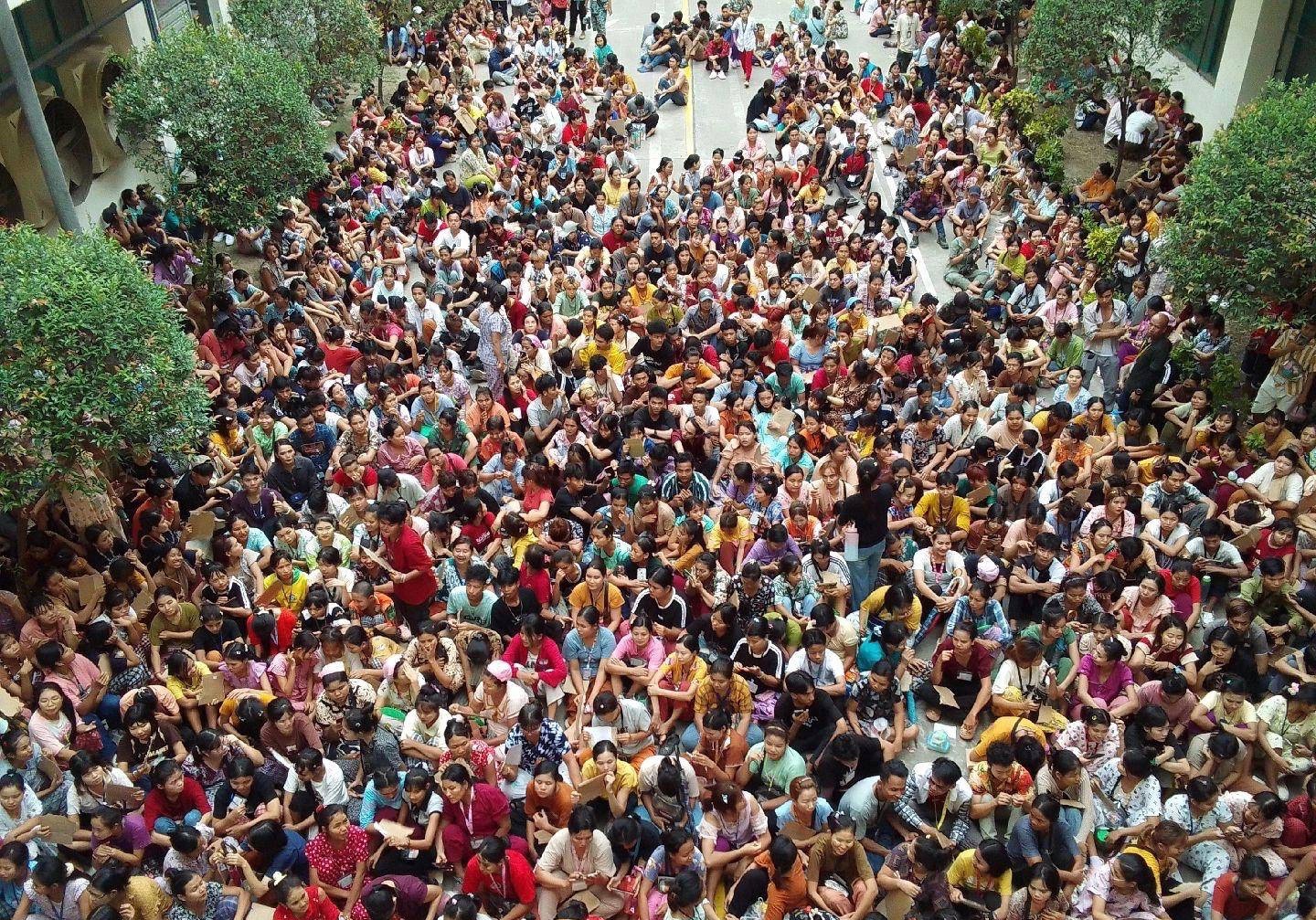
IntroductionMyanmar’s workforce currently faces severe challenges across both domestic and foreign sectors. These struggles are defined by wage theft, undignified working conditions, excessive overtime pressure, and the precarious plight of migrant workers. Central to this crisis is the military regime’s activation of the People’s Military Service Law – commonly known as the Conscription Law – in early 2024. This move has created a pervasive climate of fear, particularly among youth who face the threat of forced conscription. These overlapping pressures – wage exploitation, forced labor and the looming threat of the draft – reflect a systemic violation of the rights of Myanmar’s working people, a crisis the upcoming “sham election” is poised to deepen rather than resolve.
The ILO Invokes Article 33: A Global WarningOn June 5, 2025, the International Labour Organization (ILO) unanimously decided to invoke Article 33 against the military regime of the State Adminsitration Council (SAC: subsequently State Security and Peace Commission [SSPC]). This is the most severe action the ILO can take, a measure previously used against Myanmar only under a previous milirary regime headed by Sen-Gen. Than Shwe in 2000.
Article 33 is the key constitutional provision of the ILO, enabling it to take action against member states that violate fundamental labor provisions and refuse cooperation after multiple warnings, serving as a penalty to apply international pressure. This time, the decision was driven by five key violations, primarily the denial of freedom of association regarding labor rights and the use of the military service law to restrict and recruit workers through forced conscription. Furthermore, the military regime continues to engage in violence through the arrest of trade unionists and the oppression of civil society, while simultaneously blocking humanitarian access following the March 2025 earthquake and the displacement caused by ongoing armed conflict.
Imposing sanctions under Article 33 carries serious potential consequences. It could lead to the suspension of technical and humanitarian aid, and diplomatic support from UN agencies. Further actions might include designating the military regime as a terrorist entity and prosecuting perpetrators in international courts. Economically, too, sanctions could prompt international businesses currently invested in Myanmar to withdraw, deter new foreign investment, halt certain foreign imports, and significantly harm the miitary regime's finances and diplomatic standing. |