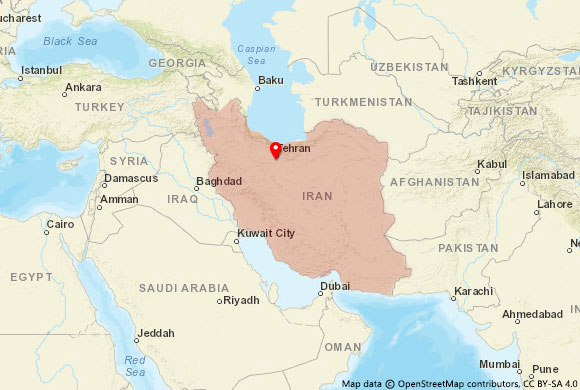
Supplemental Info:
SITREP:
As of mid-January 2026, Iran is experiencing its most significant nationwide protests against the Islamic Republic since in years, with demonstrations erupting on December 28, 2025, and spreading to over 100 cities across all 31 provinces.
Initially triggered by a sharp collapse in the rial currency, record inflation, and soaring food prices—exacerbated by international sanctions and the aftermath of the June 2025 Israel-US strikes on nuclear facilities—the unrest has evolved into open calls for regime change, the downfall of Supreme Leader Ali Khamenei, and an end to clerical rule. Scarce water has emerged as a key underlying grievance intertwined with the economic and political crisis, amplifying public fury over chronic state mismanagement.
Security forces, including the IRGC and police, have responded with lethal force, using firearms, tear gas, beatings, and water cannons, leading to hundreds of deaths (reports range from at least 28 confirmed early killings to activist estimates exceeding 500 protesters and dozens of security personnel), mass arbitrary arrests (over 10,000), hospital assaults on the wounded, and an ongoing internet blackout to suppress coordination and information flow.
International reactions include US warnings against repression, threats of intervention from President Trump, and condemnations from human rights groups labeling the crackdown as crimes against humanity.
It is estimated there are thousands of dual U.S. / Iranian citizens currently in Iran.
---
Virtual Embassy Tehran
January 13, 2026
Location: Iran, countrywide
Event: Protests across Iran are escalating and may turn violent, resulting in arrests and injuries. Increased security measures, road closures, public transportation disruptions, and internet blockages are ongoing. The Government of Iran has restricted access to mobile, landline, and national internet networks. Airlines continue to limit or cancel flights to and from Iran, with several suspending service until Friday, January 16.
U.S. citizens should expect continued internet outages, plan alternative means of communication, and, if safe to do so, consider departing Iran by land to Armenia or Türkiye.
Actions to Take:
Leave Iran now. Have a plan for departing Iran that does not rely on U.S. government help.
If you cannot leave, find a secure location within your residence or another safe building. Have a supply of food, water, medications, and other essential items.
Avoid demonstrations, keep a low profile, and stay aware of your surroundings.
Monitor local media for breaking news. Be prepared to adjust your plans.
Keep your phone charged and maintain communication with family and friends to inform them of your status.
Enroll in the Smart Traveler Enrollment Program (STEP) to receive the latest updates on security in Iran.
If You Plan to Leave Iran:
U.S.-Iranian dual nationals must exit Iran on Iranian passports. The Iranian government does not recognize dual nationality and will treat U.S.-Iranian dual nationals solely as Iranian citizens. U.S. nationals are at significant risk of questioning, arrest, and detention in Iran. Showing a U.S. passport or demonstrating connections to the United States can be reason enough for Iranian authorities to detain someone.
The U.S. government cannot guarantee your safety if you choose to depart using the following options. You should leave only if you believe it is safe to do so.
As of Monday, January 12, the Armenian land border at Agarak/Norduz remains open. U.S. citizens entering Armenia from Iran need a valid U.S. passport and may stay for up to 180 days visa-free. U.S. citizens who require assistance should send the following to the U.S. Embassy Yerevan American Citizens Services Unit at ACSYerevan@state.gov :
Name, DOB, passport information (number and dates of issue/expiration), border crossing, and a photograph of the passport biodata page
As of Monday, January 12, Turkish land border crossings with Iran remain open (Gürbulak/Bazargan, Kapıköy/Razi, and Esendere/Serow). For U.S. citizens seeking to depart Iran by land via these border gates:
U.S.-Iranian dual nationals who plan to enter Türkiye on Iranian or Turkish passports do not require advance approval. U.S. citizens who plan to enter Türkiye using their U.S. passports and those who lack a valid travel document should send the following to the U.S. Embassy Ankara American Citizens Services Unit at Ankara-ACS@state.gov :
Name, DOB, passport information (number and dates of issue/expiration), border crossing, and a photograph of the passport biodata page
As of Monday, January 12, Turkmenistan’s land borders are open, but U.S. citizens need special authorization from the Government of Turkmenistan before approaching the border. U.S. Embassy Ashgabat must facilitate this approval. U.S. citizens who plan to request entry into Turkmenistan should send the following to the U.S. Embassy Ashgabat American Citizens Services Unit at AshgabatUScitizen@state.gov :
Name, DOB, passport information (number and dates of issue/expiration), border crossing, and a photograph of the passport biodata page
U.S. citizens with an urgent need to depart Iran via Azerbaijan should be aware that entry into Azerbaijan from Iran has been restricted for U.S. citizens during periods of heightened tension, such as the June 2025 conflict between Iran and Israel. U.S. citizens should consider alternative routes for departure from Iran. U.S. citizens should not travel to Afghanistan, Iraq, or the Pakistan-Iran border area.
The U.S. government does not have diplomatic or consular relations with the Islamic Republic of Iran. The Swiss government, acting through its embassy in Tehran, serves as the protecting power for U.S. interests in Iran.
Embassy of Switzerland – Foreign Interests Section in Tehran:
View the Original:
https://ir.usembassy.gov/iran-security-alert-land-border-crossings-january-12-2026/