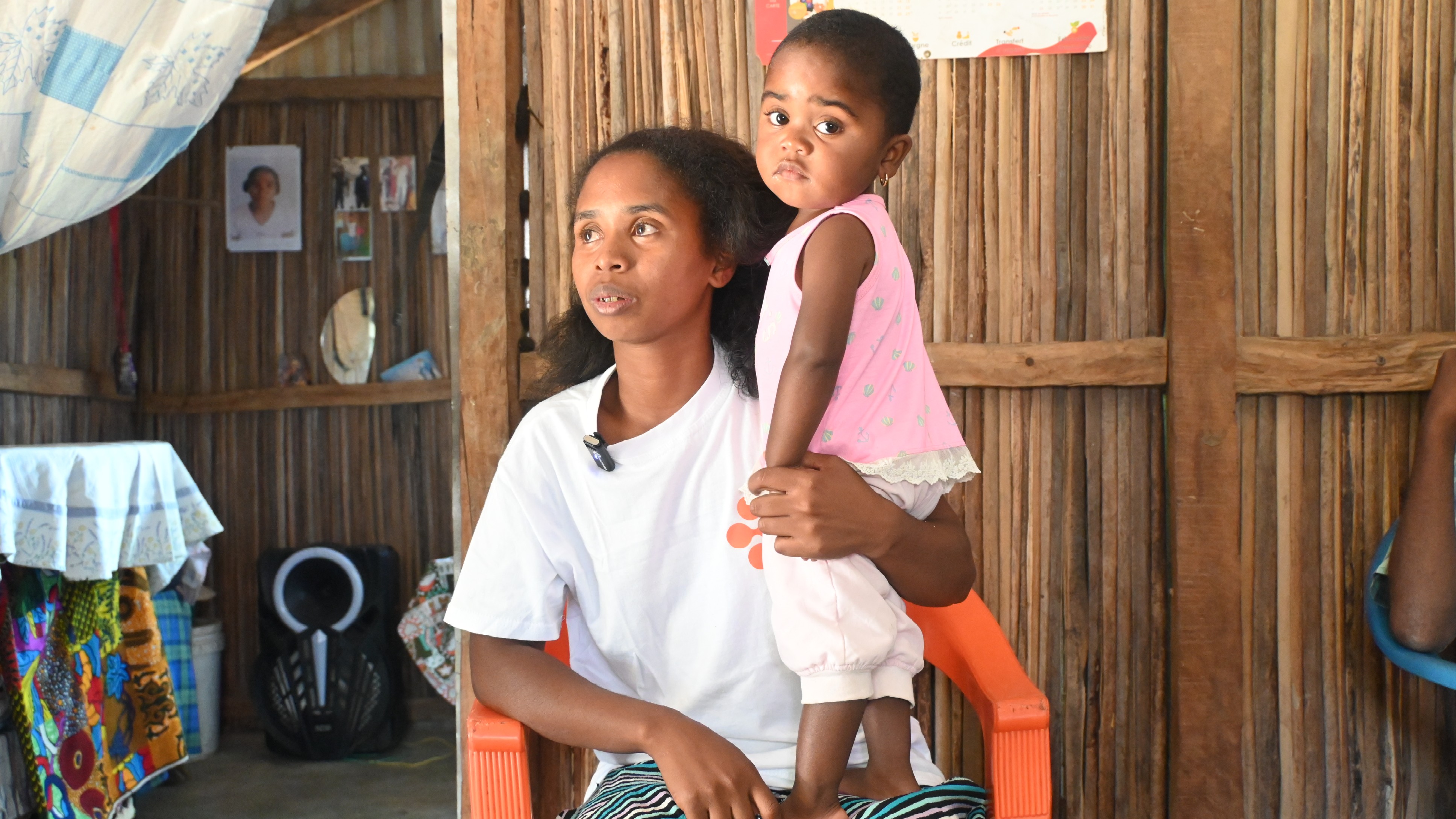
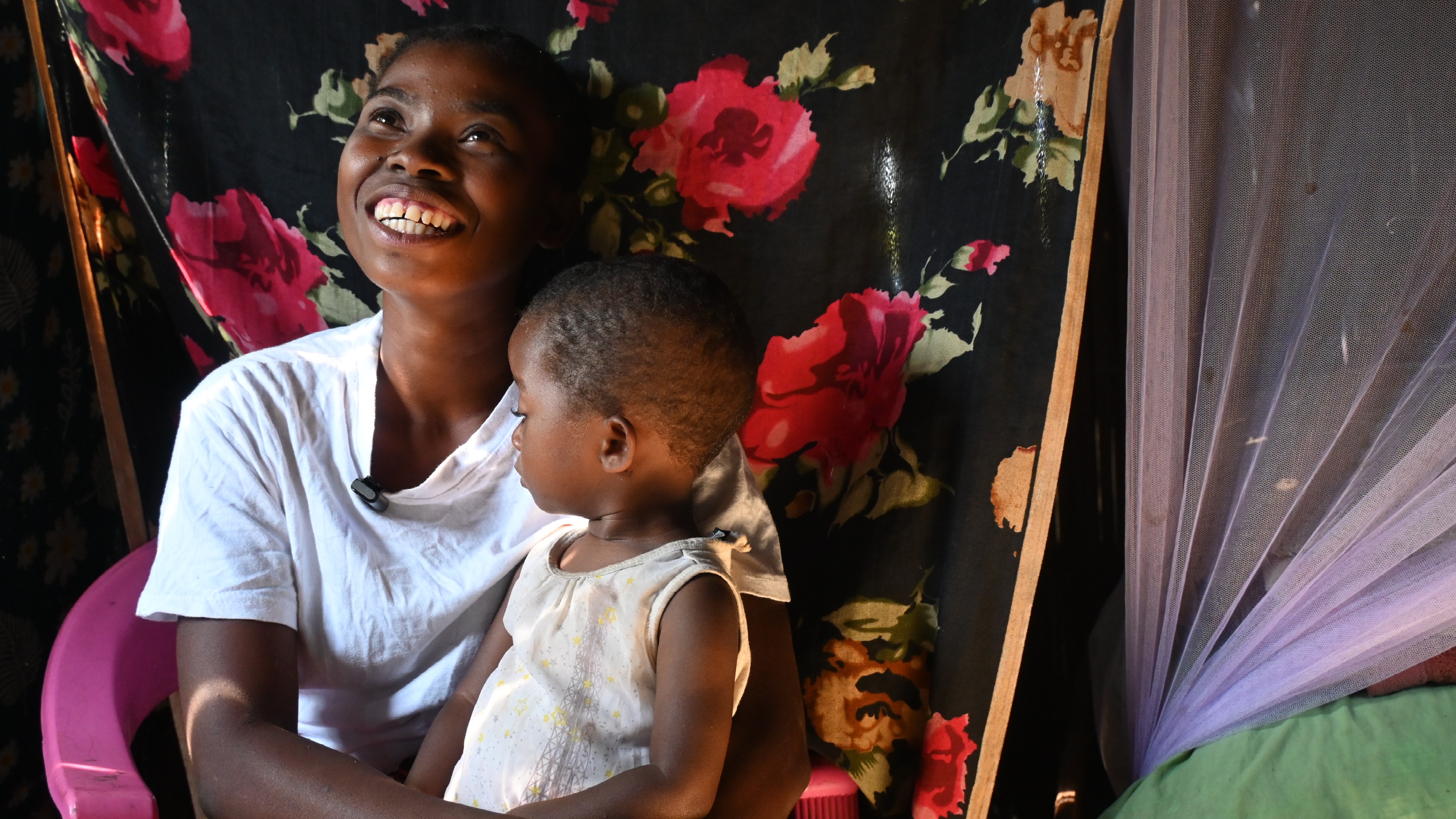
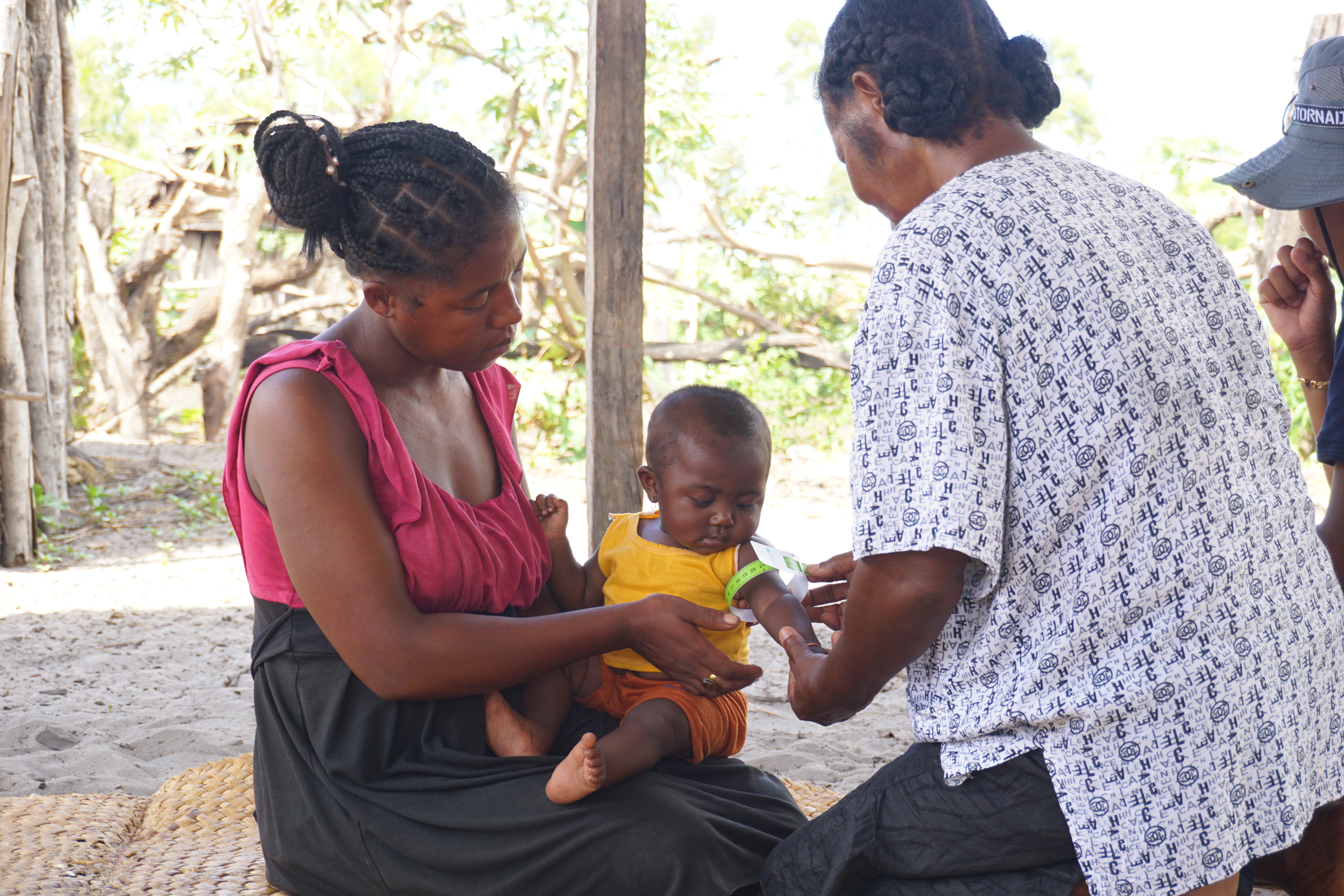
This month's newsletter looks at the experiences of Korista and Aurélie, whose children have both suffered from acute malnutrition after periods of illness and limited access to nutritious food. Across Madagascar, acute malnutrition driven by recurring climate shocks and food insecurity is becoming an increasingly urgent concern. Failed rains, extreme weather, pest infestations, and the growing impacts of climate change have led to some of the worst droughts Madagascar has experienced in decades. These conditions persist today, contributing to rising food insecurity and malnutrition among children, as crop failure and financial instability limit families’ access to adequate food. It is hard to imagine the decline of a child’s health due to these conditions. Yet this was the reality for Korista and Aurélie. | | | Korista’s daughter, Ratiandraibe, was frequently sick with malaria and often hospitalised, leaving her weak and putting emotional and financial strain on the family. Like many parents with limited resources, Korista could not meet her daughter's nutritional needs.
Through Project Miatrika, Korista learned how to include more nutrient-rich and varied foods in Ratiandraibe’s meals and how small, practical changes could make a big difference. The difference was striking. Ratiandraibe grew stronger, more active, and visibly healthier.
| | Korista and her daughter, Ratiandraibe | | When Aurélie’s youngest son developed severe acute malnutrition, repeated clinic visits quickly overwhelmed the family and caused deep concern.
After joining group sessions through SEED’s Project Miatrika, Aurélie learned practical, local ways to improve her child’s nutrition, hygiene, and daily care. With new knowledge, Aurélie’s confidence grew and she introduced healthier feeding practices at home. Gradually, her son regained his strength and health, reducing their reliance on medical visits.
| | | Your generosity ensures that parents like Korista and Aurélie receive the support they need to protect their children’s health. |
|
|