Dear Friends,
One of the defining rituals of any holiday is the journey to see family. Whether it is a flight across a continent or a drive across town, people make extraordinary efforts to be together. For many Palestinians, Eid is a reminder not only of faith and family, but of the restrictions that shape everyday life under occupation.
This year, our colleague Aisha from Nablus was unable to spend Eid with her daughter in Ramallah because of the checkpoints and closures that continue to restrict movement across the West Bank. Aisha, the principal of a public school in Nablus and coordinator of the Combatants for Peace women's group, had hoped to visit her daughter for the holiday. When that proved impossible, her daughter hoped to travel to Nablus instead. Neither journey was possible.
Since October 2023, movement restrictions across the West Bank have increased significantly. Hundreds of checkpoints, roadblocks, gates, and other obstacles affect Palestinians' ability to travel between cities, access services, maintain livelihoods, and visit family members. What should be a short journey can become a lengthy, uncertain trip - or impossible altogether.
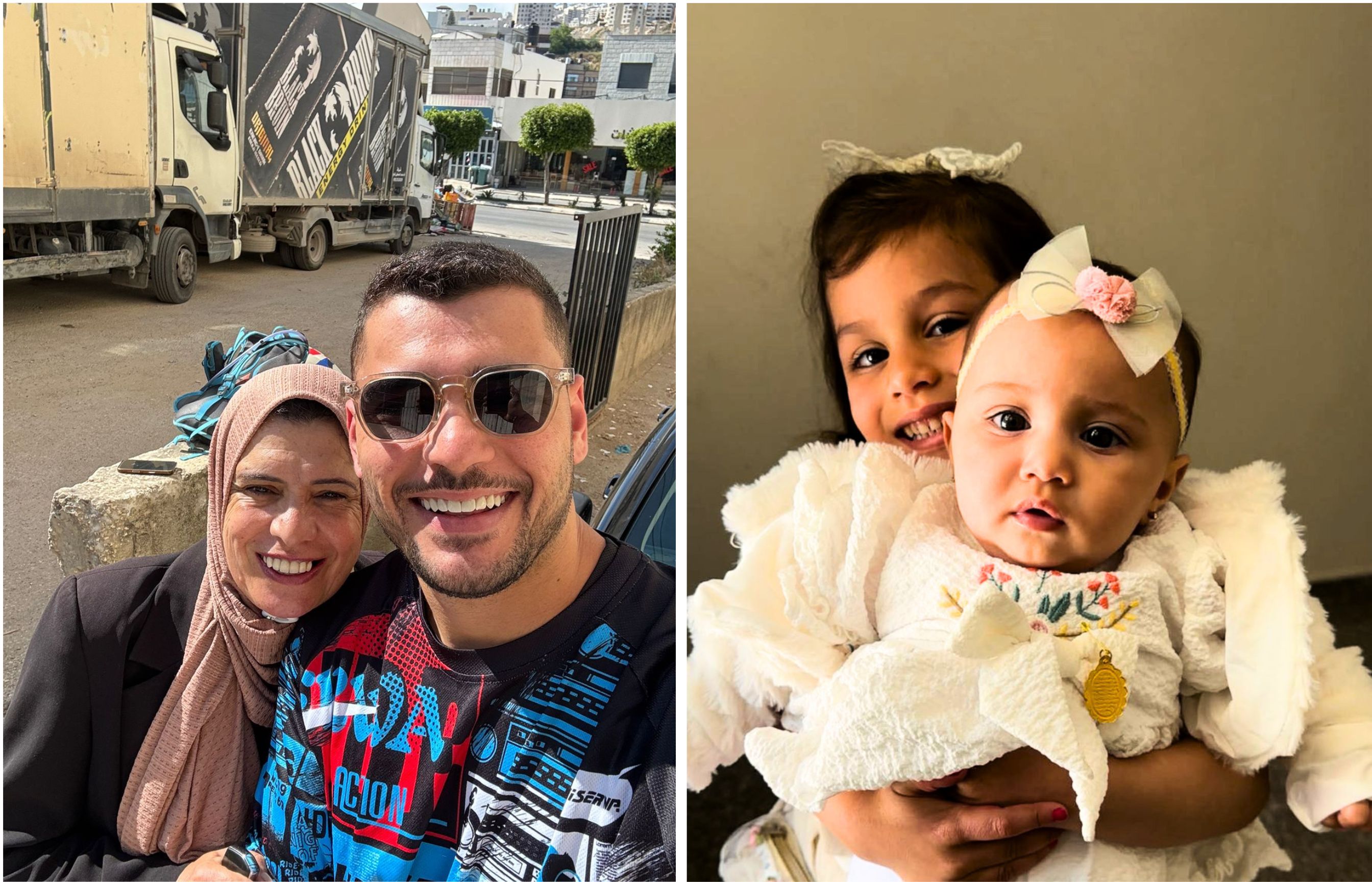
The consequences are often discussed in economic or security terms. Less attention is paid to their impact on family life, community ties, and religious and cultural practices. Eid is traditionally a time for visiting relatives, gathering for meals, and spending time with loved ones. For Aisha, the day began with Eid prayers and a visit to the graves of her brothers. She then returned home to welcome local family members for breakfast before visiting nearby relatives and sharing Eid cookies. Aisha shared these photos of her family during Eid in Nablus. |