Subject: Education Under Occupation: The Closed Classrooms

Dear Friend,


Yesterday, as part of our Education Under Occupation campaign, we led a delegation of 26 journalists from France, Germany, Israel, Turkey, Spain, the United States, and Canada to Nablus to witness a crisis that rarely makes the headlines. While attention remains focused elsewhere, the steady erosion of the education system in the West Bank continues quietly. Teachers, parents and children are facing financial strain, repeated disruptions and shortened school weeks — a silent crisis shaping the future of an entire generation.


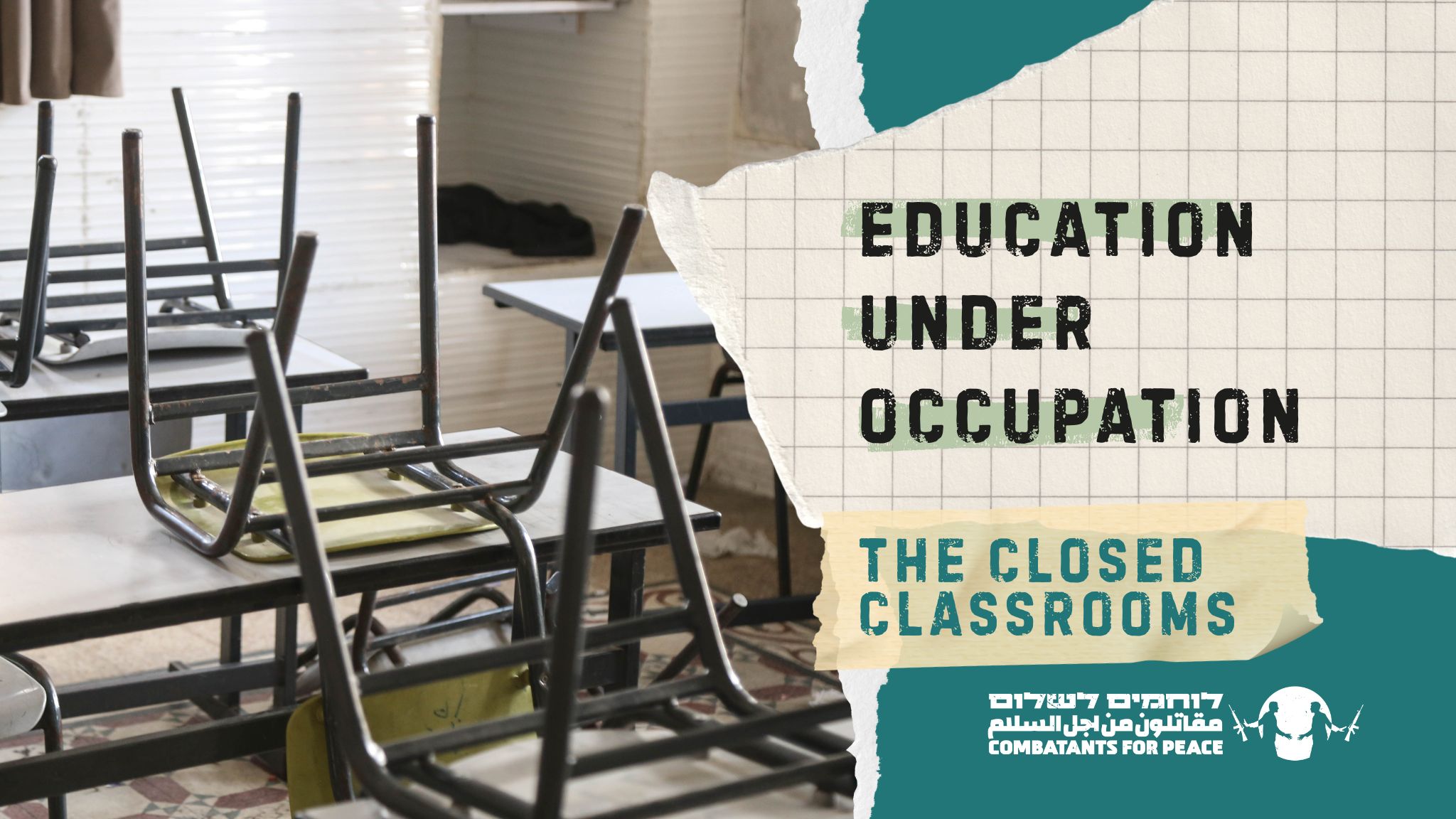
Over the past two years, Nablus has endured repeated military incursions, closures and movement restrictions. Schools are disrupted by checkpoints and roadblocks, and children often pass through tense environments just to reach class. At the same time, Israel’s ongoing withholding of Palestinian tax revenues has deepened the financial crisis of the Palestinian Authority, pushing public services to the brink. With reduced budgets and unpaid salaries across the public sector, many schools now operate only three days a week. This is not reform but an emergency measure under occupation, resulting in fewer teaching hours, unfinished curricula and students losing critical learning time through no fault of their own.

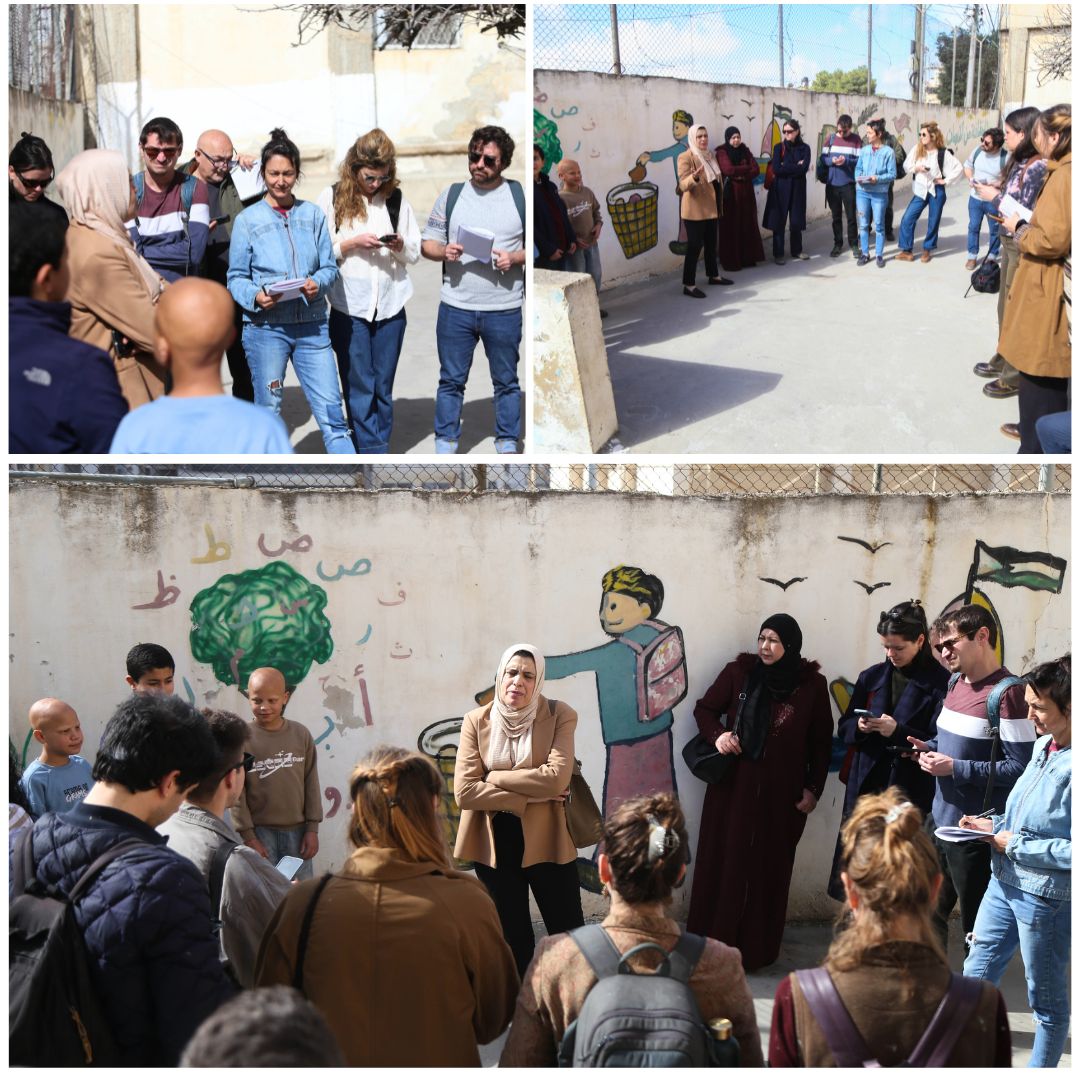
Aisha, photographed above, a school principal and coordinator of the Combatants for Peace women’s group, told our group about the crisis facing educators across the West Bank. Teachers are currently receiving only 60 percent of their salaries, a reality shared by much of the public sector including medical staff.


But the decline did not begin this year. Aisha explained that the education system has struggled since the Covid pandemic, when schools were forced into lockdown without the necessary tools or infrastructure to adapt to remote learning. Many schools never fully recovered. Now, with the school week reduced to three days in some areas due to financial and political pressures, the gaps are widening.


Some schools attempt to compensate through remote learning, but this too comes with serious obstacles. Many families cannot afford computers. Internet access is unreliable. And children who are already living under stress often lack the space and stability needed to focus at home. Entire portions of the curriculum are simply being skipped.


We met Eman and her ten year old son Zaid. Zaid uses some of his unexpected free time to teach himself English. He dreams of studying abroad one day and building an international career. His determination is remarkable. Yet even with his motivation, much of his school material is being left behind because the system cannot keep pace with the disruptions.


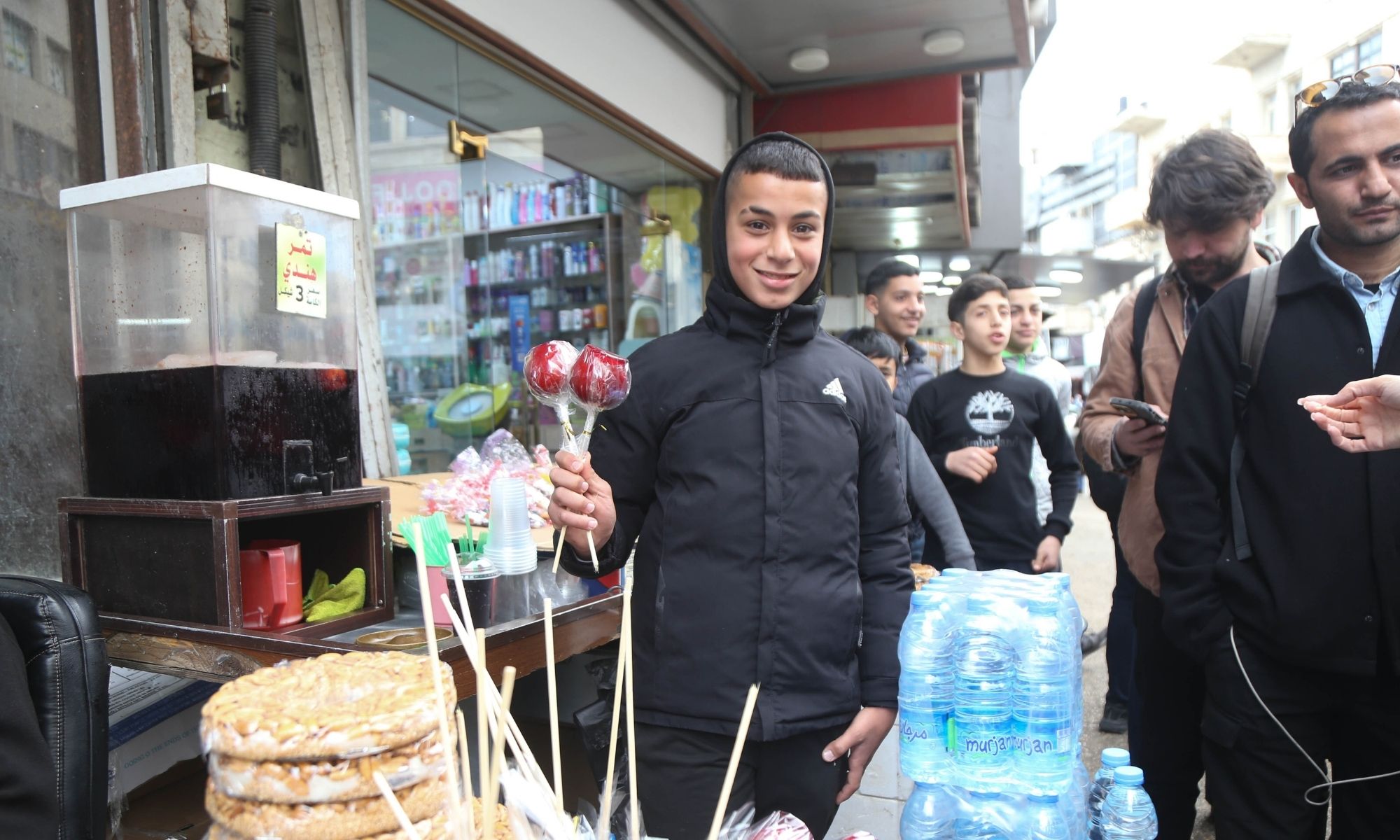
Not every child manages to hold on. In the Old City, we met a young boy named Talal who has dropped out of school entirely, and now sells sweets in the souk to help support his family. His story is becoming increasingly common as economic pressure and instability push education further out of reach.

This is what Education Under Occupation looks like in Nablus. Dedicated teachers continue working despite reduced pay, while classrooms are closed for part of the week. Children are trying to learn in an atmosphere of uncertainty, and families carry the weight of ongoing systemic disruption.


We will continue to document these realities and to support all those who refuse to give up on the right to learn. Education is not a privilege, it is a right. And in Nablus, that right is under strain. Learn more about our campaign here, and join us in working to protect Palestinian children and their families’ right to education.


In peace & solidarity

Visit our website: https://cfpeace.org/

Find us on our Facebook pages: English, Arabic, Hebrew

Find us on Twitter


Powered by:
GetResponse