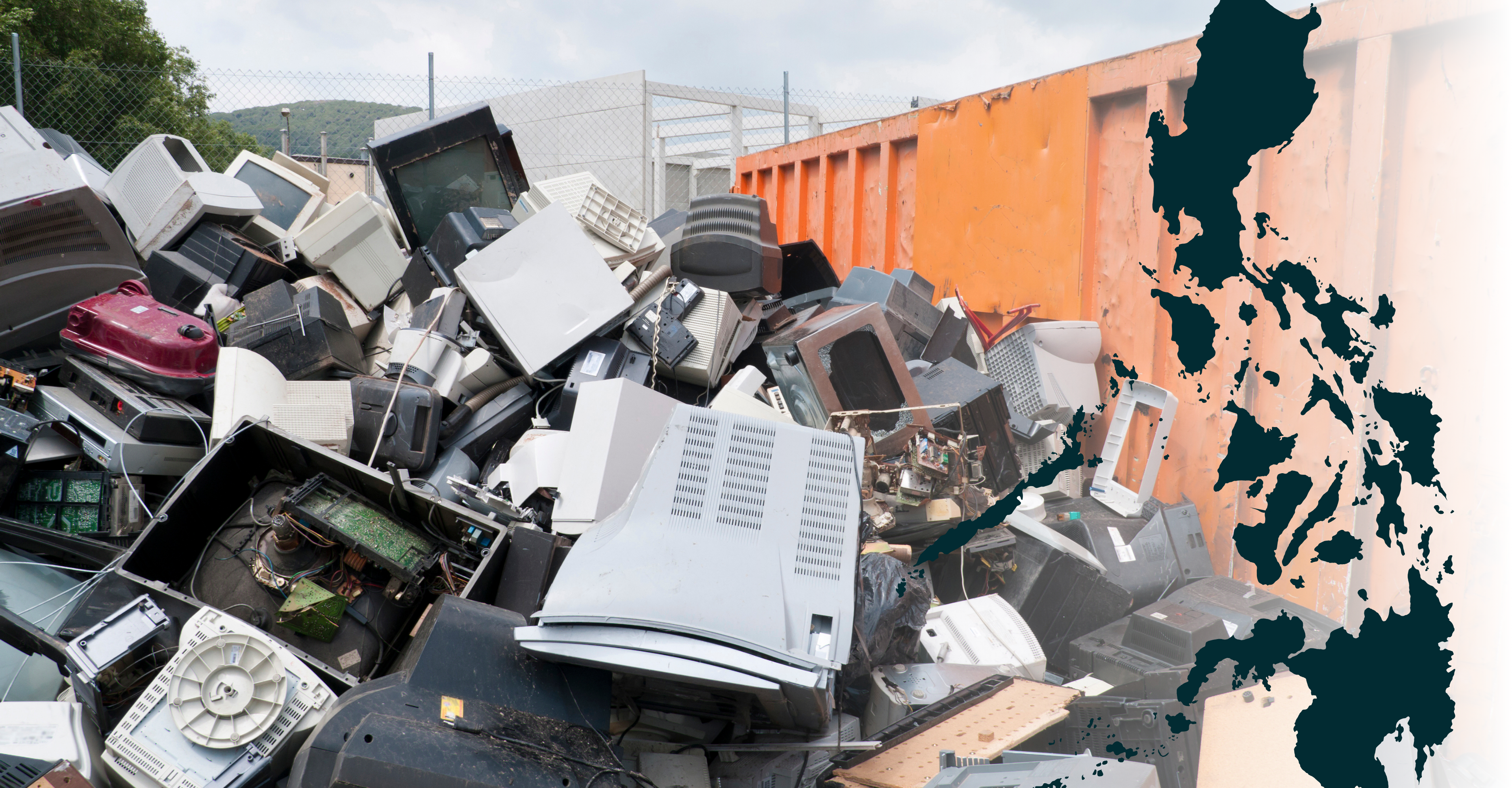
| Philippines’ Growing E-Waste Crisis | The Philippines generates around 540,000 tonnes of e-waste each year, while also receiving e-waste shipments from the Global North. Informal workers handle much of it under unsafe conditions, exposing workers and communities to toxic substances, as cited by BAN Toxics.
The Sustainable Electronics Management in the Philippines project, led by the EcoWaste Coalition, is pushing for repair, reuse, safer collection, and recycling—a step toward a more circular electronics system.
Our gadgets shouldn’t come at the cost of people or the planet.
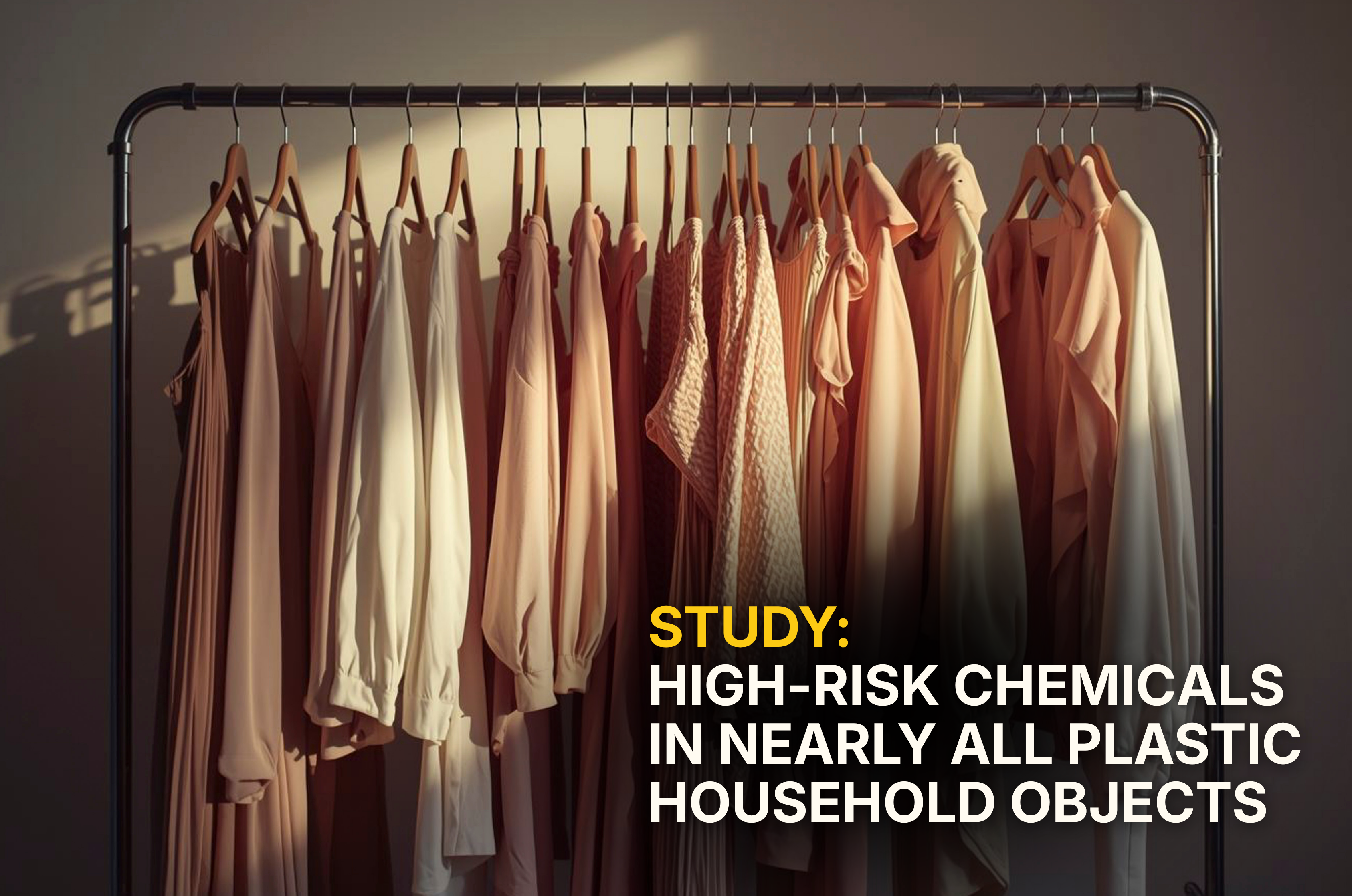
| | | | More Than 90% of Common Household Items Contain Hazardous Plastic Chemicals | A new report by the Environmental Justice Foundation analyzed human exposure to five categories of plastics that people use on a daily basis and found the following results (provided exclusively to CNN, as reported below): “Almost 92% of the chemicals found in food-contact plastics were of high risk to human health Nearly 89% of children’s toys contained high-risk plastics Some 93% of textiles and clothing were made with dangerous chemicals Over 92% of common household products — such as bottled water, kitchenware, tableware, gardening tools, toilet articles and office supplies — contained high risk chemicals Nearly 93% of hygiene and medical plastics also contained dangerous chemicals. Those products include dental floss, tampons and other menstrual products, pill casings, patches, and syringes, to name a few.”
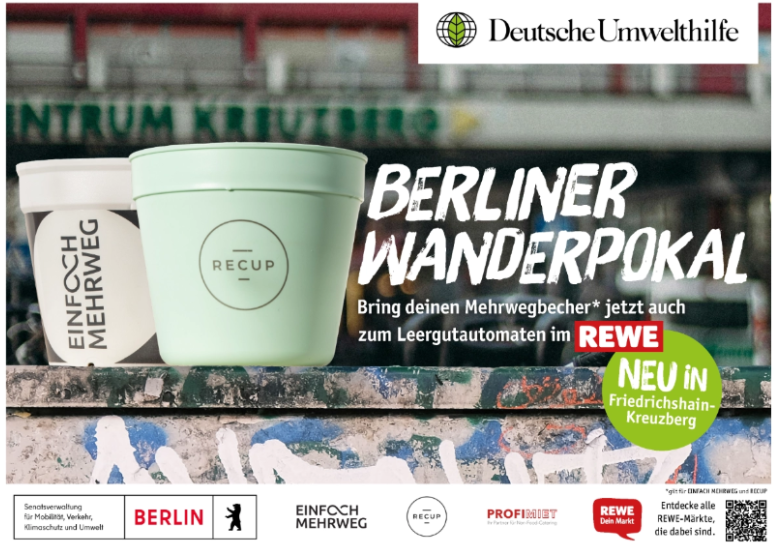
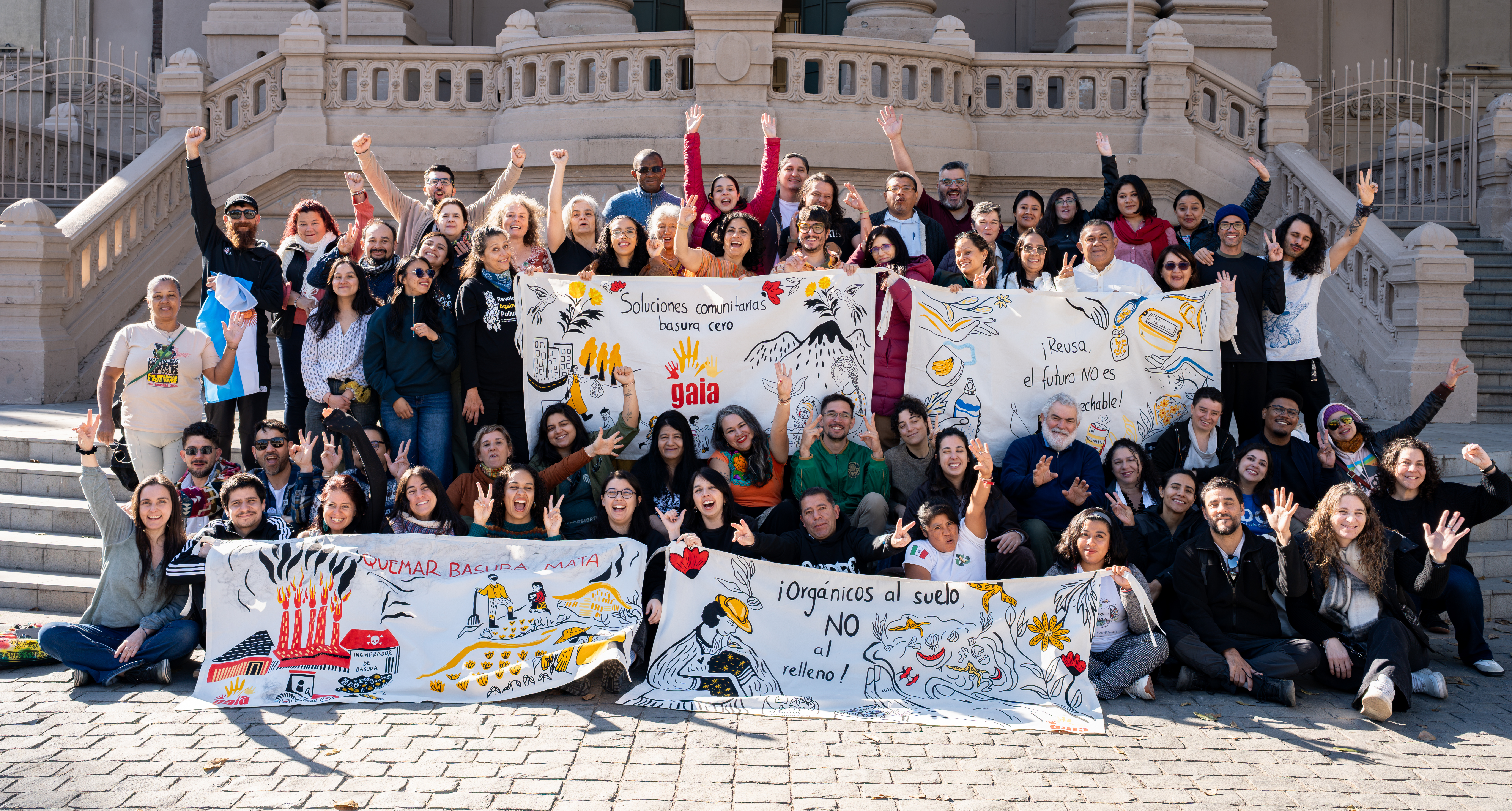
| | | | Shared Infrastructure, Shared Success: Scaling Reuse Systems in Berlin | What happens when cafés, restaurants and reuse providers share the same return system? In Berlin, Germany, a new pilot is putting this idea into practice, making it easier for people to return reusable cups wherever they’ve been used. In a new article, BFFP member Deutsche Umwelthilfe shares what the pilot looks like on the ground and what it could mean for scaling reuse in Germany. | | | | | A Three-Day LAC Regional Meeting to Share and Shape the Future of Our Movement | From September 3 to 5, members of GAIA and BFFP in Latin America gathered In Santiago, Chile, to share experiences, celebrate achievements, and establish strategic priorities to continue strengthening the movement. The meeting brought together 44 organizations from 14 countries in the region.
| | | |
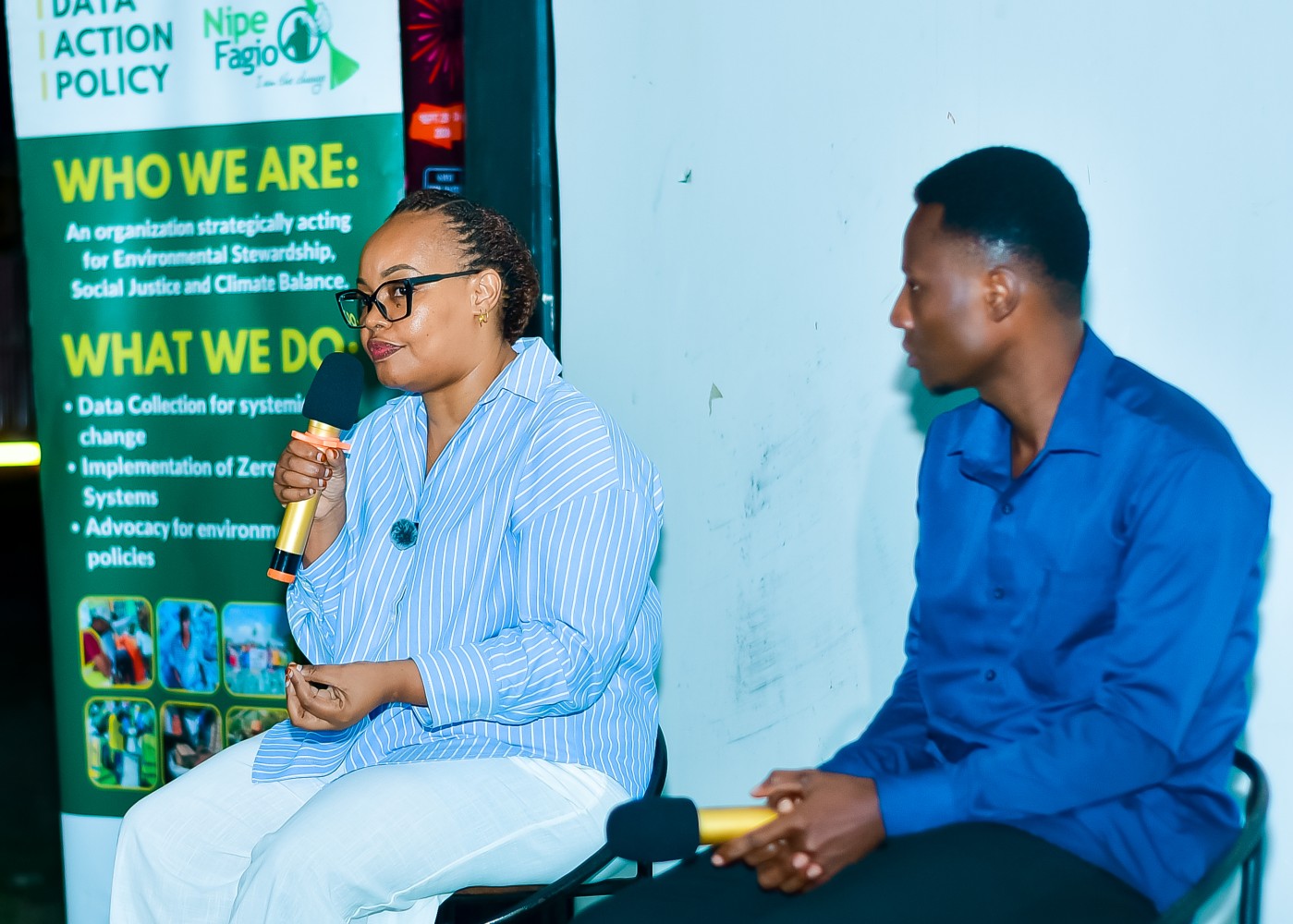
Left: Dr. Lynn Yese Moshi, Obstetrician/ Gynaecologist Right: Tajaeli Alex Masaki, Data Coordinator at Nipe Fagio. Photo credit: Nipe Fagio | Beyond Plastic: Understanding the Link Between Plastic Pollution and Human Health | Break Free From Plastic member, Nipe Fagio, brought together more than 35 participants who convened at the Nafasi Art Space to share knowledge and reflections about plastic pollution and the underlying impacts of plastics on human health.
The convening showcased a mini-exhibition on zero waste, plastic pollution, research and community - led solutions which paved the way for the Plastic Detox screening. The screening was followed by a thought provoking discussion with Tajaeli Masaki and Dr. Lynn Yese Moshi who holistically unpacked what the exposure of plastic means for human health and why the issue of plastics extends beyond climate disparities.
The conclusion to the conversation called for evidence, actionable measures and daily choices which leads citizens towards projecting a zero waste future. The screening was supported by Break Free From Plastic.
| |
|
|