Subject: BFFP Newsletter 🌍📰: AI E-Waste Is 40-60x Worse Than Estimated, New Analysis Finds, the US Plastics Lobby, and more

A recent first-of-its-kind full-infrastructure analysis by Basel Action Network projects that 395 to 617 million tonnes of AI-driven electronic

Latest News and Updates

September 24, 2026


Modern Data Center Server Room. Glass-fronted Server Cabinets Running Artificial Intelligence Workloads in a Data Center. Corridor, 2026. Source: Gorodenkoff

The Coming of the AI Waste Wave: AI E-Waste May Be 40 to 60 Times What Has Been Estimated, New Analysis Finds 

A recent first-of-its-kind full-infrastructure analysis by Basel Action Network projects that 395 to 617 million tonnes of AI-driven electronic equipment could be retired between 2025 and 2050. 


If packed into shipping containers and placed end to end, they would circle the Earth about six times.


Stay tuned for Basel Action Network’s four-part whitepaper series titled The Coming AI Waste Wave. Subsequent releases will examine whether it will be possible to reuse, refurbish and repurpose to reduce its impact (Part 2); the toxicity of this emerging waste stream (Part 3); and finally the policy responses needed to manage this emerging crisis responsibly (Part 4). 


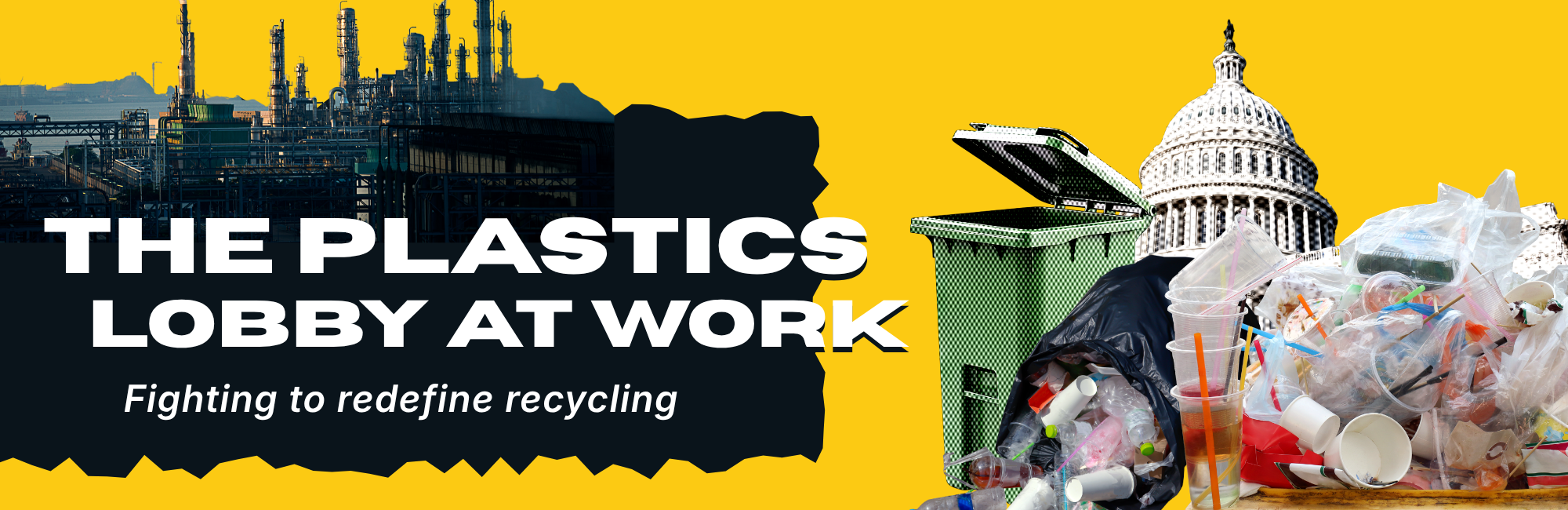
The Plastics Lobby is fighting to redefine recycling instead of addressing the pollution it produces at every step of the supply chain, from fossil fuel extraction and plastics/petrochemicals production to the waste that pollutes our city streets, rivers and oceans, landfills, and (when incinerated) airways.

Two of the Plastics Industry’s latest lobbying campaigns to weaken regulations for greenwashing, transparency, and labeling around recycling in the U.S.

Two investigative reports  in the U.S. reveal how the Plastics Lobby is spending millions of dollars to fight against transparency and accountability:


A deep-dive investigative report by Fieldnotes highlightExxon's role in pushing the Recycled Materials Attribution Act in an attempt to advocate for “mass balance” accounting schemes while weakening federal regulations around so-called  “advanced recycling” (which is just the industry’s buzz word for “burning plastic” with fancy technology).


In a separate-but-similar story, industry documents leaked to The Los Angeles Times reveal how a group advocating for printers, print brokers, and related packaging/labeling businesses lobbied to pause and repeal the State of California’s single-use plastic law, Senate Bill 54, and likewise sued to overturn California’s Truth in Recycling law, Senate Bill 343. A damning email (apparently written by Anthropic’s Claude AI “for internal use only”) said: “The goal is to capitalize on the nationwide outcry surrounding affordability and California’s cost of living topping the U.S.”


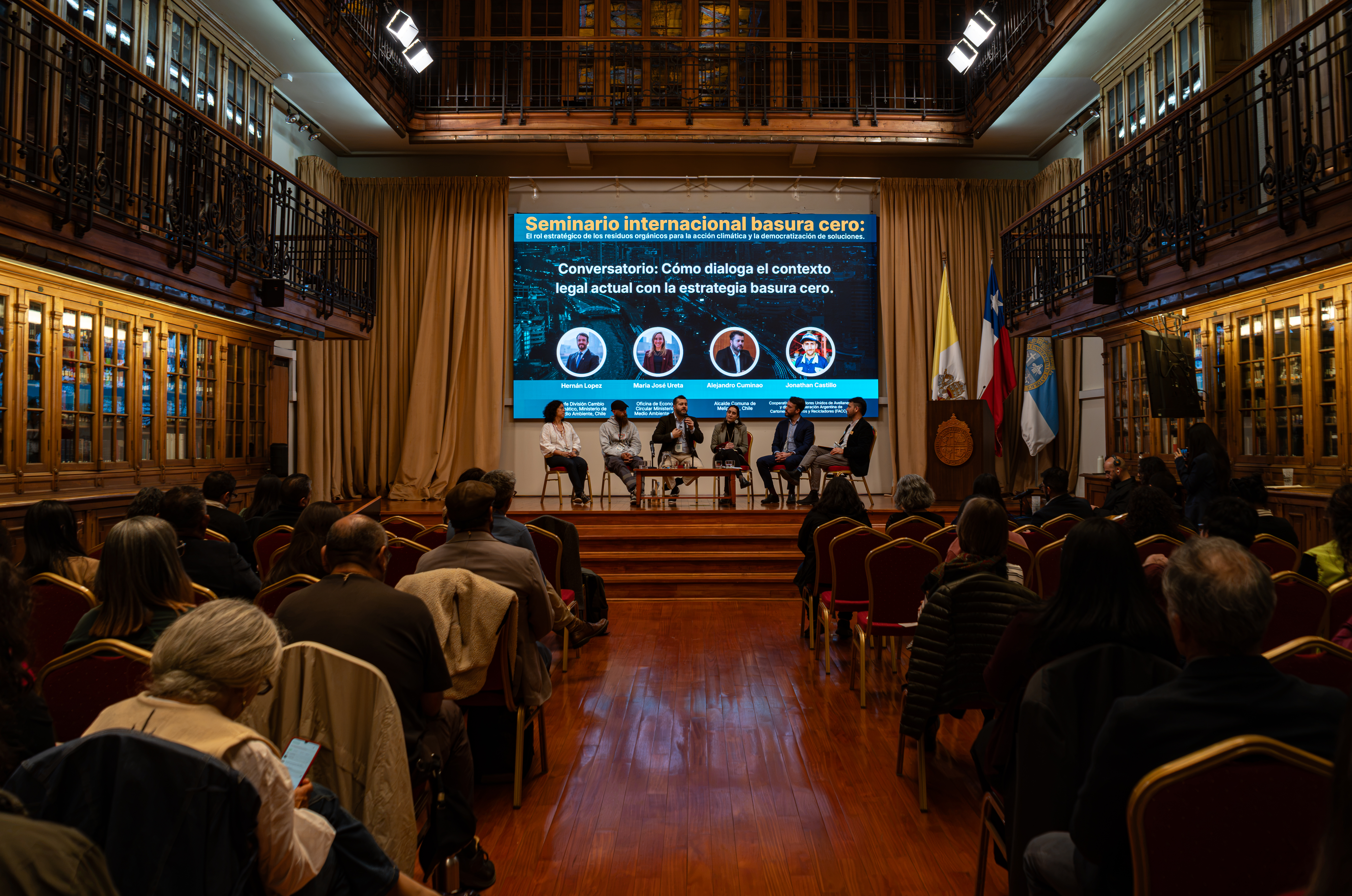
The “International Zero Waste Seminar: The Strategic Role of Organic Waste in Climate Action and the Democratization of Solutions” was organized by GAIA, BFFP and the Zero Waste Chile Alliance. 

Organizations, the Government Sector and Grassroots Waste Pickers Call for Accelerating Waste Management as a Strategy to Address Climate Change

The International Zero Waste Seminar brought together representatives from 26 municipalities and 45 organizations from more than 15 countries in Chile to discuss the potential of organic waste to reduce methane emissions and the transition toward 

zero-waste models.

Connecting Plastic Pollution and Climate Action: BFFP at the Amsterdam Climate March

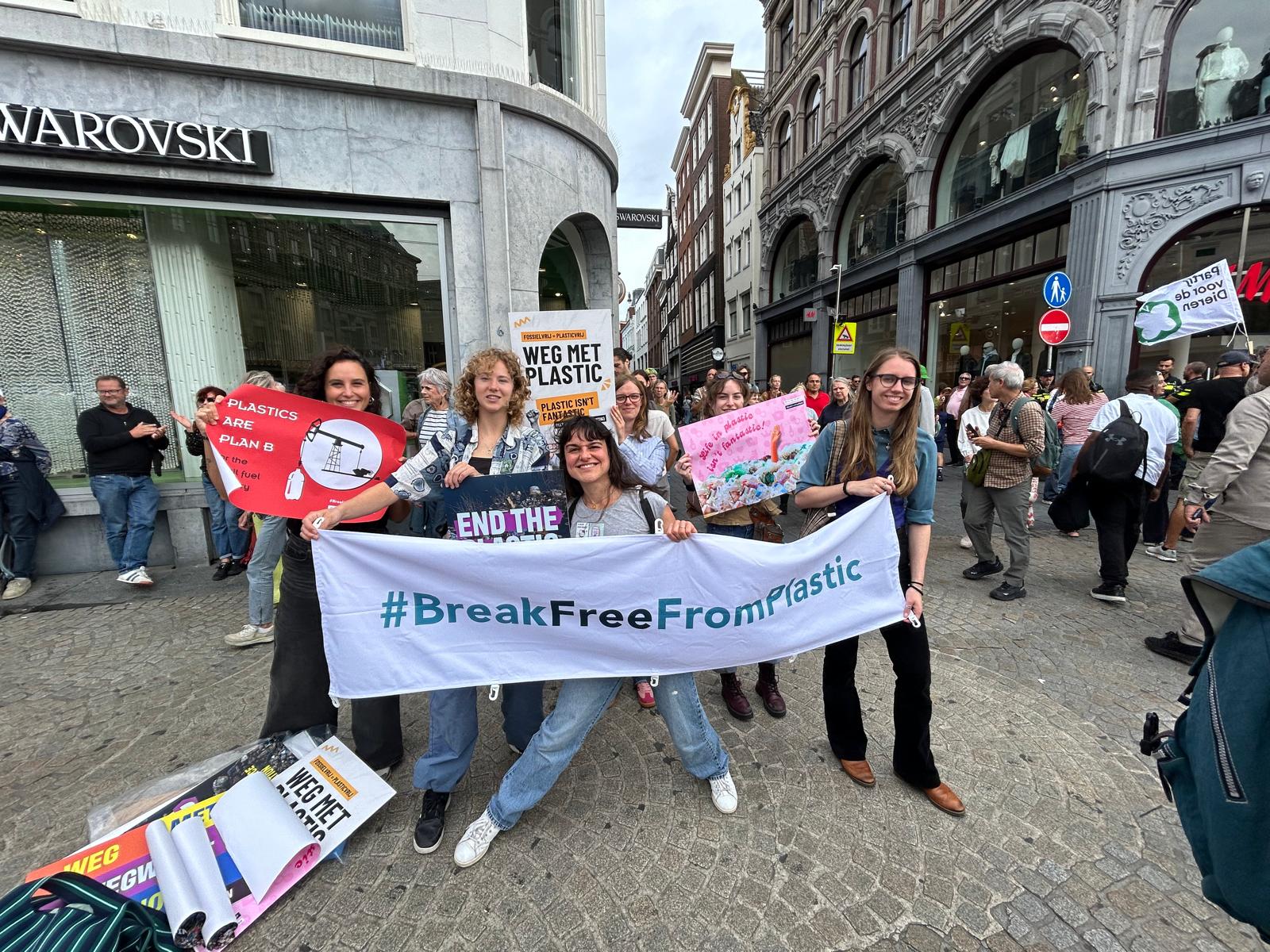
At this year's Amsterdam Climate March, Break Free From Plastic joined forces with members and allies across the Netherlands to spotlight a connection too often left out of the climate conversation: plastic pollution as a climate issue. 


From the moment fossil fuels are extracted from the ground, through the energy-intensive process of plastic production, to the waste that lingers in landfills and oceans for centuries, the plastics lifecycle is a major driver of greenhouse gas emissions and environmental harm. 


Members carried banners and signs calling out the petrochemical industry's role in accelerating climate change, demanding that policymakers treat plastic reduction as a core climate strategy rather than an afterthought. Their message was clear: we cannot solve the climate crisis while continuing to expand fossil fuel-based plastic production.


Digital Media Hub: Resources Exclusively Available for BFFP Members

The Digital Media Hub is a one-stop space for digital campaign resources. Inside, you’ll find social media templates, graphics, and the BFFP style guide.

This page is password-protected and exclusive to BFFP members only. Use hJ8*yDe as the password. Please do not share the link or password with anyone outside the movement. Access it here.

Have stories to share?

Tag us on social media!