Subject: BFFP Newsletter 🌍 📰 : Toxic Finance - a new report and other stories!

Banks poured $133 billion into the U.S. petrochemical expansion between 2019 and 2025, according to the new report Toxic Finance.

Latest News and Updates

April 9, 2026

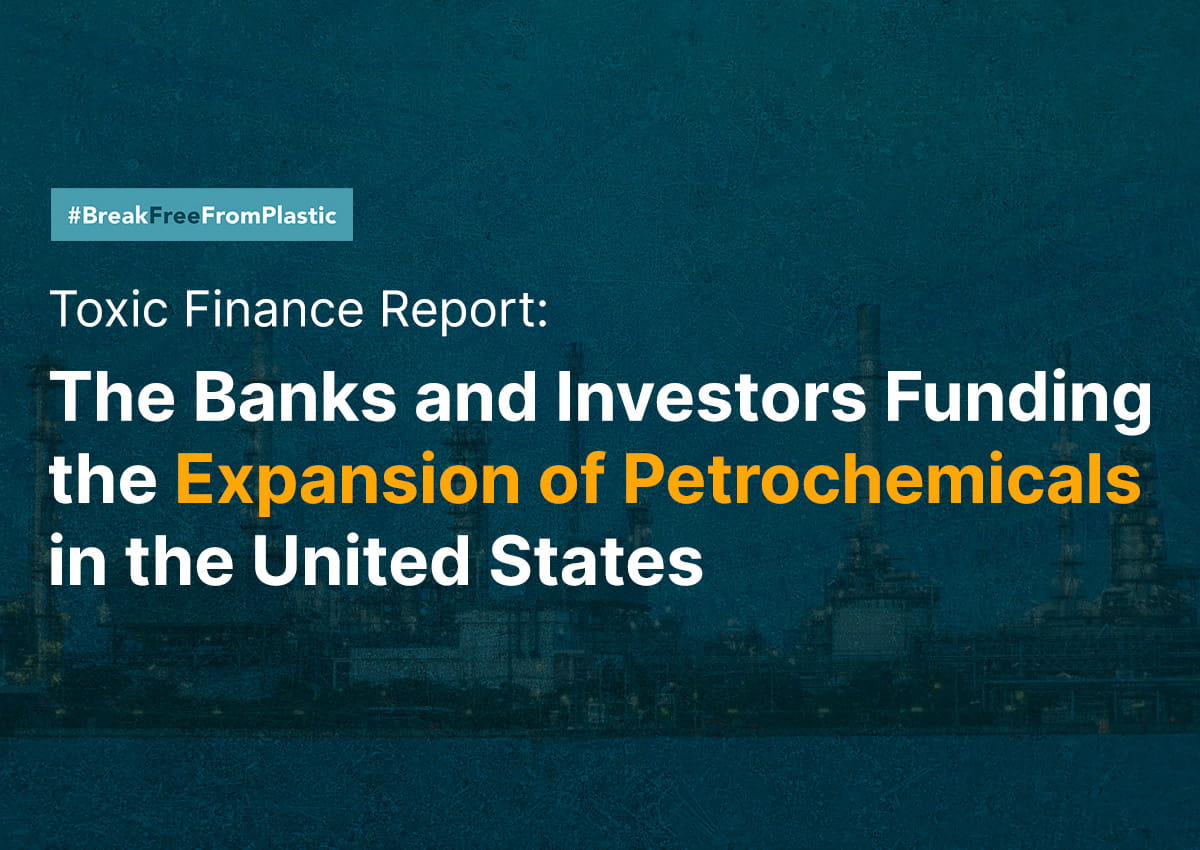
“Toxic Finance” Report Spotlights the Banks & Investors Funding the Petrochemical Expansion in the U.S.

Banks poured $133 billion into the U.S. petrochemical expansion between 2019 and 2025, according to the new report Toxic Finance: The Banks and Investors Funding the Expansion of Petrochemicals in the United States.


The data reveals that only five companies – Dow, Lyondell Basell, INEOS, Oxy, and Air Products – received the majority (58%) of U.S. petrochemical financing. It also shows how institutional investors had more than $1.6 trillion invested in the petrochemical sector during this period.


The report and searchable database were co-developed by Break Free From Plastic, the Center for International Environmental Law (CIEL), Friends of the Earth US, Gulf South Fossil Finance Hub, the People Over Petro Coalition (POPCO) and Texas Campaign for the Environment.


Help spread the word, then take action below!

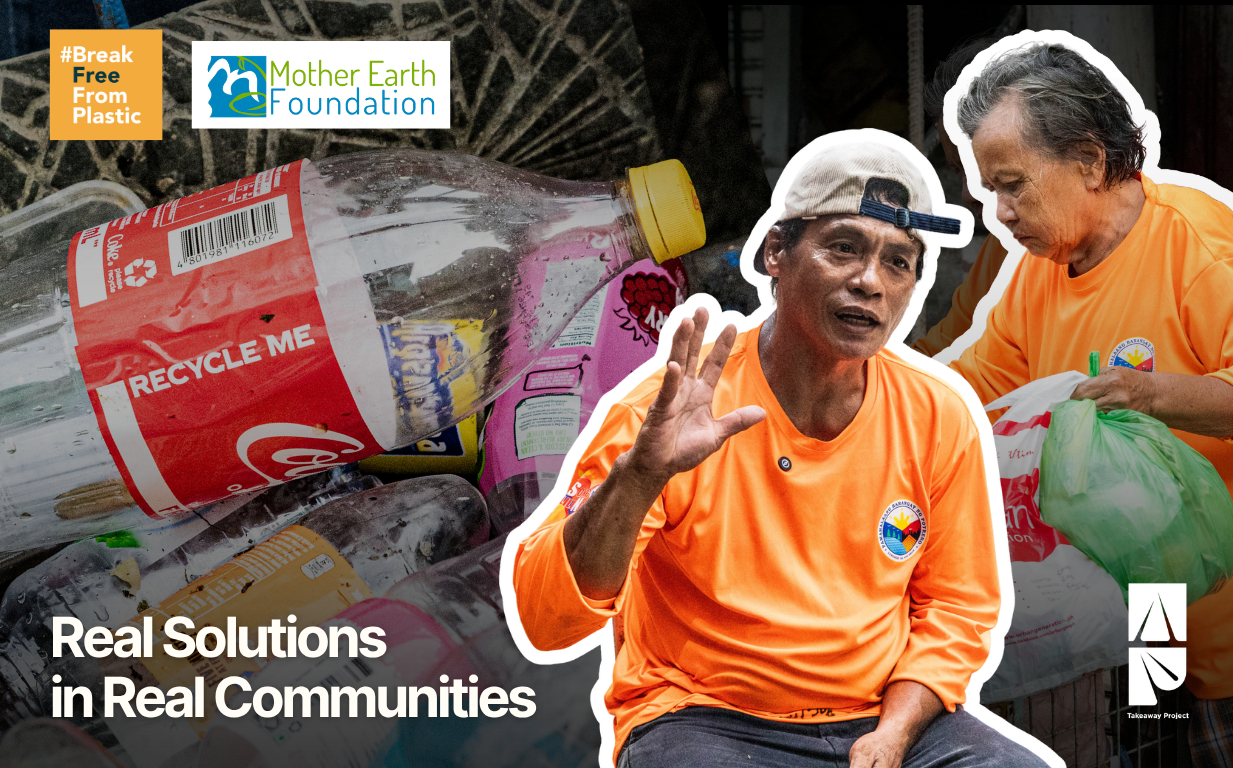
Real Solutions in Real Communities: How Barangay Potrero Breaks Free From Plastic

We all know the plastic pollution crisis is an urgent problem, but what does it actually look like to break free from plastic? This community shows us how it’s done through real, scalable efforts that make a lasting impact towards building a future free from plastic pollution.


For decades, Potrero, the largest barangay (town) in Malabon City in the northern part of Metro Manila, Philippines, lived with the harsh consequences of plastic pollution. This led the community to participate in Tingi Tindahan, an ecological waste management initiative designed to cut down landfill-bound waste in grassroots areas across the Philippines.

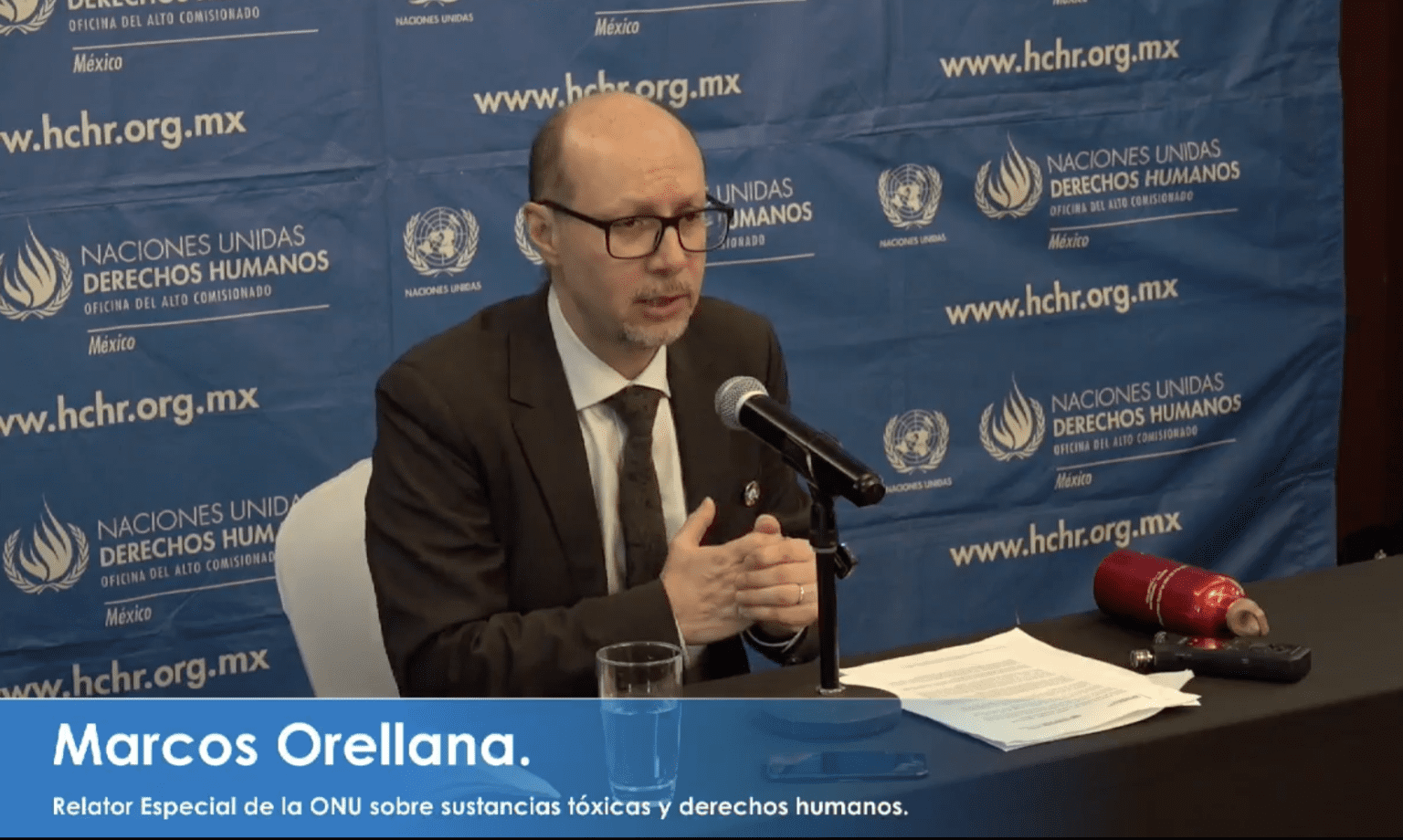
UN Rapporteur Warns That Mexico’s Circular Economy Law Does Not Ban Single-Use Plastics

The United Nations Special Rapporteur on toxic substances and human rights, Marcos A. Orellana, issued a public statement expressing concern that the constitutional injunction—filed and won by civil society organizations seeking a ban on single-use plastics in Mexico—is being treated as fulfilled with the enactment of the General Law on the Circular Economy (LGEC).


This statement is particularly significant because a court ruling sought by the organizations Greenpeace Mexico, El Poder del Consumidor, and Acción Ecológica, alongside Fronteras Comunes, No Es Basura, and Asociación Ecológica Santo Tomás, recognized the State’s obligation to adopt effective measures to address the impacts of single-use plastics, including the possibility of banning them to guarantee the human rights to a healthy environment and to health.

Photo Credit: Greenpeace Africa E-Waste Exhibition

Landmark E-waste Policy Brief Exposes Toxic Dumping in Kenya and Ghana

Greenpeace reveals with their landmark policy brief and factsheet that waste-pickers are paying a heavy price for an escalating e-waste crisis in Kenya. Exposure to toxic chemicals released during unsafe handling of electronic waste, including open burning, acid leaching, and manual disassembly, has left 61% of waste pickers in Nairobi’s Korogocho settlement reporting health problems, with nearly half suffering respiratory illness, and more than a third reporting skin infections.


The organization warned that toxic electronic waste, often disguised as donations or recycling, is putting lives, livelihoods, and ecosystems at risk.

Diane and her cat reconnecting at home after her 30-day hunger strike.

Diane Wilson Ends Hunger Strike as Campaign & Lawsuit against Dow Move Forward

After 30 days, #BreakFreeFromPlastic changemaker Diane Wilson ended her hunger strike and 24/7 encampment outside of the Dow plastics plant in Seadrift, Texas, U.S.


A few days earlier, both Diane and her colleague Dan LĂŞ with San Antonio Bay Estuarine Waterkeeper (SABEW) had been arrested while trying to hand-deliver and call attention to the letter they had sent to Dow CEO Jim Fitterling, which outlines Diane’s demands for Dow’s Seadrift facility:

  1. Commit to zero discharge of plastic

  2. Cancel all plans to build nuclear reactors

In response to more than 200 requests for a public meeting, the Texas Commission on Environmental Quality (TCEQ) has finally confirmed that they will schedule a public meeting regarding Dow’s application for a water discharge permit.


Additionally, fellow BFFP Member Earthjustice is now representing Diane in a Texas state legal case against Dow for its illegal discharge of microplastics.

Calling associate member organizations and small businesses!

As we celebrate our 10th year as a movement, we’re rethinking how we can work together better to achieve our vision of a plastic pollution-free future. If you signed up on the BFFP website as an associate member organization or as a small to medium-sized business, we’d like to hear from you! Please respond to one of the surveys below according to your classification. It should take only 15-20 minutes.

Have stories to share?

Tag us on social media!