Subject: BFFP Newsletter 🌍 📰 : 18+ days of Diane Wilson’s hunger strike, new “Plastic Detox” documentary, and more!

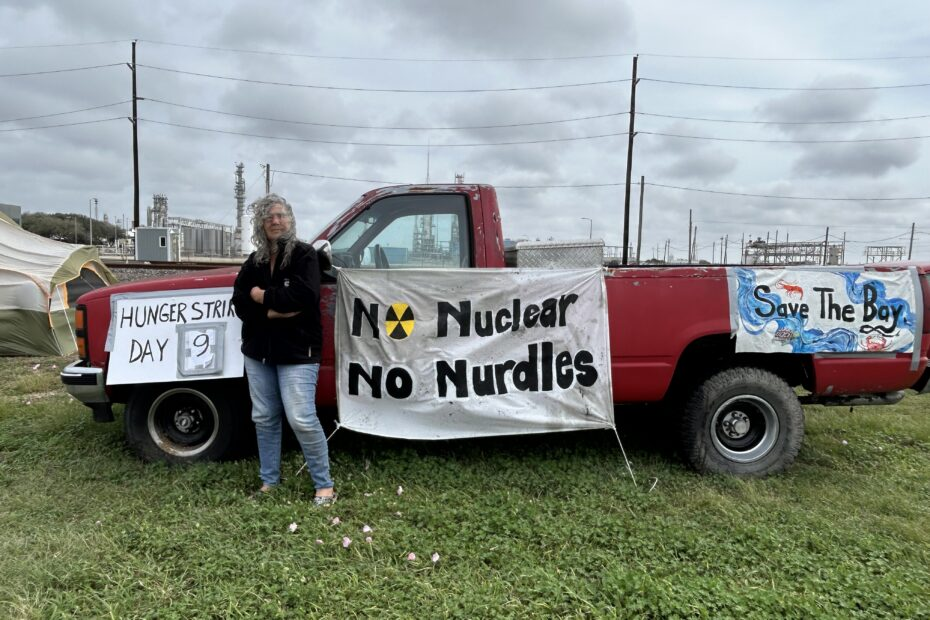
Diane Wilson has now been on a hunger strike and 24/7 encampment on the public property outside of Dow’s plastic production complex in Seadrift, Texas

Latest News and Updates

March 19, 2026

18+ Days of Diane Wilson’s Hunger Strike at the Dow Plastics Facility in Seadrift, Texas, U.S.

Diane Wilson has now been on a hunger strike and 24/7 encampment on the public property outside of Dow’s plastic production complex in Seadrift, Texas, for 18 and counting …


Diane started the hunger strike after Dow asked the State of Texas to legalize plastic pollution from the Seadrift facility. She has two clear demands:

  1. Dow must rescind the pending application and replace it with a new one that has zero discharge of plastics, and

  2. Dow must cancel all plans to build nuclear reactors at the Seadrift site


What can you do to help?

If you have permission to sign on behalf of your organization, please sign the demand letter to Dow CEO Jim Fitterling in support of Diane’s two demands.


If you’re an individual, follow @sanantoniobaywaterkeeper for the latest updates and to get more involved!

(Orgs only)

New Documentary Spotlights the Impacts of Plastics on Human Health and Fertility

Regulating plastic products alone is not enough to mitigate the impacts of plastics on human health and the environment. Chemicals embedded throughout the lifecycle of plastics must be addressed with a precautionary approach.


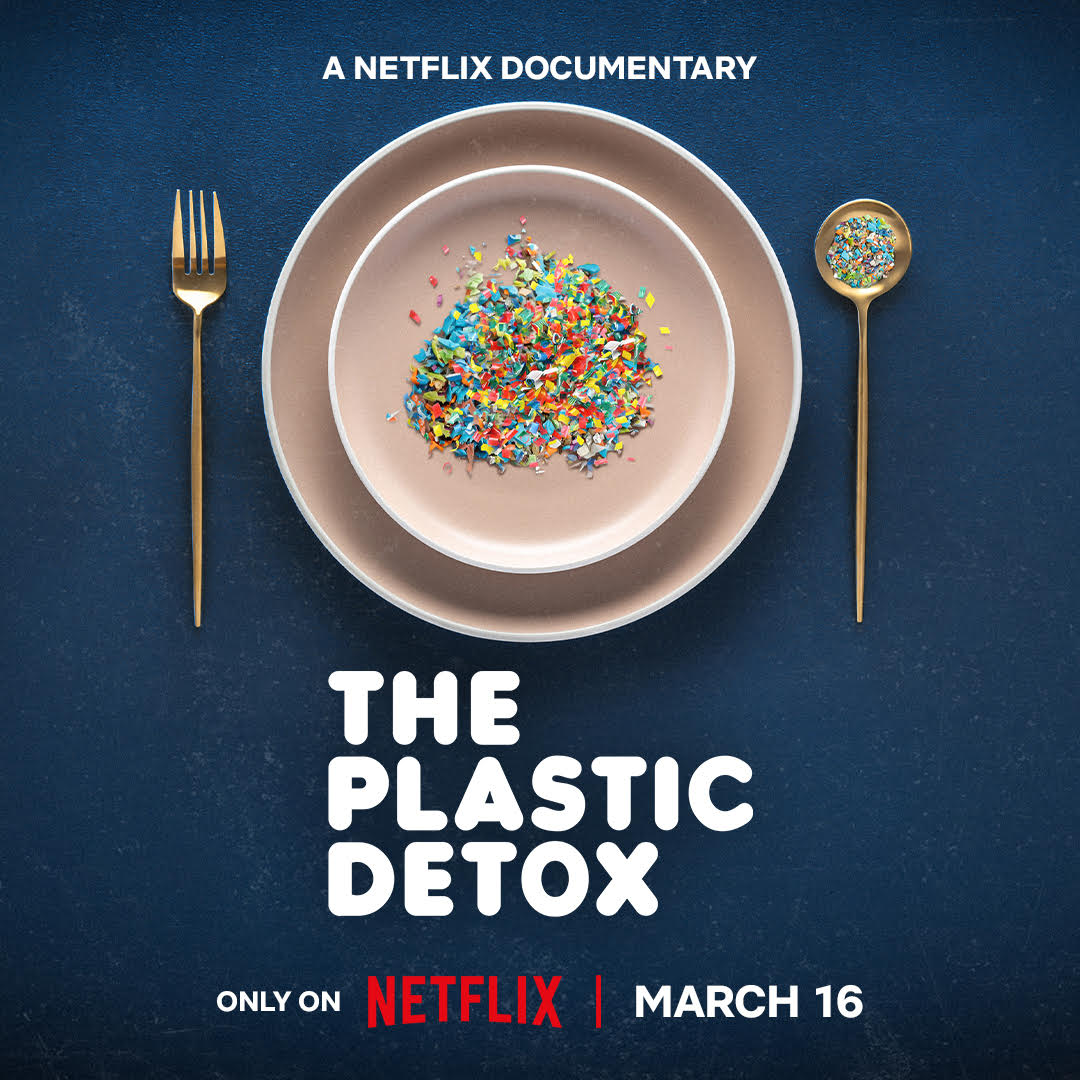
“Plastic Detox”, a new documentary featuring research from Dr. Shanna Swan, follows six couples in the United States as they take on the challenge of reducing plastic exposure in their homes with the hope to improve fertility and chances of pregnancy.

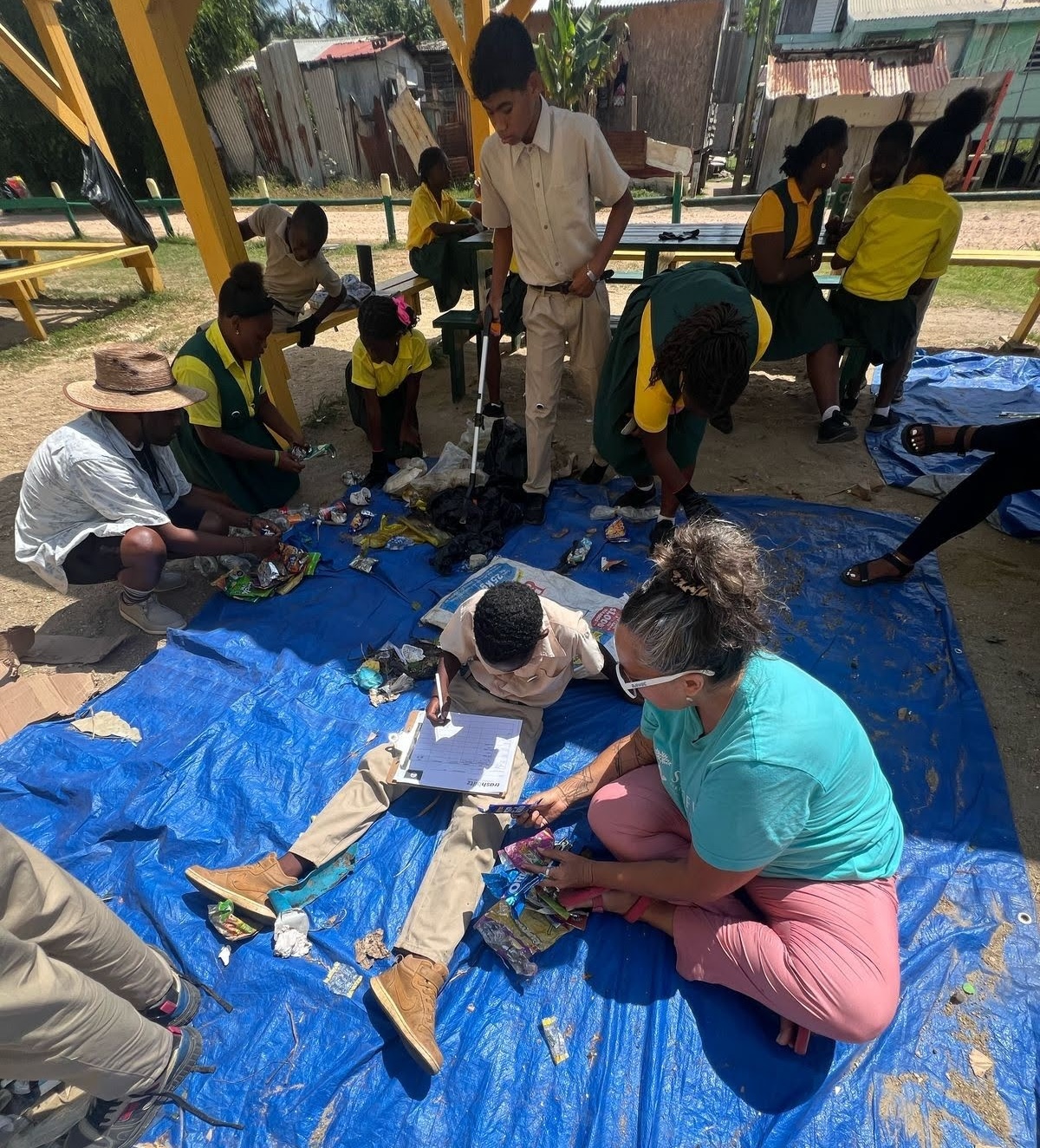
Waste collection and analysis to generate data and provide information on the waste situation in Belize.

Sea of Life Announces the Release of Its 2025 Audit Report on Trashblitz in Belize

Sea of Life from Belize was established with the goal of promoting community-centered conservation in the Caribbean, working hand in hand with local communities to protect the oceans and keep waterways, wildlife, and people healthy. Its flagship initiative, “More Pride, Less Plastic,” includes a citizen science initiative through TrashBlitz, which enables nationwide tracking of plastic pollution.


Since its launch in 2024 in Belize, TrashBlitz has brought together educators, students, and ocean advocates to collect and analyze waste, contributing to open data that informs the country’s waste situation and fosters a culture of environmental responsibility. Each TrashBlitz brings Belize closer to its shared goal of keeping plastic pollution out of its natural spaces and communities.

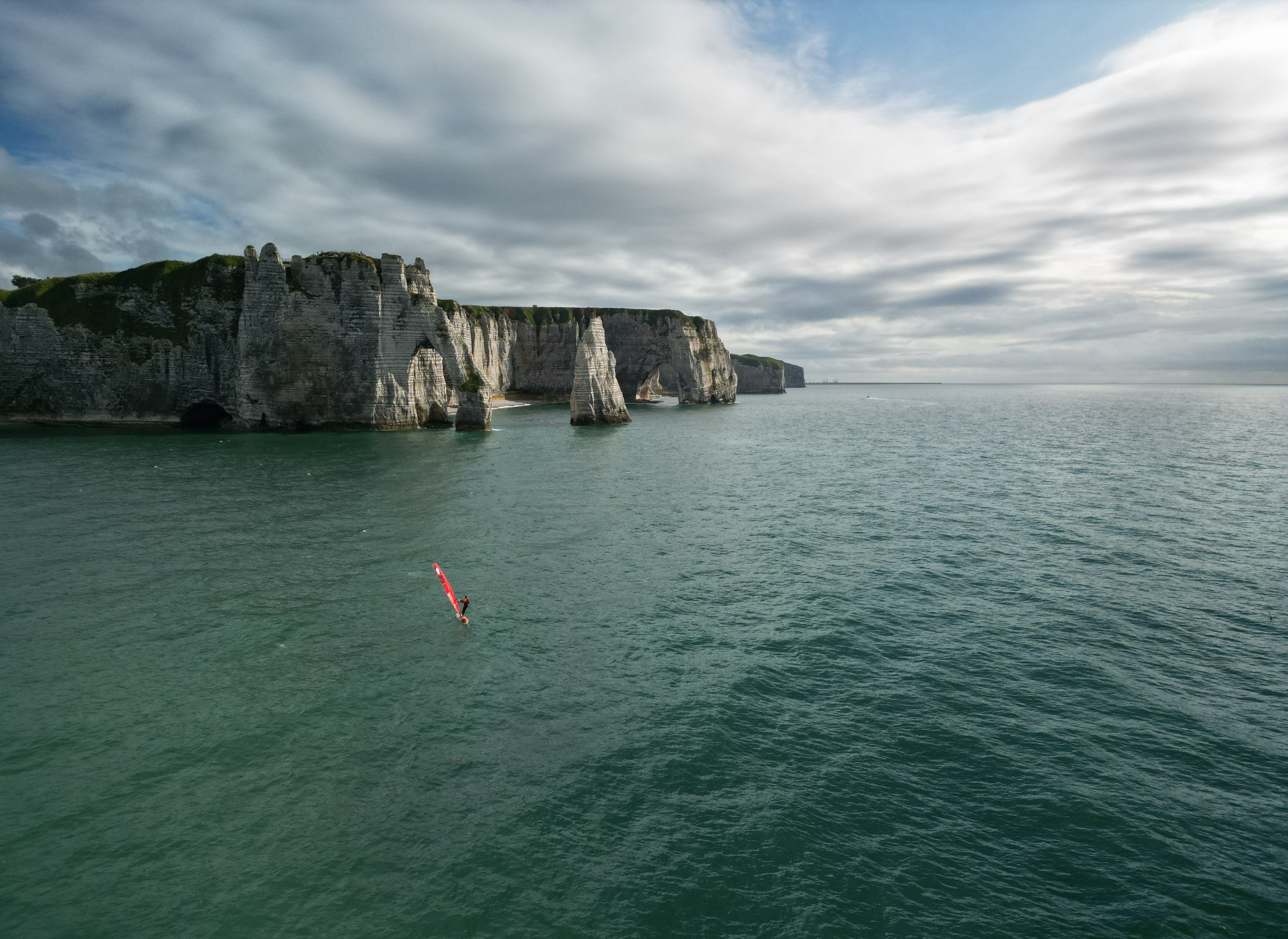
Photo credit Eelke Dekker, 2024

From Nice to Rome: Plastic Soup Surfer’s 750km Journey for Deposit Return

For over a decade, #BreakFreeFromPlastic member Plastic Soup Surfer has campaigned to highlight plastic pollution and champion policy solutions, particularly deposit return systems. His latest expedition takes that mission to Italy.


From 28 April to 22 May Merijn Tinga embarks on a 750km solo windsurf journey from Nice to Rome along the Italian coastline. The journey concludes on 21 May with a brief meeting with Pope Leo XIV in Rome. Running alongside the expedition is Rifiuti in Vista, a citizen-science project that invites the public to photograph litter on Italy's beaches and waterways. The resulting data will be used to brief journalists and policymakers on the need for a national deposit return system in Italy, filling a critical gap where evidence has been scarce.


Want to contribute? Download the instructions and start collecting data at plasticsoupsurfer.org.

Photo credits: Basel Action Network, 2016

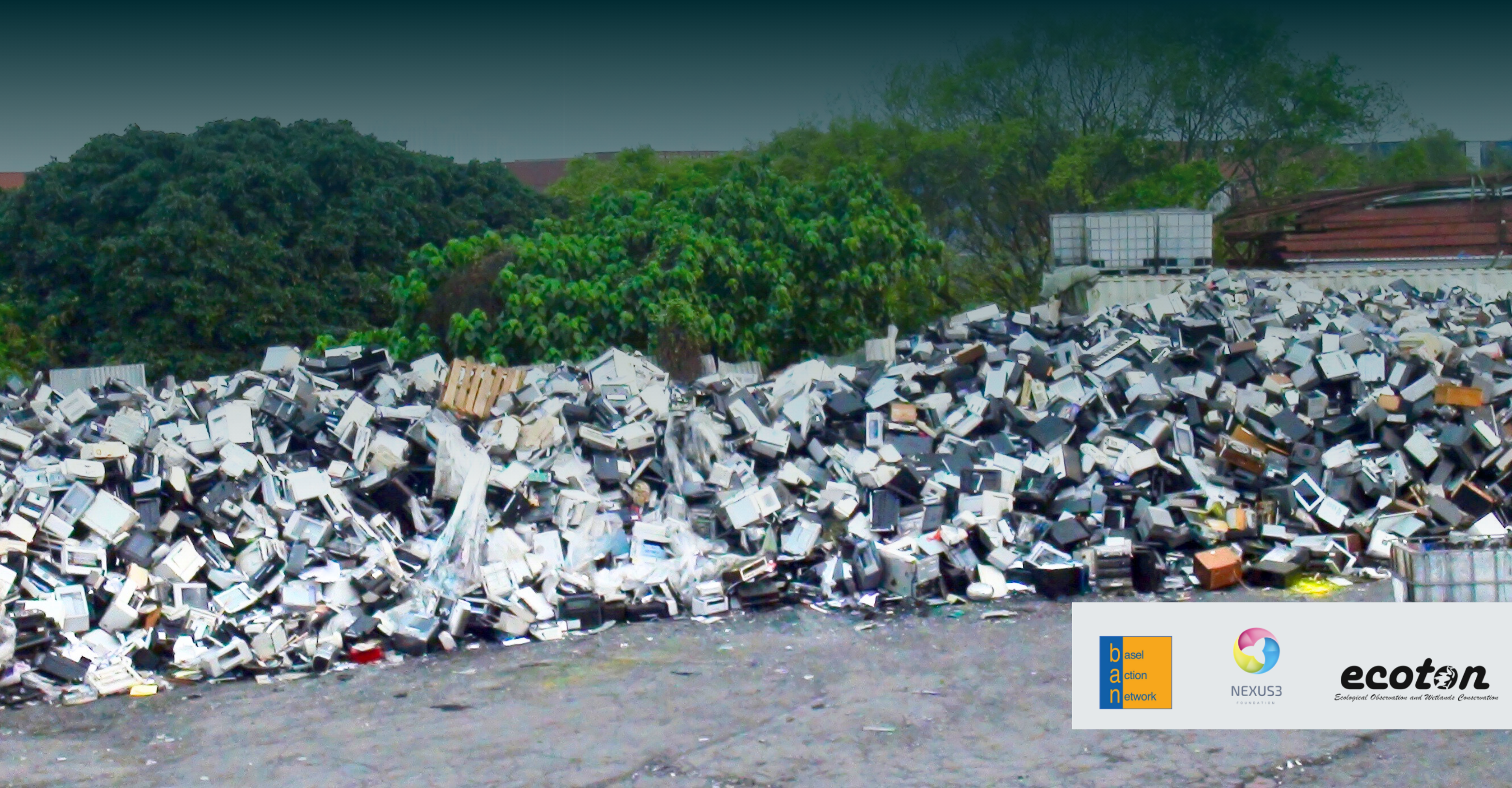
Not Our Waste: Advocates Urge Indonesia to Return 914 E-Waste Containers to Countries of Origin

BFFP member organisations, Basel Action Network, Nexus3 Foundation, and ECOTON, urge the Indonesian government to take decisive action against illegal toxic trade following the seizure of 914 containers of suspected electronic waste at Batam port.


The containers are believed to be part of a wider stream of falsely declared waste shipments, often labeled as recyclable materials but containing hazardous e-waste. Environmental advocates warn that allowing such waste to remain or be resold would expose communities to toxic pollution and undermine international law.


In an open letter to President Subianto, the organisations demand that countries in the Global South take a firm stance by refusing to accept, process, or resell illegal toxic waste shipments. By holding those responsible accountable, developing economies can avoid becoming dumping grounds for the world’s toxic waste.

Have stories to share?

Tag us on social media!