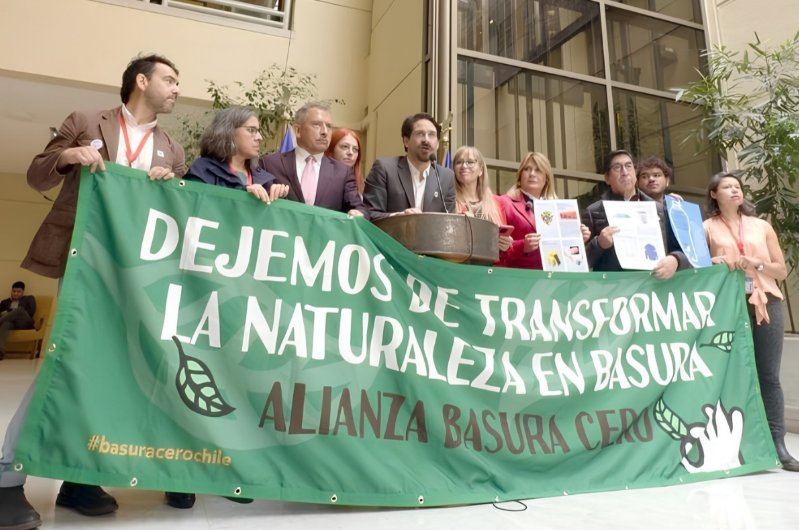
| “Bye Toxics in Plastics” Bill Introduced in the Chilean Congress to Begin the Legislative Process | The Zero Waste Caucus introduced a bill that seeks to regulate chemicals of concern found in plastic products that are manufactured, imported, and sold in Chile.
The initiative proposes restricting substances such as PFAS, phthalates, bisphenols, heavy metals, and certain flame retardants, in addition to banning intentionally added microplastics.
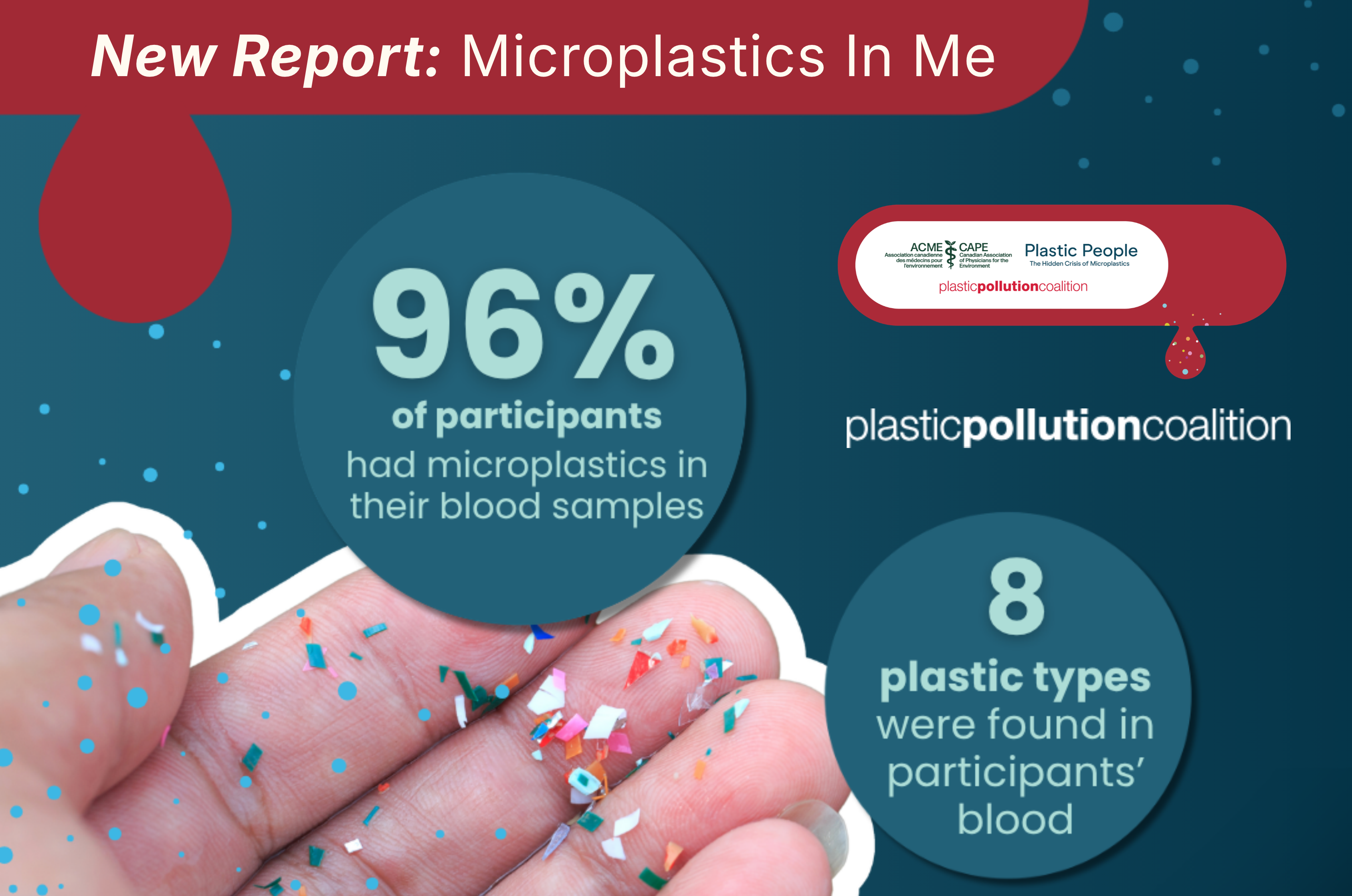
It also stipulates that manufacturers and importers must disclose which substances their products contain, ensuring people’s right to know what is in the plastics they use every day. | | | | | New Report Finds Microplastics in the Blood of 28 Well-Known Individuals | 28 well-known individuals from the U.S. and Canada were tested for microplastics in their blood, and 96% (27 out of 28) tested positive!
The new report outlines the eight types of plastic found in the participants’ blood, as well as possible sources of those plastics in common food packaging, toys, electronic items, tire dust, etc.
“Surprise! There are ‘microplastics in me,’ and there are probably microplastics in you, too,” says Dianna Cohen, Co-Founder of Plastic Pollution Coalition, who tested positive for both Polyethylene and Styrene-butadiene rubber. “Given the extent to which plastic pollutes our environment, food, air, and water, these results are not unexpected, but are still shocking and unacceptable.”
The participants represent a cross-section of arts, entertainment, media, advocacy, and politics, including: Margaret Atwood (author/poet), Jackson Browne (musician/songwriter), Ed Begley Jr. (actor), Antonique Smith (actor), and Sylvia Earle (oceanographer), along with our colleagues, Frankie Orona (Society of Native Nations) and Jess Conard (Rail Watch).
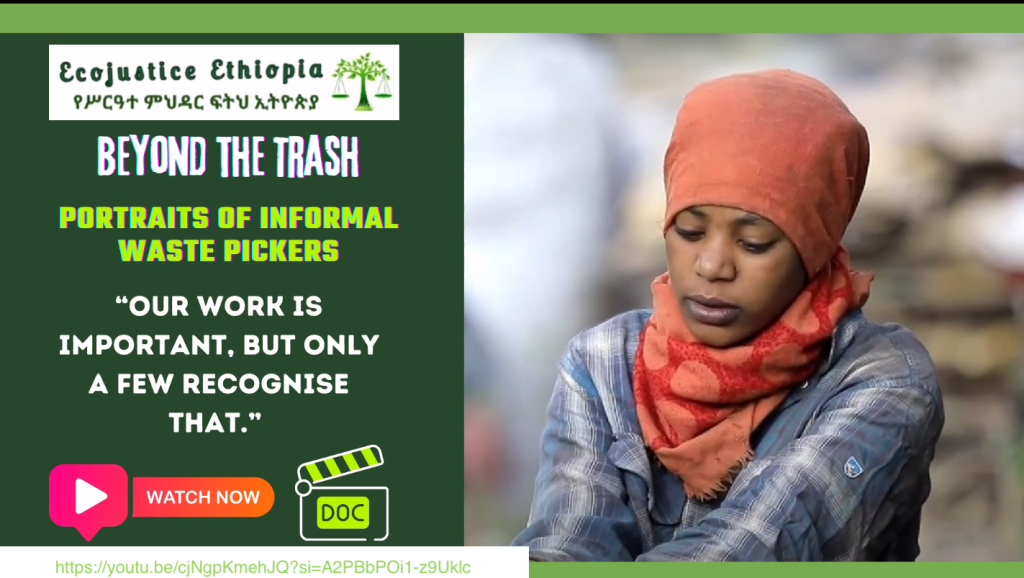
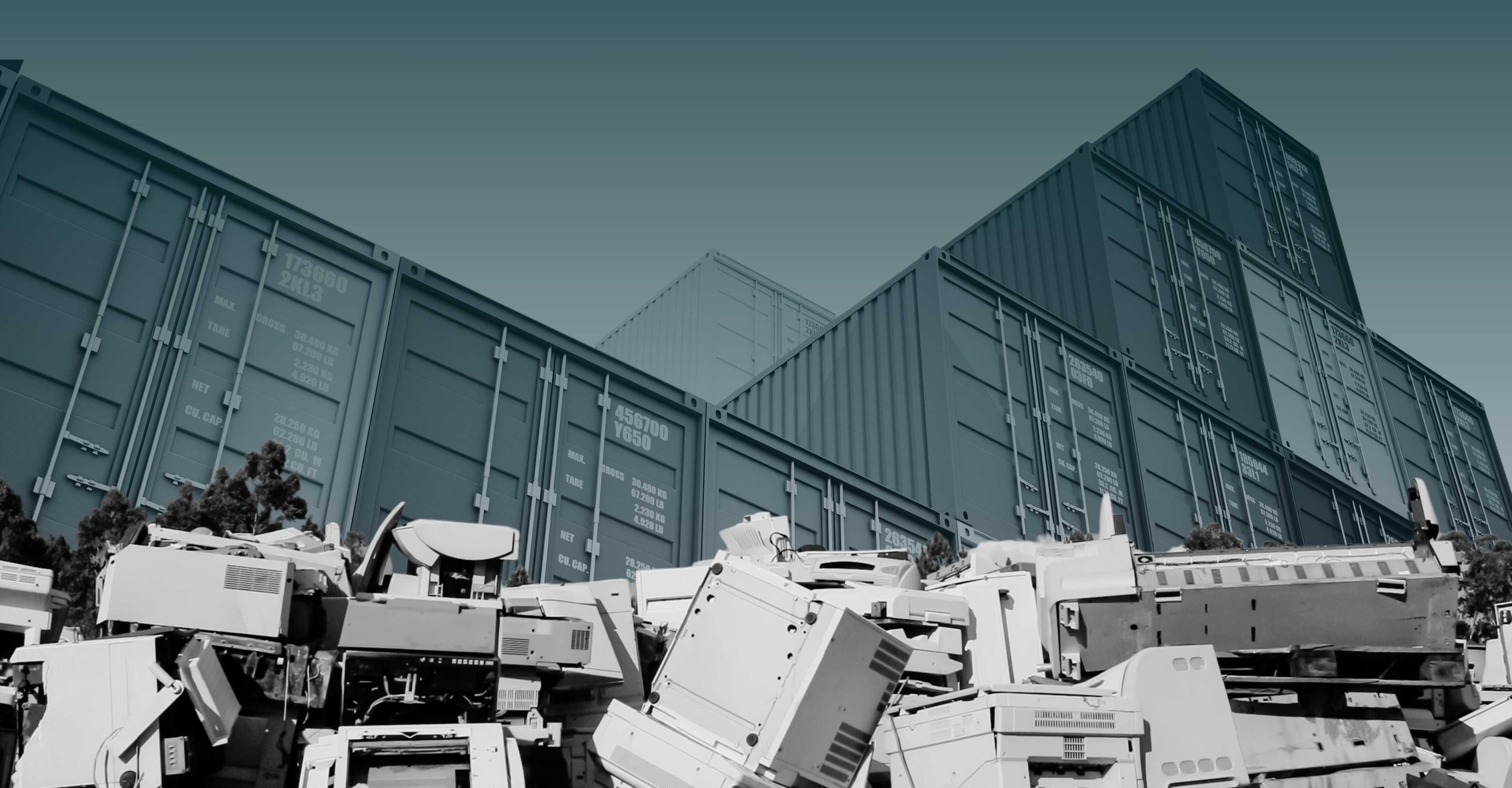
| | | | Photo credit: Ecojustice Ethiopia | From Waste to Justice: African Grassroots Leadership in Business and Human Rights in Ethiopia | In Ethiopia, waste governance offers a compelling lens through which to examine these gaps. Informal waste workers, youth activists, and community coalitions are leading efforts to promote environmental justice and corporate accountability. Their work is not peripheral to business and human rights, it is foundational. It challenges dominant narratives and introduces alternative models rooted in participation, dignity, and local knowledge, as explained in the GAIA, Working with Waste Pickers Guide. | | | | Southeast Asia Grapples with Cross-Border E-Waste Concerns | Malaysia is stepping up efforts to tackle illegal e-waste, having re-exported 436 containers to their countries of origin and planning to return hundreds more by the end of 2026.
Meanwhile, in Thailand’s Rayong province, residents are calling for an urgent investigation into a warehouse handling suspected electronic and industrial waste, raising concerns over airborne dust, public health, workplace safety, and the legality of imported materials.
These developments underscore the urgent need for stronger enforcement of transboundary waste regulations, greater corporate accountability, and safeguards to ensure that Southeast Asian communities are not left bearing the environmental and health costs of the world’s discarded electronics.
| | |
|
|