Subject: BFFP Newsletter 🌍 📰 : New Documentary, New Single-Use Plastic Law, and More Wins to Celebrate!

This eye-opening documentary explains what microplastics and their chemicals are doing to our health and how we can take matters into our own hands.

Latest News and Updates

February 19, 2026

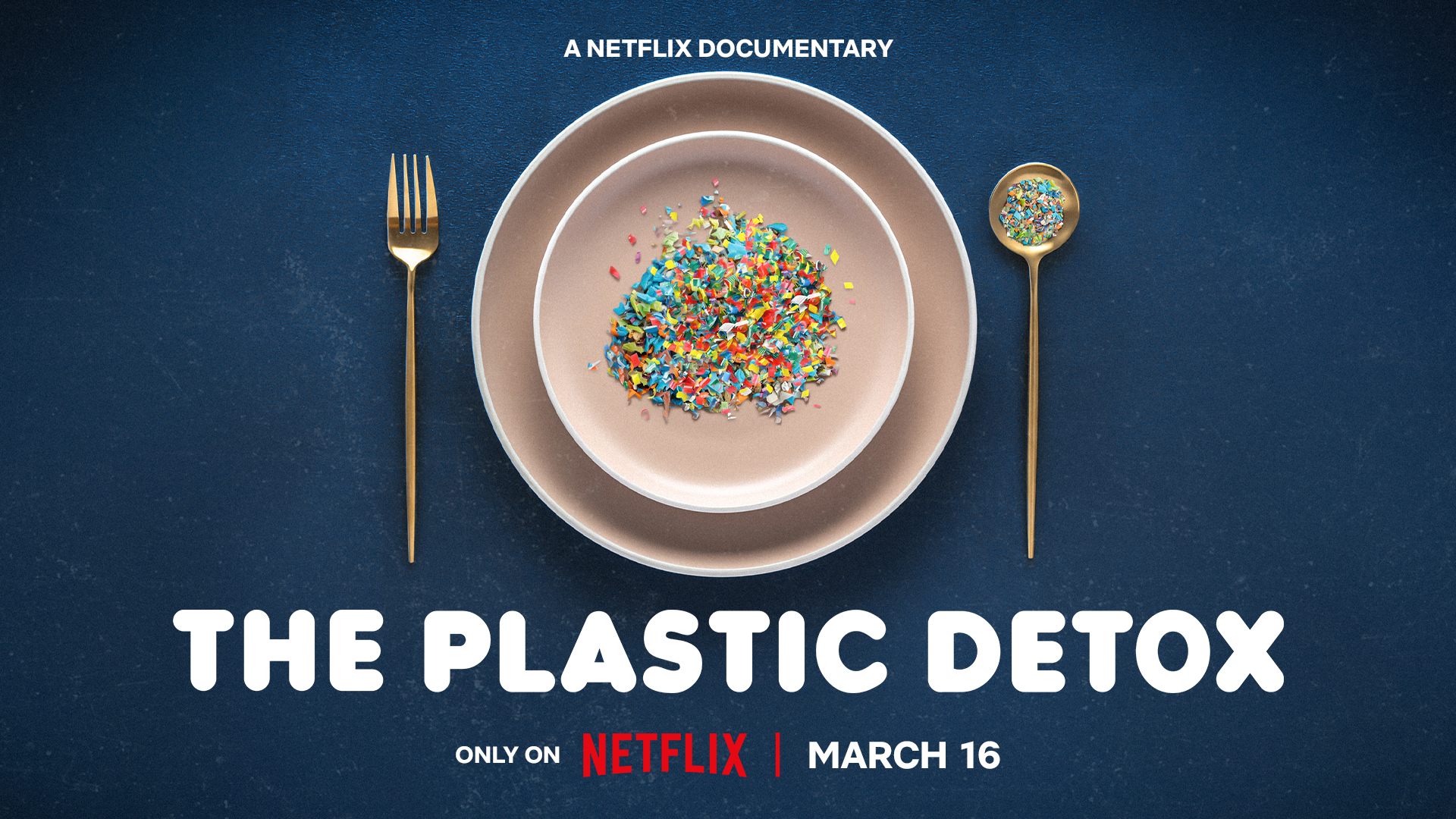
📽️ New Documentary "The Plastic Detox" - Streaming on Netflix Starting March 16!

When six couples embark on a plastic detox within their homes, it changes their families forever. This eye-opening documentary explains what microplastics and their chemicals are doing to our health and how we can take matters into our own hands.


The Plastic Detox is an eye-opening journey into the hidden dangers of plastic in our homes.


From hormone disruption that’s fueling a worldwide fertility crisis, to growing rates of cancer, and early heart attack and stroke, this powerful documentary reveals the shocking science behind plastic’s impact on human life.


Produced by an Academy Award-winning team, The Plastic Detox features leading scientists and personal stories of couples who bravely share their infertility journey and the steps they’ve taken to detox their homes and lives. You’ll never look at plastic the same way again.

🙌🏾 New Single-Use Plastics Law (PUSU) in Chile

On February 13, new obligations under the Law on Plastics and Single-Use Products (PUSU in Spanish) will come into force in Chile.


This law prohibits food establishments from providing single-use products. For takeaway diners, only reusable items or disposable items made from non-plastic materials may be distributed. Supermarkets are also required to display beverages in returnable containers in at least 30% of their display space.

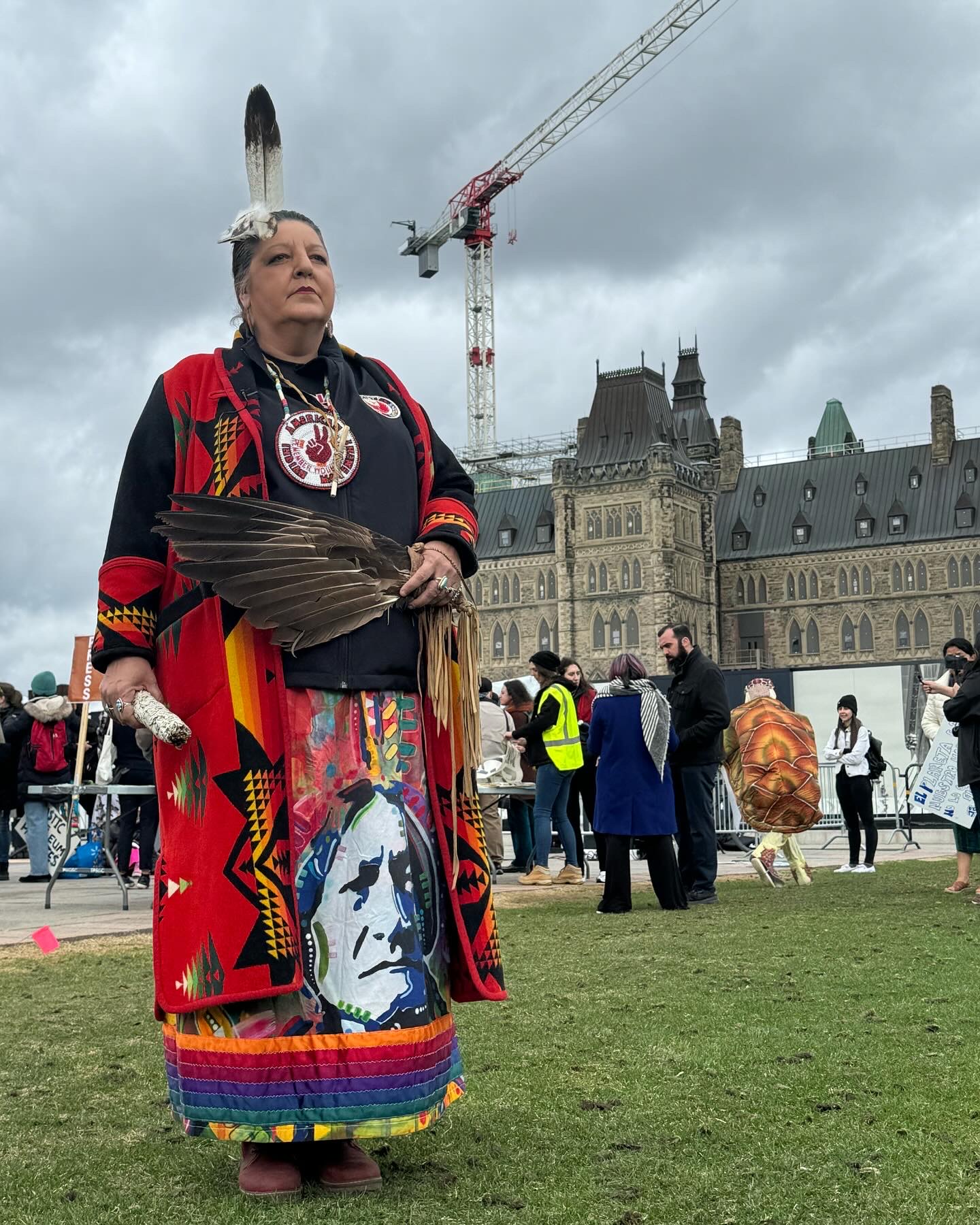
Suzanne Smoke (Society of Native Nations) in front of the Parliament of Canada before the fourth round of Global Plastics Treaty negotiations (INC-4) in Ottawa, April 2024

🙌🏾 Federal Court Rules Canada Can Regulate Plastics as “Toxic”

Canada’s Federal Court of Appeal upheld the federal government’s authority to classify plastic manufactured items as “toxic” under the the Canadian Environmental Protection Act, setting the stage for future regulation of plastic products.


Suzanne Smoke, #BreakFreeFromPlastic changemaker and Community Health Specialist with Society of Native Nations, said: “I remain cautiously optimistic about Canada's decision to classify plastic as ‘toxic’. Now, the government must pass and enforce regulation in response. There should be proper deterrents in place for industry polluters, and they should be held accountable and understand that their profit margins can never be more important than the future generations counting on all of us to reduce our impact on Mother Earth.”

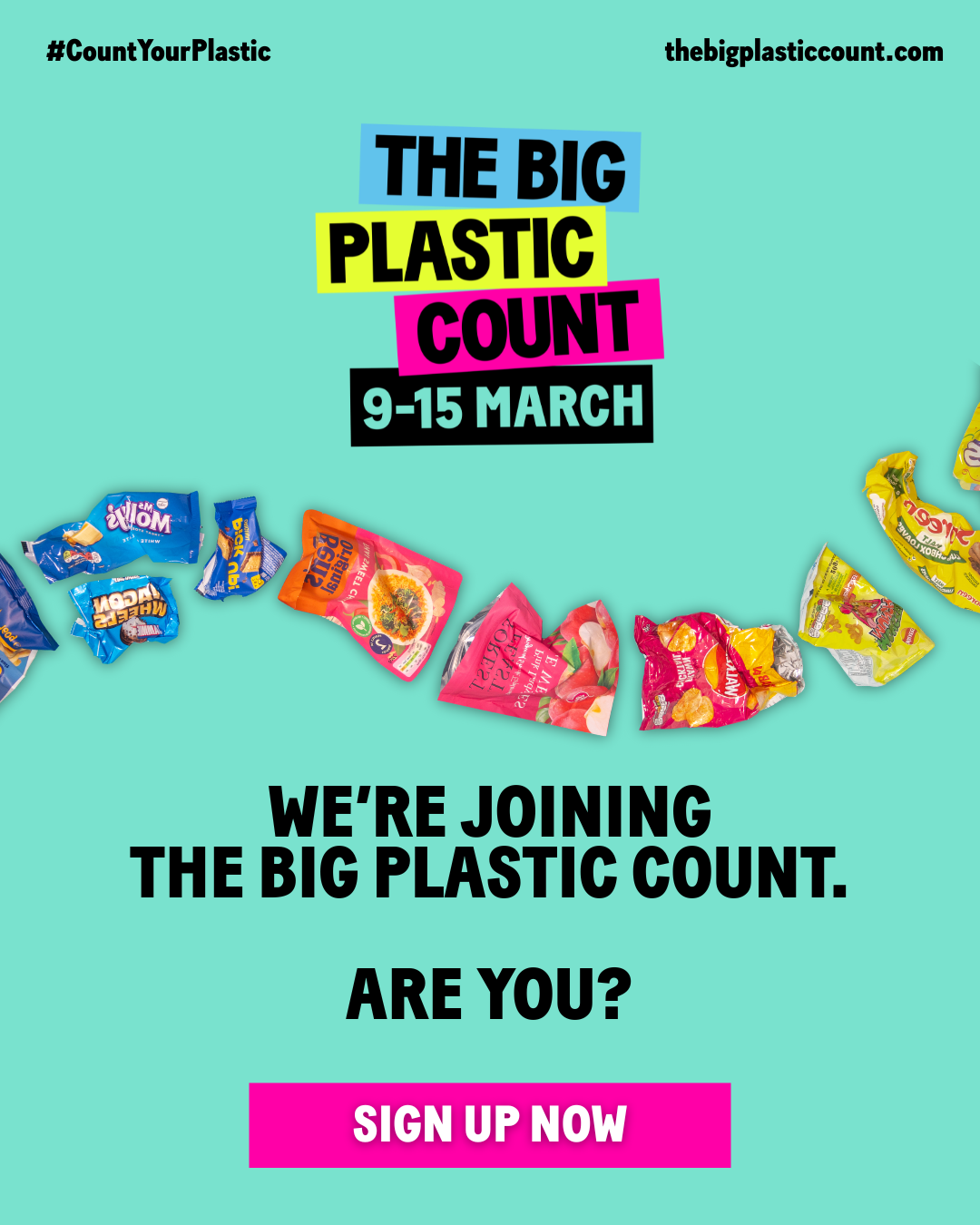
🏃‍♀️ The UK Big Plastic Count is back!

This March, take part in the UK’s biggest people-powered investigation into household plastic waste, organised by Everyday Plastic. By counting every piece of plastic packaging thrown away, The Big Plastic Count (TBPC) will uncover the true scale of the UK’s plastics crisis and call on the government to do more about it.

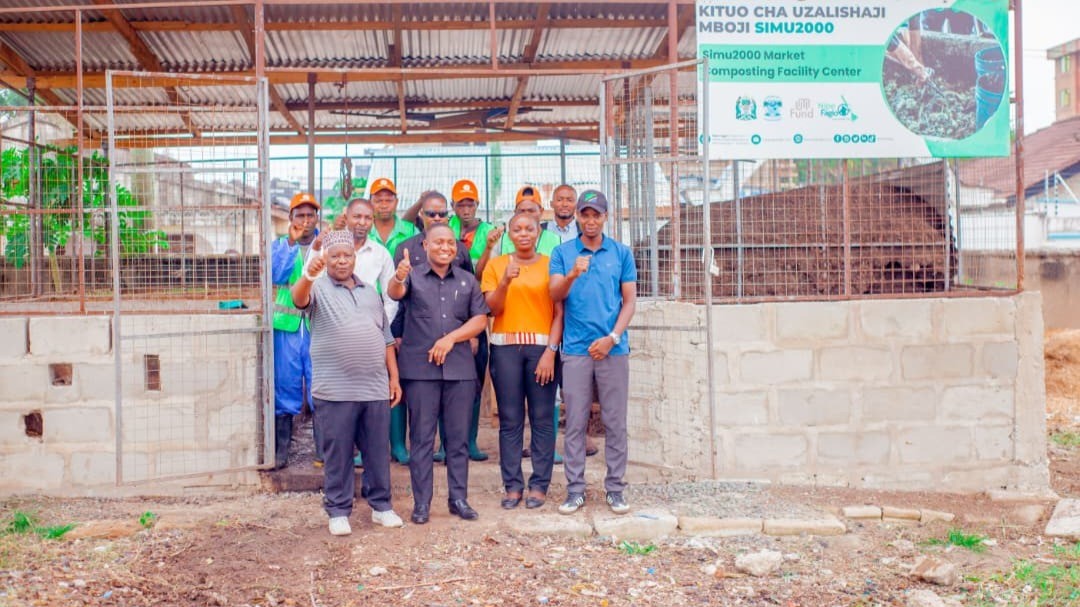
Grit Godfrey and his delegation during his visit at Mawasiliano Market through the SM2000 Composting Facility. Photo Credit: Nasri Mohamed

🍃 Environmental Ambassador Visits Composting Facility in Tanzania

This January, Nipe Fagio demonstrated what Zero Waste in action looks like at Mawasiliano Market, in partnership with Ubungo Municipal Council. They were honoured to host Grit Godfrey Mwimanzi, Environmental Ambassador from the Vice President’s Office (Union & Environment), who witnessed firsthand how source segregation and composting turn organic waste into value. The SM2000 Composting Facility diverts 75 tonnes of organic waste from landfills every month, cuts methane emissions by an estimated 77%, lowers municipal transport costs, and creates green jobs for youth. This is a system change in practice: data-backed solutions, policy-aligned action, and measurable impact on the ground. This programme is proudly supported by the UMI Fund.

🙌🏾 Malaysia Takes a Powerful Step Against E-waste Exports

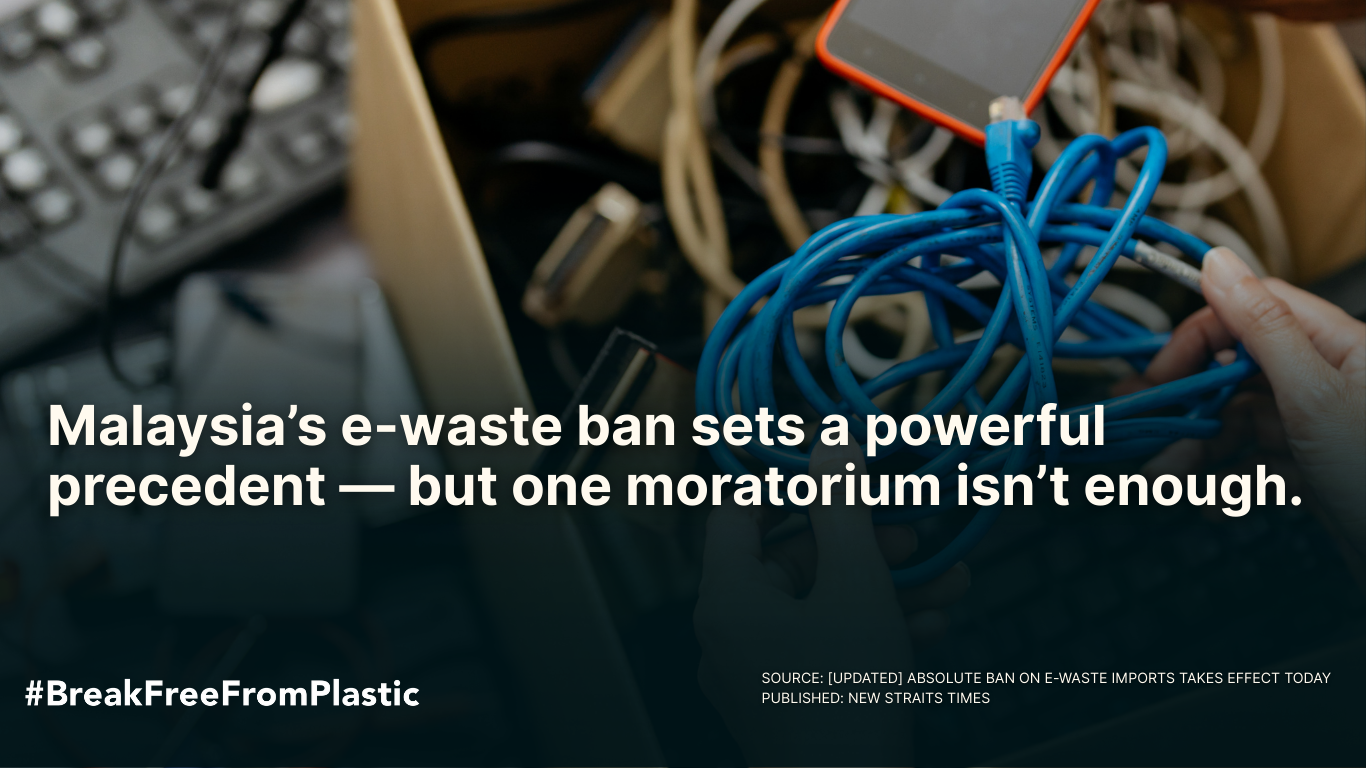
On 4 February 2026, the Malaysian government imposed an absolute ban on e-waste imports and is considering a moratorium on plastic waste imports — rejecting the burden of global toxic waste dumping.


E-waste contains harmful chemicals that pollute waterways, poison workers, and harm frontline communities. Malaysia’s move shows that countries can choose people over pollution.


But one ban isn’t enough. We need permanent global bans on hazardous waste exports, strong enforcement, and justice for impacted communities.


Stop toxic waste trade!

Have stories to share?

Tag us on social media!