Subject: BFFP Newsletter 🌍 📰 : How do we solve plastic pollution by 2040 and other stories!

Thought leaders from around the world convened in California to answer a single question: How Do We Solve Plastic Pollution by 2040?

Latest News and Updates

January 30, 2026

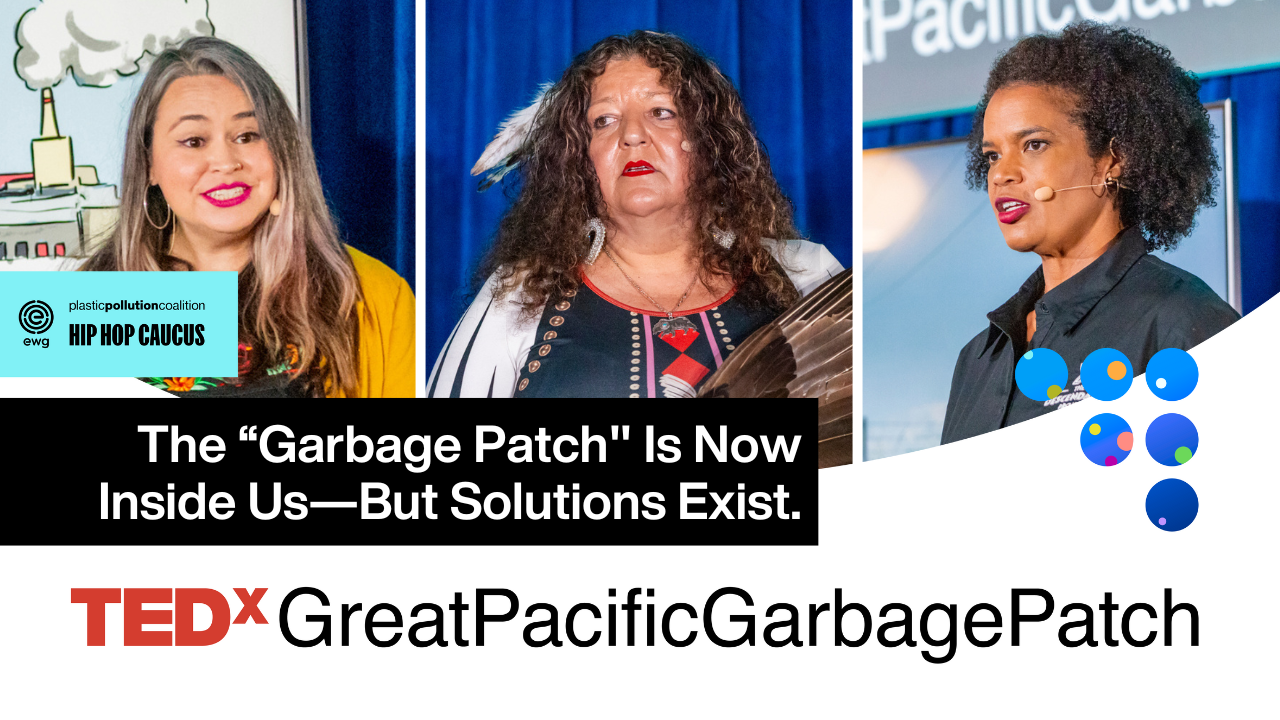
WATCH: 40+ Videos from TEDxGreatPacificGarbagePatch

Last November, thought leaders from around the world convened in California to answer a single question: How Do We Solve Plastic Pollution by 2040?


This inspiring and thought-provoking event brought together scientists, business leaders and innovators, frontline community members and advocates, Indigenous knowledge keepers, policymakers, artists, entertainment industry professionals and others contributing to the movement to end plastic pollution.


Now, you can finally watch all 38 groundbreaking talks and three musical performances from TEDxGreatPacificGarbagePatch!

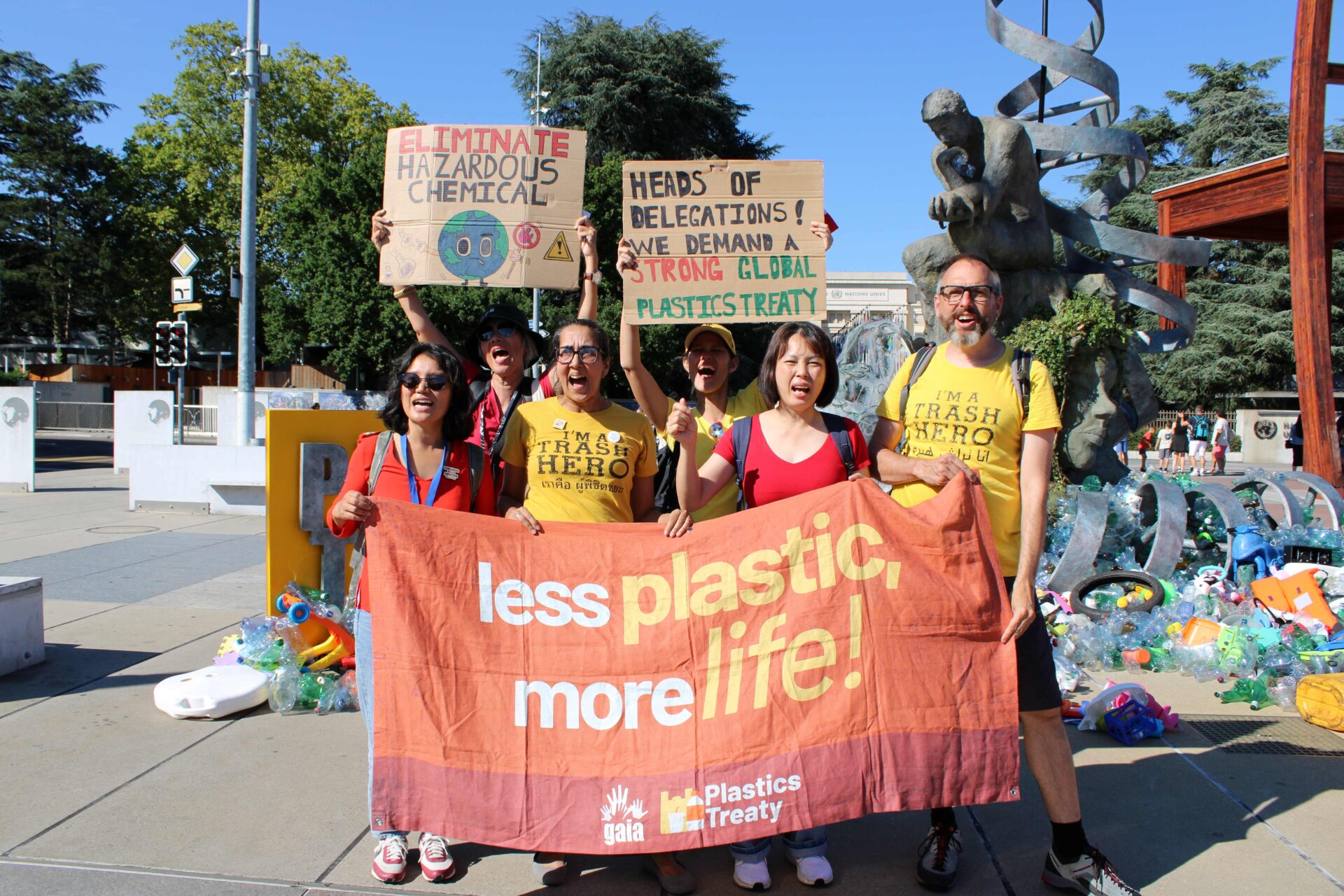
Asia Pacific Experts Urge Caution on Bioplastics at Regional Panel Discussion. Photo Credit: GAIA

Asia-Pacific Experts Warn: Bioplastics Won’t Completely Solve Plastic Crisis

Bioplastics are often marketed as a climate-friendly alternative to conventional plastics, but experts from across Asia Pacific are urging caution. At the recent Fire or Ice: Growth of Bioplastics in the Asia Pacific panel discussion, environmental leaders highlighted how the rapid rise of bioplastics can repeat the same environmental and health harms associated with conventional plastics if left unchecked. Panelists emphasized that many bioplastics don’t truly biodegrade in real-world conditions; they may even contain toxic chemicals, and fragment into microplastics. The push for bioplastics also risks delaying the real transformative change needed. Rather than treating bioplastics as a magic solution, policymakers should focus on reducing single-use plastic production and building reuse-based systems to truly enact change.


Photo Credit: CEJAD Kenya

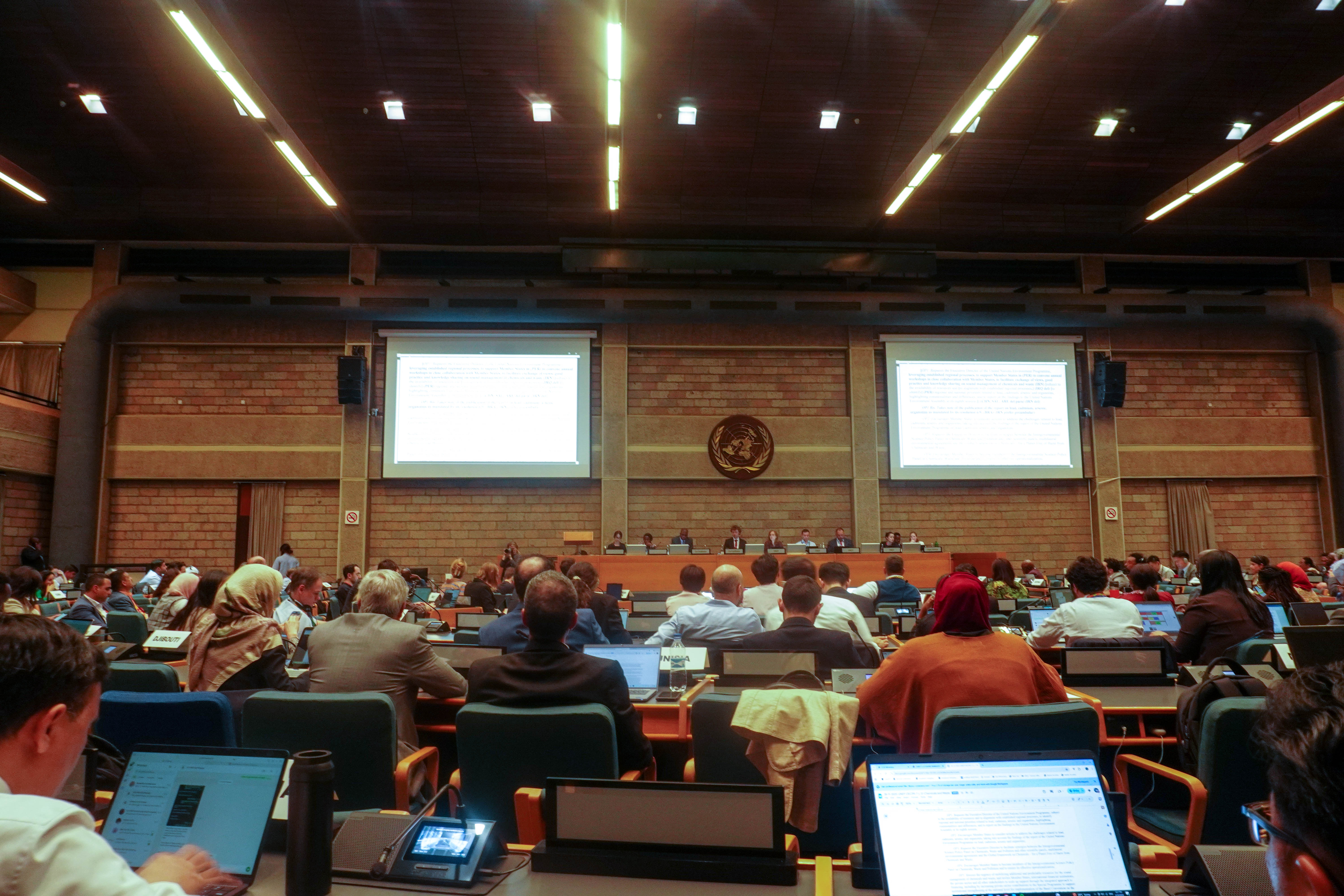
Ministerial Declaration at UNEA-7 Signals Global Shift to Zero Waste

Ledoner Okeyo, Project Assistant from CEJAD Kenya, had the opportunity to participate in the Seventh Session of the United Nations Environment Assembly (UNEA-7). Among the most significant outcomes was the recognition of Zero Waste in the Ministerial Declaration, a milestone that signals a shift away from disposal-driven approaches toward prevention, reuse, and non-toxic circular systems. For the first time at this level, ministers collectively acknowledged that the waste crisis cannot be solved through downstream solutions alone, such as landfilling. Instead, it requires a systematic shift toward preventing waste at source, promoting reuse, refill and recycling and redesigning products to eliminate altogether.


The Environmental Protection Agency (EPA) headquarters in Washington, D.C.

Environmental and Public Health Groups Warn the U.S. Congress Against Gutting Major Chemical Safety Law

A new bill would weaken the Toxic Substances Control Act (TSCA) – the U.S. federal law designed to regulate new and existing chemicals – by weakening the authority of the U.S. Environmental Protection Agency (EPA) to restrict harmful chemicals and rolling back some actions the agency has already taken. Of course, this includes the more than 16,000 chemicals in plastics, and much more at risk!


The proposed changes have been opposed by a broad-based coalition of experts and leaders in their respective fields, including dozens of national public health and medical organizations who sent a joint letter “strongly opposing any effort to weaken the nation’s main chemical safety law.”


Have stories to share?

Tag us on social media!