This is a Royal Debate
The Great Debate: To Exclude or Not Exclude? | | Online Orders Are Welcome until 20th December But Won't Be Serviced and Shipped until 7th Jan | | |
|
|
|
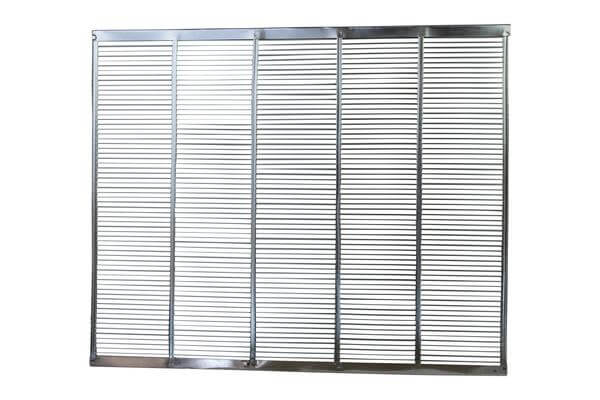
What is a metal queen excluder? | A queen excluder is a flat metal grid you put between the brood box (where the queen lays eggs) and the honey super (where bees store honey). The holes are big enough for worker bees to pass, but too small for the queen and most drones. That keeps the queen out of the honey frames so they don’t get eggs and brood in them | |
|
|
| Shop is CLOSED for Christmas from the 24 December until the 6th January 2026! | |
|
|
| | | Access valuable resources and guides that provide step-by-step instructions on how to learn beekeeping via our channel. | |
|
|
|
The Great Debate: Excluders
| Pros of using metal queen excluders:Keeps honey frames 'clean' — no eggs or brood in your honey super, so frames are easier to extract and sell at harvest time. Durable — metal excluders last a long time and stand up to repeated use. Easy to sterilise — metal can be heated/cleaned for hygiene. Useful for management tricks — needed for some methods (e.g., Demaree, boosting colonies, controlled re-queening). Queen guards - blocking the queen from absconding or leaving the hive [once she has mated of course]
| | In my experience from two decades of beekeeping - a queen excluder is a personal choice of preference taking into account a few factors:
Timing matters: If you have a nectar flow on and you just added a new super on to your brood chamber as the hive expands as well; a queen excluder may impede the bees from going up into the honey super. Tip: If you have a spare super frame to transfer to the new super chamber that is from a pest-free colony this helps encourage the workers to pass through the queen excluder. I seldom had colonies that did not go through to the super with wax starter sheet or foundation sheets when there was a new nectar flow on. If I found one colony in an apiary that resulted in not filling the super - I also inspected for other reasons. And simply remove the queen excluder for a few days.
Queen Management - if your queen can move between brood and super chambers she will likely lay in the super chamber at the higher elevated spot mixed with honeycomb. Why this matters? When you come to harvest time - it is much more time-consuming to remove individual frames that do not have brood and eggs on them in each hive Finding the queen at harvest time - without knowing where your queen is, extra care must be taken - time + risk - whenever harvesting any honey and doing inspections
Colony management - It is much easier and faster to assess and review a colony's condition when areas are segmented and compartmentalised: Honey and nectar storage at the top Brood and eggs at the bottom with the queen When there's an absence of compartmenting then the management is more complex to figure out - and arguably needs more experience Where is the queen during your inspection or harvest?
"To clarify, my preference, by experience, is to almost always use a queen excluder." ¬ Warrick from Bee Ware®
Let me know your experience | Send an email | Comment on Facebook | | | | Cons of using metal queen excludersWorkers sometimes won’t pass easily — nectar-carrying bees can be reluctant to go through the grid, which can slow honey movement into the super (people call it a “honey excluder” for that reason). Can trap drones — drones may get stuck above the excluder and die, which some beekeepers dislike. {I have not noted this issue.} May stress the colony if misused — wrong placement or timing can upset bees. {Refer to my commentary above} Not always needed — some studies and many beekeepers find little effect on colony health; it’s a management choice, not an absolute must.
|
|
|
|
| Become part of a thriving community of beekeepers across the country via our Facebook Page and over 4000 beekeeping students! | | |
|
|
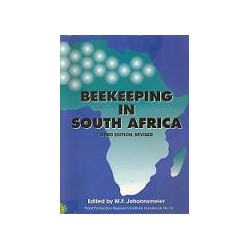
| Blue Book, Beekeeping in South Africa | Beekeeping in South Africa handbook, 3rd Edition
The bee book affectionately nicknamed, the Blue Book, is the book on beekeeping comprising over 280 pages of fantastic photos, plant and tree Nectar tables and much more about apiary management, honey and pests.
The book is edited by Martin Johannesmeier, who is retired now but holds a PhD in Botany studies and therefore holds bees very close to his heart!
There are at least 20 full-colour photographs and over 280 pages packed full of bee info, bee tips and reference content on keeping bees in Africa, or anywhere.
The bee book is so popular it is mail ordered across the globe to destinations such as South America, Sweden, Germany and the UK.
- *shipping not included** | | ZAR 490.00 | |
|
|
|
|
|
| Stay connected with us on social media for the latest updates, tips, and success stories from our community of educators. | | |
|
|
| | Queen Excluder - Metal | | ZAR 104.00 | |
|
|
|
|
|