Ancient GreeceGreek physicians such as Hippocrates documented the use of propolis for: wound treatment abscesses ulcer healing
The word “propolis” itself originates from Greek: pro = before
polis = city
Meaning “defender of the city”—a reference to how bees used it to defend the hive. |
|
Eastern European Folk MedicineIn regions such as Poland, Romania, and Ukraine, propolis has been used for centuries as a household remedy.
Traditional uses include: sore throat tinctures wound disinfectants dental treatments skin salves
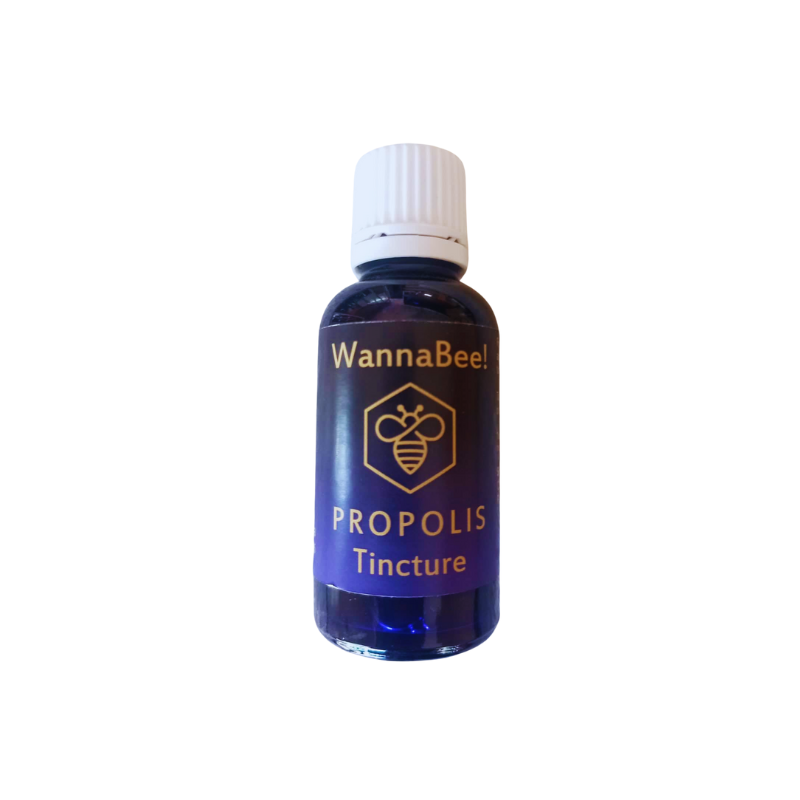
Even today, small apothecaries across Eastern Europe sell propolis tinctures as a common natural remedy. |
|
|
Traditional Medicine in East AsiaIn countries such as China and Japan, propolis gained widespread attention during the 20th century and is now incorporated into: Its popularity continues to grow as research expands. |
|
|
Modern Applications of PropolisToday, propolis has moved beyond traditional use into several modern industries.
P.S. Typically, almost ALL of our modern medicine is the beneficiary of traditional use and anecdotal discovery and application from centuries of testing. Natural Immune SupportPropolis contains a wide array of biologically active compounds: flavonoids phenolic acids antioxidants antimicrobial agents
These compounds have been studied for their ability to inhibit certain bacteria and fungi.
For this reason, propolis is now commonly used in: throat sprays immune tonics lozenges
|
|
Oral Health ProductsOne of the fastest-growing uses of propolis is in dental care. Its antimicrobial activity makes it particularly useful for products such as: natural toothpastes mouth rinses gum treatments
In several Eastern European dental clinics, propolis preparations are still used for minor oral infections. |
|
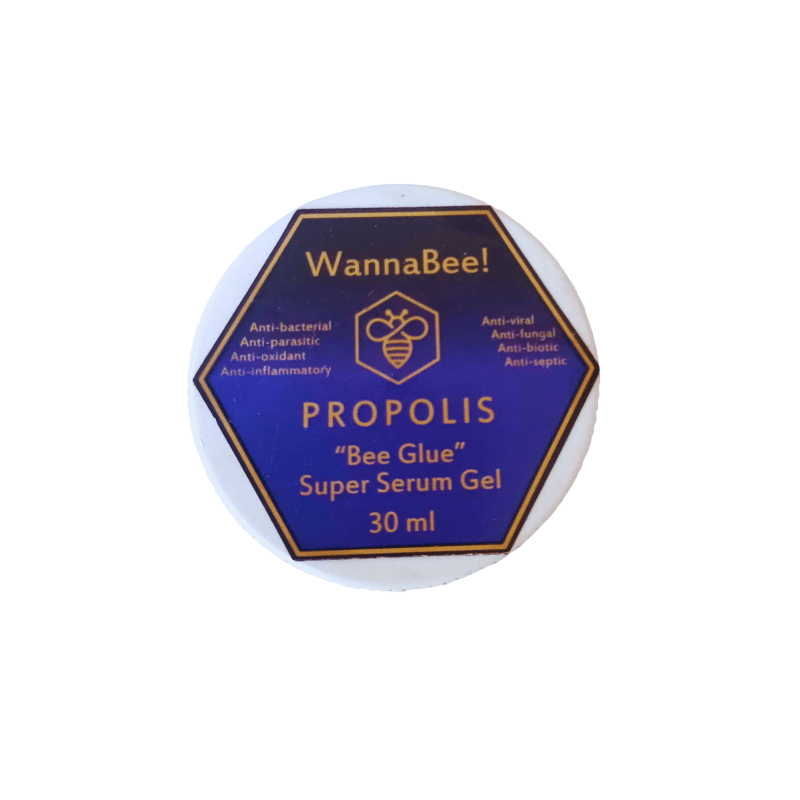
Skin Care and Wound HealingPropolis is now widely used in natural skincare products due to its combination of antimicrobial and antioxidant properties.
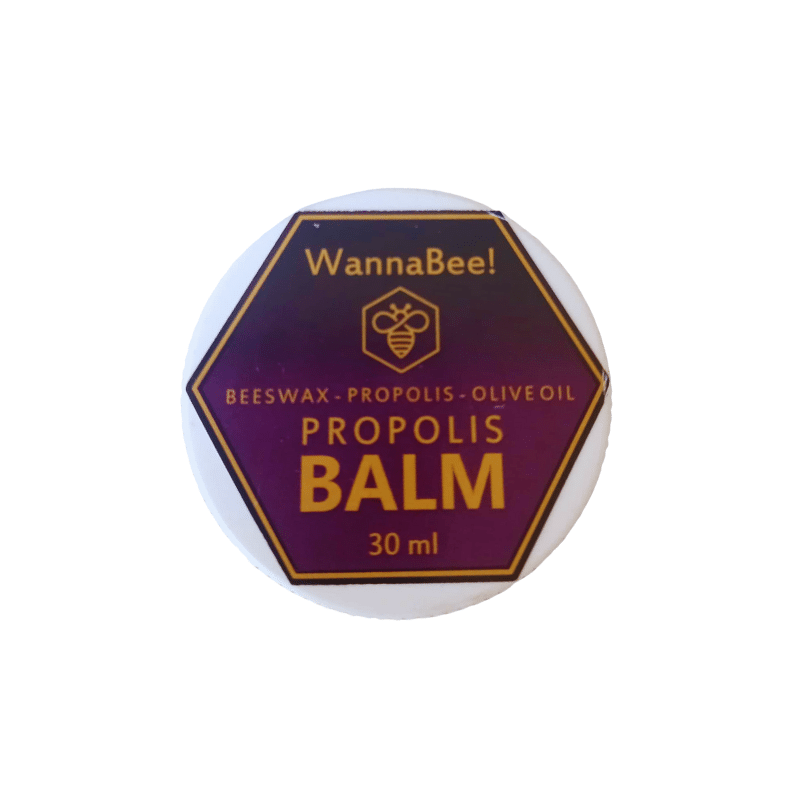
Applications include: Because propolis helps protect the hive from microbial invasion, it naturally lends itself to protecting damaged human skin. |
|
|
Natural Wood Sealants and Instrument CareA lesser-known historical use of propolis involves wood preservation.
In earlier centuries, propolis was sometimes incorporated into varnishes and protective coatings.
Some historians believe that violin makers in Europe experimented with propolis-containing finishes, although the exact formulations remain debated.
Even today, small-scale artisans use propolis in: |
|
Why Beekeepers Rarely Harvest PropolisDespite its value, propolis harvesting remains rare among hobby beekeepers.
The reasons are practical: It is sticky and difficult to collect Traditional hive designs produce inconsistent amounts Processing requires additional work
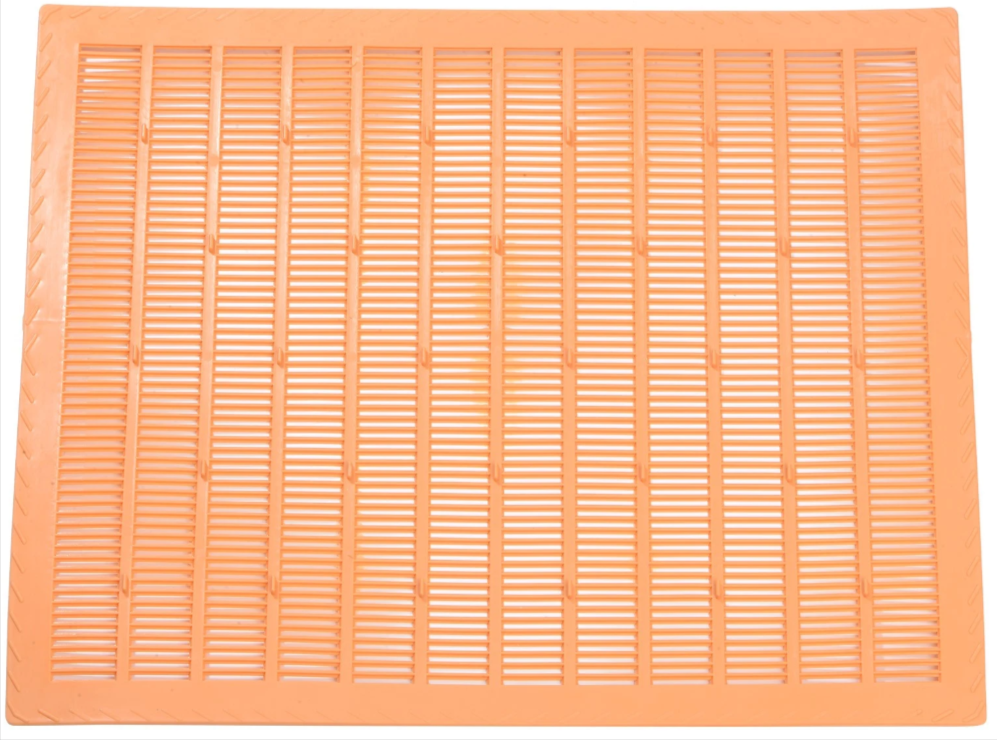
However, specialised propolis traps now make harvesting easier than ever.
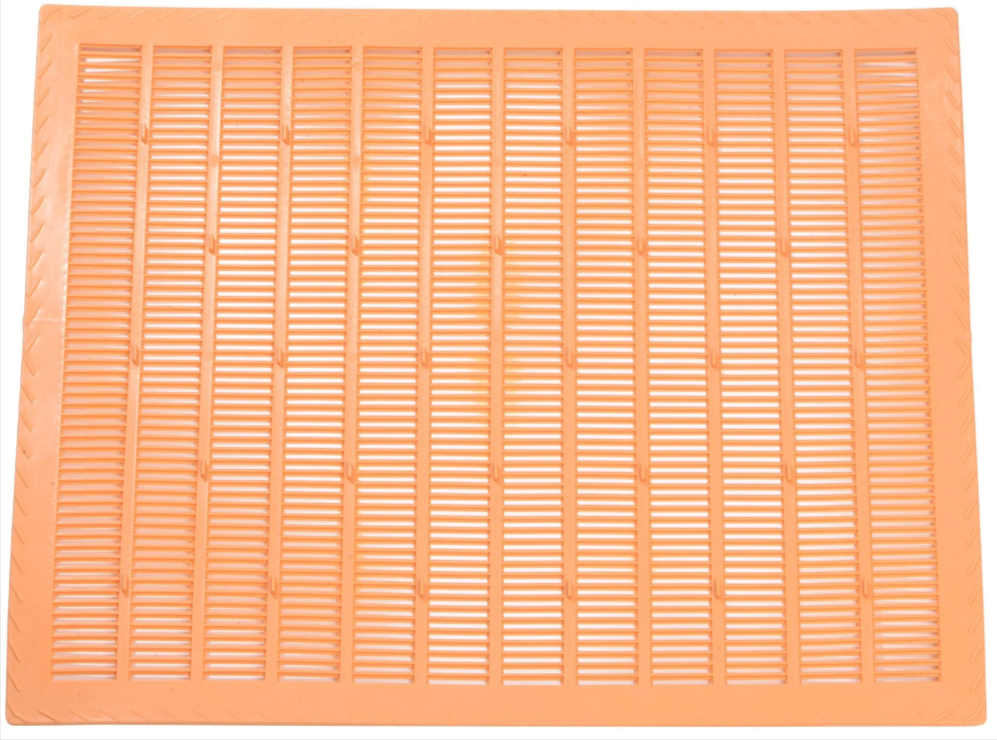
These flexible mesh sheets encourage bees to fill gaps with propolis, which can then be frozen and broken off cleanly.
For beekeepers looking to diversify hive products, propolis represents one of the highest-value substances produced in the hive by weight. |
|
DIY: How to Make a Simple Propolis Tincture at HomeOne of the easiest ways to use propolis is by making a propolis tincture.
This traditional preparation extracts the active compounds into alcohol. What You Need:20–30 grams raw propolis [clean with no pesticides] 200 ml high-proof food-grade alcohol (vodka or grain alcohol) Glass jar with lid Coffee filter or fine cloth Dark glass dropper bottle
Instructions below... |
|
Step-by-Step Method for DIY Propolis Tincture1. Freeze the propolis Place raw propolis in the freezer for several hours. This makes it brittle and easier to crush.
2. Crush into small pieces Using a mortar, knife, or rolling pin, break the frozen propolis into small fragments.
3. Combine with alcohol Place the crushed propolis into a glass jar and pour the alcohol over it.
A typical ratio is: 1 part propolis : 5–10 parts alcohol The ratio impacts the efficacy [less alcohol = more efficacy general principle]
4. Shake daily Seal the jar and shake it once per day for 2–3 weeks. During this time the alcohol extracts the beneficial compounds.
5. Strain Filter the liquid through a coffee filter or cloth to remove wax and debris.
6. Store Transfer the dark liquid into a dropper bottle and store in a cool, dark place. |
|
How Propolis Tincture Is Traditionally UsedSmall amounts of propolis tincture have historically been used: diluted in warm water for sore throats applied sparingly to minor skin wounds mixed into herbal remedies
As with any natural product, moderation and awareness of allergies are essential.
NOTE: People with bee-product sensitivities should avoid it. This is not medical advice. Consult your medical practioner before making any decisions about treating yourself. |
The Deeper Lesson for BeekeepersPropolis teaches an important lesson about beekeeping. The hive does not only produce sweetness.
It produces defence, resilience, and biochemical intelligence.
Bees understood the value of propolis long before humans did.
They coat their homes in it, sterilise their nurseries with it, and rely on it to keep pathogens in check. They build propolis walls at the entrance of hives They entomb dead insects/mice etc that they cannot remove inside the hive They seal gaps and holes in the boxes They put a super hygienic quarantine "welcome mat" where the returning foragers land by the front door - that black landing spot!
When a beekeeper begins to appreciate propolis, something shifts. You stop seeing sticky frames and start seeing a sophisticated biological system at work.
And once you notice that, you begin to realise how many other hidden products the hive quietly produces.
In the next article in this series, we will explore another overlooked treasure of the hive: bee bread—the fermented superfood that fuels the entire colony. |