Subject: Did YOU Know About Litchi Honey?

It's one of my favourites...


Love Litchi?

You Got To Try Litchi Honey

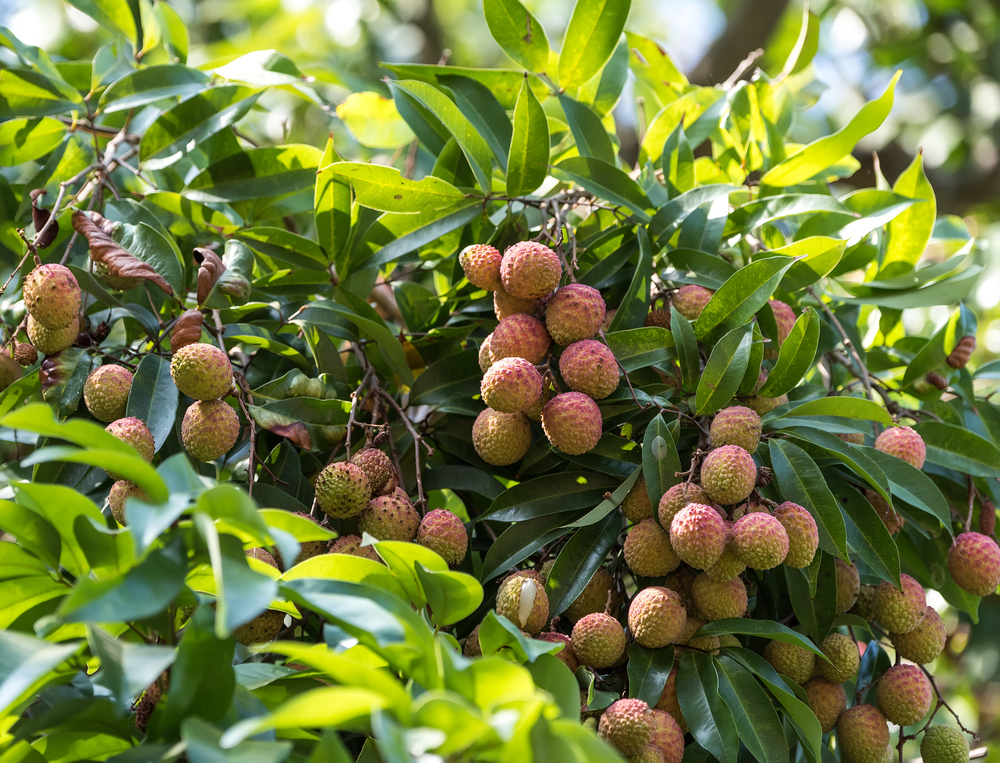
Do you enjoy that delicious little round fruit with its brown pip inside that tastes of summer and smells like sweet nectar!?

This is ONLY REAL HONEY which is the NECTAR COLLECTED from the flowers of Litchi trees by YOUR honeybees!

What the studies agree on ABOUT LITCHI HONEY

  • Physicochemical quality: litchi/lychee honey samples typically meet international honey limits on moisture, sugars, ash, HMF in reported studies. entomoljournal.com+1

  • Antioxidants / phenolics: Several studies report moderate-to-high total phenolic and flavonoid content, translating into measurable antioxidant capacity (DPPH/FRAP/TEAC assays). Some tropical honeys (including lychee types in Vietnam/Thailand) can have phenolic levels comparable to or higher than some Manuka samples in certain assays. MDPI+1

  • Antibacterial activity: Lychee honey shows in vitro antibacterial effects (disc diffusion, MIC), sometimes synergistic with antibiotics. However, activity profile and potency vary greatly by sample and are not tied to a known, single chemical marker like Manuka’s MGO

What the studies agree on ABOUT LITCHI HONEY continued...

  • Lychee/ Litchi honey’s activity is mostly attributed to polyphenols/flavonoids and H₂O₂-mediated activity, not MGO. That usually means good antioxidant capacity but variable antibacterial potency compared to high-UMF Manuka.

Quick “takeaway” you can share with friends

Litchi (lychee) honey — studied across South and Southeast Asia — shows robust antioxidant content and measurable in-vitro antibacterial activity, largely linked to phenolics/flavonoids and peroxide activity.


It can be comparable to some Manuka samples in antioxidant assays, but Manuka’s distinctive clinical antibacterial reputation is linked to methylglyoxal (MGO/UMF), a marker not characteristic of lychee honey; thus direct therapeutic parity with Manuka is not yet established.

How many hives do you place per hectare?

Litchi (lychee) pollination is ideal between 2-5 hives per hectare to generate higher yields of fruit set and fruit yield per tree!


For honey production, 1-2 hives per hectare would be better suited so that as the beekeeper, the bees you manage would not overpopulate the area and they would have excess honey production from the nectar flow.

Where is Litchi Farming predominant in SA?

Litchi farming in South Africa is concentrated in two main regions: Mpumalanga (70% of production), particularly around the towns of Nelspruit, Hazyview, and Malelane, and Limpopo (25% of production), with the Tzaneen area as the primary hub. 


A smaller 5% of production occurs in KwaZulu-Natal.


The flowering season is now over for these lekker trees. 

So be ready to catch them next year from between August to September!

Keep you posted on our next bee course training in Midrand!