Clara Street Gallery: Tell us about your exhibition preparation for Between Worlds—how was it bringing together your photographs and sculptures, making connections between each of the works?
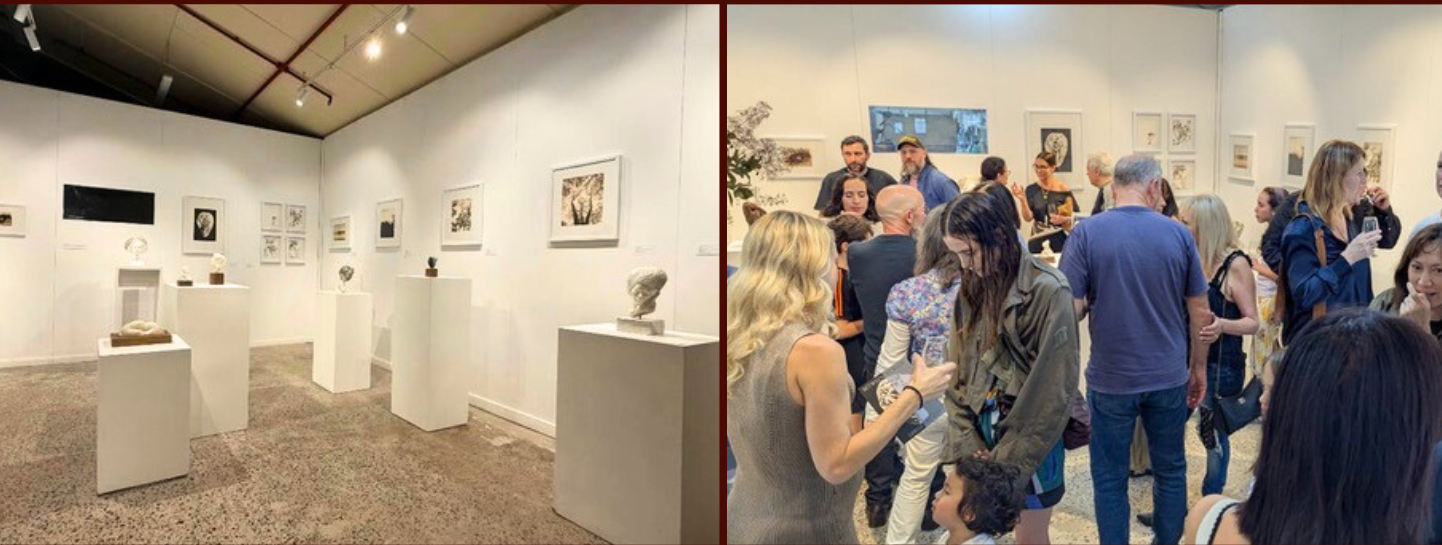
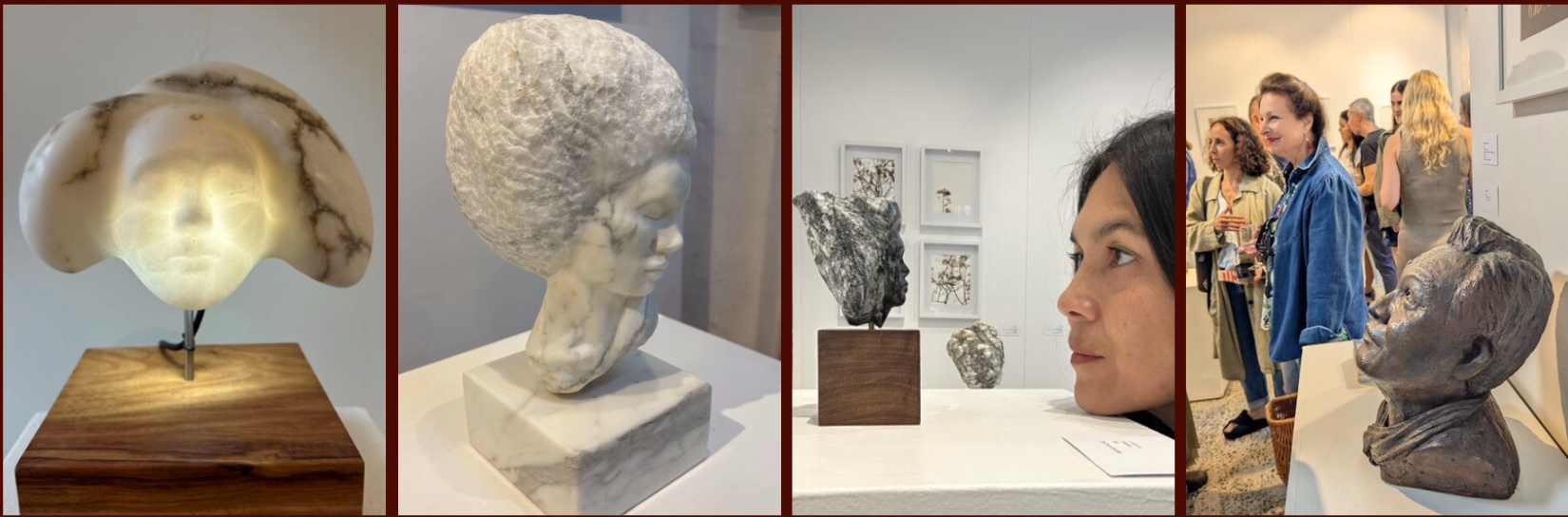
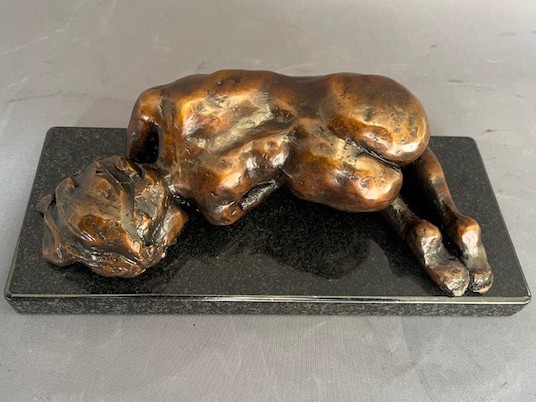
Liselle Mei: This first solo exhibition has been a huge learning curve for me, giving me the opportunity to experience my work in one space and open the question of what I want to express as a visual artist. Finding the connection between my photographs and sculptures very much informed the selection process. I wanted them to speak to each other, to be in quiet conversation. I also decided to bring in a video element in my piece, 'Where Ideas Begin', framing a sculpture with moving imagery of trees and nature to tie in my filmmaking background. Working across all these different mediums gave me the idea to call the exhibition Between Worlds.
How was the installation and opening event?
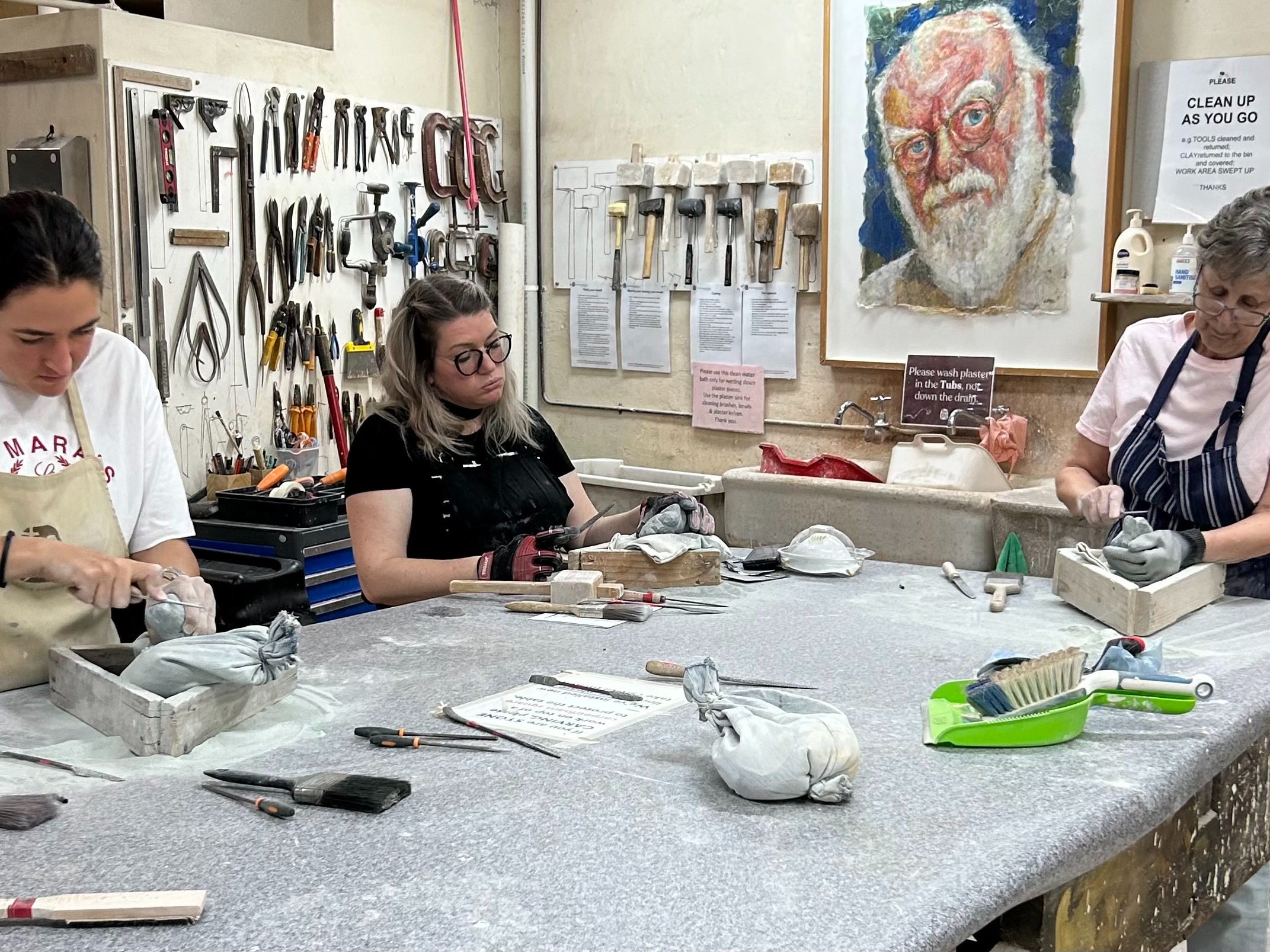
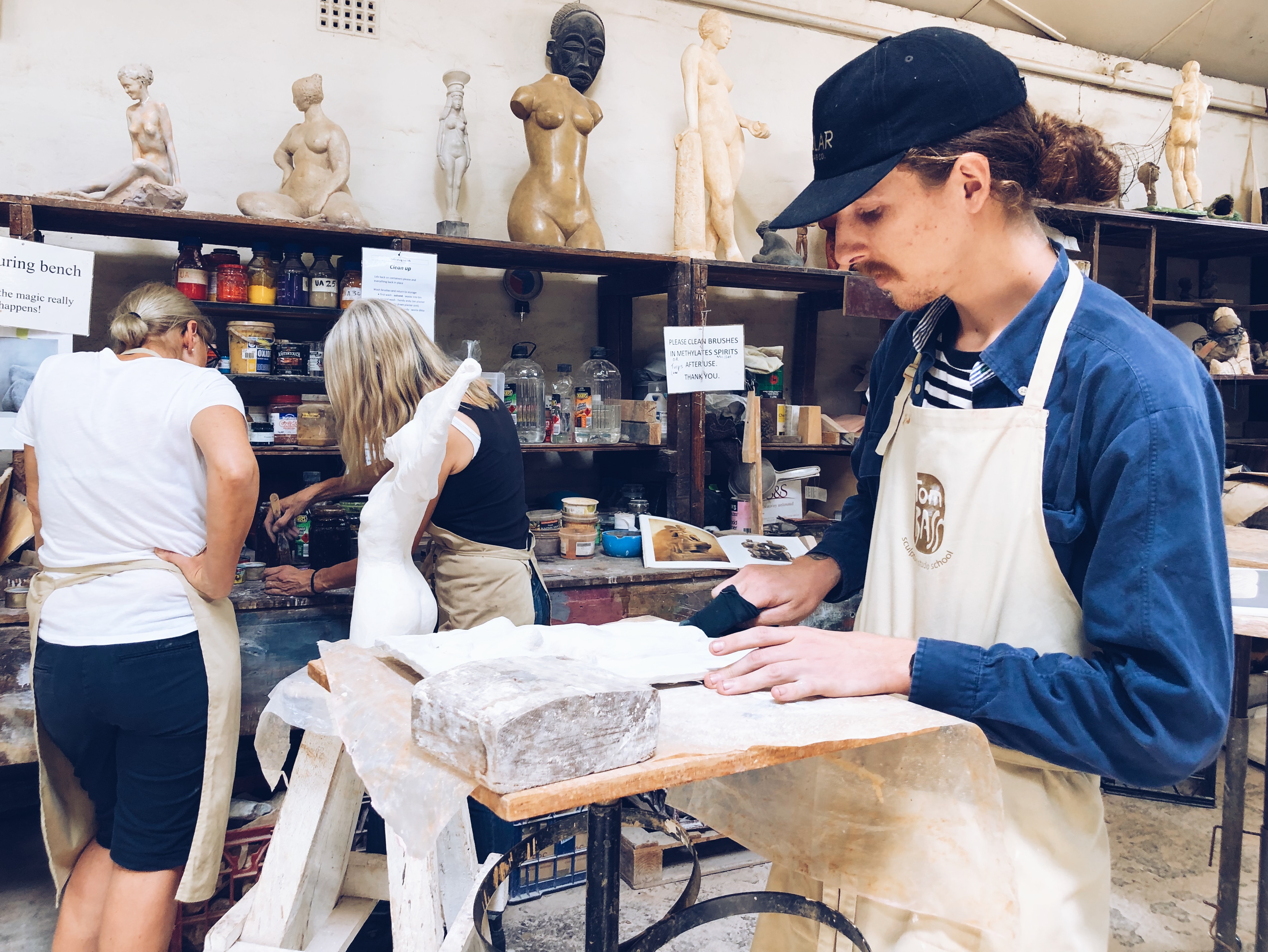
Elena Murgia installed the work and I am so grateful to her. The installation is such an important part of the process and through Elena, I really understood the importance of choosing where to place everything to shape the viewer experience. Elena has a real talent for this. It was a wonderful experience collaborating with her and seeing it all come together. There was a real sense of community at the opening event. I was very touched by everyone who came out to support me. The Grifter Brewing Co and Hopeless Thoughtful, a bespoke natural wine company, were my very generous sponsors. It was also important for me to include a memorial bust of my father, the first sculpture I ever made at the Tom Bass Sculpture Studio School and the reason I started coming. All in all, it was a very meaningful night for me.
Most of your works are lith photographs and stone carvings; how did you become interested in those particular media? What has the process been in developing your works in this exhibition?
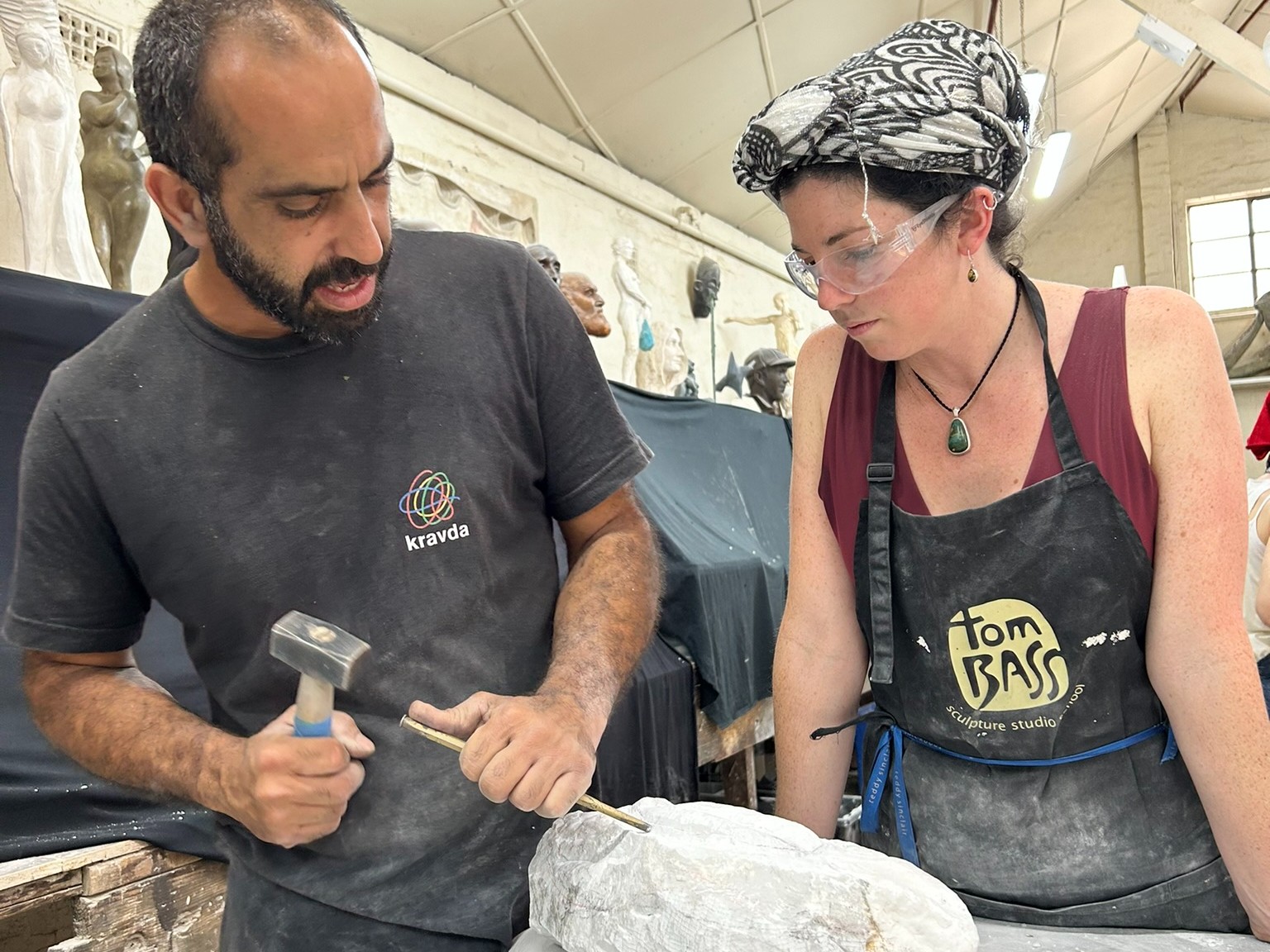
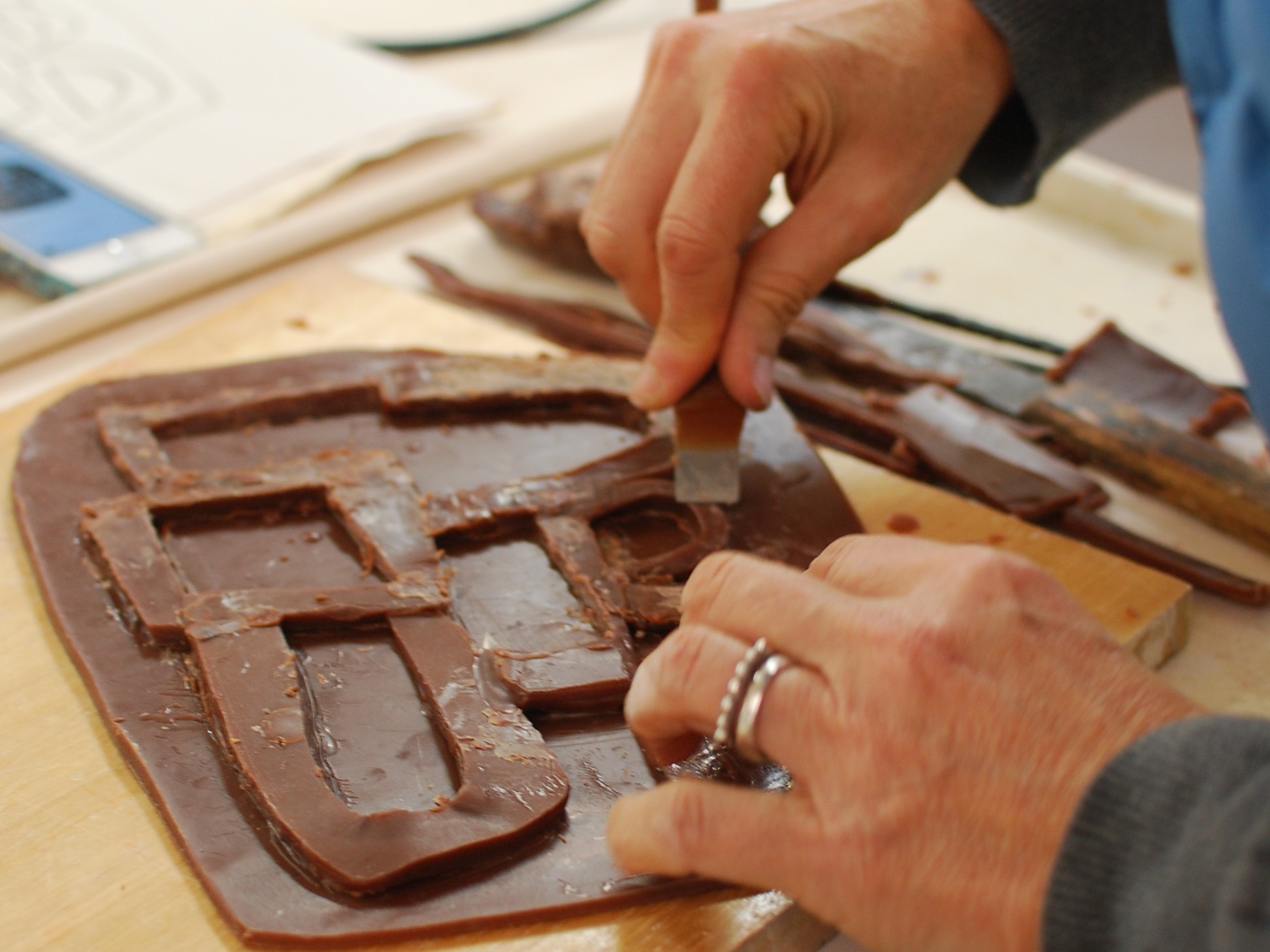
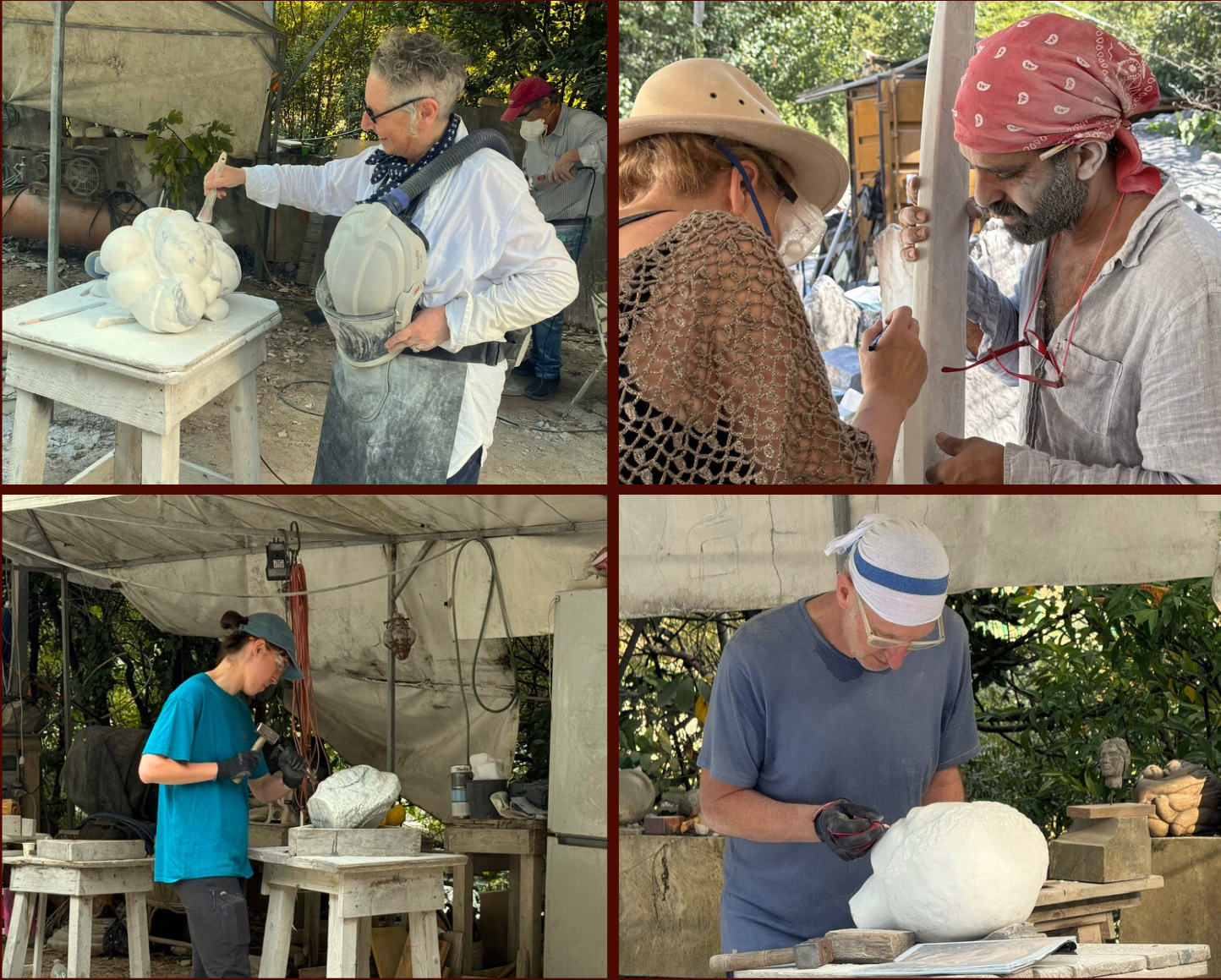
I have always loved working with my hands. Both the sculpture and photography allow for this. Lith photography is a very specialized process of hand printing in the darkroom. Due to the volatility of the chemicals, each print is one of a kind and cannot be reproduced. It takes time and a touch of serendipity to create each print. The same applies to stone carving—each piece is unique and unreproducible, takes patience and endurance, making the end piece very precious. In a fast paced world where so much is mass produced, I find value in hand crafted work that takes time.
What are you drawn to work on next?
I am currently making a documentary about the town of Carrara and Usama Alnassar, the marble carving artist and TBSSS guest teacher who lives there. This film will bring together my love of marble and storytelling. In terms of my own visual art practice, I would like to continue working Between Worlds and further explore the intersection of video and sculpture. There is something very captivating about the permanence of stone set against the moving image. I would also like to start carving bigger pieces and work on a larger scale.