Subject: aasoo highlights - Spring 2026

  a digital magazine of culture, society and thoughtful enquiry

aaSoo highlights - Spring 2026

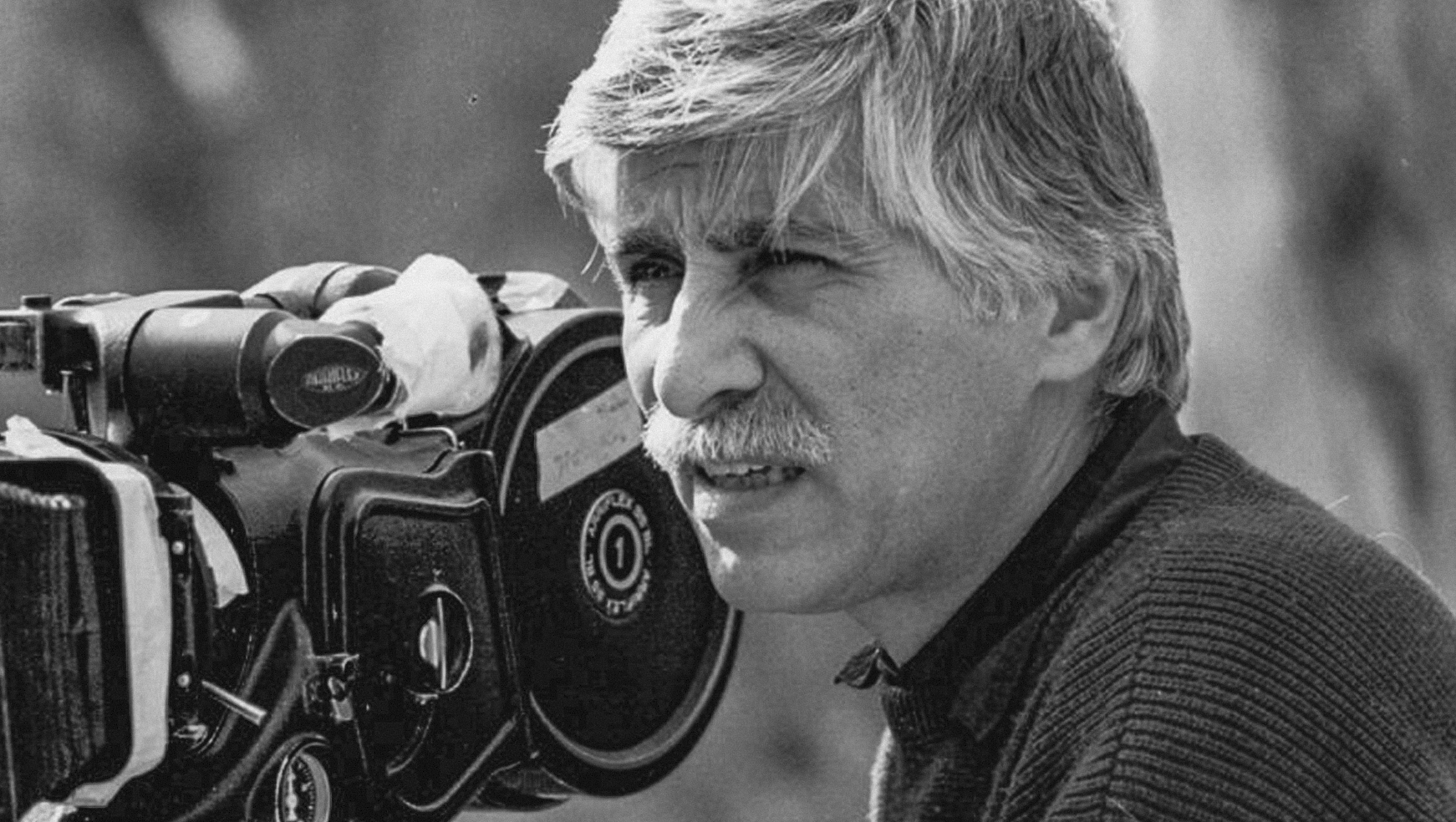
Remembering Bahram Beyzaei in Five Conversations

What makes Bahram Beyzaei one of the most original and influential figures in modern Iranian culture? What shaped his thinking, his work, and the ideas that guided him throughout his life?


In this new podcast series, five people who knew him best offer an intimate portrait of the artist: Abbas Milani, his close friend and colleague at Stanford University; Bijan Beyzaei, his younger brother; Mojdeh Shamsai, his wife, creative partner and principal actor in many of his works; Afshin Hashemi, actor, director and former assistant; and Saeed Talajooy, whose writings and English translations have introduced Beyzaei's work to readers around the world.


Abbas Milani describes Beyzaei as one of the few Iranian intellectuals who remained free of ideology and refused to conform to the intellectual fashions and political orthodoxies of his time. His vision, Milani says, combined a deep commitment to Iran and its authentic culture with an openness to the wider world. Beyzaei's greatest modernity lay in his understanding of truth. He saw truth not as a fixed doctrine but as an endless search for artistic discovery.


Bijan Beyzaei reflects on their family life and childhood, recalling the atmosphere in which Bahram grew up. Although he was not active in Bahá'í institutions, Bijan says, he always believed in the spirit of the Bahá'í teachings and saw them as one of the lasting influences on his life and outlook.


Mojdeh Shamsai offers a rare glimpse of Beyzaei as husband, colleague and director. "You cannot separate Bahram from his work," she says. "He had a great love in his life." Living with him became easy, she explains, once you loved and respected that work as much as he did. Yet behind his extraordinary discipline was a deeply caring partner, constantly concerned with the happiness and wellbeing of his family.


Rather than a conventional biography, these five conversations paint a rich and deeply human portrait of one of Iran's greatest artists - his ideas, his character, his relationships, and the values that shaped both his life and his extraordinary body of work.


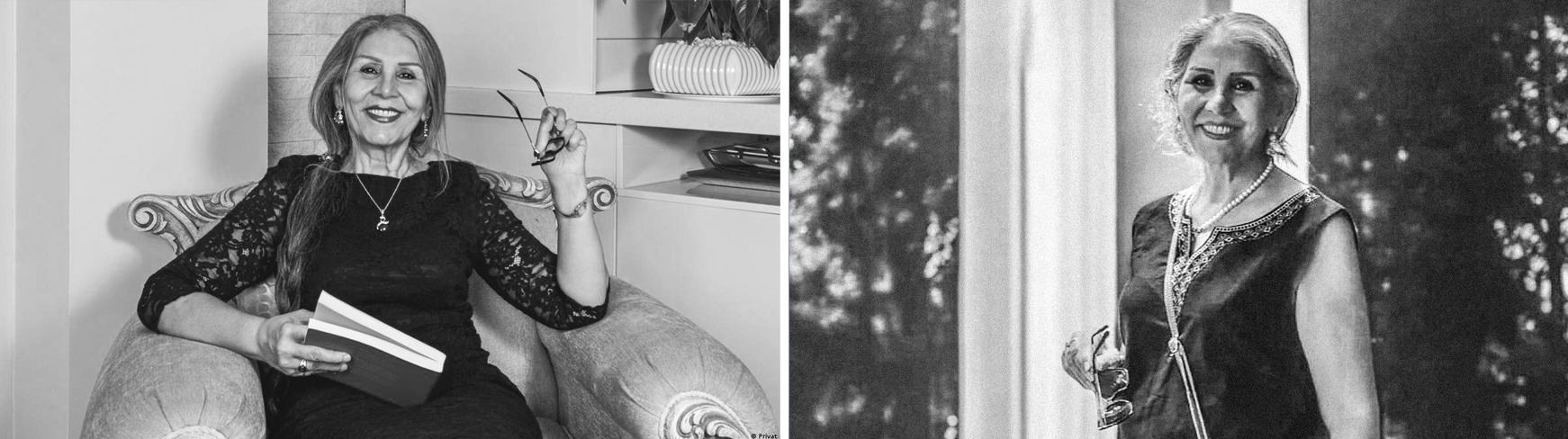
Prison Memoir of Mahvash Sabet

Written in prison over many years and translated through an extraordinary collaboration, Open Wide the Doors (published by Oneworld) is one of the most remarkable prison memoirs to emerge from Iran in recent years. Its two translators, Azita Mottahedeh and Bahiyyih Nakhjavani, reflect on the story behind the book and why Mahvash Sabet's memoir speaks far beyond the experience of a single prisoner.


Azita Mottahedeh describes a work that is much more than a personal account of imprisonment. Through Mahvash's vivid storytelling, quiet humour and moral clarity, she says, readers encounter the lives of countless prisoners from different backgrounds, beliefs and experiences. "This is not only Mahvash's story," she explains. "It is the voice of people living under injustice."


Bahiyyih Nakhjavani reflects on the extraordinary process of turning scattered prison manuscripts into a coherent English book. Unlike many prison memoirs, Mahvash was able to shape her story over several years while still in prison, giving it both the immediacy of lived experience and the depth of reflection. For Nakhjavani, the result is not simply a memoir of a Baha'i prisoner, but a profound meditation on truth, dignity and hope, and a powerful affirmation of our shared humanity.


She recalls a day in July 1850, when the Báb, the young founder of her faith, was executed in Tabriz for claiming that a new age was destined to replace the old. More than a century and a half later, Open Wide the Doors was published on the anniversary of that day—a memoir by an ordinary Iranian woman imprisoned for her beliefs, whose story quietly echoes the same enduring promise for renewal.

No War, No Peace: Voices from Inside Iran

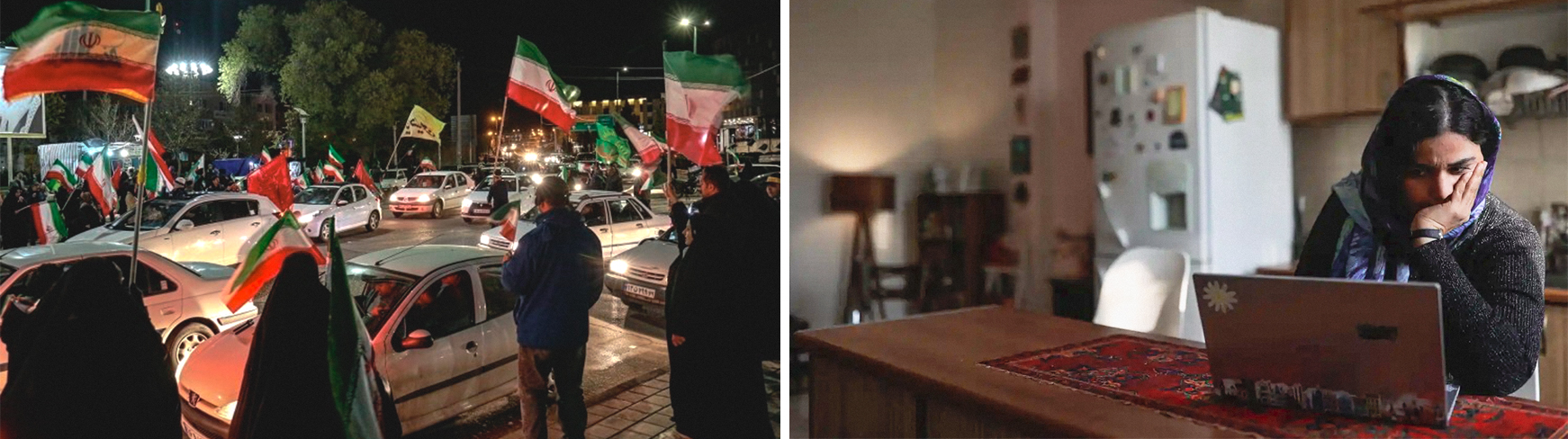
We continued to publish first-hand accounts from inside Iran, capturing daily life suspended between war and peace. A woman in Tehran records the collapse of her family's financial security. She loses her university job, cuts back on her children's classes, and sells a painting she loves to pay for car repairs. Around her, friends sell their wedding rings, shops close, and families wonder how long they can survive.


Residents from around the country describe bombardment, displacement, food shortages, internet blackouts and the fear of renewed repression. They also speak of community networks, neighbourhood solidarity, care for women and children, and the quiet determination to preserve dignity and hope.


A resident of Tehran describes the rowdy pro-government rallies and how they transform Tajrish, one of the city's busiest neighbourhoods after dark. As the shops empty, flag-waving convoys take over the streets, patriotic songs blare from loudspeakers, and ideological slogans fill the square.

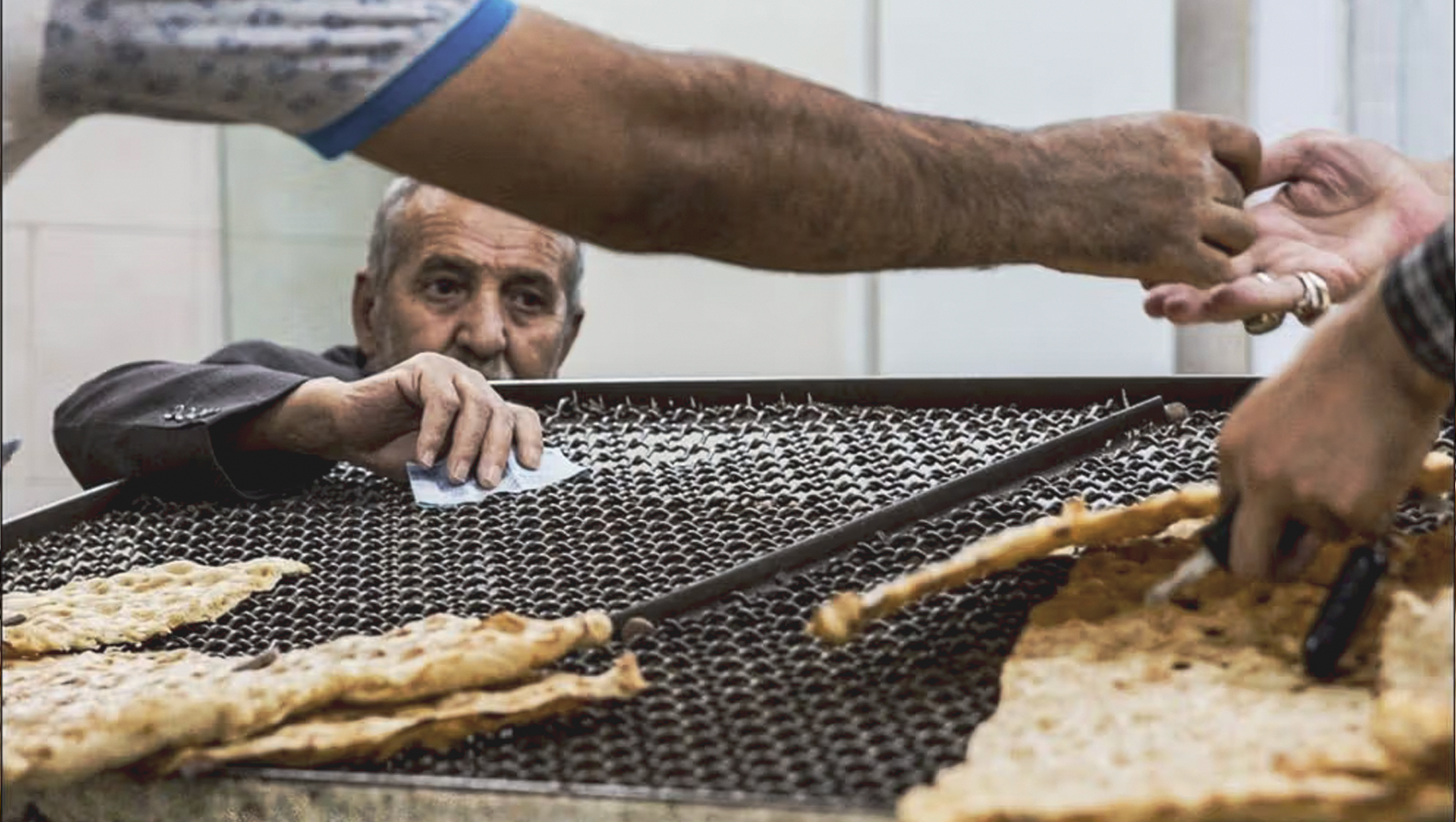
The Price of Bread

In a wide-ranging essay, Farhad Sabetan argued that Iran's current economic emergency goes far beyond rising prices. Drawing on historical examples from France, Weimar Germany, the Arab Spring and Venezuela, he examined how soaring inflation, mass unemployment and collapsing public trust can combine to produce profound social instability. As millions of Iranians struggle with the rising cost of basic necessities and shrinking job opportunities, he asked what history suggests about the country's possible future—and the choices facing both Iran and the international community.

Rebuilding Trust: Conversations on Iran's Future

At a time when public debate among Iranians—both inside the country and across the diaspora—has become increasingly polarised, bitter and distrustful, we produced a special series of in-depth conversations with Iranian thinkers, human rights defenders, social activists and civil society leaders known for their ethical leadership.


The discussions explore the values that can unite Iranians around a shared vision of the common good, the principles of respectful and constructive dialogue, and how the country's social and moral foundations can be rebuilt, whatever its political future.


At a moment when accusations, mistrust and verbal hostility increasingly dominate public life, the series offers a space for thoughtful reflection, mutual understanding and the search for common ground.

A Conversation About Iran’s Future: How Can We Live with Those Who Disagree with Us?

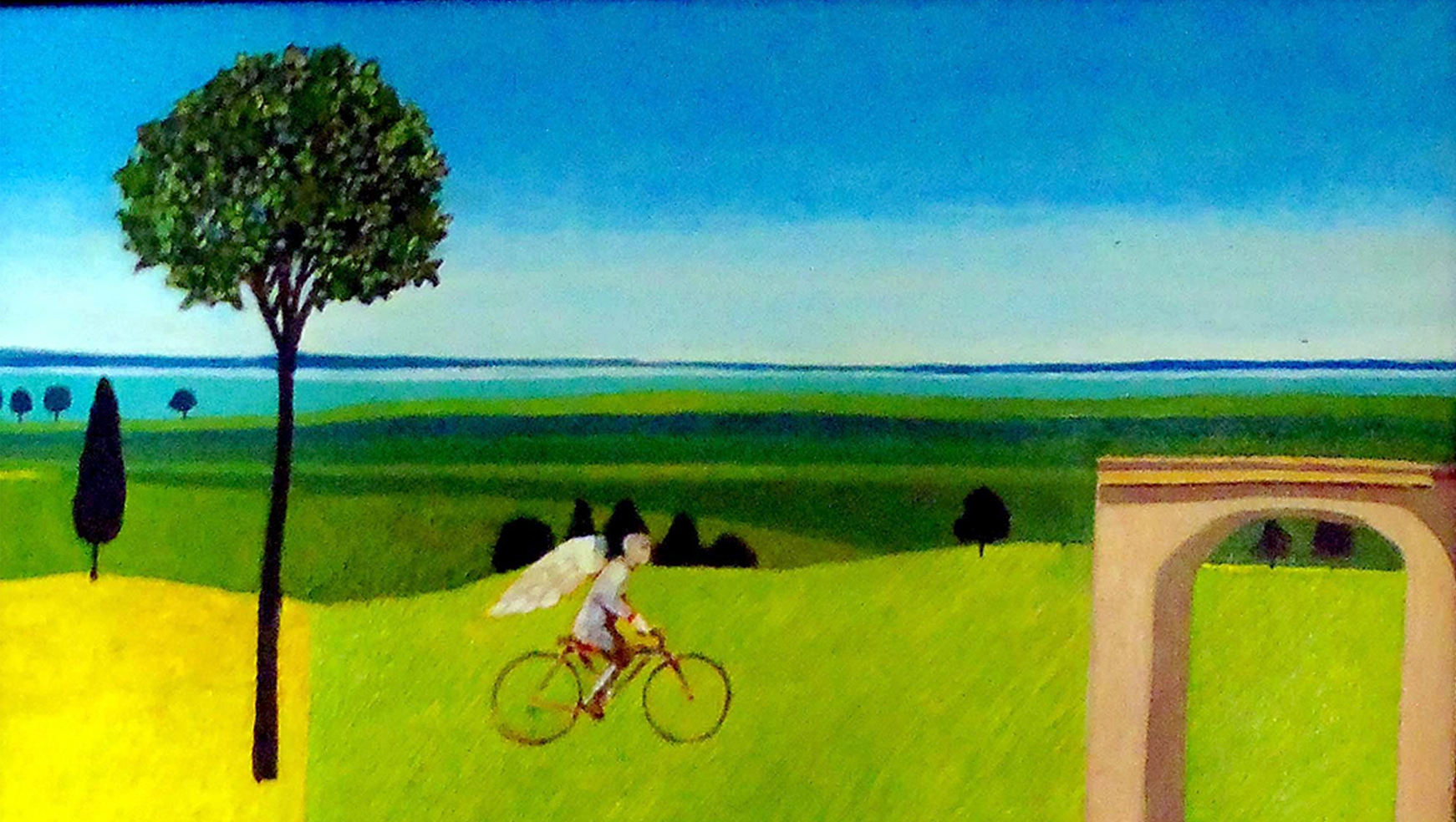
Yadollah Mooqhen: The Philosopher on a Bicycle

We published a tribute to the renowned translator and philosopher Yadollah Mooghqen, who died in Isfahan. He spent a lifetime bringing some of the world's most important works of philosophy into Persian. Written by a close friend from his hometown, the intimate portrait visits his book-filled home and traces the remarkable journey of a man whose curiosity shaped his life, from studying physics in Iran and philosophy in Britain to becoming one of Iran's finest scholars of philosophy.


Barred from teaching after the Cultural Revolution because he was a Bahá'í, he turned years of enforced isolation into an extraordinary career as a translator and scholar. It is a warm portrait of one of Iran's most original and quietly influential intellectuals. One las

Follow us: