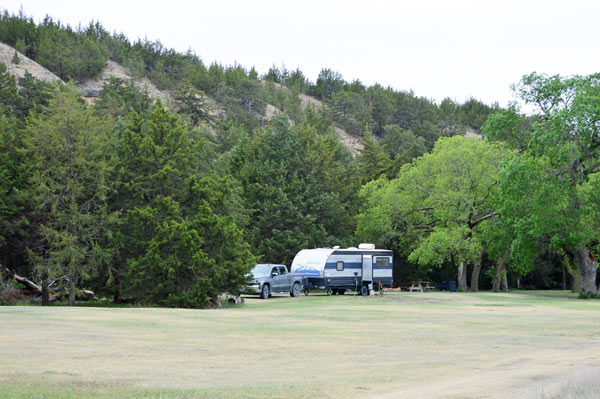
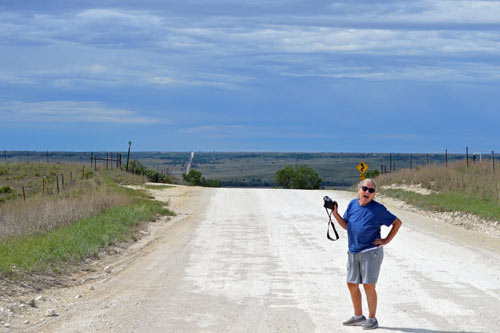
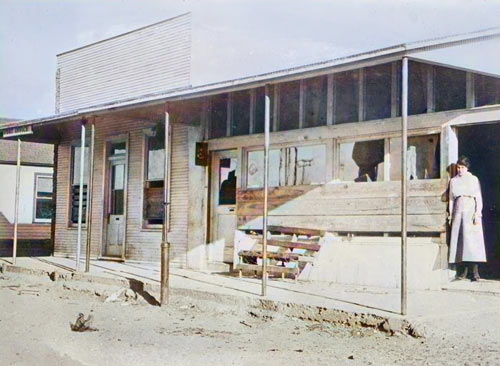
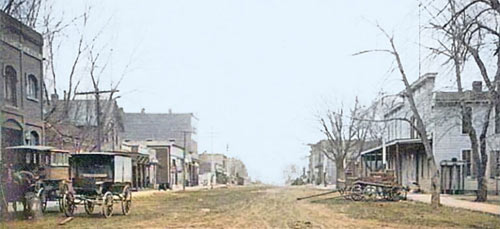
In this newsletter: and more... | | Latest from our world | | [Caption - Dave: "Hope I don't have to drag the trailer down more dirt roads today."
Kathy: (after 18 miles of nothing but Kansas dirt)]
Kathy and I celebrated our 20th wedding anniversary this month! And Legends of America turns 23 years old on June 27!! Time for celebration and reflection on two decades worth of doing what we love... sharing American History and Travel Destinations. Even more exciting as we approach the 250th Birthday of the United States on July 4th.
Yet this year's celebrations seem clouded.
Scrolling through social media, past one divisive/political post after another, I can't help but wonder if our nation was more united during our Bicentennial in 1976.
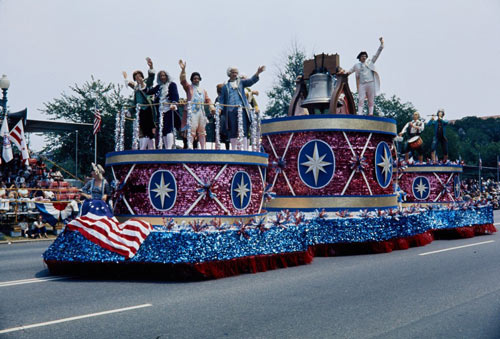
Back then, Schoolhouse Rock taught us on Saturday mornings about History and the process of passing laws (remember "I'm just a bill"?). The Concorde supersonic jet landed in the U.S., and NASA landed on Mars. I remember a lot of patriotism, parades, the colorful fireworks, Red, White, and Blue everywhere, and a general American Spirit throughout the country.
It was all so Patriotic, and I was proud to be an American...then I realized...I was only eight years old.
| | Being young in 1976, we had an advantage. No 24-hour news and opinion cycle, just nightly news on three major networks. And no internet with social media. That meant many of us could stay blissfully ignorant of the turmoil surrounding us and view those with 'extreme' views as just another passing voice lost in a crowd.
The adults at the time most likely remember the divisions better than I. It had been only a year since President Nixon resigned over the Watergate scandal, and only months after the Vietnam War ended, the first highly televised war, leaving Americans divided over its brutality and cost, both monetary and human. The Oil Crisis had started three years previously, and there was severe economic stagflation.
While National Celebrations in 1976 seemed hollow to some, local communities stepped up with thousands of celebrations, parades, and time capsules. Spurred by the initiatives of the American Revolution Bicentennial Administration, towns and counties nationwide could earn national recognition and support for local history, recreation, and other projects. By the end of the year, over 12,000 communities had received the federal designation, leaving a lasting impact on public history organizations and local museums. About 90% of the American public participated in these local events. It was a time to rebuild trust in government and restore civic pride.
So how are we feeling about the Semiquincentennial? Our great nation is now 250. How will our youth remember this year? Will it be with pride and patriotism for their country, or will it be the memory of a united nation lost to division? I hope and pray our local communities can step up again and celebrate with wide-eyed enthusiasm that filters down to our youth.
I, for one, will be viewing our 250th through the lens of an eight-year-old from 1976.
Dave Alexander | | | | From small to large, canvas and more, we have your patriotic American memories available in Legends' Photo Print Shop.
Save 20% when you use coupon code NEWS20 during checkout!
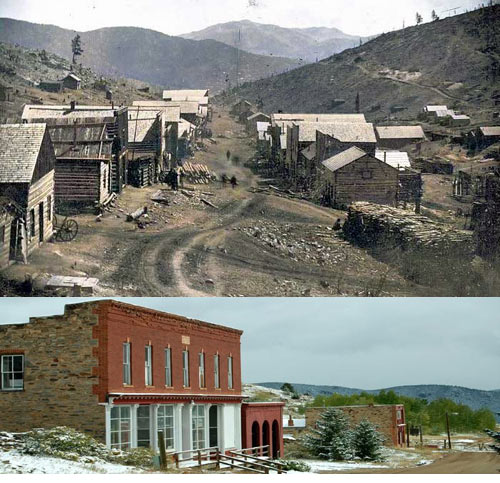
| | | | Here are some of the recent additions since our last newsletter | | Columbus, New Mexico - Columbus, NM, was established in 1891 just across the Mexican border from Palomas, Chihuahua, Mexico, and was named after the 15th-century explorer Christopher Columbus.
Fort Ouiatenon Historic Park, Lafayette, Indiana - Fort Ouiatenon (wee-ah-teh-non), built in 1717, was the first fortified European settlement in what is now Indiana.
San Antonio–San Diego Mail Line - The San Antonio-San Diego Mail Line, also known as the Jackass Mail, was the earliest overland stagecoach and mail operation from the Eastern United States
Why Healing Springs Became Famous Destinations Across Early America - (submitted by Jesse Galanis) In early America, most people had very few places where real rest was possible. The springs promised something people desperately wanted: relief.
Old West Health Hacks: Surviving With Limited Medical Care - (submitted by Jesse Galanis) No pharmacy. No ER. Maybe a dusty medical kit and a neighbor who knows how to splint a broken bone. That was daily life across the Old West!
| | Clyde, Kansas - (Legends of Kansas) Clyde, Kansas, is a small town at the base of Elk Creek along the banks of the Republican River in Elk Township of Cloud County.
Hanover, Kansas - (Legends of Kansas) Hanover, Kansas, is a small town in Washington County, approximately 7.5 miles south of the Nebraska-Kansas state line.
St Joseph & Western Railroad - (Legends of Kansas) Construction of the St Joseph & Western Railroad (SJ&W) began in 1867.
Clifton, Kansas - (Legends of Kansas) Clifton, Kansas, is a small town on the Republican River in Washington and Clay Counties. It was moved a few times before finally resting in its current location.
Flint Hills Trail State Park, Kansas - (Legends of Kansas) The Flint Hills Trail State Park in Kansas, an old railroad corridor, stretches for 118 miles across east-central Kansas.
Chapman, Kansas - (Legends of Kansas) Chapman, Kansas, is a small town on the north bank of the Smoky Hill River in the eastern part of Dickinson County.
We've added 28 new articles since our last newsletter...
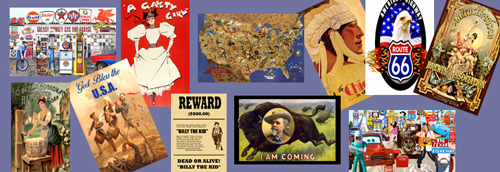
| | | Posters from Legends' General Store | | From the Old West to Route 66, Native American, and saloon and pub art, these 11x17" posters make great additions to your home and wonderful gifts.
Made in the USA.
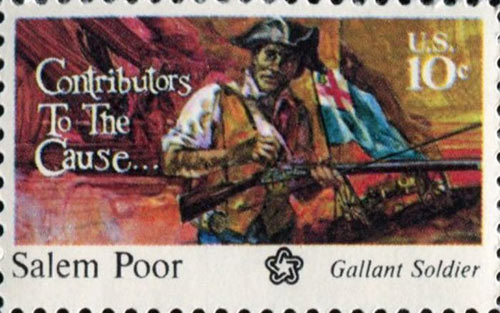
Save 20% when you use coupon code NEWS20. | | | | | Salem Poor was an African-American slave who purchased his freedom, became a soldier, and rose to fame as a war hero during the Battle of Bunker Hill during the American Revolution.
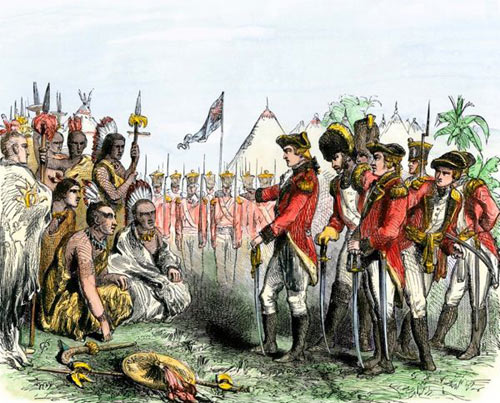
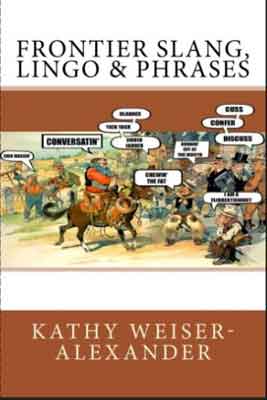
| | | American Indians and the American Revolution | | The Declaration of Independence accused King George III of unleashing “merciless Indian Savages” against innocent men, women, and children. The image of ferocious warriors propelled into action by a tyrannical monarch fixed in memory and imagination the Indians‘ role in the American Revolution and justified their subsequent treatment. But, many Indian nations tried to stay out of the conflict; some sided with the Americans, and those who fought with the British were not the king’s pawns... | | | From Legends' General Store | | From the pages of period newspapers, books, and century old dictionaries comes the slang, lingo, and phrases of the American Frontier. Even if you're not looking for a definition, you'll get a peek into the charm and character of a historic era.
Save 20% off with coupon code NEWS20!
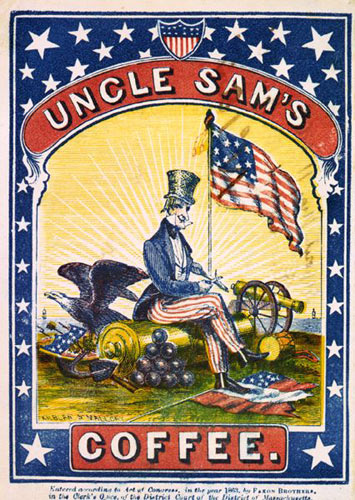
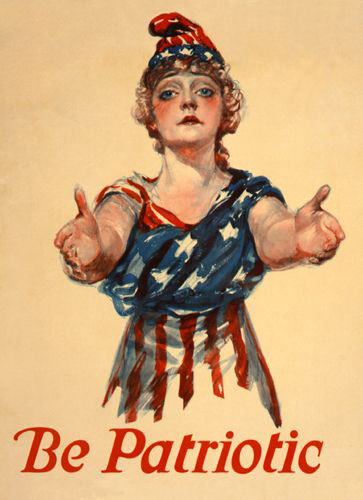
Published by Legends Of America. | | | | | Although Uncle Sam (initials U.S.) is the most popular personification of the United States, many Americans have little or no concept of his origins. The average American might point to the early 20th century and Sam’s frequent appearance on army recruitment posters if pressed. In reality, however, the figure of Uncle Sam dates back much further. Portraying the tradition of representative male icons in America, which can be traced well back to colonial times, the actual figure of Uncle Sam dates from the War of 1812. | | | Let's Get Patriotic - Quotes on U.S. Patriotism, Liberty, Freedom, & More | | National honor is national property of the highest value. -- James Monroe, 5th U.S. President
The things that the flag stands for were created by the experiences of a great people. Everything that it stands for was written by their lives. The flag is the embodiment, not of sentiment, but of history.” — Woodrow Wilson, 28th U.S. President
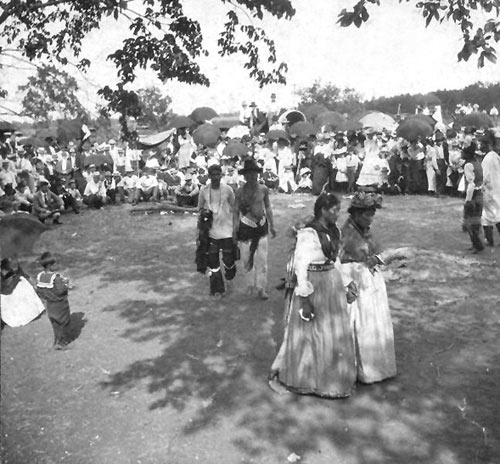
| | | Popular Stories on Facebook | | In case you missed it, here are some of the articles that have been popular on our Facebook Fan Pages recently. | | | | | | The Shawnee are a Native American tribe who, by 1600, were living in the Ohio River Valley. At the time, they were estimated to number 10,000 people. Their name comes from the word “shawun,” meaning “southerner.” Today, there are around 14,000 members.
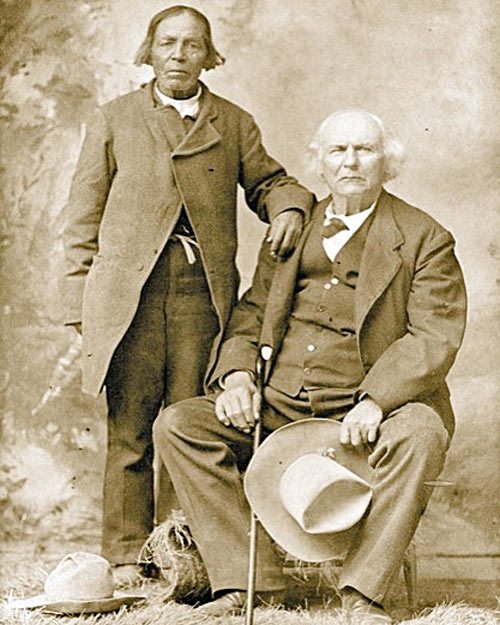
| | | Born May 6, 1816, Richens Lacy “Uncle Dick” Wootton was an American frontiersman, mountain man, trapper, and guide who built a 27-mile toll road over Raton Pass in New Mexico, dramatically improving a tough stretch of the Santa Fe Trail.
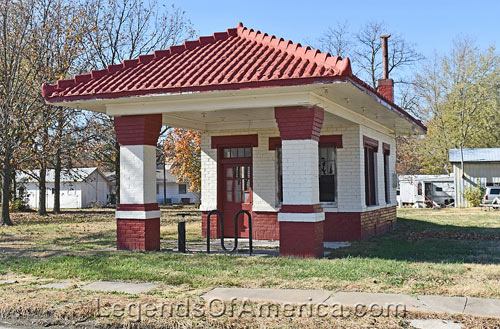
| | | Established in 1871 as Walnut Station, Kansas, the town’s name was shortened to Walnut on April 4, 1877.
The railroad town peaked in population in 1920 with about 650 residents. Today, fewer than 200 remain.
| | | | | Our website and newsletter are supported by some mighty fine readers. Yeah, we're talking about YOU Friend! We just can't thank you enough! Be sure to check out our General Store and Photo Print Shop, helping keep our content free of charge since 2003.
All newsletter readers can enjoy 20% savings. Just use coupon code News20 in 'cart view' at our General Store, or during checkout on our Photo Print Shop. | | | Have a comment about something in this newsletter or any of our stories? Reply to this email or send them to travel@legendsofamerica.com. | | |
|
|