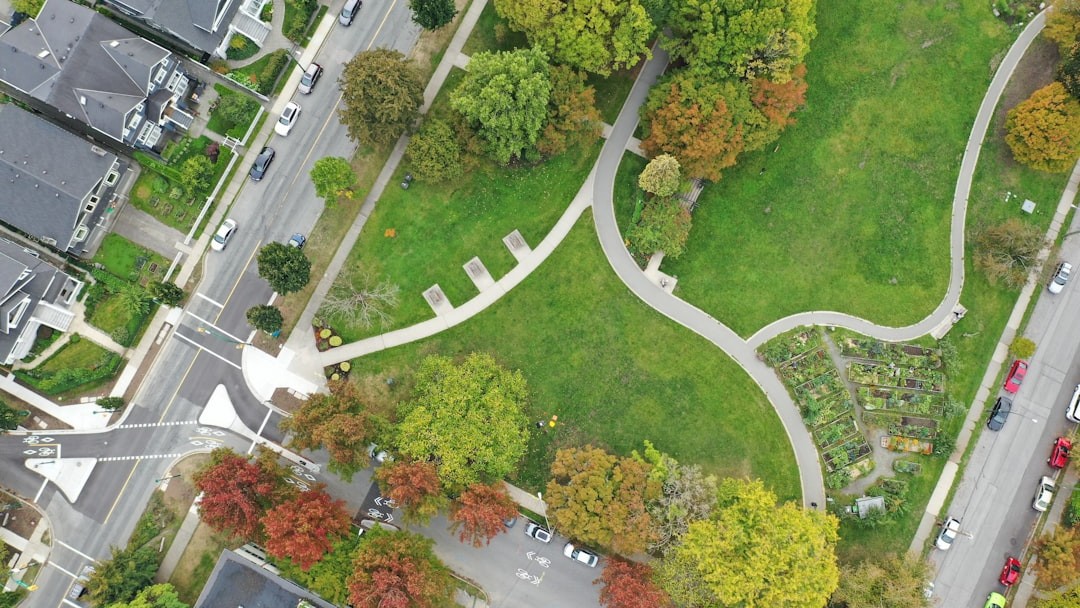
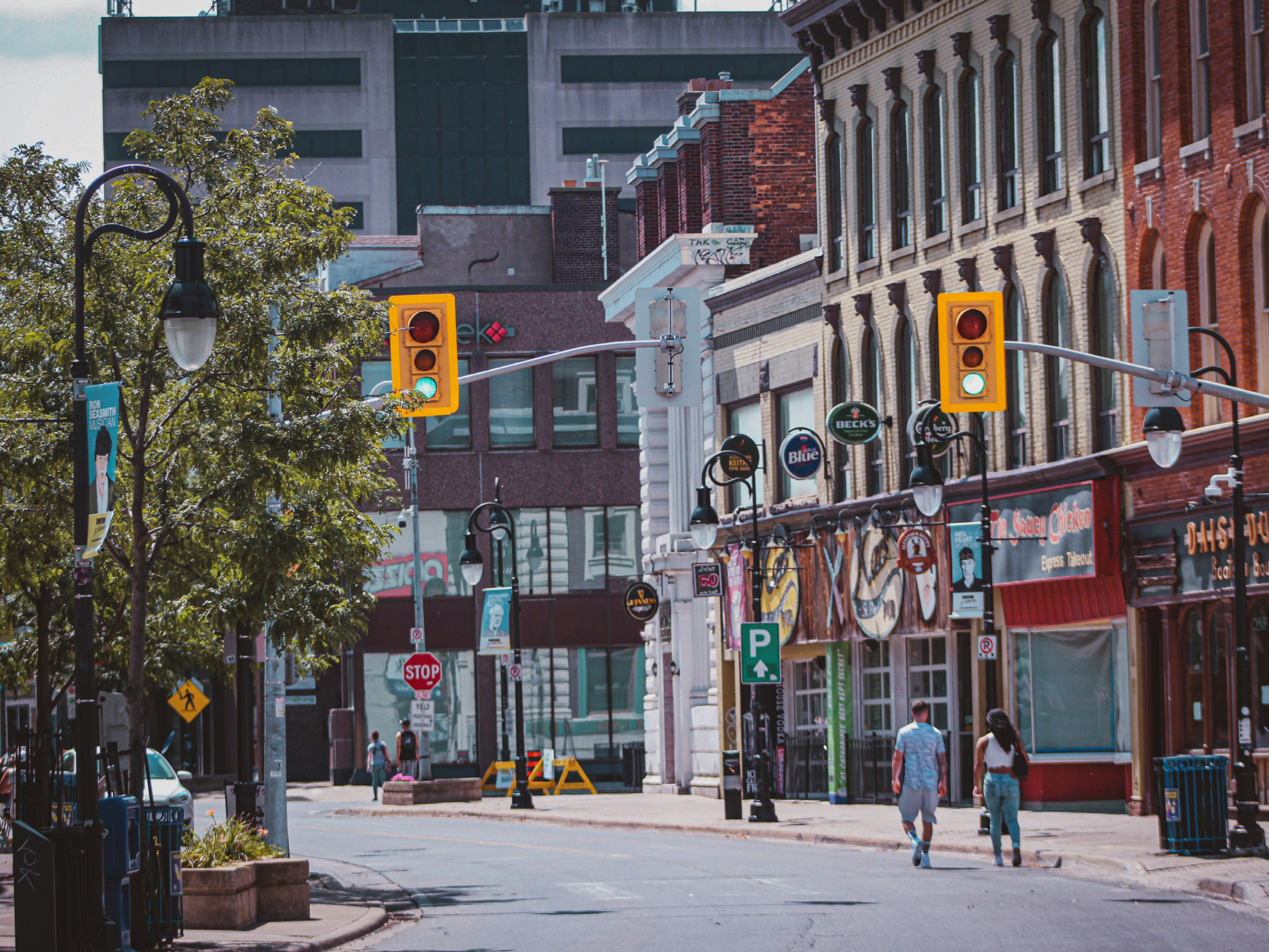
The world has continued to be tumultuous throughout April, marked by challenges that feel bigger than any of us and yet have profound impacts on the individual. In times like these, it can be helpful to pause and reflect on the ordinary places where our lives unfold and on that which is in our control. Streets, sidewalks, neighbourhoods, and public spaces shape how we experience community, belonging, safety, and possibility, often in ways we don’t fully notice until they are threatened, contested, or transformed.
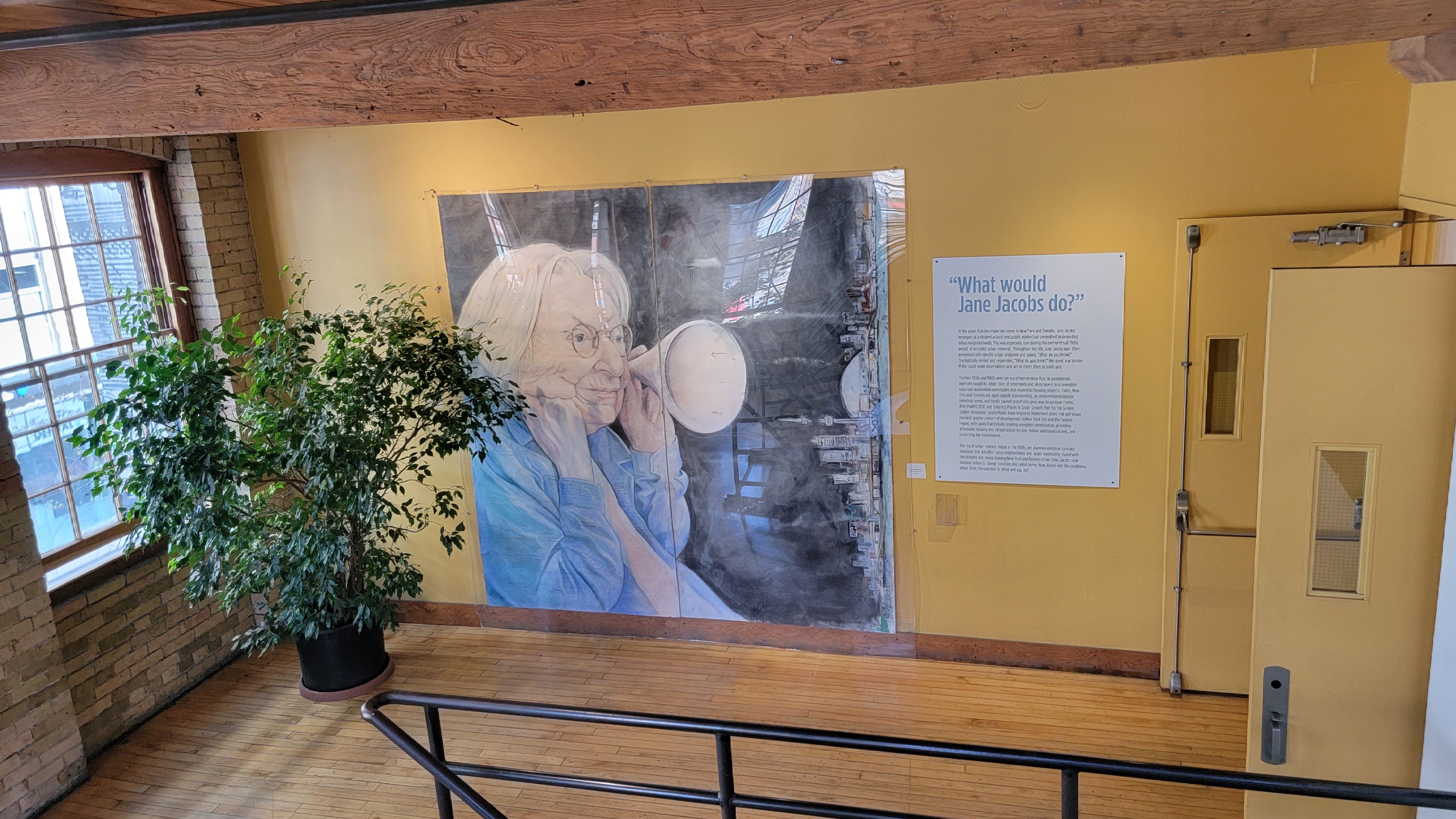
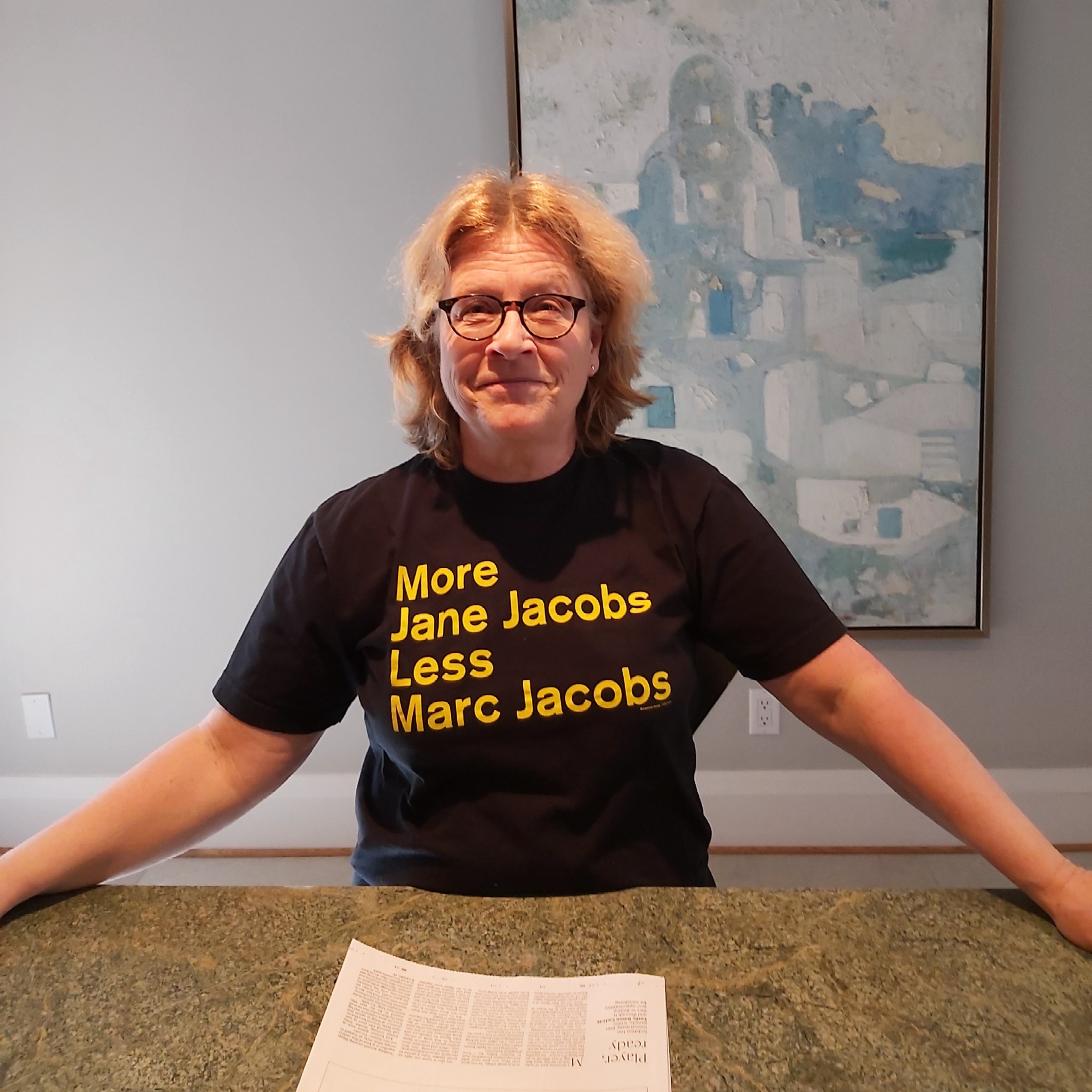
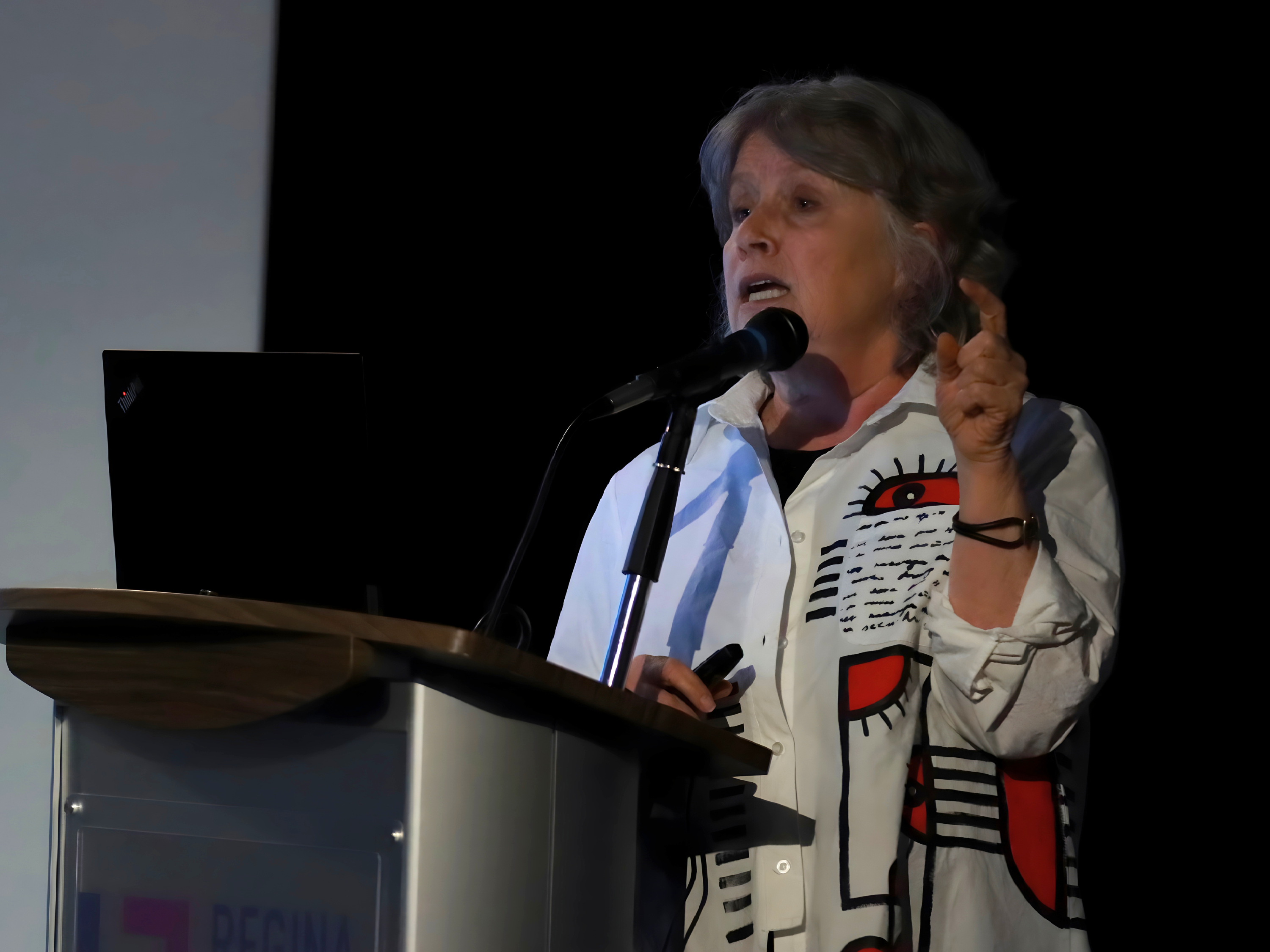
This April marks twenty years since the passing of Jane Jacobs, a writer, urbanist, and activist whose ideas continue to resonate precisely because they were grounded in lived experience. Without formal planning credentials, Jacobs changed how generations of city builders think about cities by paying close attention to how people move through them, care for them, and advocate for them. Her insistence that cities work best when they are observed from the sidewalk up – attentive to everyday rhythms, local knowledge, and human-scale complexity – represents the most accessible and grassroots urbanism available.
Jacobs’ influence spans borders and decades. From her early work in New York’s Greenwich Village to her later years in Toronto, she challenged car-centric planning and top-down decision-making, helping spark a wave of neighbourhood-based activism that still shapes how communities organize and speak up today. At the heart of her legacy is a simple but demanding idea: cities are living ecosystems, shaped by the people who inhabit them, and they deserve care, curiosity, and public participation.
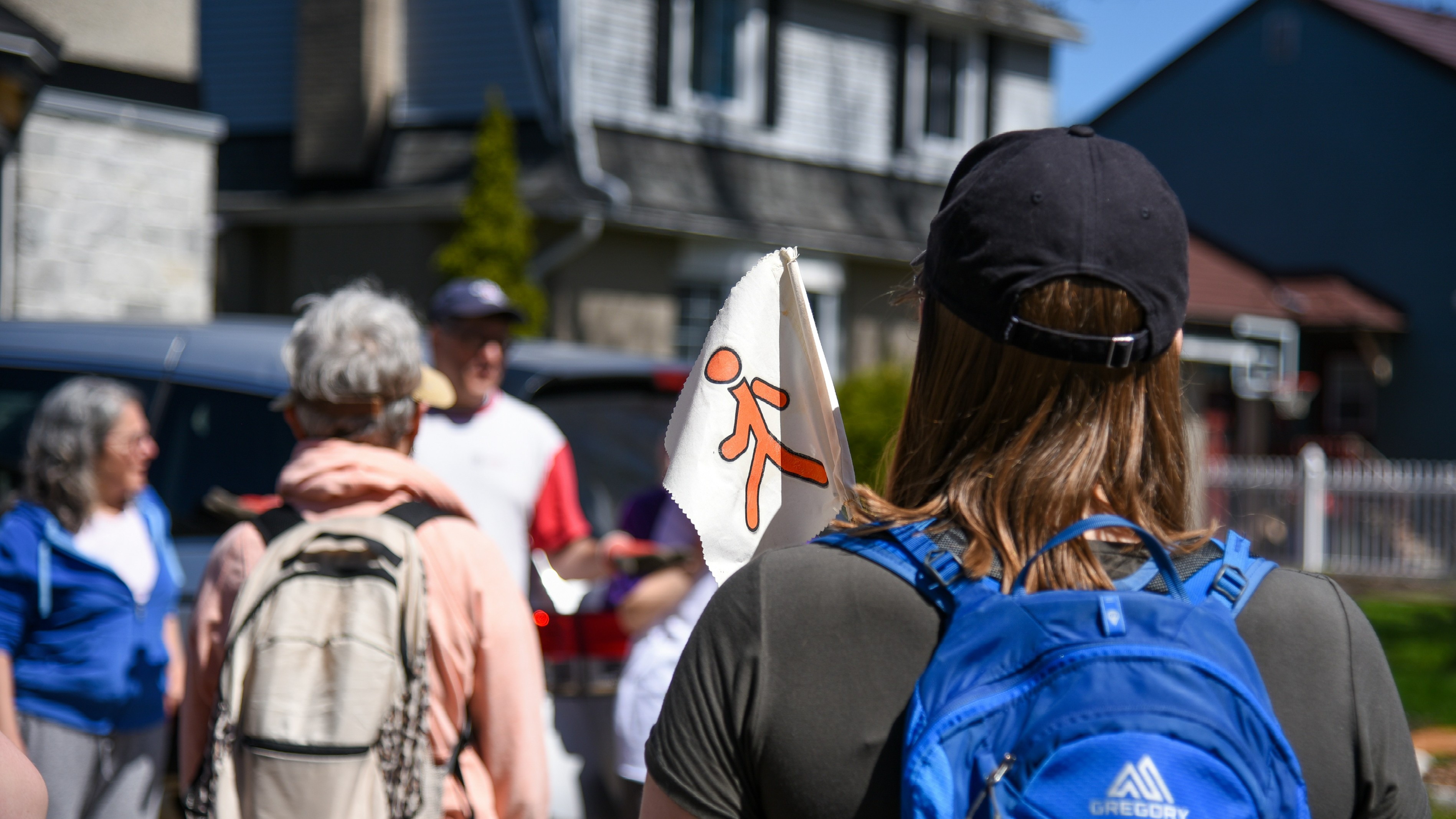
That spirit of paying attention to place, listening to many voices, and engaging critically with how our cities work continues to animate community-led efforts across the country and around the world. Whether through conversations sparked on a walk, a local project, or a shared concern for a main street or public space, these moments of collective reflection remind us that city-building is deeply personal.
As we move through this spring in a time that can feel confusing and even overwhelming, I invite you to carry Jane Jacobs' perspective with you: notice your surroundings, stay grounded, ask questions, and be curious about how your city got to where it is – and where it might go next. As Jane Jacobs said, "The trust of a city street is formed over time from many, many little public sidewalk contacts... Most of it is ostensibly trivial but the sum is not trivial at all.”