Subject: Towards Palestinian Liberation: Global Perspectives on Anti-Colonial Resistance and Solidarity.

Read the full online dossier.
Was this forwarded to you? Sign up here

Dear Friend,


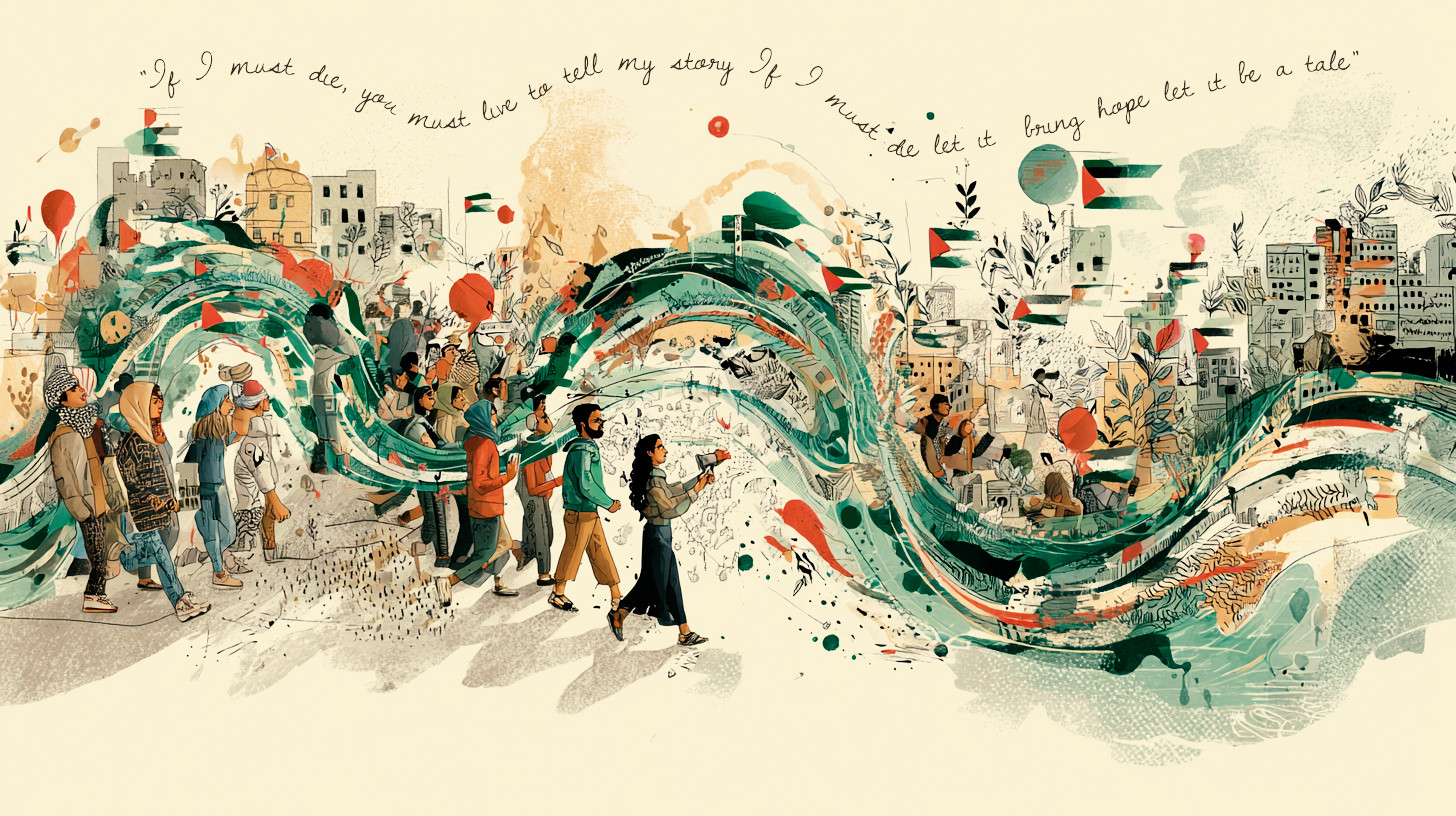
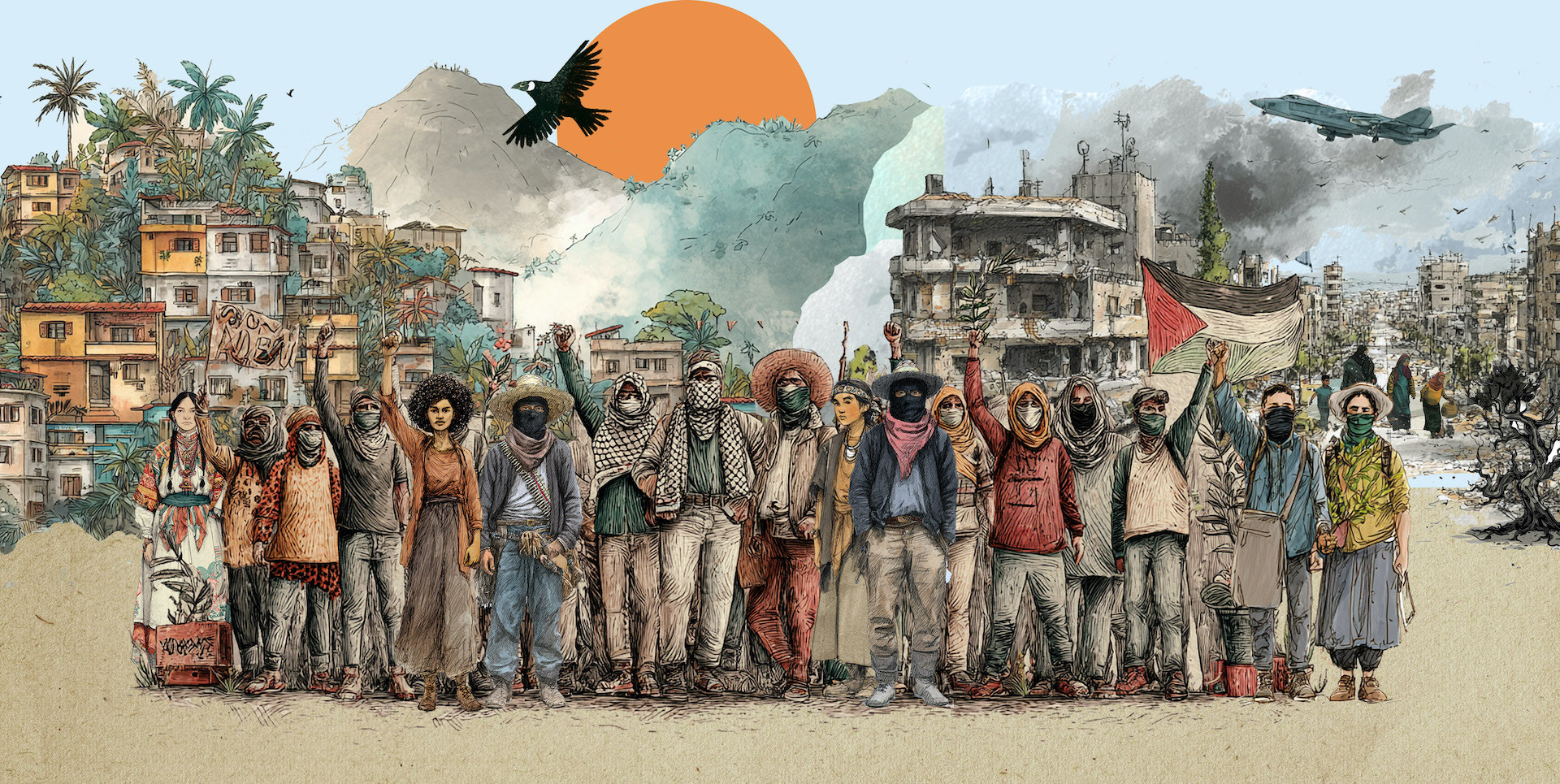
Palestine is not an isolated struggle. It is a node in a global system of imperial power, ecological violence, and colonial dispossession — and understanding it means tracing those connections across continents and decades. 


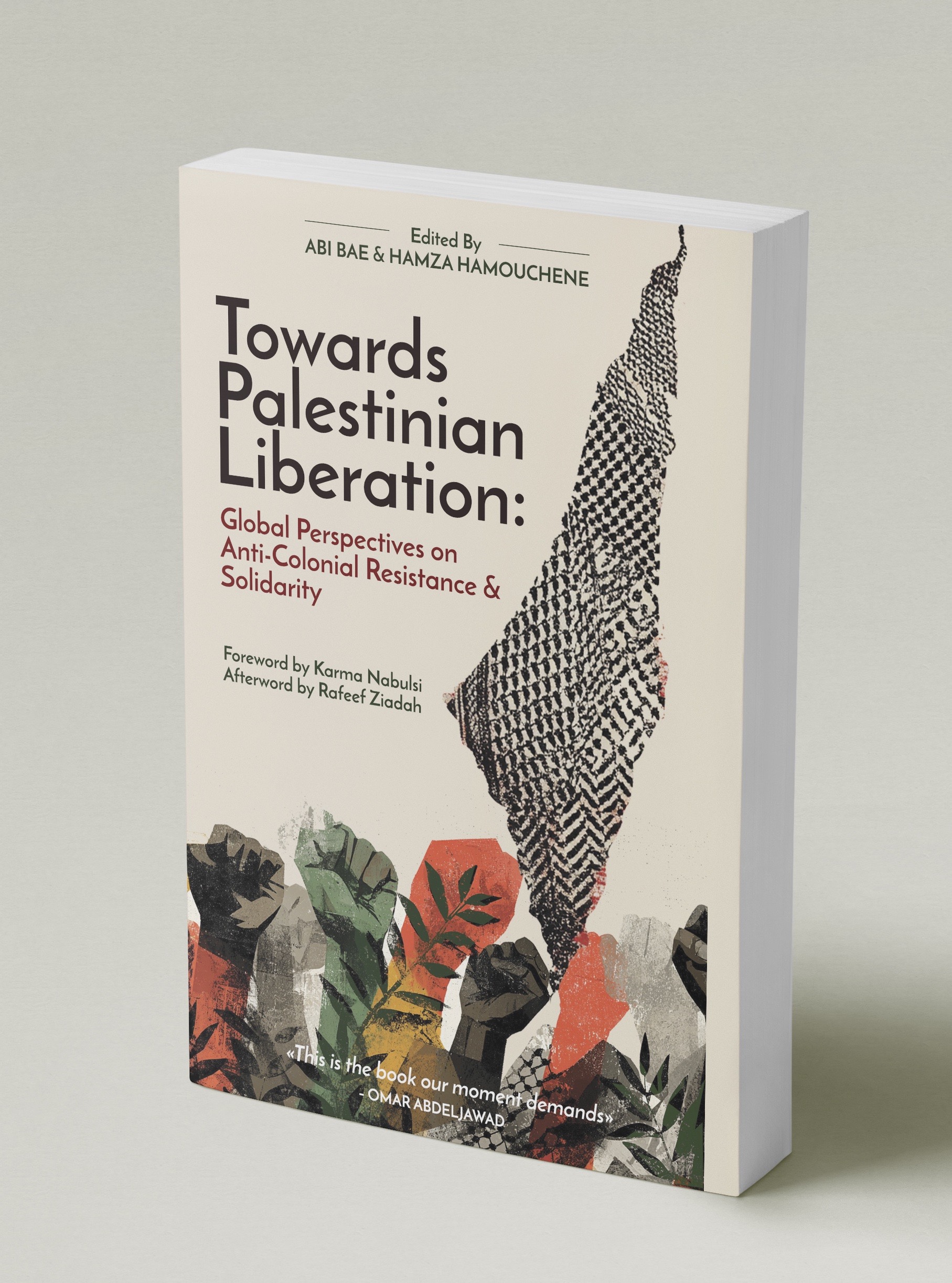
The dossier Towards Palestinian Liberation brings together these perspectives: from the Gulf states and American power to the African liberation movements, from Vietnam and Algeria to the favelas of Brazil, from Indigenous Turtle Island to the streets of Cairo. Sixteen contributors. Four continents. One unfinished struggle.


This online dossier accompanies the book Towards Palestinian Liberation, which is also available to purchase online through Daraja Press.


Free shipping across North America, the European Union and the United Kingdom.

TNI challenges systems of power and inequality, connects struggles for justice across borders and supports movements for transformative change. As this essential work becomes more difficult to fund, your donation helps sustain TNI's independence and continue this work towards a more just and peaceful world. Thank you.


-Foreword & Introduction-

Karma Nabulsi opens with what a lifetime of Palestinian organising has taught her — about standing firm, about universalism as practice rather than position, about why Palestine remains the measure. Abi Bae and Hamza Hamouchene follow with the long view: tracing liberation struggles across history and geography, finding grounds for hope in the longue durée without flinching from the weight of the present. Together, they set the terms for everything that follows.

Foreword to the Palestine collection

By Karma Nabulsi


In this foreword, Karma Nabulsi reflects on a century of organising for Palestine, tracing solidarity, resistance and the shared struggle for justice that continues to inspire movements worldwide

Introduction: The long and arduous road to a liberated Palestine

By Abi Bae and Hamza Hamouchene


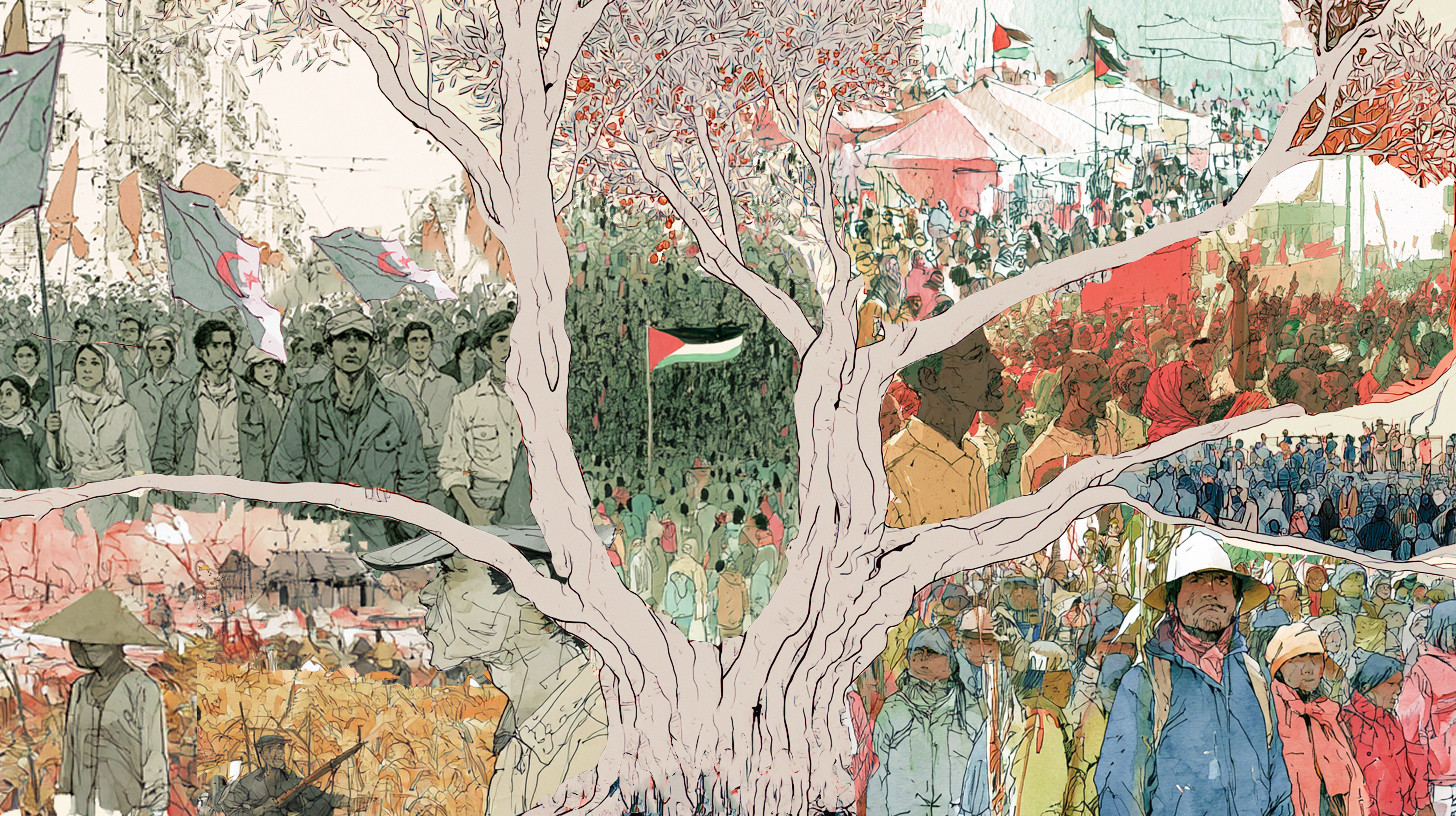
What connects Vietnam, Algeria, and Palestine? This introduction traces a century of anti-colonial struggle and solidarity — from the Nakba to the genocide in Gaza — to recentre Palestine as a defining struggle of the global South.


-Palestinian Liberation: An Anti-Imperial, Eco-Just and Transnational Struggle-


Section I, “Palestinian liberation: an anti-imperial, eco-just and transnational struggle”, sets the context and advances an understanding of the struggle for Palestinian liberation today as an anti-imperial and transnational struggle in the era of socio-ecological collapse.

Framing Palestine

Israel, the Gulf states, and American power in the Middle East

By Adam Hanieh


An alternative approach to understanding Palestine – one that is framed by the wider region and the Middle East’s central place in our fossil fuel-centred world.

Palestine in a world of struggle

The role of Palestinians in Third World solidarity

By Wael Omar

Palestine did not become politically central through sympathy alone, but through decades of struggle that linked liberation to a wider anti-imperialist project. As that history is obscured, this essay asks what Palestine’s centrality reveals about solidarity, power, and worldmaking today.

Sustainability fantasies/genocidal realities

Palestine against an eco-apartheid world

By Vijay Kolinjivadi and Asmaa Ashraf

Gaza endures unprecedented devastation, with relentless bombings since October 2023 reducing its landscape to over 40 million tonnes of rubble. This destruction has led to thousands of civilian casualties, while hospitals, essential services, and the environment suffer extreme contamination. This essay examines Gaza’s plight as part of a broader eco-apartheid system, perpetuating colonial violence to safeguard Western interests and profits.

Out-Organise the Enemy!

Eqbal Ahmad and the liberation of Palestine

By Arun Kundnani


The late Pakistani intellectual Eqbal Ahmed saw armed struggle as necessary under certain conditions, including in occupied Palestine, but argued that it must serve a broader revolutionary political strategy. Rather than alienating potential allies, resistance should build political support through a flexible combination of militant and political tactics. Rejecting the binary between violence and nonviolence, Ahmed approached political violence strategically rather than through purely moral judgments.


-From Palestine to Africa and the Arab World-

Section II, “From Palestine to Africa and the Arab world”, turns to the intersections between Palestine, Africa, and the Arab region, fleshing out the connections between the liberation struggles of their peoples while identifying the challenges that exist – and how to overcome them.

African attitudes to, and solidarity with, Palestine

From the 1940s to Israel’s Genocide in Gaza

By Kribsoo Diallo


In response to the October 7, 2023 attacks and Israel’s subsequent assault on Gaza, many African countries have expressed solidarity with Palestine and condemned Israeli actions. Yet African support has evolved over the past 50 years, as the revolutionary principles of liberation and South–South solidarity have weakened. Meanwhile, Israel’s diplomatic ties with 44 African countries have complicated efforts to maintain a unified African position on Palestine.

Failing Palestine by failing the Sudanese Revolution

Lessons from the intersections of Sudan and Palestine in politics, media and organising

By Muzan Alneel (1986 - 2026)


Why does popular support for Palestinian rights often fail to generate impactful solidarity? This article explores Sudan's intersecting struggles with Palestine, examining metaphysicalisation, Black-Arab solidarity tensions, and the global attention divide to uncover effective paths towards liberation.

“The condition for freedom is for the Egyptian masses to take to the streets”

Egypt’s centrality in the struggle for Palestine

By Nihal El Aasar


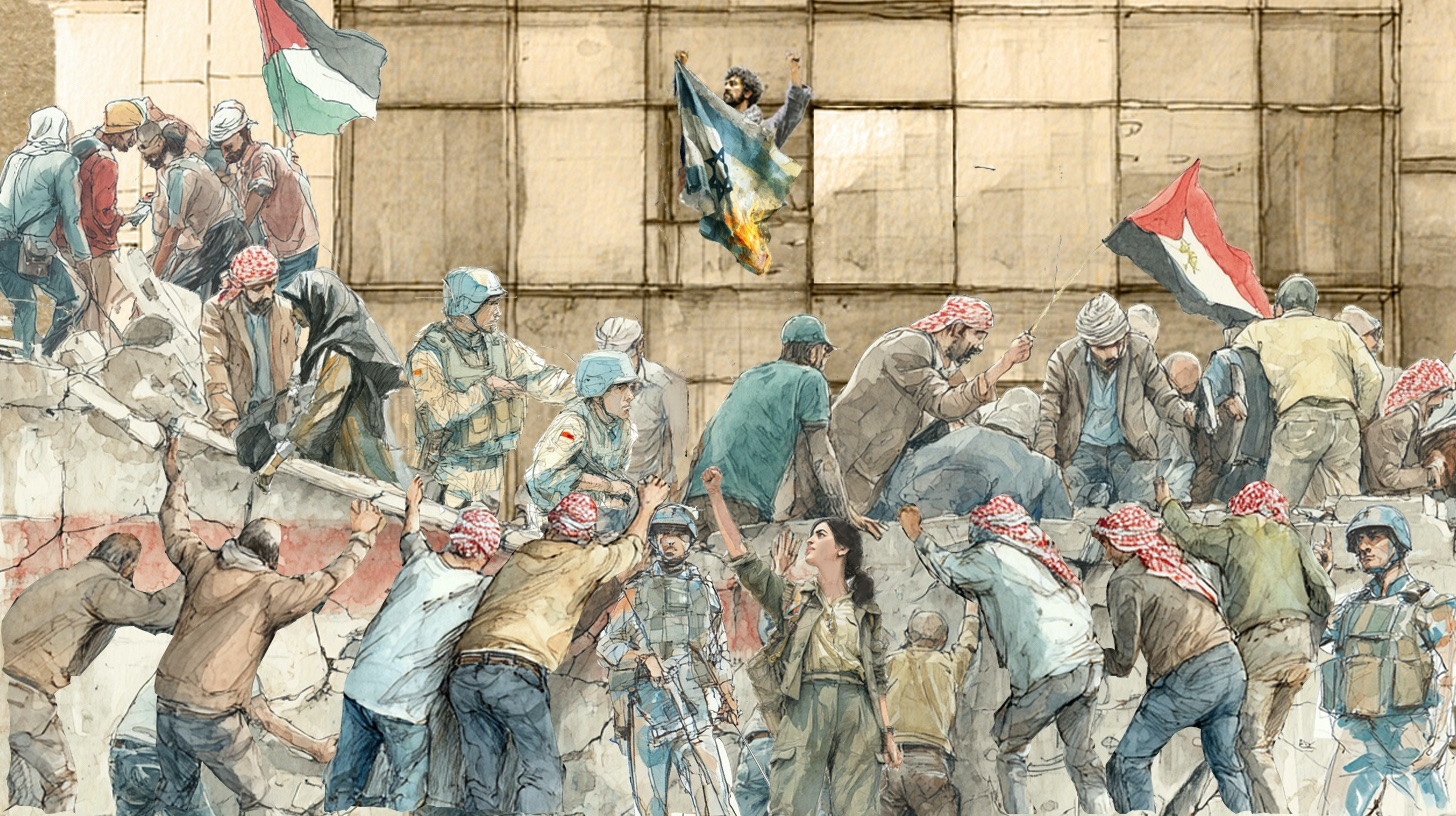
Nasser’s dictum ‘No voice rises above the sound of battle’ has returned with brutal clarity in the era of Israel’s genocide in Gaza. This essay approaches the slogan not as nostalgia but as a contested political diagnosis: that in a region structured by settler-colonial violence and imperial proxy power, projects of democracy, development and social justice are repeatedly compelled to confront the unresolved question of liberation. Tracing debates on the Arab left from decolonisation to Camp David and the present, it argues that treating ‘rights’ and ‘reform’ as separable from Palestine misrecognises the primary contradiction—one that continues to organise repression, underdevelopment and defeat across the region.


-From Palestine to Asia-

Section III, “From Palestine to Asia”, starts by exploring the African/NAWA–Asian ties of anti-colonial solidarity that have linked Algeria, Vietnam and Palestine, before diving into the shifting positions of two Asian powers (India and China) on the Palestinian liberation struggle over the years. 

Vietnam, Algeria, Palestine

Passing on the torch of the anti-colonial struggle

By Hamza Hamouchene


The 70th anniversary of the Battle of Dien Bien Phu and Algeria’s revolution highlights their profound influence on global decolonization. This longread explores their impact on the Palestinian resistance, shedding light on their shared struggle against colonial oppression and their continuing inspiration to the world.

From Global Anti-Imperialism to the Dandelion Fighters

China’s Solidarity with Palestine from 1950 to 2024

By Zhang Sheng


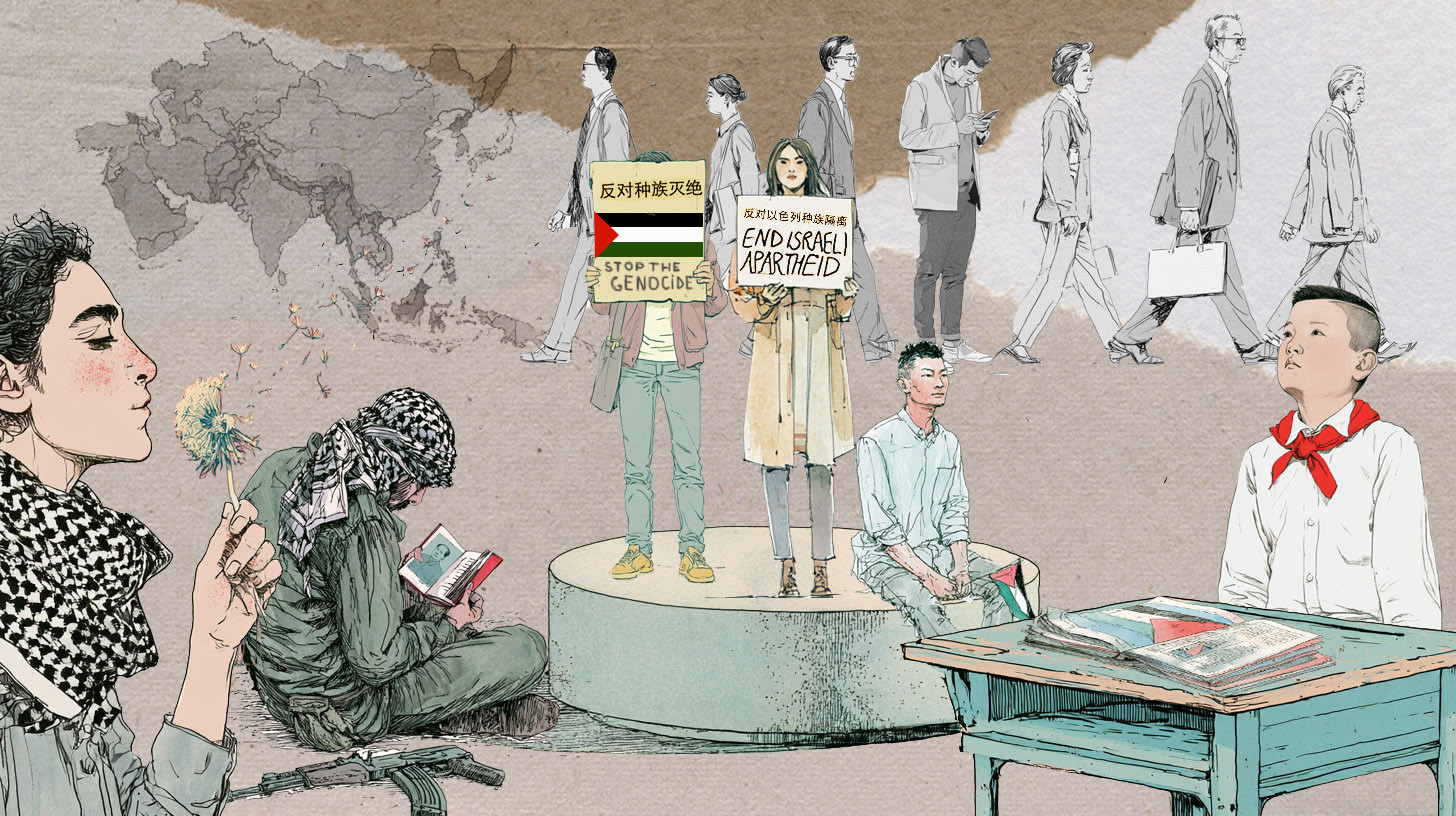
From 1950 to 1976, China's stance on the Palestinian-Israeli conflict underwent a dramatic shift, evolving from potential diplomatic ties with Israel to staunch support for Palestinian liberation. Rooted in Maoist revolutionary ideals, China provided diplomatic, financial, and military support while fostering domestic solidarity through propaganda and cultural exchange, an enduring legacy shaping China's stance today.

India, Israel, Palestine

New equations demand new solidarities

By Achin Vanaik


India’s stance on Israel and Palestine has shifted dramatically. Once rooted in anti-imperialist solidarity, New Delhi now balances rhetoric with growing military, economic, and ideological ties to Israel. This longread traces the historical trajectory, examines regional dynamics, and explores how Hindutva reshapes India’s foreign policy and domestic responses.


-From Palestine to the Americas-

Section IV, “From Palestine to the Americas”, first looks at Latin American solidarity and how the Palestinian struggle is interlinked with struggles against dispossession, extractivism, and state and police violence in the region, particularly in Brazil; it then turns to Turtle Island (North America) and draws parallels between the genocide of Indigenous peoples and the Zionist genocide in Palestine.

Yalla, Yalla, Abya Yala
Reaching out to Palestine from Latin America in times of genocide

By María Landi


Written against the backdrop of genocide, this longread interrogates how state complicity with Israel’s settler-colonial project has persisted beneath “two-state” common sense, foregrounding grassroots organising, BDS, and South–South solidarity and urging a turn from symbolic outrage to effective action.

From the Favelas and Rural Brazil to Gaza

How militarism and greenwashing shape solidarity with Palestine and resistance in Brazil

By Andressa Olivera Soares


Brazil’s solidarity movements have long supported Palestine, but economic and military ties with Israel continue to deepen. As Brazil prepares to host COP30, grassroots campaigns are exposing links between Israeli militarism and domestic inequality, agribusiness, and state violence. This moment offers a key opportunity to strengthen Boycott, Divestment and Sanctions (BDS) efforts.

From Turtle Island to Palestine

Resisting settler colonialism and genocide

By Katsi’tsakwas Ellen Gabriel


Canada's Indian Act and Israel's siege of Gaza share the same logic. Ellen Gabriel of the Kanien'kehá:ka draws on five centuries of resistance to show what Palestinian and Indigenous struggles have in common — and why that matters.

-Afterword-


Rethinking Palestine beyond exceptionalism

Afterword

By Rafeef Ziadah


Solidarity is not a sentiment — it is infrastructure. Rafeef Ziadah maps the economic corridors, energy deals, and security doctrines that sustain settler colonialism, and asks what it takes to build movements that endure beyond moments of outrage.


Credits

Editors: Abi Bae , Hamza Hamouchene

Illustrations by Fourate Chahal El Rekaby

Copy-edited by Ashley Inglis


TNI challenges systems of power and inequality, connects struggles for justice across borders and supports movements for transformative change. As this essential work becomes more difficult to fund, your donation helps sustain TNI's independence and continue this work towards a more just and peaceful world. Thank you.


Powered by:
GetResponse