Dear Friend,
Today marks 10 years since the Paris climate agreement. Over the last decade we have seen more corporate obstruction, more militarism, more missed opportunities and more intransigence from the countries of the global north. Today is also Human Rights Day. In this special newsletter we highlight some of our recent resources and commentaries on the climate emergency and on human rights.
The 2025 global climate negotiations in Brazil concluded with a final agreement that made no mention to phase out fossil fuels. As Friends of the Earth International noted, COP30 “welcomed transnational corporations with open arms,” with over 1,600 fossil fuel lobbyists pushing false solutions under the banner of a ‘green transition’. Ten years after the Paris Agreement, governments continue to trade in vague commitments while the climate emergency accelerates and the 1.5°C target slips further out of reach.
This year was also shaped by the ongoing genocide in Gaza, a brutal reminder that systems of domination and dispossession are inseparable from the global forces driving ecological collapse. Climate chaos strips people of land, water, safety, culture and dignity. To defend the planet is to defend human rights. It also means insisting on rules for corporations, rights for communities, and justice for those long exploited by colonial and extractive systems.
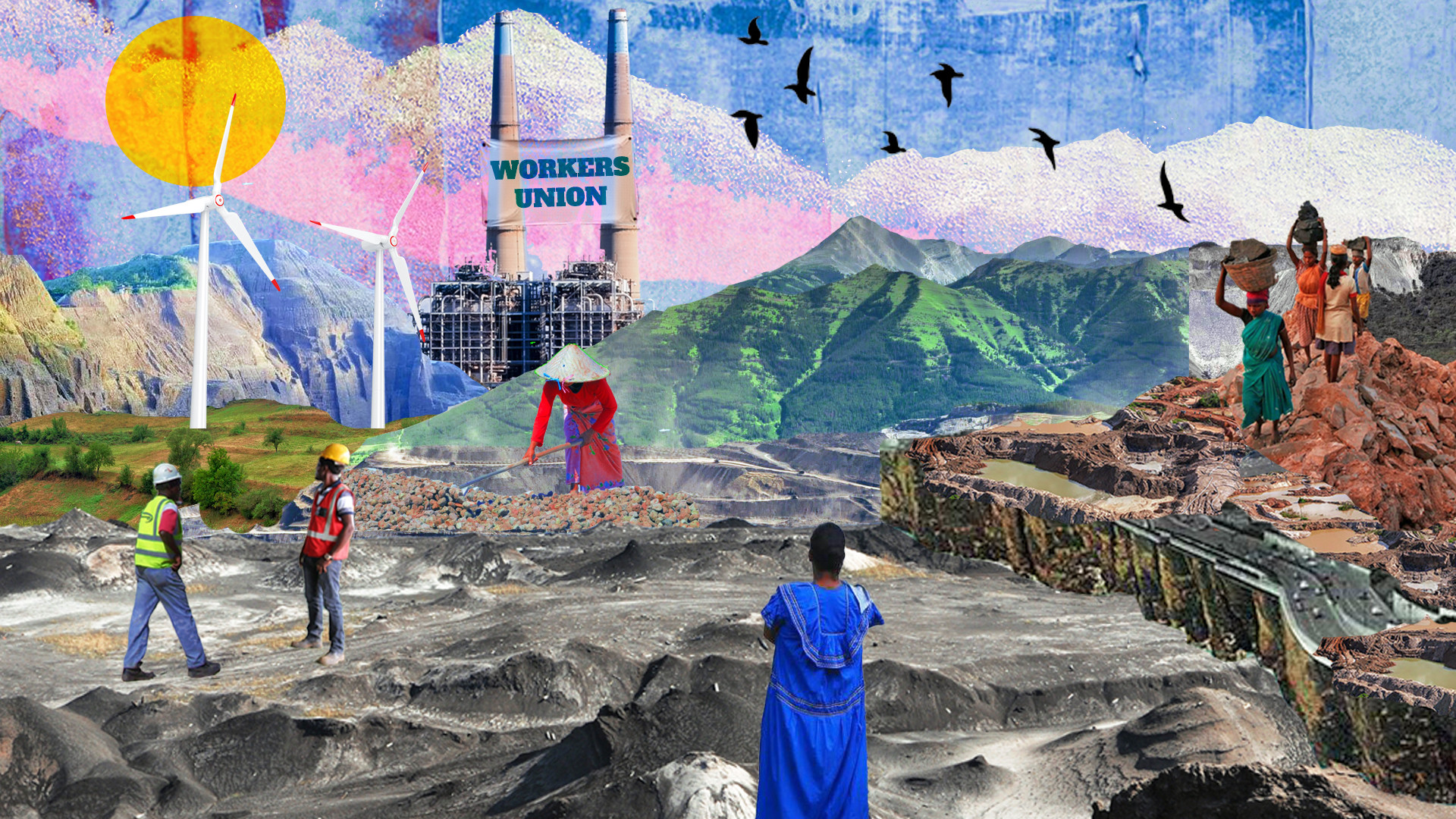
Despite the information pollution of transnational corporations, what must change is abundantly clear: the escalating arms race, the renewed scramble for critical minerals, and extractive energy transitions dressed up as green progress. COP once again avoided the structural questions that matter most. But movements across the world are putting forward real solutions built on solidarity, public power, decolonisation and democracy.
Hope lies in clarity: knowing what does not work, defending what does, and expanding the transformative ideas and real world examples that point the way to a livable, just future. Here we share a selection of TNI’s work, offering insights into the struggles, ideas, and solutions shaping climate justice today, grouped by the kind of knowledge they offer and the communities they serve.