| | | Cape ProvinceLeucospermum (Pincushions) & other Proteaceae in the fynbos biome
Why good: These are indigenous fynbos shrubs with rich nectar yields, often cited as “popular flowers for bees” in South Africa. Timing: For example, one species Leucospermum spathulatum flowers between September and January with peak end of October. Another species flowers Sept–Jan.
Notes for your operations: If your apiary is located in or near the Western Cape / fynbos regions, these shrubs are very good late-winter to spring forage (and continuing into early summer) for nectar. While perhaps less abundant as large‐trees compared with savanna shrubs, the intense nectar yield can result in quality “fynbos honey” which can command a premium. For Fynbos areas, these species are “high-value forage plants” in the region. As the bloom peaks around now (September/October) you may want to ensure your hives are in good condition (enough brood, food stores) to capitalise.
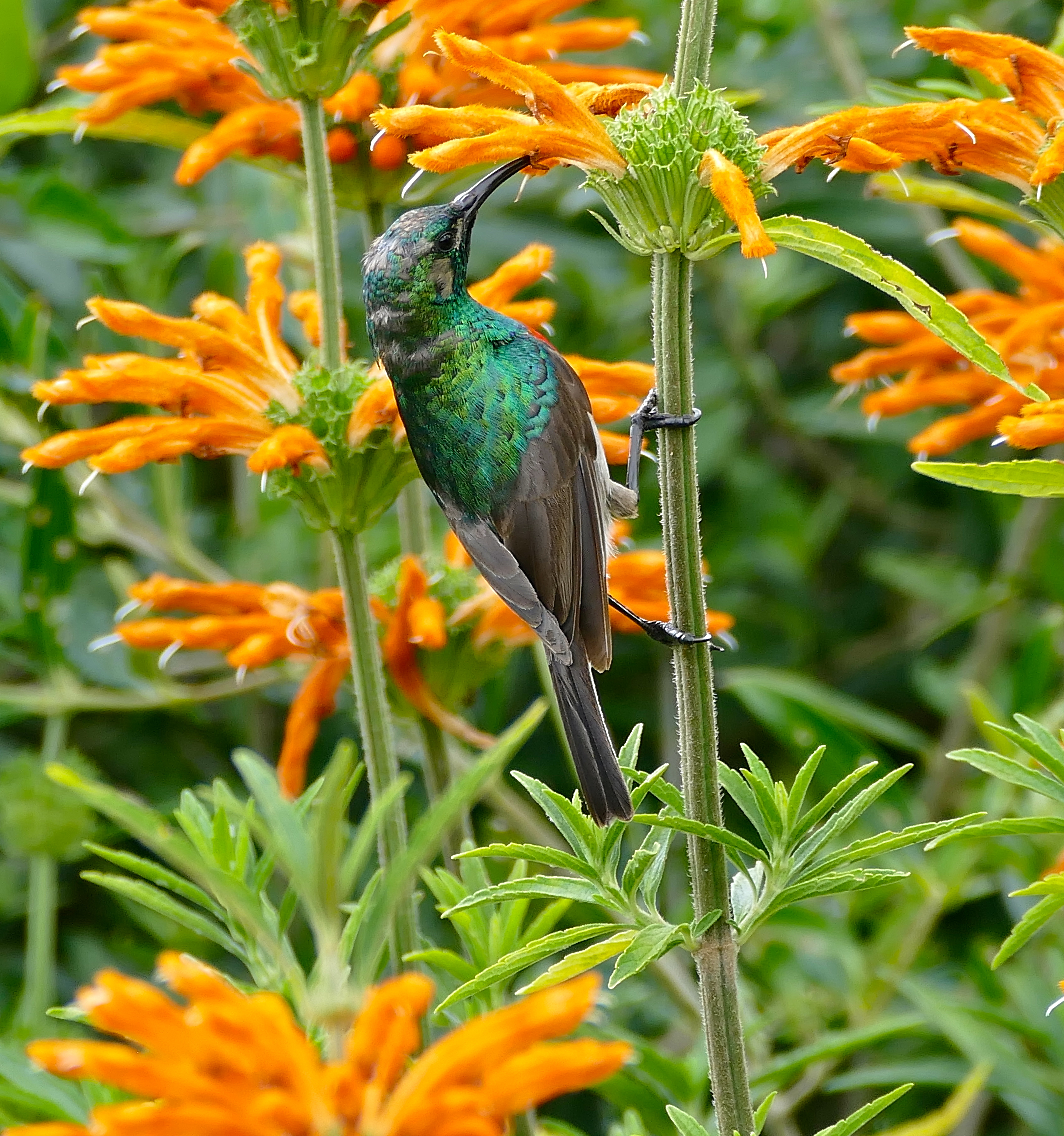
| | 3. Leonotis leonurus (“Wild Dagga” / Lion’s Ear)
Why good: This shrub is cited as being “loved by sunbirds and bees” and appears in wild-flower lists as a reliable source of nectar.
Timing: Blooming from October to January according to a wildflower article about late-season blooms
Notes for your beekeeping: Especially useful as you move into October and beyond — this species helps fill the gap as some earlier forages decline. Being brightly coloured (orange tubular flowers), it attracts both bees and other pollinators; that means strong foraging activity, which you can leverage. If you have access to this species (or can plant/encourage it) near your apiaries in more open terrain / grassland edges, it's a good strategic addition.
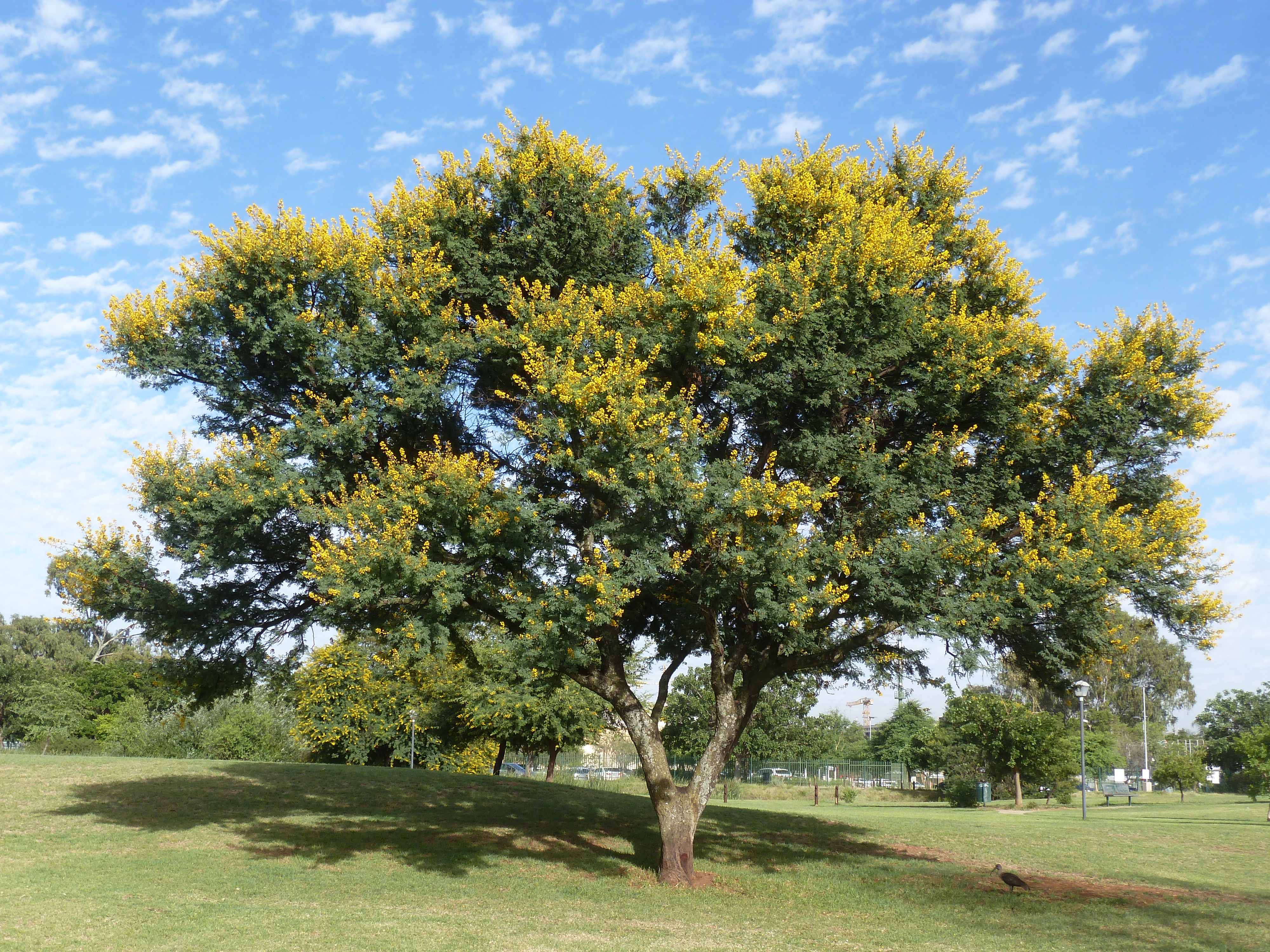
How to Prepare Make sure hive strength is good: ensure you have sufficient brood, good population, minimal disease stress so that when these blooms come you can capture the surplus honey / strong colony growth. Monitor bloom timing closely: walk around the vegetation, note when flowers open in your immediate locality (micro-climates differ). Consider planting or encouraging forage shrubs/trees (e.g., Acacias if you have bushveld, Leonotis for open terrain) so you build a resource for coming seasons.
| | | | Apple (Malus domestica)Flowering / pollination timing: A South African nursery lists the cultivar “Golden Delicious” as beginning to flower ~1st week October, full bloom ~2nd week October. [Tulbagh] A cultivar info sheet for “African Carmine” (apple) lists full-bloom beginning of October in Western Cape.
Value for bees / pollination service:
Apple orchards universally require insect pollination (often honeybee hives placed). Good opportunity for providing pollination services. For you as a beekeeper, placing healthy hives near apple orchards during bloom gives access to high flower density, good pollen + nectar.
This particular forage may have completed its bloom period now in most areas however, some areas may still have a late bloom with a week or so left.
Coordinate with orchard manager on hive placement (e.g., edge of orchard, orientation, shading). Verify bloom window in the specific orchard (variety, altitude, local conditions influence). Since apples require compatible pollinator varieties, check orchard’s pollination plan; you may negotiate hive fees accordingly
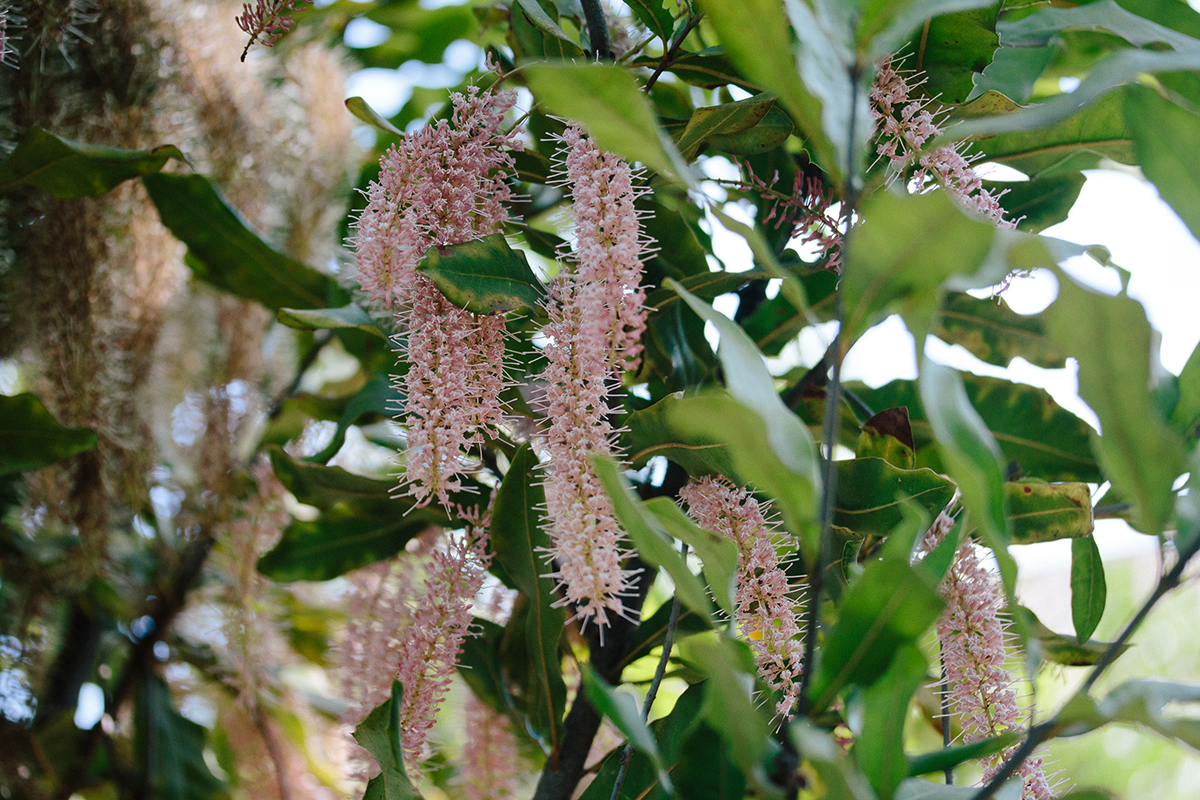
| | Macadamia nut (Macadamia integrifolia & hybrids)Flowering / pollination timing: Industry phenology calendar (South African Macadamia Growers’ Association, SAMAC) shows “Flowering and nut set” phase extending into October. samac.org.za A summary article says tree flower from August to September in SA, with nut set into October. southafrica.co.za
Value for bees / pollination service:
Macadamia flowering produces many white-pinkish racemes of flowers: good nectar/pollen resource for honeybees, and the industry may require pollination support. Because the flowering period is somewhat concentrated, deploying hives at the right time is critical.
Practical notes: Check orchard variety and flowering intensity, as some cultivars flower earlier/later. (E.g., cultivar notes show early intense flowering vs late cultivars.) hillgro.co.za Placement: hives along orchard edges with windbreak and access to water are ideal. Be aware: After bloom the nut-set phase leads to drop of immature nuts; bees may shift away so timing must align with peak bloom. For small apiary operations you might negotiate pollination bonus.
There is a late blooming or off-season secondary bloom in Nelspruit area due to the varietals and the climate that takes place in October.
| | Apple‑leaf tree (Philenoptera violacea) – although not a commercial orchard crop, but interesting for forageFlowering / pollination timing: Value for bees / pollination service: Although not commercial fruit, such flowering trees in surrounding vegetation can boost the pollinator forage environment around orchards or apiaries, helping colony strength. Good to integrate into your beekeeping scheme: if you manage apiaries adjacent to farmland with such trees, you can point to “supportive forage” as value.
Practical notes:
Map presence of such trees near your apiaries; highlight them to partner farmers or landowners as “forage assets”. Use them especially as the orchard crop bloom winds down so bees still have pollen/nectar support and don’t abandon sites.
| | | |
|
|
|