Subject: LRI Ink: Gig Workers Union and Who's Watching Your Workers?

May 28, 2026

To visit the blog post, click on the link below the article.

What's in Ink this week:

  • Massachusetts just certified the App Drivers Union: an SEIU/Machinists co-creation claiming 70,000 gig workers after card-checking just 25% of "active" drivers. The math is worse than it sounds: active drivers are only half the total, meaning the union needed signatures from roughly 12.5% of all drivers statewide. Illinois and Minnesota are next on the map.

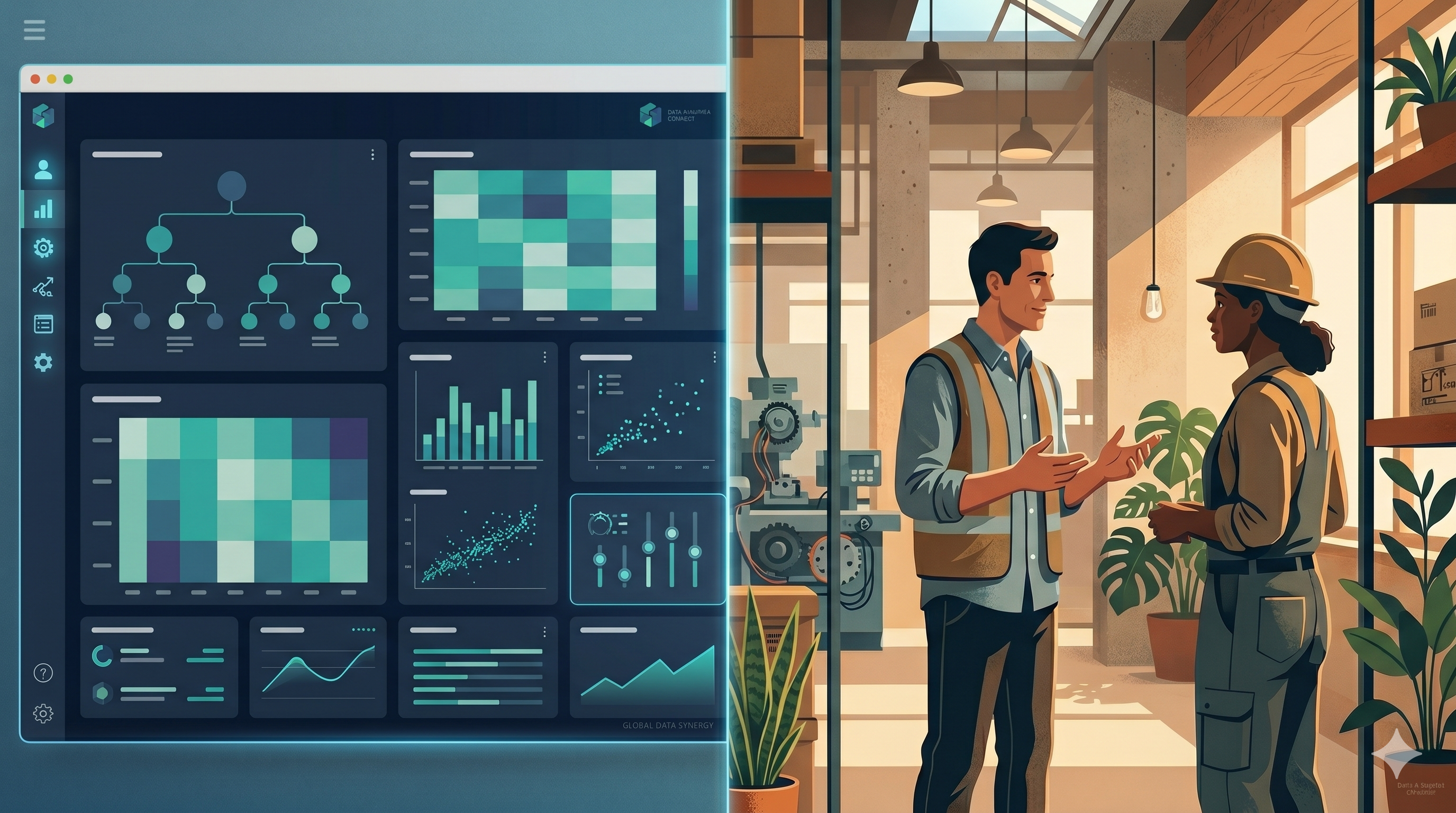
  • Unions are building smarter organizing systems: CRMs that map workplaces, identify activists, and track conversations; and density dashboards that support organizing efforts. The mirror image exists for employers. Your HRIS, engagement surveys, and issues logs should feed a unified picture that someone is actually reading.

  • Kimberly Ricci in SHRM this week: women already practice work/life integration by necessity. Here's what employers can do to help.

  • New Left of Boom Show: Labor attorney Grant Pecor on what happens at the bargaining table, from an 8-month nursing strike to failed ratification votes, and why the Faster Labor Contracts Act would make things worse.

  • Friday Five: the Teamsters clash with IATSE, the Pharmacy Guild-IAM loses an election, and Shawn Fain faces more reform pressure from inside the UAW.

Unions Are Building Workforce Intelligence. Are Employers Ready?

by Michael VanDervort

A UK-based union think tank, Unions 21, recently published a piece on union workforce technology infrastructure.


The piece lays out a blueprint for how unions should structure their data systems, case management tools, communications platforms, and financial infrastructure. The framing: unions have been running on legacy systems built for compliance and reporting, and they need to rebuild around organizing and bargaining.


The main takeaway from the article: a union that doesn't know what workers are thinking can't organize or represent them.


This is equally true for business. An employer that doesn't know what its workforce is thinking can't see what's coming when it comes to organizing.

What Unions Say They're Building

The piece describes a tech stack that would include a CRM built not just to track dues but to map workplaces, identify activists, track conversations, and run digital organizing campaigns. Case management systems that escalate individual grievances into bargaining priorities. Communications infrastructure designed for two-way dialogue, with data showing who is engaging and who isn't.


Density trend dashboards. Real-time visibility into where union strength is falling or growing, by workplace, by sector, by demographic.


That's the stated goal. Whether execution ever matches ambition is a separate question. But the intent is worth understanding.

The Mirror Image

Everything described for unions has a direct counterpart in an employer's ecosystem. Not to surveil workers, but to understand their needs and feelings, help them resolve concerns in a healthy way, and give them a reason to stay out of a third-party relationship.

But here's what the data can't do on its own: take action to fix problems.


Your HRIS can flag a location with rising turnover. Your engagement survey can show a team scoring low on trust in leadership. Your issues log can show that a supervisor is generating three times as many complaints as anyone else in the building. None of that moves until a frontline leader has a conversation or takes action. And in many organizations dealing with union organizing, those conversations never happened.


Not because managers don't care, but because they were promoted for operational competence rather than their relational skills. Nobody told them that understanding what their people are thinking is a key part of the job.


Unions know this. Their organizing model is built entirely on the conversation your supervisor didn't have. The card signing doesn't start with a slick campaign. It starts with one worker who feels unheard, finds someone who listens, and tells two more people.


The secret sauce isn't just better data. It's frontline leaders who know how to use the workforce intelligence they're given, and who are equipped, expected, and held accountable for having conversations that keep trust from going quiet.

Four Principles, Translated

The Unions 21piece offers four principles for unions building their technology stack. Each one applies directly to employers.

Your Data Is Your Intelligence

Your HRIS, engagement survey, turnover data, and issues log shouldn't be separate administrative systems. They should feed a picture of your workforce that someone is reading, and that your supervisors can use to identify concerns early.

Technology Should Follow the Work, Not Define It

Employers adopt engagement platforms for the same bad reasons unions pick the wrong CRM. The vendor makes a compelling pitch. A peer company is using it. The result is a tool that shapes how you work instead of solving a problem you've diagnosed.

Communications Infrastructure Is Organizing Infrastructure

If your communication with employees is broadcast-only, you don't know what they think. You know what you said. Two-way dialogue isn't a tone preference. It's a structural choice that requires platforms, data, and a genuine commitment to acting on what you hear.

Integration Is a Strategic Choice, Not a Technical Detail

Every silo between your HR systems, your manager data, your communications function, and your ER team is a source of friction. This friction can cost you the early warning you needed six months ago.

The Gap Worth Closing

Unions 21 is describing what unions should aspire to build. Many employers aren't where they should be either.


Employers who build this capability early will have a significant advantage over those who don't, and over unions that outpace them on intelligence. They'll see what's developing before it develops. They'll know where to put resources. They'll understand their workforce as something more than a headcount.


The question isn't whether to build that capability. It's whether you build it before or after you need it. LRI Consulting Services works with employers to build the employee relations infrastructure that enables early awareness. Start the conversation at lrionline.com/contact-us


Sectoral Bargaining Strikes Again: How Will Massachusetts Rideshare Drivers Fare After Unionization?

by Kimberly Ricci

It’s been a minute since we checked in on efforts to unionize rideshare drivers across the U.S. At that time, California had taken a few passes on making this happen, first in 2019 with an SEIU-lobbied law that claimed to improve drivers’ working conditions but caused independent contractor layoffs. Then in 2025, Gov. Gavin Newsom gave 800,000 rideshare drivers a path to unionize with further news likely pending.


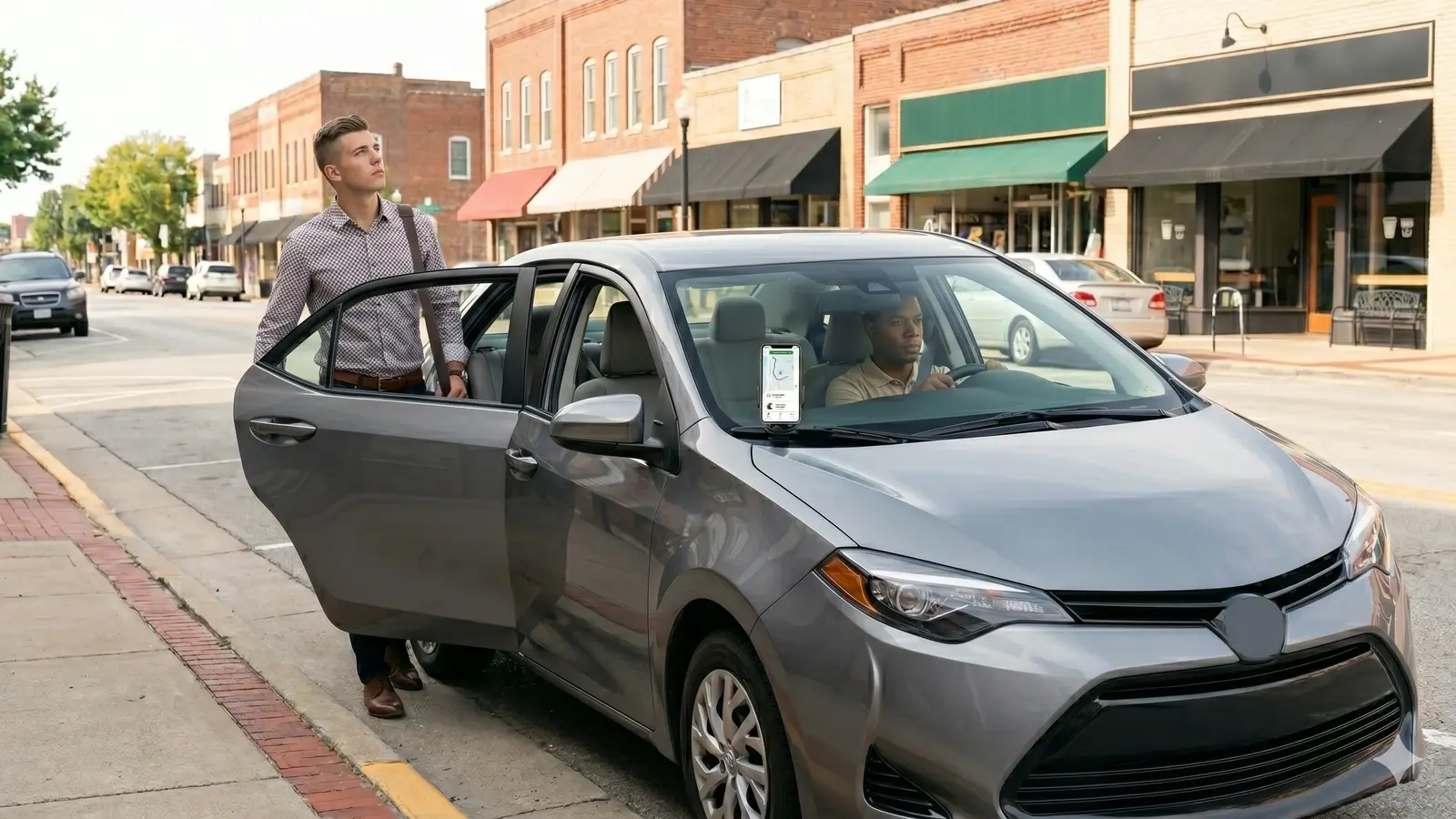
Now, the Massachusetts Department of Labor Relations has one-upped California by certifying the so-called “App Drivers union.” This co-creation of SEIU and the Machinists has been kicking around since Fall 2024 when a bill passed allowing gig drivers to organize. This week, SEIU President April Verrett was on hand to celebrate Big Labor laying claim to 70,000 workers after card-checking “at least 25% of active drivers.”


What next for these “unionized” gig drivers? It’s looking grim. Here’s why.


Classification hasn’t changed: Rideshare drivers remain independent contractors who don’t have NLRA protections and can’t organize under federal law. They will, however, be living under a union constitution, which will negate their freedoms and flexibilities associated with being independent contractors. The same fate will apply to California rideshare drivers if they move forward on the organizing path.


“Sectoral bargaining” strikes again: The App Drivers Union will now claim to fight for wage increases and other working conditions for all Massachusetts drivers, but there will be no recourse for disappointing results. Furthermore, these drivers cannot go directly to Uber or Lyft to ask for wage increases.


As Littler attorney Alex MacDonald told journalist and Fight for Freelancers co-founder Kim Kavin, “No, there is no way to opt out. Once the union is certified, it is the exclusive bargaining representative of every driver–even the ones who couldn’t vote.”


So, how many drivers did vote to unionize? As mentioned above, the union collected signature cards from one-fourth of the state’s “active drivers,” but as MacDonald pointed out, “The term ‘active driver’ is misleading. It includes only drivers who have completed at least the median number of rides in the last six months. In other words, it includes only half of all drivers.” He added, “The other half don’t count. Their signatures are unnecessary, and they never vote. They basically have no voice.”


Doing the math, the union only had to gather cards from one-eighth, or roughly 12.5%, of all gig drivers statewide. The other drivers are stuck with this deal, whether they answered the repeated phone calls and text messages from the union or not.


We’ve seen this before: In California, an SEIU-lobbied bill raised fast food wages to $20 per hour in Apr. 2024. The bill also created the Fast Food Workers Union for the purpose of sectoral bargaining. This was an illusory union invented as a shortcut for Big Labor, which hadn’t succeeded at unionizing these workers by traditional means. That bill also created a Fast Food Council to engage in sectoral bargaining, although that council reportedly stopped meeting a year ago and currently has no chairperson.


Is there a contract yet for that union? Nope, but the industry experienced higher labor costs overnight, and one Wendy’s franchisee found himself $20,000 over budget on a two-week payroll. That’s obviously not great for workers’ job security.


That’s not all on the rideshare front: Lobbying is underway in Illinois for similar legislation and unionization, and in Minnesota, efforts continue despite how Democratic Gov. Tim Walz vetoed a bill that would have raised rideshare drivers’ hourly wages to unsustainable levels. In doing so, Walz expressed concern that the law “could make Minnesota one of the most expensive states in the country for rideshare.”


Those increased costs would cause consumers to pull away from rideshares, which, of course, would hurt drivers’ pocketbooks. However, this won’t stop Big Labor from continuing to push for further “wins” in rideshare and other industries.


Alex MacDonald was not subtle in telling Kim Kavin, “They aren’t going to stop with rideshare. This system will come to other sectors.”


Healthcare Labor Disputes and Bargaining Challenges

by Michael VanDervort

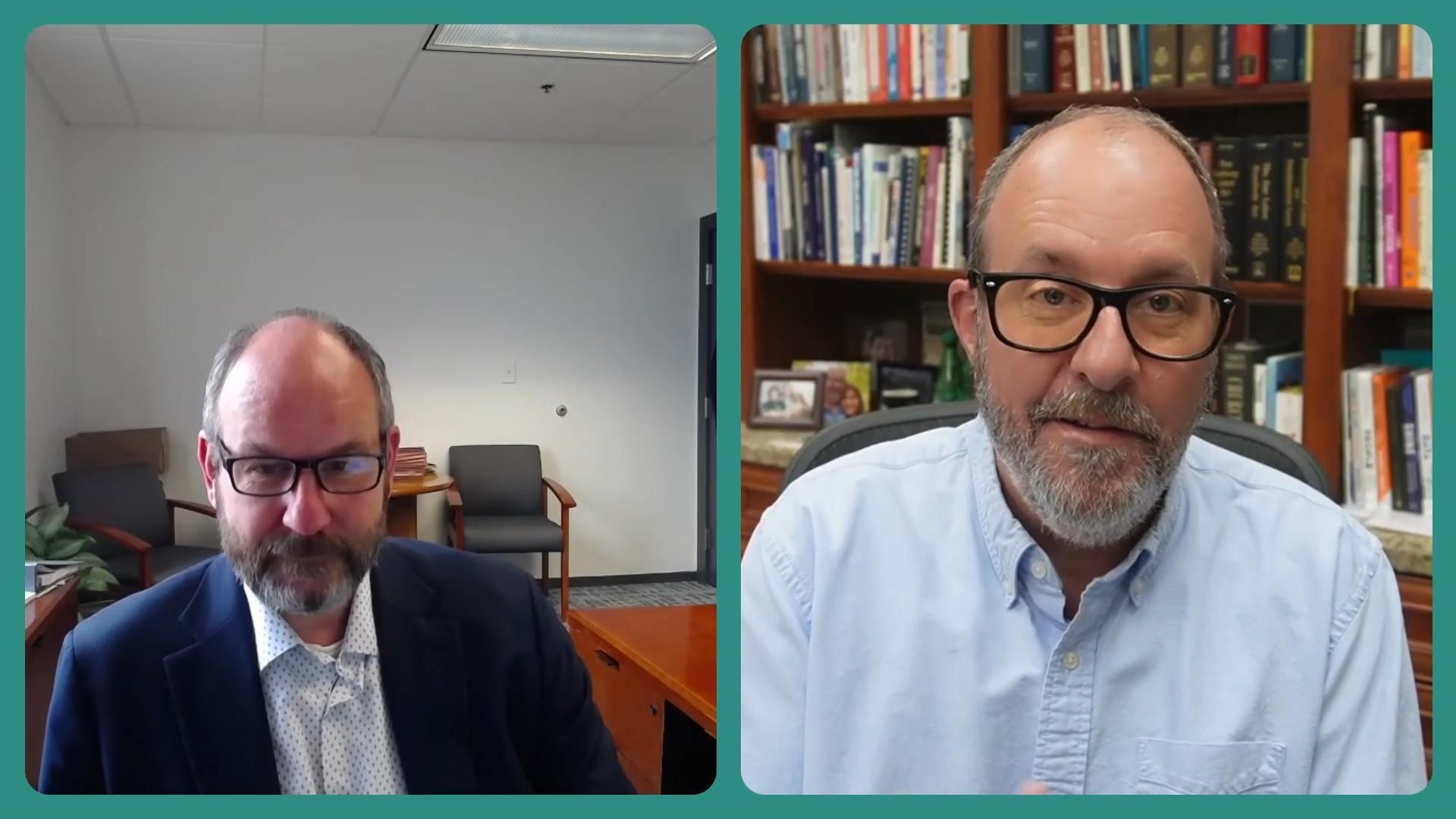
Grant Pecor has been in healthcare bargaining long enough to know when a dispute is heading in a bad direction. He heads the labor relations group at Miller Canfield in Detroit, and he is currently eight months into a nursing strike that shows no signs of resolving. Phil sits down with him to work through what actually happens at the table and what employers keep getting wrong.

The State of Healthcare Labor Relations

Pandemic burnout, a nursing shortage that predates COVID, and inter-union competition between the Teamsters and established healthcare unions have created some of the most volatile bargaining conditions Grant has seen. He explains why healthcare remains the single hottest organizing target in the country right now.

Inside an Active Strike

Grant breaks down how a Teamsters unit treating a hospital negotiation like a UPS contract collided with a new ownership group trying to reset institutional norms. He gets specific: staffing ratio demands that look like worker protections but create operational traps, call-in abuse patterns embedded in unit culture, and what happens when a union digs in so deep there's nothing left to offer.

What Employers Miss at the Table

Ratification failures, the politics of helping a union save face, and the difference between what employees actually want and what their union is pushing. Grant's framework for separating real employee issues from agenda items wearing a disguise is worth listening to.

The Organizing Landscape Post-COVID

The Starbucks wave is cooling. Higher ed and skilled trades are still active. Grant walks through where organizing is getting traction, why, and what the "bully model" tells employers about their actual exposure.

The Faster Labor Contracts Act

Why putting a deadline on collective bargaining doesn't fix the problem. It just hands one side more leverage.

Chapters

00:00 | Introduction to Grant Pecor and His Background

01:43 | The State of Healthcare Labor Relations

04:38 | Bargaining Dynamics in Healthcare

09:25 | Challenges in Healthcare Strikes

14:21 | Union Dynamics and Employee Relations

19:06 | Navigating Negotiation Politics

21:18 | Navigating Labor Relations and Bargaining Challenges

25:09 | The Evolving Organizing Environment Post-COVID

30:48 | Unions: Promises vs. Reality

34:46 | The Impact of Legislation on Bargaining Processes


In the News | Kimberly Ricci Published On SHRM About Work/Life Integration

by Kimberly Ricci

In a recent SHRM article, titled Women Are Already Living Work/Life Integration. Is the Workplace?, Kimberly Ricci tries to wrap her arms around a notoriously unwieldy subject.


Employers will want to take note of these highlights:

  • Women already practice work/life integration by necessity, not by choice, managing careers alongside disproportionate domestic and caregiving responsibilities.

  • The "mental load" (anticipating needs, tracking schedules, managing household logistics) averages about four hours of unpaid domestic work daily for women.

  • That imbalance follows women into the office, where they also absorb more invisible workplace tasks like scheduling and event planning, compounding the burden.

  • High mental load correlates with more than double the risk of anxiety or depression; the problem intensifies for women caring for aging parents.

  • Over 455,000 women left the workforce between January and August 2025 citing caregiving responsibilities.

  • Organizations that pair scheduling flexibility with caregiving support and mental health resources see gains across the entire workforce, not just among women.

Read the full article on SHRM: (membership required)
Women Are Already Living Work/Life Integration. Is the Workplace?


Friday 5: Somebody's Pouting (And Other Union Problems)

by Kimberly Ricci

The Teamsters are throwing a fit over...Mr. Beast?

Yes, that’s right. Last week, IATSE unionized crew members of Prime Video series Beast Games, a show hosted by YouTube star “Mr. Beast.” This has caused a dust-up with the Teamsters, who seem a little miffed about having to share the production with another union.


A trade publication reports that the “Teamsters side of Local 391 and Hollywood’s Lindsay Dougherty-run Local 399 balked at the perceived move into their territory.” This TV series was recently renewed for a third season, and the Teamsters apparently felt that their groundwork on the set entitled them “to solidify the production as a union one.”


Now, the Teamsters are threatening to strike over rapidly devolving contract negotiations. Yep, somebody is pouting.

Sean O’Brien finally commented on the DOL’s tabloid saga:

If you’ve been wondering if there’s an update on those accusations against ex-Secretary Lori Chavez-DeRemer, you will likely be in luck soon. DOL Inspector General Anthony D’Esposito revealed that his office is done with the internal investigation into Chavez-DeRemer’s alleged travel fraud and more. The report should be in Congress’ hands sometime in June.


Recently, Teamsters President Sean O’Brien was asked by NBC for his reaction to the resignation. He pointed out, “Her father's a retired Teamster, [and] she checked all the boxes professionally on what we wanted to see from a labor secretary.”


He was clearly a little sore on this subject: “I was getting criticized because ‘this is Sean O'Brien's labor secretary,’ blah blah blah blah blah."

And then? “Well, it is what it is. She made a mistake, she's gonna have to live with that mistake, and we just have to move on."


Acting Secretary Keith Sonderling has more than hit the ground running, so it’s fair to say that the DOL has already moved on.

The Machinists learned that “buzz” doesn’t win union elections:

The Pharmacy Guild-IAM lost what would have been its biggest organizing prize yet–212 pharmacy techs across five bargaining units at the University of Kansas Health System. The tally is under wraps with Kansas's Public Employee Relations Board, but the margin was reportedly “razor-thin.”


Co-founders Shane Jerominski and Maurice Shaw have branded themselves "Pharmacy Bad Boys For Life" for stand-up comedy sets, in which they drag pharmacy chains and the customers who frequent them. Jerominski announced the University of Kansas campaign last October via his Accidental Pharmacist page, which has 182,000+ followers.


Despite how these social media stars generate buzz for their union, their influence has limits. That is, Facebook and Instagram “likes” can’t vote in a union election.


The Pharmacy Guild filed an appeal on May 19, while claiming that “so many” ballots went missing in this mail-in election. We'll be watching.

UAW chief Shawn Fain’s “reformer” label is still crumbling:

Big Labor’s eyes are on the upcoming UAW international officer elections scheduled for this fall. It’s not easy to boot a union president, but the mounting criticism against union chief Shawn Fain is still worthy of popcorn.


As we’ve covered extensively, Fain’s culture of fear and retaliation is the subject of 13 unflattering reports from federal monitor Neil Barofsky. At least four challengers are waiting in the wings while criticizing how Fain has not delivered upon promises of reform.


We previously discussed how Fain plotted to oust Mock after she refused to approve questionable financial expenditures, and Barofsky ordered her reinstatement. This week, a progressive publication published quotes from Fain during that internal battle. He reportedly groused, “Every time we make a request, we’re being investigated like we’re doing something corrupt.”


Mock responded, “I was sent here with a mandate. The membership said, go in there and you protect our money at all costs. Am I counting dollars and pennies and nickels and dimes? Absolutely. That’s my job.”


Rumor has it that Mock is considering a presidential run, too. Oh boy.

What AI model do professionals prefer? It’s not even close:

We’re wishing you a safe holiday weekend, but first, we checked in on LinkedIn Labs’ real-time ranking of AI platforms voted on by their users. Unsurprisingly, the leaderboard is very Claude-heavy.


The current top five:
1. Claude Opus 4.6 from Anthropic
2. Claude Sonnet 4.6 from Anthropic
3. Claude Opus 4.7 from Anthropic

4. GLM 5 from Zai
5. GPT-5.5 from OpenAI


Perhaps Claude has earned a day of celebration to hallucinate without repercussions, but then it’s back to work after Memorial Day weekend.


About Labor Relations INK

Labor Relations INK is published weekly and is edited by LRI Consulting Services, Inc. Feel free to pass this newsletter on to anyone you think might enjoy it. New subscribers can sign up by visiting here.


If you use content from this newsletter, please attribute it to LRI Consulting Services, Inc. and include our website: http://www.LRIonline.com 


Contributing editors for this issue: Greg Kittinger, Michael VanDervort, and Kimberly Ricci.


You are receiving this email because you subscribed to receive our labor relations newsletters and updates. You can manage your email preferences by clicking the link at the bottom of any of our email communications.


About LRI Consulting Services, Inc.

LRI Consulting Services, Inc. exists to help our clients thrive and become extraordinary workplaces. We improve the lives of working people by strengthening relationships with their leaders and each other. For over 40 years, LRI Consulting Services, Inc. has led the labor and employee relations industry, driven by our core values and our proven process, the LRI Way.


Share