Subject: LRI INK: LaborVision Forum for Healthcare, state Captive Audience Ban Update

January 15, 2026

To visit the blog post, click on the link below the article.

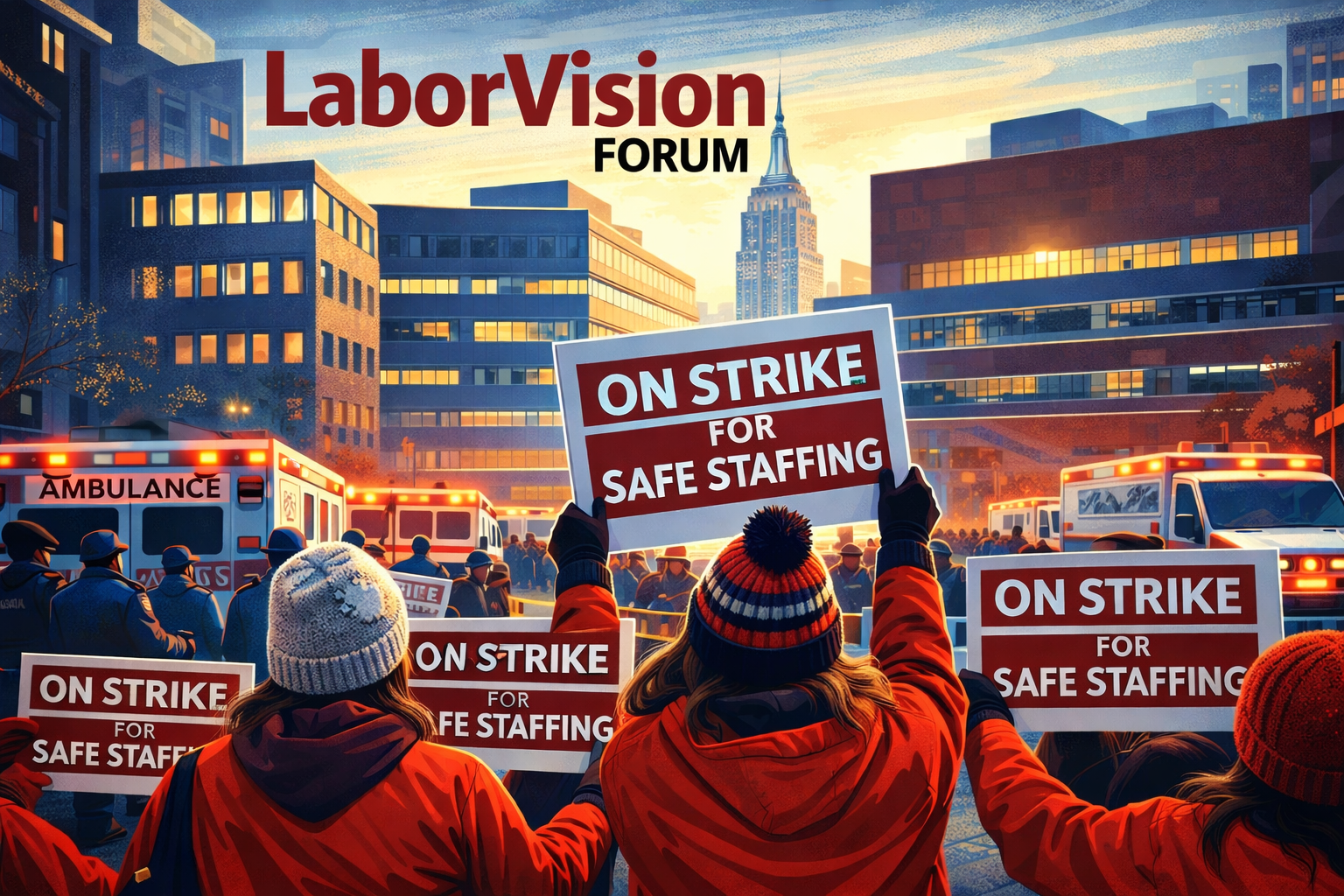
LaborVision Forum For Healthcare: 15k NYC Nurses On Strike. This Is Healthcare In 2026

by Michael VanDervort

New Event Spring 2026: LaborVision Forum for Healthcare

Event Details

📍 Dallas/Fort Worth Airport Marriott 8440 Freeport Pkwy, Irving, TX 75063
🗓️ March 10–11, 2026


Nearly 15,000 nurses walked out this week at major New York City hospitals.

Not over a fringe issue. They walked out over staffing control, workload, and patient care standards.


Hospitals scrambled to respond. Travel nurses were brought in. Elective surgeries were canceled. Patients were transferred. Neonatal units were relocated. State officials declared an emergency, citing risks to public health.

This was not a surprise.


And it is not a one-off headline.


It is the operating environment for healthcare labor relations in 2026.

Healthcare labor disputes have moved well beyond traditional wage conversations. Today’s flashpoints are staffing ratios, workload escalation, and who controls the rules governing patient care.


Many healthcare leaders are navigating these issues in isolation, reacting in real time, without a trusted forum to pressure-test strategy, share lessons learned, or compare notes with peers facing the same challenges.


That gap is why we are launching a new initiative for Spring 2026.


Introducing the LaborVision Forum for Healthcare Practitioners

In Spring 2026, we will host the inaugural LaborVision Forum for Healthcare Practitioners.


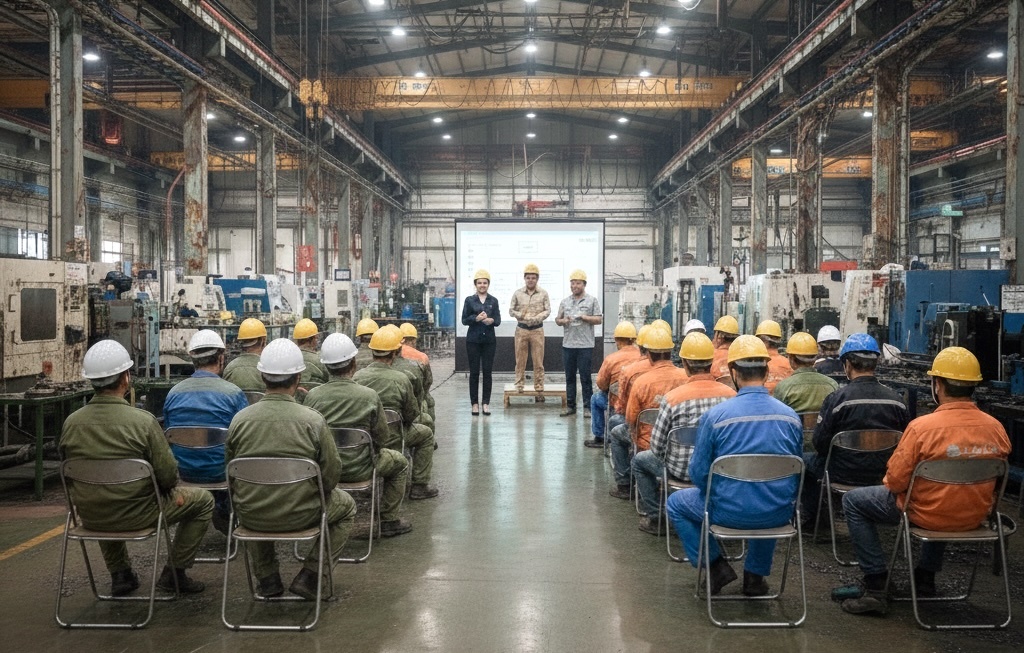
For more than 15 years, LaborVision Forum has brought together a small group of senior labor and employee relations leaders for candid, off-the-record discussion. It is not a conference. There are no panels and no sales pitches. The agenda is shaped by the people in the room and grounded in what actually works.


Given the volatility of healthcare labor relations today and the need for a forum for healthcare labor relations practitioners to learn and share, we are extending this model into the healthcare labor space and opening registration to healthcare LR practitioners who want to be part of that conversation.  You must be a management-side practitioner to register and attend.


This forum is designed as a working session, not a lecture series.


What the Healthcare Forum Will Focus On

The LaborVision Forum for Healthcare will concentrate on the issues healthcare leaders are dealing with right now, including:

  • Nurse, physician, resident, and pharmacy organizing

  • Micro-units and fragmented bargaining structures

  • Digital and social media pressure during campaigns

  • Patient care risks during labor disputes

  • Grievance escalation in clinical environments

  • Signals coming from unions and regulators about what is next

  • Employee experience and sentiment tracking

  • Creating a positive employee relations environment

  • Front-line leader behaviors that either stabilize or accelerate labor conflict

Registration options

LaborVision Forum for Healthcare ($750): includes a networking dinner on March 10, a full day of learning and sharing, and another networking dinner with labor professionals from across industries on March 11.


Details and registration are available here: https://lrionline.com/laborvision-forum/


Why This Room Matters Now

If the NYC nurse strike caught your attention, it should.

It reflects the environment in which healthcare leaders operate today and the one that is likely to intensify, not ease, over the next several years.

The value of LaborVision has always come from the people in the room and the willingness to speak candidly about what is working, what is failing, and what needs to change.


If you are navigating today’s healthcare labor landscape, this forum was built for you.


The ‘Captive Audience Ban’ Law Tangle: Where the NLRB And States Sit Amid Ongoing Legal Challenges

by Kimberly Ricci

The subject of so-called “captive audience meetings” has been a source of NLRB whiplash for the past few years. This shouldn’t have been the case, given the Supreme Court precedent of NLRB v. Gissel Packing (1969).


The court ruled that the NLRA protects employers’ First Amendment right under Section 8(c) to engage in these meetings, which allow a more level playing field for employers to dispel union fiction, including the reality of what can’t be achieved at the bargaining table, during organizing drives.


Yet here we are.


In 2022, Biden NLRB General Counsel Jennifer Abruzzo issued a memo with the intent of banning these meetings, and in 2024, the Board doubled down with a ruling to that same effect. Very quickly though, times have changed. In early 2025, acting GC William B. Cowen rescinded Abruzzo's memo while deeming it no longer relevant. We can further expect a more business-friendly version of the Board to officially roll back the Biden Board’s ban.


That’s not even close to the end of the story, though.


A Dozen States Are Complicating Matters

Currently, twelve states – Alaska, California, Connecticut, Hawaii, Illinois, Maine, Minnesota, New York, New Jersey, Oregon, Vermont, and Washington – have bans on the books for these meetings. 


Each state’s degree of restriction varies, but the laws prohibit employers from compelling workers to attend meetings meant to discuss employers “political” or “religious” opinions, largely on the claim that these meetings could constitute coercion. Employers also can’t take adverse action against workers for declining to attend the meetings.


Additionally, Wisconsin previously banned these meetings in 2010, but that law was quickly nullified. What about the rest of them?


Multiple challenges are in process with arguments including the following: (1) These laws are unconstitutional because they violate employers’ First Amendment rights to free speech (2) Federal preemption, i.e. the NLRA already regulates this employer conduct, so states cannot do so.


Let’s look at where current challenges stand in various states:


California: The California Chamber of Commerce and business groups filed a lawsuit in Dec. 2024 to challenge this law. In Oct. 2025, a federal district judge issued a preliminary injunction on the grounds that the law failed to distinguish between “coercive” and “non-coercive” speech, so the law unlawfully interfered with the employer's right to use “non-coercive” speech to discuss unionization. In all likelihood, California's attorney general will appeal to the Ninth Circuit Court of Appeals.


Minnesota and Illinois: Both states’ laws remain in effect following legal challenges from business groups who argued that captive audience meeting bans are unconstitutional. The courts dismissed these cases on the grounds that the groups had no standing


Connecticut: Business groups including the U.S. Chamber of Commerce filed a lawsuit challenging the law. Unfortunately, that lawsuit has been in limbo since Nov. 2024, when a federal judge heard oral arguments mere days before the NLRB’s ruling of these meetings as unlawful.


Elsewhere, New Jersey expanded their existing ban in Dec. 2025, so it’s clear that states will keep their laws in place until instructed otherwise.


Will change come at the NLRB?


Recently, ex-NLRB Chair Marvin Kaplan weighed in on how much rulemaking change we should expect from a Board with three members.


Through his Bloomberg Law article's mere title, “Just Two NLRB Member Votes Suffice to Change Rules: Former Chair,” Kaplan spread the message that the tradition of waiting for a five-member Board isn’t necessary before precedent is overturned. Board member James Murphy, who previously served as chief counsel to Kaplan, is likely on board with this thinking.


In other words, the stage is set to revisit many rulings, including so-called “captive audience” bans, so change is likely coming.


What should employers do about these ban laws?


LRI Consulting Services, Inc. CEO and General Counsel Phil Wilson suggests, “Businesses should always remain aware of their states’ laws on these meetings, but that won’t always mean blindly following them. Keep in mind these laws will stay on the books unless they are successfully challenged, and an effective challenge requires a plaintiff who has standing—in other words someone accused of violating the new standard.”


Wilson notes that decisions about whether to challenge a questionable statute or Board decision create potential legal risk that employers and lawyers should make together. “While the current employer-friendly version of the NLRB may eventually reverse course on the Biden Board’s ban on these meetings, banking on a quick reversal shouldn’t be a game plan.”


Next 52 Weeks | The One Ring of Leadership: Mastering Approachability

by Michael VanDervort

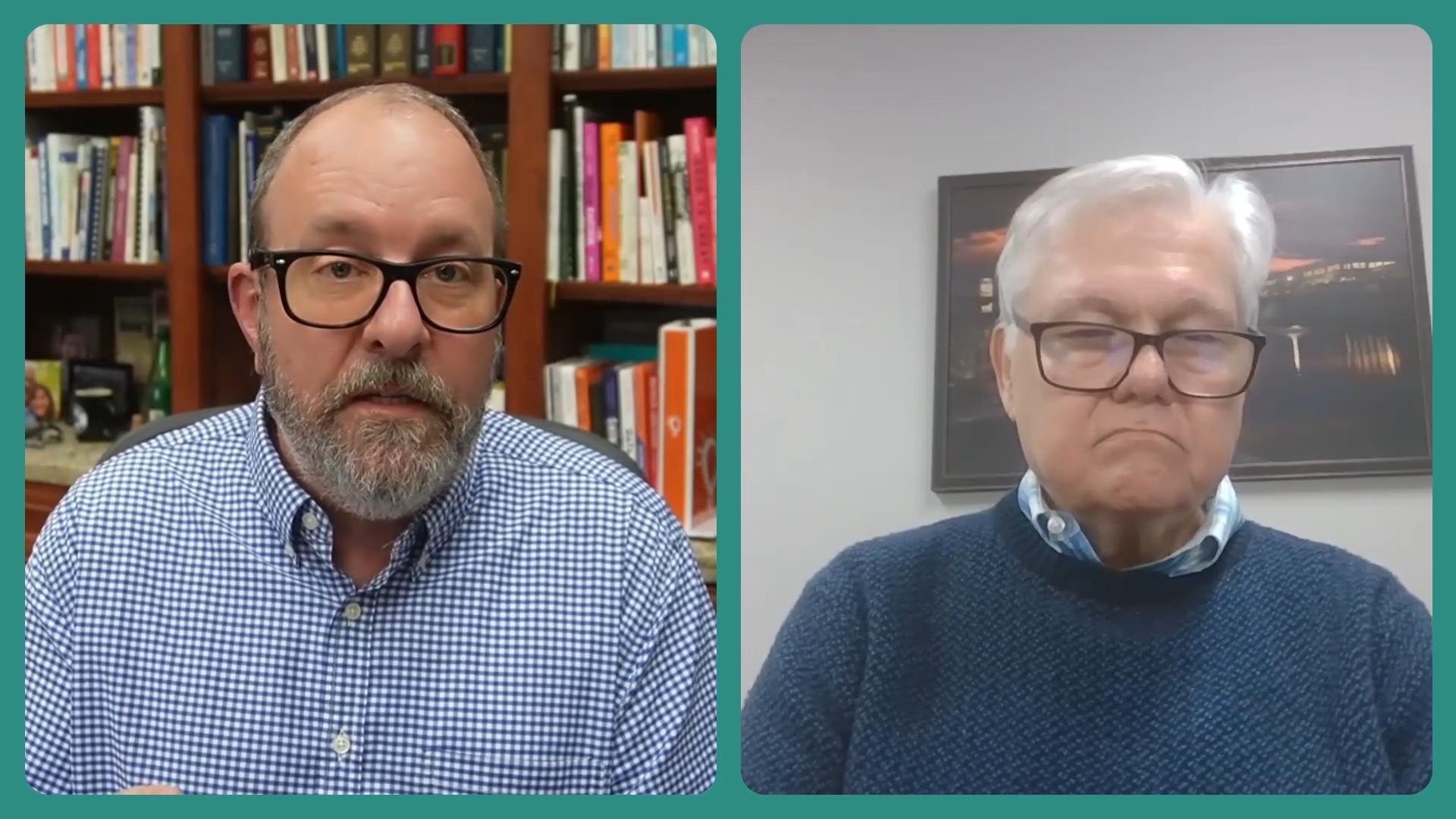
In this episode of the Next 52 Weeks series, Michael VanDervort speaks with Phil Wilson about the critical role of approachable leadership, which Wilson calls the 'One Ring of Leadership.' Drawing on his experience as a labor lawyer, Phil emphasizes that approachability is foundational to effective leadership and can significantly impact team dynamics and organizational culture. He outlines three key components of being an approachable leader: openness, understanding, and support, which together create an environment where team members feel safe to communicate their needs and concerns.


The conversation delves into practical strategies to enhance supervisors' approachability, especially in post-union campaign environments. Wilson shares insights on training leaders to be more approachable, the importance of regular communication, and the need for leaders to actively seek feedback from their teams. He also discusses the significance of mindset in leadership, encouraging leaders to view their team members as heroes rather than villains. The episode concludes with a strong reminder that fostering strong relationships at the supervisory level can prevent union issues and enhance overall workplace culture.


Takeaways

- Approachability is the 'One Ring of Leadership.'

- Strong relationships with teams prevent union problems.

- Leaders must actively seek feedback to improve.

- Mindset is crucial; treat team members as heroes.

- Regular communication reinforces learned behaviors.


Chapters

00:00 The One Ring of Leadership

01:58 Defining Approachability

04:55 Teaching Approachability to Leaders

07:30 Three Key Questions for Leaders

10:18 Reframing Relationships Post-Campaign

13:31 Bridging the Knowing-Doing Gap

17:27 Evaluating Leadership Skills

20:01 The Role of Frontline Supervisors

22:46 Communicating Effectively

25:11 Reinforcing Learning and Accountability

28:03 Long-Term Strategies for Employee Relations

Friday Five: Internal Union Drama, A Policy Nudge, And AI Entering The Healthcare Chat

by Kimberly Ricci

A bipartisan lawmaker effort urges the DOL to lean into a good cause:

These days, bipartisan U.S. lawmaker efforts are difficult to come by, but the subject of human trafficking is receiving that treatment. As reported by Bloomberg Law, both congressional chambers are calling on the U.S. Department of Labor to train staff to identify signs of trafficking and to alert law enforcement to those cases.


H.R. 4307 was approved by the House Education and Workforce Committee on Thursday. Last year, the Senate introduced S.2241 as companion legislation. Fingers crossed for speedy passage, and for further reading on human trafficking in a labor relations context, LRI Consulting Services, Inc. President Danine Clay recently posted on LinkedIn about how companies can help shut down a scourge that exploits around 25 million people globally.

Teamsters organizers want their own union, cue the drama?

It’s not unheard of for union organizers to seek their own third-party representation. SEIU and CWA's headquarters staffers are unionized with OPEIU, and the UAW’s temporary organizing staff created the UAW Staff Council Union. Also this week, Teamsters staffers filed an election petition for a unit of 64 lead organizers and staff international organizers.


What’s so unusual here? This appears to be a case of unions not practicing what they preach: Teamsters did not voluntarily recognize the staff union, and employment lawyer Jesse Dill would like to know why. He’s also curious about whether the Teamsters will permit a speedy election, and like Dill, we will have our popcorn ready for further developments.

Speaking of voluntary recognition, let’s talk about museums:

When the NLRB reopened in mid-November, museum workers led the initial wave of union petitions. Those units included 900+ workers at NYC’s Metropolitan Museum of Art seeking to join the UAW, and several petitions surfaced from workers looking to join AFSCME. Museum workers are passionate about their chosen field, and unions do not hesitate to try and capitalize upon any perceived disconnect that workers might feel from their cultural institution’s stated mission.


It can also be argued that unions specifically target nonprofits, including museums, because they expect an easier path to success through voluntary recognition, thereby bypassing an election.


As if on cue this week, a progressive outlet published an article titled, “Museum Workers, Recognize Your Union Now.” In doing so, the publication argued that resistance to unions is futile while falsely claiming, “100% of union elections at private, nonprofit art museums in the US have been successful since the contemporary unionization wave began in 2019.”


Their argument fails to mention that AFSCME lost union elections at two private, nonprofit art museums, The Strong Museum of Play in Rochester and Simon Wiesenthal Museum of Tolerance in LA, in 2025 and 2022.


Union advocates bending the truth? It happens every day.

Shawn Fain’s text messages get the spotlight from the UAW watchdog:

In May 2021, federal monitor Neil Barofsky was appointed to oversee the UAW’s efforts to shed its legacy of corruption. He’s had his hands full while issuing thirteen full status reports thus far. Last June, the twelfth status report painted an unflattering portrait of President Fain’s foul-mouthed outbursts, toxic leadership style, and retaliatory firings.


Barofsky recently circled back to that twelfth report with a 49-page addendum that details Fain’s text messages, including 123 deletions, which were part of a retaliatory scheme to oust Secretary-Treasurer Margaret Mock, who refused “to authorize improper expenditures of funds at the request of and/or for the benefit of those in the President’s Office."


Well, the addendum has resulted in a top-staff shakeup, through which Stellantis Department VP Rich Boyer’s position was restored, and Mock was welcomed back. Additionally, Comms Director Jonah Furman was disciplined, and an assistant to Fain, Chris Brooks, resigned.


What about Fain himself? After the twelfth report, he received an unexpected reprieve from several locals’ attempts to oust him. Of course, that reprieve happened due to a procedural error by those locals who brought charges, but Fain still emerged relatively unscathed. Whether or not he manages to be reelected in this year’s officer elections remains to be seen.

Healthcare, ChatGPT, and a Star Wars analogy:

This week, OpenAI introduced ChatGPT Health to a small group of users to further develop what’s apparently been happening by popular demand. “230 million people globally ask health and wellness related questions on ChatGPT every week,” according to OpenAI’s announcement.


ChatGPT will not make formal diagnoses, but users will reportedly be able to “securely” link their wellness apps and medical records to the platform in an “encrypted” space that will be semi-sandboxed from other chats. Privacy concerns abound, but OpenAI declared that they “built foundational protections” into this platform that ensure users can delete their info, and models are trained “not to retain personal information from user chats.”


Meanwhile, Beckers Hospital Review interviewed Laren Tan, the Chair of Medicine at Loma Linda University Health, who called AI a “A New Hope” (like Star Wars) since doctors are now freed from time-consuming paperwork due to the technology. However, it’s likely that not every physician will feel positively about ChatGPT Health, which could launch a new “Dr. Google” phenomenon and make it difficult for doctors to convince patients not to place too much trust in an AI chatbot.


As many industries are finding out, balance is important in the AI age.

About Labor Relations INK

Labor Relations INK is published weekly and is edited by LRI Consulting Services, Inc. Feel free to pass this newsletter on to anyone you think might enjoy it. New subscribers can sign up by visiting here.


If you use content from this newsletter, please attribute it to LRI Consulting Services, Inc. and include our website: http://www.LRIonline.com 


Contributing editors for this issue: Greg Kittinger, Michael VanDervort, and Kimberly Ricci.


You are receiving this email because you subscribed to receive our labor relations newsletters and updates. You can manage your email preferences by clicking the link at the bottom of any of our email communications.


About LRI Consulting Services, Inc.

LRI Consulting Services, Inc. exists to help our clients thrive and become extraordinary workplaces. We improve the lives of working people by strengthening relationships with their leaders and each other. For over 40 years, LRI Consulting Services, Inc. has led the labor and employee relations industry, driven by our core values and our proven process, the LRI Way.


Share