California’s “captive audience ban” law could be the first (and only?) one to fall:
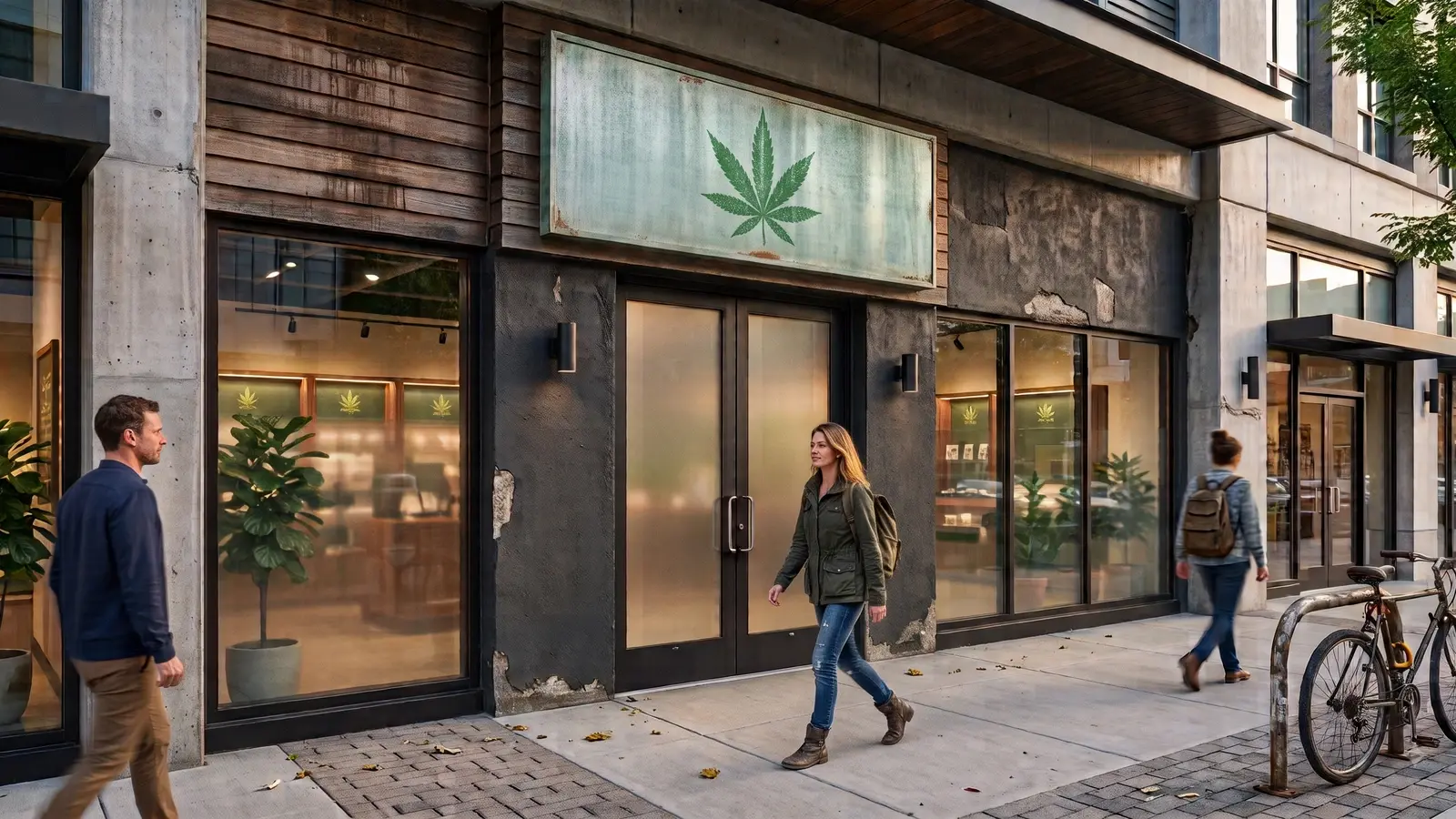
The tangle of so-called "captive audience ban" laws hasn’t seen a successful employer challenge yet, but that possibility is growing closer in California. In July, Ninth Circuit judges appeared “leery” of the Golden State’s ban, which now sits in a more precarious position as opposed to those laws that were subject to lawsuits in Minnesota, Illinois, and Connecticut, where a lack of employer standing has thrown up obstacles.
The law remains blocked pending resolution of the lawsuit brought by the California Chamber of Commerce. Also, Littler attorney Alex MacDonald has cautioned that even if the California law does fall, this doesn’t mean that other states would pull their bans from the books. Yet ultimately, these laws’ unconstitutional bar on employer free speech could reach the Supreme Court, so stay tuned there, but don’t expect fast action.
A major upset for UFCW’s plans at REI:
The last time we checked in on UFCW’s plans to organize this co-op, the union had launched an Anniversary Sale boycott in mid-May to protest achieving no first contract, four years after the first unionization of an REI store. How are things going now? Not so great for the union.
This week, workers voted against joining the union in a rerun election conducted in San Diego. Originally, the unit contained 119 workers, and had the vote been successful, this would have been the twelfth REI store to unionize. In a statement, the company declared, “We are pleased with this result. It reflects the San Diego team’s decision to continue engaging directly with REI, as we have long done with our employees.”
A UAW official’s threat against a Fain rival led to consequences:
Oh boy. We’ve talked a lot about the UAW’s federal monitor lately, including how Neil Barofsky made a clear request in 2021 that the union implement a formal budget, and it hasn’t happened. We also discussed how a grand jury subpoenaed Barofsky over his reports that are full of allegations against President Shawn Fain. Is there more UAW drama?
You’d better believe it. One of Fain’s presidential election rivals, Will Lehmen, recently called attention to how UAW organizer Raymond Jensen posted an AI-modified photo of Lehmen that showed him bloodied and bound with a masked figure pointing a rifle at his head. At last week’s candidate forum, Fain addressed the issue by declaring, “I don’t condone that stuff” before adding, “If you’re running for president, get ready, brother, because you’ll be getting them every day.”
Well, Barofsky agreed that the photo qualified as a threat, and Jensen is suspended from his position for two years.
Expect unions to go all-in on AI for the next presidential election:
Labor unions are split about how to handle AI in the workplace, although some industries are already seeing model contract language surface.
One thing is clear, though, which is that the AFL-CIO is planning to make AI a major focus in its lobbying efforts for the 2028 presidential election. At the AFL-CIO’s recent convention, multiple union heads reportedly co-signed a resolution that read, "Our message to elected leaders is clear and unequivocal: You can either stand with Big Tech's drive to maximize profits at all cost, or you can stand with working people in supporting responsible and careful technological change. But you can't do both."
Another telling point: neither Republican nor Democratic politicians were immune to criticism at this convention, so it’ll be interesting to see whether any shifts happen along, or opposed to, party lines as we approach 2028.
An update on challenges against the NLRB’s constitutionality:
We’re sitting in a strange time for tests of the NLRB’s power. Earlier this summer, the Supreme Court overturned Humphrey’s Executor while holding that the U.S. president can fire FTC members without cause, signaling that the same result could hold true for fired NLRB member Gwynne Wilcox. Previously, employer challenges began with SpaceX’s Fifth Circuit challenge against the NLRB’s structure.
Most recently in Aimbridge Employee Service Corp. v. NLRB, a federal judge in the Eastern District of Texas ruled that removal protections of both NLRB members and ALJs are unconstitutional, meaning that they can now be removed at-will. However, Judge Amos Mazzant severed the issue regarding the Board’s structure from the rest of the NLRA, meaning that the NLRB’s business as usual is not up for debate, and ULP proceedings against Aimbridge could continue in this case.
However, there’s also the Northern District of Texas’s ruling in Aunt Bertha v. NLRB, which halted the Board’s ULP proceedings against an employer that challenged the NLRB’s constitutionality. So, this issue remains far from simple, and employers will want to watch how other courts handle severing vs. not severing regarding pending ULPs.