Dear Friend,
After the summer break, the Intersection Group webinar season is back with six new sessions, each built around a real problem practitioners run into when designing enterprises. Same practical focus as always: tools, a shared language, and approaches that hold up outside a workshop room. Free to attend as always.
This season, every session has an interactive part built in: a moment where we work on something one of you actually brought, live in the session. Your own question, your own case, or your own capability map. It's a good reason to make time for the live date rather than only catching the recording later.
Here's what's coming up: | | | Six people looking at the same transformation often end up with six different pictures of it: a roadmap, a landscape, a journey map, an operating model, each well made, none of them connecting. In the opening session of the new season, Wolfgang and Helgi introduce EDGY: a practical language that lets every role read, connect, and design with the same set of enterprise elements, already applied in transformations across banking, energy, rail, and public administration. No prior knowledge needed.
Live: Bring a question about your own organisation. We map it live and show you exactly which EDGY elements answer it. | | | | You did the analysis, mapped the enterprise, and the design was sound. And still the steering committee deferred it, or kept only the parts it liked. Bard and Helgi walk through the Enterprise Design Patterns that explain why: how trust has to be built before a design even exists, and how to hand your intent over to others without it quietly dissolving.
Live: Bring a design of yours that got watered down. We diagnose two of them live and name the patterns that were missing. | | | | A language tells you what things are called, not what to draw first or which map belongs in front of which stakeholder. So the model stays a mental model, the workshop produces a diagram nobody reuses, and six weeks later the initiative is back to slides. Jean-Sébastien shares the seven core EDGY maps developed across every project since the EDGY beta: what each is for, the order they come in, and how they connect into one coherent design initiative.
Live: Bring an initiative you're currently working on. We pick two live and decide together which of the seven maps you should draw first. | | | | Your capability map is beautiful, and your CFO has probably never opened it. Most maps created by enterprise or business architects stall right at the drawing stage, describing what the organisation does while the real investment decisions happen elsewhere. Wolfgang walks through the assessment approach behind the EDGY Capability Modelling Guidelines and how to turn a capability map into a tool executives actually use, illustrated with a worked example from a railway transformation.
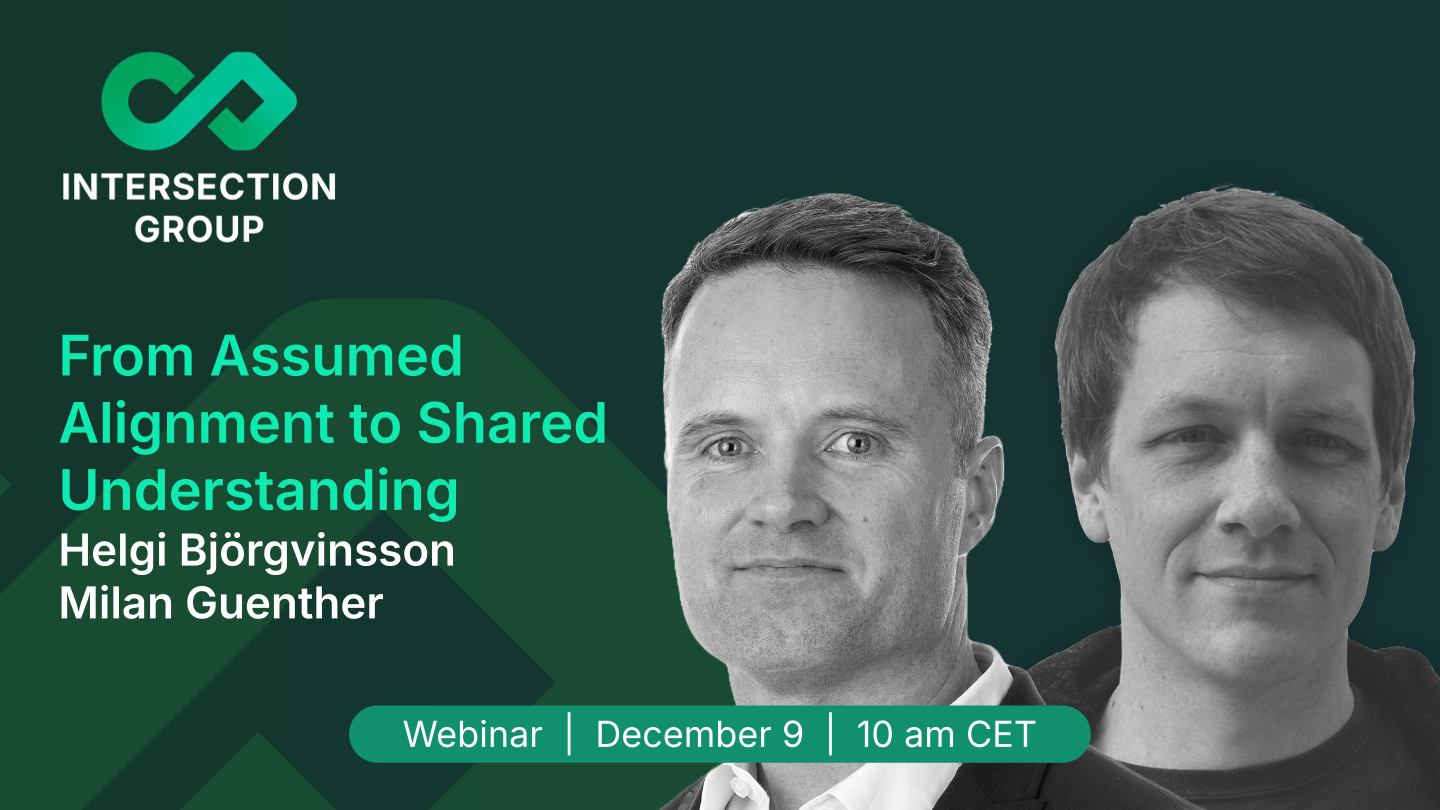
Live: We run a live assessment on a capability map nominated by the audience in the chat. | | | | Most initiatives don't fail when they start. They fail once understanding is assumed, and funding, planning, and delivery get built on a reality that only exists in fragments, spread across roles and disciplines. Helgi and Milan walk through the EDGY Enterprise Scan, a structured way to surface what people actually believe about the enterprise, before that gap becomes expensive.
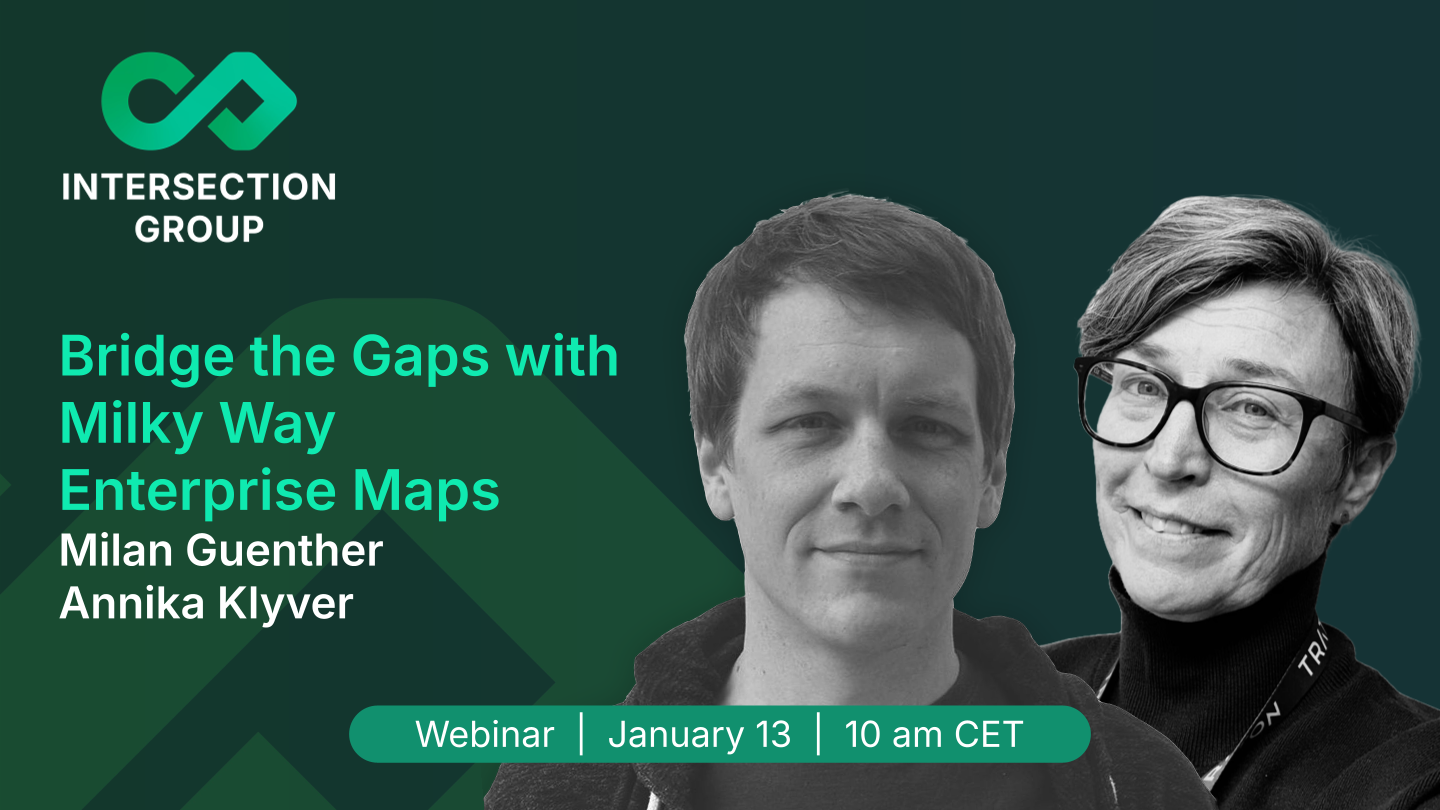
Live: We run a compressed scan on an initiative nominated by the audience in the chat. Expect at least one uncomfortable answer, and a clearer view of reality by the end. | | | | You brought the stakeholders together, set an ambitious goal, and triggered real change. But then it fell apart: responsibilities got scrambled, customer insights turned out to be just assumptions, the IT landscape was too rigid to move. To close out the season, Annika and Milan introduce the Milky Way Enterprise Map, a technique for facilitating change at the enterprise level, built on the Enterprise Design Facets and Elements model.
Live: We map a change initiative nominated by the audience, and hunt for the gaps in it together. Bring one that went wrong. | | | That's six sessions to close out the year and open the next one. Register for the ones that speak to you, and bring something real. We'll work on it together.
See you in one of the sessions.
Warm regards, The Intersection Group Team | | |
|
|