Subject: How toxic is your daily life?

Was this email forwarded to you? 

Click here to join our community and make sure you follow us on LinkedIn


How toxic is your daily life?

So far in this series, we've talked about toxicity at a distance: what it does to the climate, to health, to the environment. Deep Science Ventures even put numbers on it, ranking 14 classes of toxic chemicals by severity — pesticides, PCBs, phthalates, bisphenols, PFAS, heavy metals, particulate matter, flame retardants, microplastics and more.


Distance is comfortable. It's also why most of us never change anything: a chemical hazard feels like someone else's problem until we suspect it's ours. BPA lived in lab reports for years; it became a public fight the moment people learned it was in their baby bottles. Talc-based baby powder went the same way. Why? Because the question suddenly became personal.


Am I contaminated?

The honest answer is: almost certainly yes, and we can't easily tell you by how much.

PFAS are a case in point. They've been found in the blood of nearly everyone tested worldwide. In western Tokyo, a resident-led testing effort with Kyoto University researchers found 300 of 551 people above 20 ppb, partly linked to a nearby air base. In China, a 2018 study of 775 teenagers recorded average serum levels of 200 ng/mL — among the highest readings anywhere. South Korea and Singapore show the same pattern. So the question "am I exposed?" is settled. What we can't say is how much, or where it's coming from.


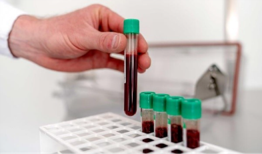
That's the real problem. You can buy a test for PFAS and for a few heavy metals. For most of the substances in that ranking — the phthalates, the flame retardants, the QUATs — there's no test you can order, no number you can get back.

PFAS Exposure™ Blood Test by EmpowerDX

What you can do instead is look at how you live. Exposure doesn't come from the sky; it comes from what you eat, drink, breathe, put on your skin and keep in your home. Your cleaning products, your cookware, your cosmetics, your devices, each one is a decision that adds to or subtracts from your body burden. Understanding where your chemical exposure comes from can be a more reliable guide than any single blood test.


That's what our upcoming report is for.


If you've ever wondered how "intoxicated" you are, this is where to start.

About the report

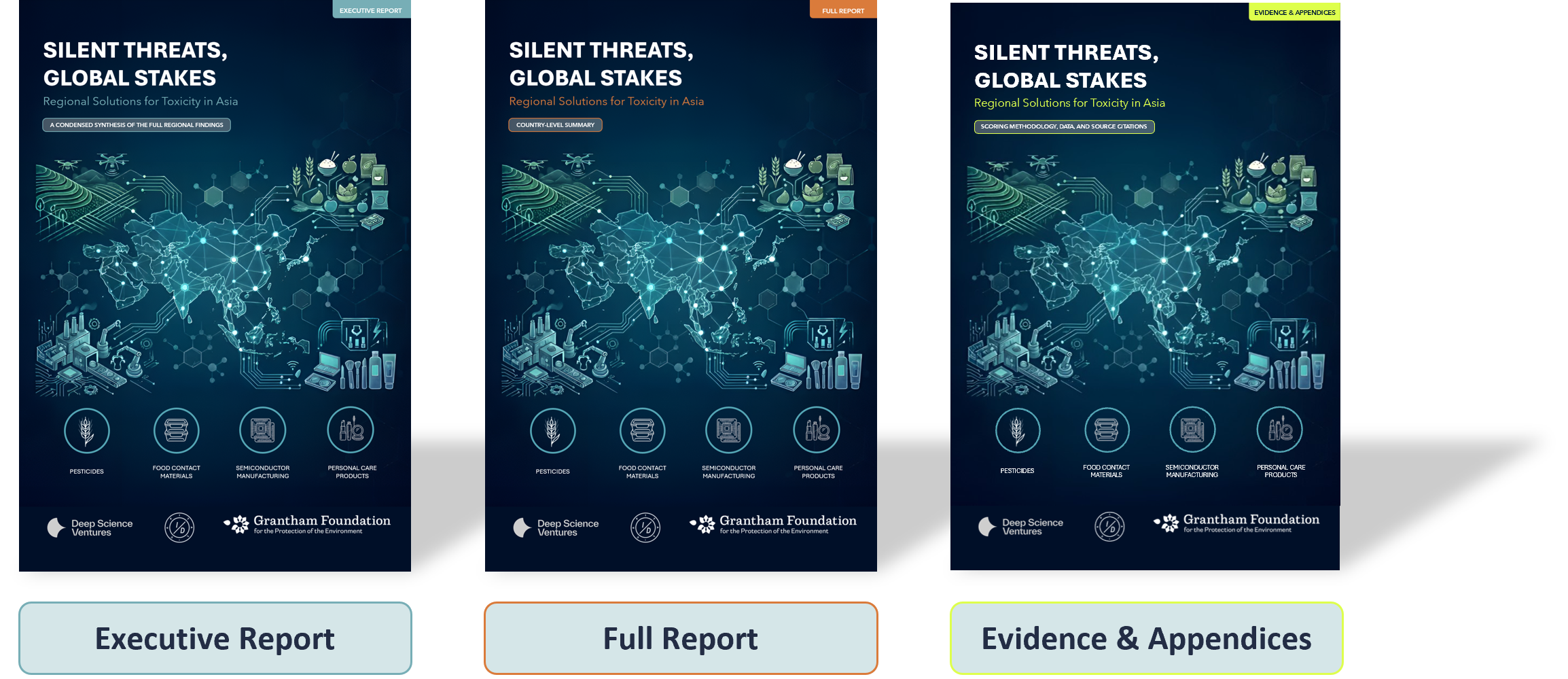
Silent Threats, Global Stakes: Regional Solutions to Toxicity in Asia is a 12-country study covering four sectors: pesticides, food contact materials, personal care products, and semiconductors.


It's live now, in three parts:

• Executive Report (30 pages) — the condensed version

• Full Report (200 pages) — complete country-by-country analysis

• Evidence & Appendices (400 pages) — the scoring methodology behind it all