|
|
|
In less than a week, the doors open. |
Conferences often claim urgency. Most follow a familiar script. This one doesn’t. |
|
A SERIES OF FIRSTS, REFLECTING A CHANGING LANDSCAPE |
Food has always been geopolitical. What has changed over the past decade is how food security is intertwined with agrifoodtech innovation. The language has shifted, from sustainability to security, from efficiency to resilience. This programme was built around that shift. And this year, it features three firsts that reflect exactly where that conversation is heading. |
|
|
|
JACK MA'S AGRICULTURAL BET |
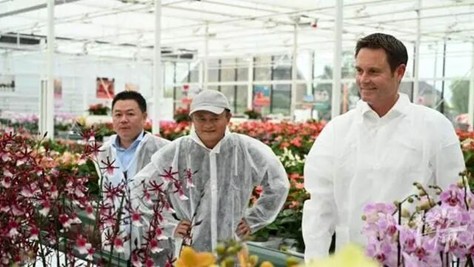
For the first time, we introduce a company backed by Jack Ma: 1.8 Meters. At the World Economic Forum Annual Meeting in 2019, Ma said that if he were starting over, he would choose agriculture over the internet. |
|
|
|
Since stepping back from public-facing roles in China, he has visited Wageningen University & Research, explored AI-enabled greenhouse systems in China, and spent time in Japan and Thailand from late 2022 onward studying sustainable agriculture and aquaculture systems. |
In 2023, 1.8 Meters was established. Beginning in aquaculture, 1.8 Meters focuses on mussel farming and the cultivation of large yellow croaker using smart aquaculture systems that reduce antibiotic use and eliminate drug residues. |
In 2024, the company expanded into probiotic-fermented vegetable products, using direct inoculation fermentation to complete processing within 48 hours without preservatives or nitrites. |
Jack Ma’s move into agriculture isn’t about radical technology; he is taking familiar foods, improving them, and making innovation feel accessible, trusted, and human. Even the name, 1.8 Meters, reflects a simple, meaningful idea: the next generation growing up to 1.8 meters. At Future Fit Asia, Ding Ming, General Manager of 1.8 Meters Investment, will be a featured speaker, exploring new models across the food value chain, from aquaculture to food innovation. |
|
THE QUIET AGRICULTURAL GIANT OF CENTRAL ASIA |
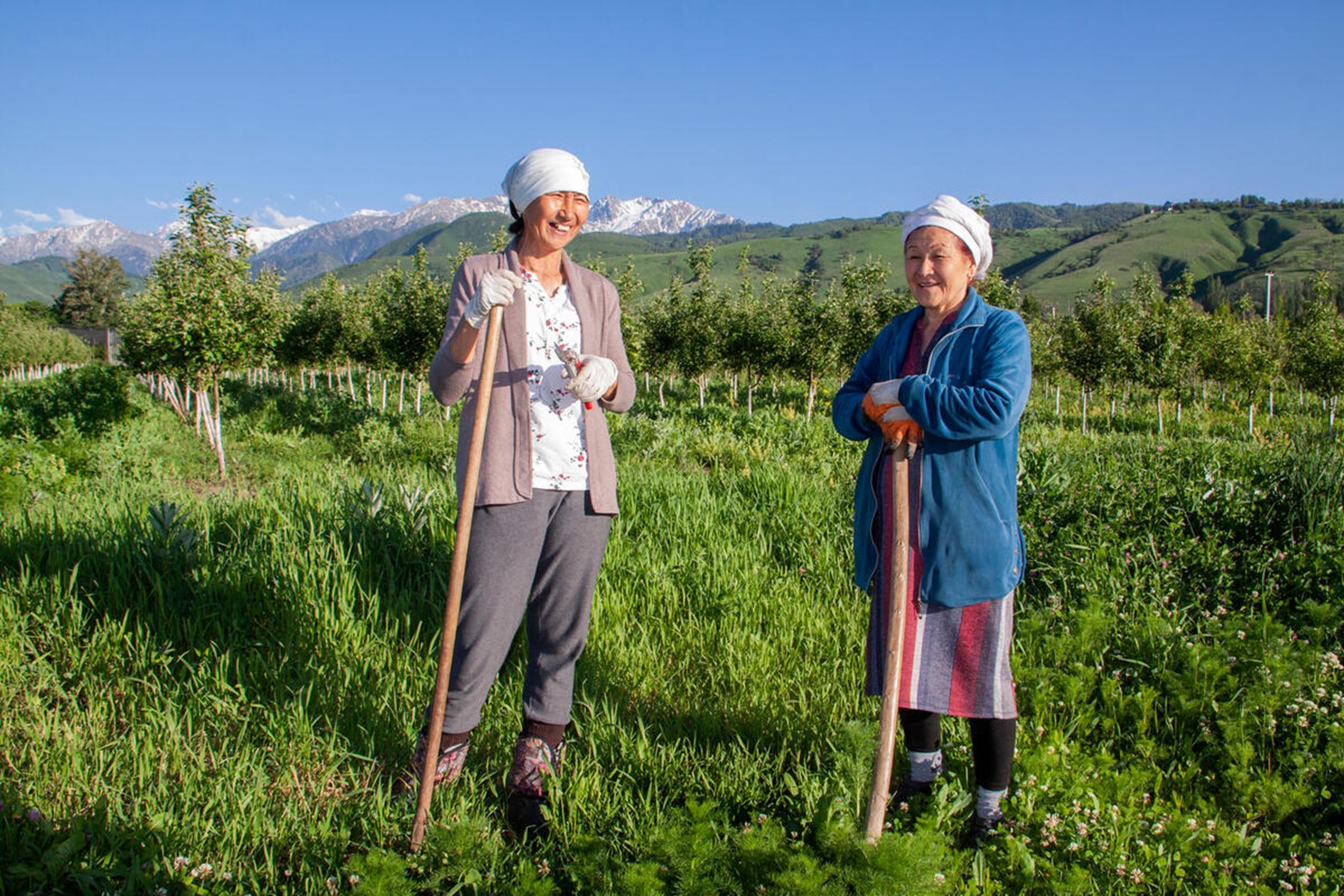
For the first time, we are spotlighting Kazakhstan. |
Kazakhstan is often described as land-rich but under-leveraged. It holds vast agricultural capacity yet remains largely positioned as a commodity exporter rather than a fully integrated agri-food system. What will it take to move beyond that framing? |
|
|
|
Today, it sits among the world’s significant wheat exporters, supplying grain and flour across Central Asia and into the Middle East through large-scale mechanised production systems built on the transformation of the steppe during the Soviet period. Agriculture here is still structurally weighted towards bulk output rather than downstream value capture. |
At the same time, its location — between China, Russia, and West Asia — is becoming more relevant as regional trade flows evolve and supply chains diversify. |
At Future Fit Asia, we want to explore a straightforward question: can Kazakhstan move beyond being a commodity exporter to develop stronger capabilities in processing, logistics, and branding? And should it be viewed not just as a supplier, but as a more integrated agri-food platform? |
Beneath these ambitions lie structural constraints. Infrastructure gaps, water constraints, and shifting trade dynamics all play a role. But the direction of travel is increasingly clear. |
|
A VIRTUAL VISIT INSIDE THE UAE'S INNOVATION OASIS |
The Gulf region is top of mind for reasons we all recognize. Ongoing tensions and the strategic importance of key trade routes like the Strait of Hormuz are a reminder of how exposed global supply chains — including food — can be. |
The Strait of Hormuz remains one of the world’s most sensitive economic corridors. Against this backdrop, we turn our attention to the UAE. Beyond short-term volatility, the country faces structural constraints: limited arable land, scarce water resources, and a heavy reliance on imports to meet domestic demand. |
The UAE’s response has not been to resist these constraints, but to design around them. |
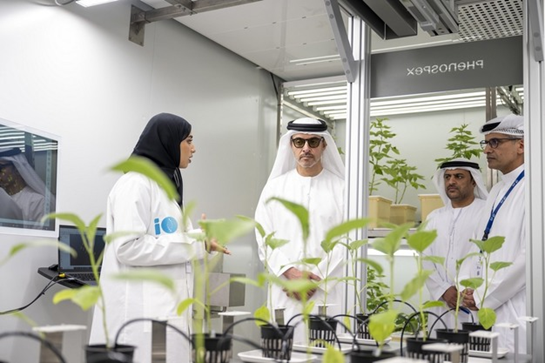
At Future Fit Asia, we are bringing a virtual visit inside the UAE’s Innovation Oasis — offering a closer look at how one country is rethinking food production and resilience under pressure. |
|
|
|
For import-dependent economies, the focus has shifted from adaptation to achieving true resilience. |
|
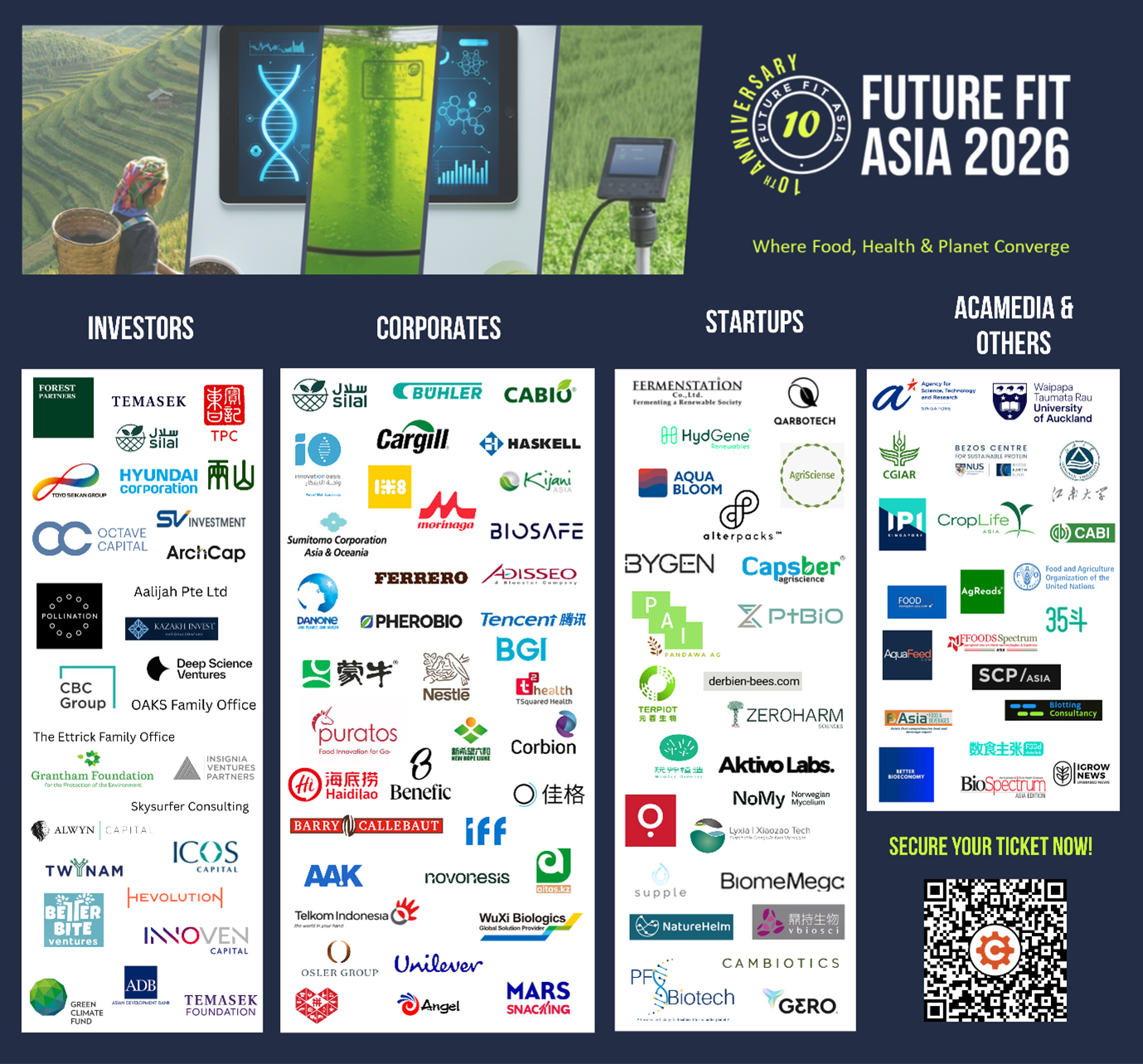
THEY WILL JOIN US THIS YEAR |