Subject: Teens, Tech & Dads: Research You Don't Want to Miss

What's shaping teen health, relationships, and decisions — and what caring adults can do about it.

DIBBLE NEWS

Teen Empowerment Program Seeking Local Youth Mentors

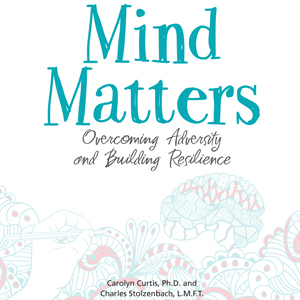
Bethany Christian Services’ new EmpowerED Youth program, which is using Mind Matters, is recruiting teens 12–18 to be peer leaders tackling substance use and mental health.


Read more…


Editor's Note: Working with teens on mental health and healthy decisions? Request a free 30-day Review Copy of Mind Matters to see if it fits your programming.

THE LATEST

Many Teens Face Strong Peer Pressure to Share Sexual Images

Adolescents said they were more likely to share photos with a dating partner, or when they had been worn down with repeated requests.


Read more…

Should We Be Delegating the Process of Socialisation to AI Companions?

Socialisation is the process whereby we learn to relate to others, respond to expectations and internalise norms. The uptake of AI companions moves this away from human encounters and into algorithmically calibrated interactions.


Read more…

Research Finds Interaction with Father, Not Mother, Affects Child Health

A long-term study of 292 families linked fathers’ parenting style to their children’s heart health years later. To researchers’ surprise, no such link was found with mothers.


Read more…

2026 National Fatherhood Summit- Call for Proposals

Do you have innovative ideas, programming, evidence-informed research, or experiences to share? The National Fatherhood Summit Call for Proposals is now open! Submissions need to be complete by April 17, 2026.


Read more...

NEWS YOU CAN USE

Teen Births in the United States: Overview and Recent Trends

Although teen birth rates in the U.S. have fallen dramatically—dropping 68% since 2007 to a historic low in 2023—they remain among the highest in industrialized countries, with persistent racial, geographic, and socioeconomic disparities and significant long-term impacts for teens, their families, and society.


Read more…

The Birthrate Is Plunging. Why Some Say That’s a Good Thing

The political class is worried about the historic drop. But the biggest change is among the youngest women, who are the least ready to have children.


Read more…

Understand and Prevent Adultification of Teens

When teens are burdened with adult responsibilities and treated as more mature than they are — a pattern known as adultification — it can seriously harm their physical and emotional wellbeing, but caring adults can help by recognizing the signs and stepping in to protect young people's right to simply be kids.


Read more…

TOOLS YOU CAN USE

Rethinking School Discipline Through a Mental Health Lens

At Wayne State University, clinical psychology doctoral candidate Jeanine Johnson in the College of Liberal Arts and Sciences studies discipline in schools, but she doesn’t start with policies or statistics.


Read more…

Talking to Boys About Pornography Can Support Healthy Relationships and Prevent Violence

A guide to help parents talk openly with boys about pornography—covering consent, healthy relationships, and how to question what they see online.


Read more…

WEBINAR

April 8, 2026

Conversation Strategies for Talking with Youth about Healthy Relationships


Most of us who work with young people know the moment well: a youth brings up a relationship concern — maybe something that happened over text, or a situation that doesn't feel quite right — and we want to say exactly the right thing.


But where do you even start?


That's exactly why we're excited to share this free upcoming webinar from the experts at Child Trends.


This practical, research-based session is designed specifically for people like you — professionals who care deeply about young people and want real tools to support them.


What you will walk away with:

  • A clear picture of what healthy adolescent relationships actually look like — including communication, consent, shared power, and boundaries

  • Concrete conversation starters and prompts you can use right away in your work

  • Strategies for helping youth navigate the digital side of relationships — from texting to social media — where connection and risk often go hand in hand

Young people are already having these relationships. They deserve adults in their lives who feel confident, not caught off guard, when the conversation comes up.


This webinar gives you that confidence.

Presenters: Mindy Scott, Senior Research Scholar at Child Trends, and Matthew Rivas-Koehl, Research Scientist at Child Trends — two leaders who have spent their careers turning complex research into practical guidance for the people who work with youth every day.


When: April 8th @ 1:00pm Pacific/4:00pm Eastern


Duration: 60 minutes


Cost: Free!

CURRENT FUNDING STREAMS

New York State's Extended School Day/School Violence Prevention (ESD/SVP) Program offers competitive grants to support students through extended school day activities and school safety programs — including anti-gun and anti-violence initiatives. Public school districts and qualifying nonprofits partnering with a district are eligible to apply.

Ribbons of Hope (GA Only)

Application Deadline: April 24, 2026

Ribbons of Hope awards one $100,000 annual grant to a nonprofit organization in Georgia that improves the lives of women and children. Funding supports programs in health, education, economic independence, social well-being, and human rights, and may be used for special projects or capital improvements that the organization can sustain. Preference is given to initiatives that can be fully implemented with the grant and do not depend on other funding sources.

SEL4CA Micro-Grant Program (CA Only)

Application Deadline: May 1, 2026

All TK-12 California educators are eligible and encouraged to apply. Grants range from $100 to $1,000 and are intended for the implementation and/or enrichment of evidence-based SEL practices and resources, including efforts to support student, teacher, and family/community engagement and well-being.

Gardner Foundation (NE and IA Only)

Application Deadline: May 1, 2026

The Gardner Foundation primarily supports nonprofit organizations in eastern Nebraska and northwest Iowa, with preference for those within 75 miles of Wakefield, NE. Funding is available for a broad range of activities, including religious, charitable, scientific, literary, and educational programs. The Foundation may also provide seed money for new initiatives, while requests for general operating support or annual fundraising contributions are given lower priority.

Opioid Affected Youth Initiative

Application Due Date: May 11, 2026

This NOFO will support states, local, and Tribal jurisdictions to implement prevention and intervention programs and strategies that identify, respond to, treat, and support children, youth, and families impacted by opioid, stimulant, and other substance use disorders. OJJDP expects applicants to partner with law enforcement, criminal and juvenile justice agencies, schools, mental health service providers, child welfare agencies, community health agencies, and community-based organizations that encounter and address the needs of individuals and families experiencing substance use.

Weyerhaeuser Family Foundation

Application Deadline: June 15th

The goal of the Youth Initiative is to support direct service programs that promote resilience, stability, and psycho-social health for youth ages 14 to 21 who have experienced trauma because of exposure to Adverse Childhood Experiences (ACEs).

FORECASTED FUNDING STREAMS

The purpose of this program is to increase access to and provide effective trauma-focused treatment and services to children, adolescents, and their families who have experienced traumatic events.

Garrett Lee Smith Campus Suicide Prevention

Estimated Post Date: April 15, 2026

The purpose of this program is to support a comprehensive public health and evidence-based approach that: (1) enhances behavioral health services for all college students, including those at risk for suicide, depression, serious mental illness (SMI)/serious emotional disturbances (SED), and/or substance use disorders that can lead to school failure; (2) prevents and reduces suicide and mental and substance use disorders; (3) promotes help-seeking behavior and reduces stigma; and (4) improves the identification and treatment of at-risk college students so they can successfully complete their studies.

Research Grants for Preventing Violence

Estimated Post Date: February 2, 2025

Estimated Due Date: April 13, 2026

This initiative is intended to support effectiveness research to evaluate innovative programs, practices, or policies to address risk for interpersonal violence and suicide among groups experiencing a high burden of these issues. Innovative approaches are those that have not been rigorously evaluated for effectiveness in reducing interpersonal violence or suicide. Analyses examining how the approach affects different populations that are most impacted by these issues are a priority. Funds are available to conduct studies focused on preventing interpersonal violence or suicide involving youth or young adults (ages 10–24 years), including child abuse and neglect, intimate partner violence, sexual violence, suicide, and youth violence.


Editor’s Note: If you apply for this funding and include a Dibble program, we would be happy to contribute training and materials for the evaluation.

This initiative will solicit applications to support research employing a range of research designs and methods to expand the evidence base on approaches that address the context of people’s lives and living conditions to prevent, treat, and eliminate violence against women (VAW) to improve health outcomes for all.

The goal is to support scientists in becoming independent researchers. Applicants must propose a research project that focuses on at least one of the following NCIPC research priorities related to interpersonal violence and suicide affecting children and youth (birth to age 17). These research priorities include adverse childhood experiences, child abuse and neglect, youth violence, intimate partner violence (including teen dating violence), sexual violence, suicide, and cross-cutting preventions (i.e. examining two or more of these priority topics). Applicants are encouraged to explore multiple forms of interpersonal violence and/or suicide among children or youth, community factors that increase the risk of interpersonal violence and/or suicide, and the practical relevance of the research for prevention and intervention efforts.


Editor's Note: If you apply for this funding and include a Dibble program, we would be happy to contribute training and materials for the evaluation.

Please mark our messages as non-spam and add our address to your inbox contacts book.


The Dibble Institute® is a national, independent non-profit that empowers youth and young adults with skills to build and sustain healthy interpersonal and romantic relationships.


The Dibble Institute® does not sell or share your contact information.

In most cases, we obtained your contact information when you provided it to us when purchasing materials, at a conference, or by attending a Dibble training or webinar; or we obtained it through internal research. If you no longer wish to receive emails from us, simply click the unsubscribe button at the bottom of this email.

See our privacy policy.


Powered by:
GetResponse