Subject: Dibble Pricing/How to Flourish/Power of the Adolescent Brain

It's not just screen time- here's what's actually driving teen anxiety...

DIBBLE NEWS

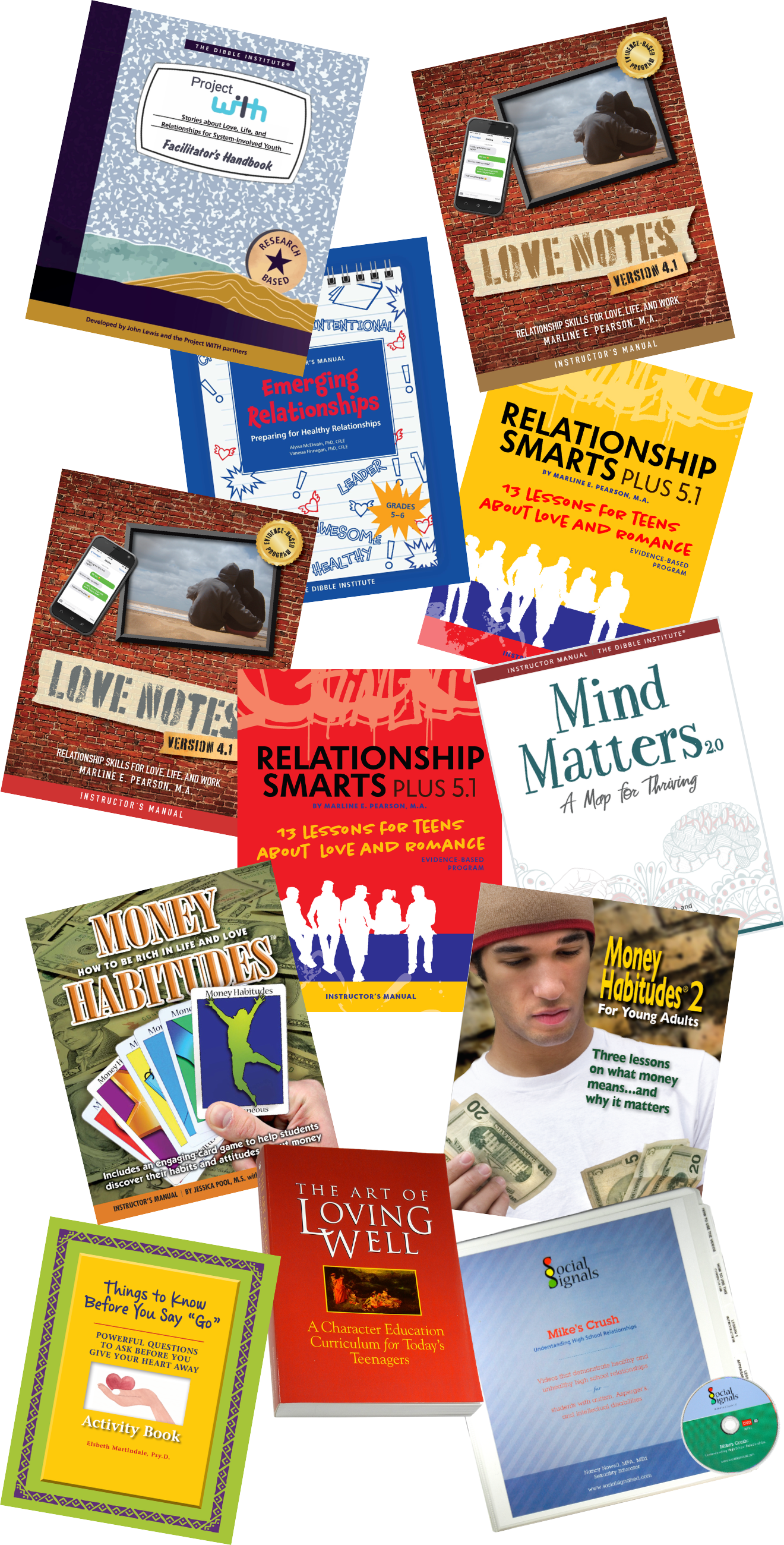
Important Note About Materials and Pricing

Like many of you, we've felt the squeeze of rising costs over the past few years. After holding our prices steady for two and a half years, rising operating costs make a modest adjustment necessary. To continue providing the materials you count on, we'll be making a small price adjustment—around 5%—beginning in August. We wanted to give you as much notice as possible so you have time to stock up at current pricing before the change takes effect. Thank you, as always, for the work you do with the young people you serve.


See new pricing…

THE LATEST

Proposed Federal Grant Rule Changes Could Impact Nonprofit Funding

The National Human Services Assembly (NHSA) is alerting its members, nonprofit human services providers, and sector partners about a proposed federal rule change that could significantly alter how grants are awarded, managed, modified, and terminated.


Read more...

Effectiveness of Resilience-Based Interventions to Promote Mental Well-Being Among Secondary School Children: A Systematic Review

A systematic review of 34 trials found that school-based resilience interventions — particularly multicomponent programs combining social skills training, CBT, and positive psychology — can meaningfully reduce depressive and anxiety symptoms and strengthen resilience in adolescents aged 11–19


Read more…

What the Research Tells Us About Social Media and Teen Mental Health

A closer look at what the research actually shows about social media and teen mental health — moving beyond screen time to examine how platform design, algorithms, and nighttime use drive anxiety and depression in young people.


Read more…

Study: Emotional Support Lowers Incarceration Risk for You in Foster Care

New research finds that emotional support plays a meaningful role in reducing the likelihood of incarceration among youth in foster care.


Read more…

NEWS YOU CAN USE

Teen Pornography Habits Tied to Dominant Behavior and Lower Relational Satisfaction

A new study found that teens who frequently view pornography featuring aggressive or dominant themes are more likely to enact those behaviors with partners — and that those behaviors are associated with lower sexual satisfaction in their relationships


Read more….

What Mattering Changes in the Classroom

Schools have learned to talk about belonging. But a student can belong and still feel their absence would go unnoticed. Here is why mattering is the piece we keep missing.


Read more…

How to Flourish: What Research Tells Us

What helps people flourish? Research points to a number of simple practices and commitments that can support happiness, health, meaning, character, and close relationships.


Read more…

TOOLS YOU CAN USE

The Power of the Adolescent Brain: A TAG Talk

The latest research on adolescent brain development, translated into practical insights for practitioners and families, complete with discussion guides ready to use in trainings or staff meetings.


Read more…

Teens Are Using AI—But Not How We Think

A new deep-dive into how teens are really using AI — more for homework help than emotional support — and what the demographic differences mean for practitioners and policymakers.


Read more…

Tips For Parents: Raising Resilient Learners in An AI World

Practical tip sheets covering the 10 core skills kids aged 10–14 need to become resilient learners in an AI-driven world.


Read more…

WEBINAR

July 8, 2026

Understanding the Story Your Youth Relationship Education Data is Trying to Tell You

How Youth-Serving Programs Can Use Evaluation to Strengthen Implementation, Tell a Clearer Impact Story, and Prepare for Future Funding


Youth relationship education programs are changing lives every day, but many organizations struggle to clearly demonstrate what youth are learning, how programs are making a difference, and how to use data to strengthen implementation and future funding opportunities.


In this interactive webinar, participants will explore practical, approachable ways to use evaluation as a tool for learning, improvement, and impact storytelling. Through real-world examples and hands-on activities, participants will learn how to develop meaningful evaluation questions, identify useful indicators and evidence, and translate findings into a compelling story about what youth are learning, experiencing, and applying.


Whether you are new to evaluation or looking to strengthen your current efforts, this session will help you move beyond funder compliance and use data more strategically to support youth, programs, and communities.

Objectives: Participants will be able to:

  • Develop 1–2 evaluation questions to better understand and improve Youth Relationship Education program implementation and outcomes.

  • Select meaningful indicators and evidence sources that help demonstrate youth learning and growth.

  • Translate evaluation findings into a clear and compelling impact story for funders, partners, and community stakeholders.

Presenter: 

  • Kim Gregson, PhD - Senior Evaluator; Collaborators Consulting Group

  • Stacey M. Kesten, PhD - Co-Founder & Principal Consultant; Collaborators Consulting Group


Who should attend: Programs Coordinators and Managers, Prevention Educators and Facilitators, Program Directors and Executive Directors, Grant Writers and Development Staff, Evaluators and Data Staff, Title V, SRAE, PREP, HMRF, and OJJDP Grantees


When: July 8th @ 1:00pm Pacific/4:00pm Eastern


Duration: 60 minutes


Cost: Free!

CURRENT FUNDING STREAMS

Rural Communities Opioid Response Program

Application Due Date: July 8, 2026

The RCORP – Impact Program helps rural communities by expanding access to evidence-based prevention, treatment, and recovery services through the building of a larger, more responsive workforce to meet behavioral health needs. An integrated and coordinated partnership approach across health and social services is required, leading to sustained long-term recovery and reduction in morbidity and mortality.

Children in Need of Services Grant Program

Application Due Date: July 22, 2026

The Children in Need of Services (CHINS) Grants Program provides funding for the implementation of programming for prevention from the juvenile justice system and intervention services for youth as alternatives to detention. Funding will be used to promote programming related to CHINS. Programming should be evidence supported or evidence based.


(Editor’s Note - Find a local Government to partner with.)

The purpose of Project AWARE is to develop a sustainable framework to address mental health, substance use, and co-occurring disorders and promote the social and emotional well-being for school-aged youth in local or tribal education agency settings.

Garrett Lee Smith Campus Suicide Prevention

Application Due Date: July 27, 2026

The purpose of this program is to support a comprehensive public health and evidence-based approach that: (1) enhances behavioral health services for all college students, including those at risk for suicide, depression, serious mental illness (SMI)/serious emotional disturbances (SED), and/or substance use disorders that can lead to school failure; (2) prevents and reduces suicide and mental and substance use disorders; (3) promotes help-seeking behavior and reduces stigma; and (4) improves the identification and treatment of at-risk college students so they can successfully complete their studies.

The purpose of this program is to increase access to and provide effective trauma-focused treatment and services to children, adolescents, and their families who have experienced traumatic events.

FORECASTED FUNDING STREAMS

Tribal Personal Responsibility Education Program (Tribal PREP)

Estimated Application Due Date: July 21, 2026

Tribal PREP competitively funds projects that educate American Indian/Alaska Native (AI/AN) youth ages 10-19, and expectant and parenting youth under age 21, on both abstinence and contraception for the prevention of pregnancy, sexually transmitted infections (STIs), and HIV and promote successful transition of youth to adulthood through education on key adulthood preparation subjects (APS).

General Departmental Sexual Risk Avoidance Education (GDSRAE)

Estimated Application Due Date: July 29, 2026

The Administration for Children and Families, Administration on Children, Youth and Families, Family and Youth Services Bureau announces the availability of funds under the Sexual Risk Avoidance Education (SRAE) Program. The purpose of the SRAE Program is to fund projects to implement sexual risk avoidance education that teach participants how to voluntarily refrain from non-marital sexual activity. The services are targeted to participants that reside in areas with high rates of teen births and/or are at greatest risk of contracting sexually transmitted infections (STIs). The goals of SRAE are to empower participants to make healthy decisions, and provide tools and resources to prevent pregnancy, STIs, and youth engagement in other risky behaviors.

Competitive Personal Responsibility Education Program

Estimated Application Due Date: July 30, 2026

The Family and Youth Services Bureau will be accepting applications for the development and implementation of the Personal Responsibility Education Program (PREP) in states that do not accept FY2026 allocations for State PREP. (details to come on which states are eligible) This program supports educational projects for youth ages 10–19 and for pregnant and parenting youth under age 21, focusing on abstinence and contraception to prevent pregnancy, sexually transmitted infections, and HIV/AIDS. Projects are also required to implement at least three of the following six adulthood preparation subjects: healthy relationships, adolescent development, financial literacy, parent-child communication, educational and career success, and healthy life skills.

This initiative will solicit applications to support research employing a range of research designs and methods to expand the evidence base on approaches that address the context of people’s lives and living conditions to prevent, treat, and eliminate violence against women (VAW) to improve health outcomes for all.

Please mark our messages as non-spam and add our address to your inbox contacts book.


The Dibble Institute® is a national, independent non-profit that empowers youth and young adults with skills to build and sustain healthy interpersonal and romantic relationships.


The Dibble Institute® does not sell or share your contact information.

In most cases, we obtained your contact information when you provided it to us when purchasing materials, at a conference, or by attending a Dibble training or webinar; or we obtained it through internal research. If you no longer wish to receive emails from us, simply click the unsubscribe button at the bottom of this email.

See our privacy policy.


Powered by:
GetResponse