Subject: Dibble Case Studies/Offline Support/College Dating Trend

Are you current in the latest dating lingo?

DIBBLE NEWS

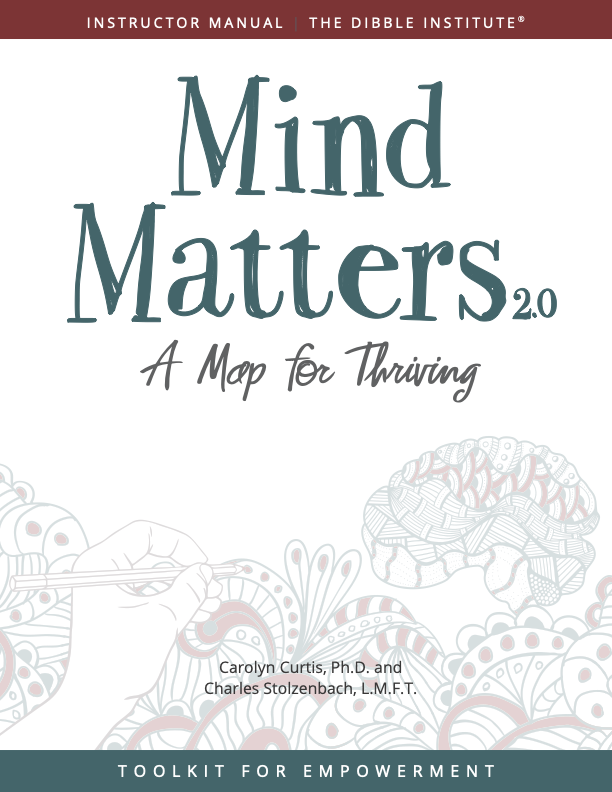
Mind Matters Study

A new randomized controlled trial found that teens who went through Mind Matters saw real reductions in PTSD symptoms; they also improved their trauma coping skills along the way!


Read study…

Case Studies Highlight Good Work!

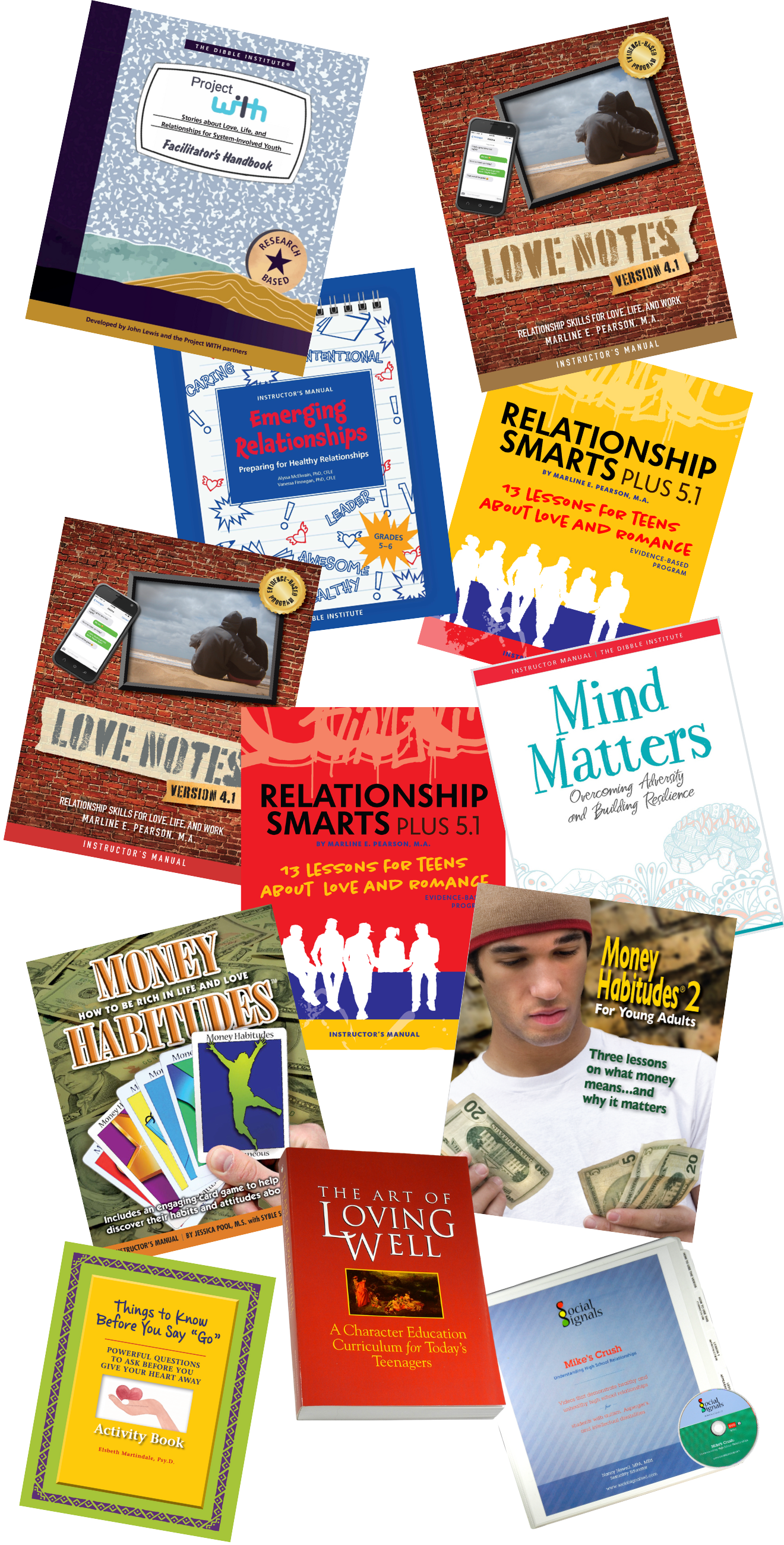
The Dibble Institute® collects case studies from our clients to highlight their amazing work! Browse our case studies to learn how organizations like yours are implementing Dibble programs. The reports are sorted by: 1) curricula, 2) goal, 3) setting, 4) funding, and 5) region.


In our latest case study, Columbus Wellness Center Outreach & Prevention Project, Inc. shares how they use Mind Matters to address juvenile violence using Byrne funding.


View Case Studies….


Additionally, if you want to highlight your program in a case study, please let us know!

THE LATEST

California Teens Don’t Want to Hide Behind Screens. They Want More Places to Belong

Teenagers across the state would rather set down their devices and hang out in real time, but say there aren't enough affordable spaces to truly connect.


Read more…

Schools Across the US Banned Phones. Teens are Demanding More Offline Support

More students are advocating for their own digital wellbeing and developing programs to thrive in tech-free learning environments.


Read more…


Editor’s Note: As schools navigate this shift, many are looking for structured ways to help students build healthy relationship and technology habits beyond just removing devices. Mind Matters could be a great fit for filling that gap — and we have FREE 30-day review copies available if you'd like to take a look.

AI is Making Dating Less Messy, Less Judgmental- and Less Fun

More and more people are asking AI to read the room during dates, and even more are outsourcing post-date spirals, text-message analysis, and compatibility checks to bots. Has technology finally usurped the group chat?


Read more…

NEWS YOU CAN USE

How Your First Love Shapes the Rest of Your Life

Your first love does not determine your future, but research shows early romantic experiences can influence how relationships develop later in life.


Read more…

Introducing SABSing, A New College Dating Trend

Apparently, there’s a new college dating trend going around, but it isn’t actually all that new in theory. Coined by Natalia Castillo, editor-in-chief of University of Pennsylvania’s student magazine in 2024, the trend is titled “SABS,” or “See And Be Seen”—and it’s exactly how it sounds.


Read more…

TOOLS YOU CAN USE

Are You Fluent in the Latest Dating Lingo?

There are more ways to date now than ever before: A.I. tools, niche dating apps and specialty matchmakers all vow to help you find your person. There is also new language to talk about courtship — whether you’re navigating a “situationship” or a “soft-launch,” there’s a catchy phrase to convey your experience.


Read more…

From Shrekking to Cookie-Jarring: How Well Do You Know the Latest Dating Terms?

In an app-based era, new dating tactics emerge rapidly and while you may have deployed one or been subject to one, how many of the following are real?


Read more…

WEBINAR

September 9, 2026

From Challenge to Opportunity:

How “PlanBeTeen" Used Innovation, Youth Engagement, and Community Partnerships to Adapt and Thrive


This webinar will explore how “PlanBeTeen” adapted its youth programming when changes in Florida law limited the organization’s ability to work in school-based settings.


With more than 20 years of experience serving youth in Miami-Dade County and more than 75,000 youth reached, “PlanBeTeen” will share how implementation challenges became opportunities to innovate, strengthen community partnerships, and expand community-based programming.


Participants will learn how they pivoted from a primarily school-based approach to a community-based implementation model, including developing “The Breakfast Club,” a youth-centered strategy designed to increase engagement, recruitment, and retention.


The webinar will highlight lessons learned around Positive Youth Development, youth voice, sustainability, multiple funding streams, and the importance of remaining flexible, relevant, and responsive to changing youth needs. Attendees will leave with practical strategies for navigating unexpected implementation challenges while maintaining program quality and meaningful youth engagement.

Objectives: Participants will be able to:

  • Identify strategies for pivoting youth programs from school-based to community-based implementation when external challenges arise.

  • Apply youth engagement, recruitment, and Positive Youth Development strategies to strengthen participation and retention.

  • Develop approaches to innovation, collaboration, and funding diversification that support program sustainability and responsiveness to youth needs.

Presenter: 

  • Karen Johnson, Director of Mental Health Services- PlanBeTeen

  • Christian Williams, Youth Development and Program Management Professional- PlanBeTeen


Who should attend: Federal grant managers, program directors, program coordinators, implementation staff, youth engagement coordinators, recruitment staff, evaluation staff, sustainability/funding staff, organizational leadership, federal program officers, state program office


When: September 9th @ 1:00pm Pacific/4:00pm Eastern


Duration: 60 minutes


Cost: Free!

CURRENT FUNDING STREAMS

The Consolidated Grant Program to Assist Children and Youth Affected by and to Engage Men and Youth in Preventing Domestic Violence, Dating Violence, Sexual Assault, and Stalking (Consolidated Youth Grant Program) supports community-based efforts to develop or expand prevention, intervention, treatment, and response strategies addressing the needs of children and youth (ages 0-24) affected by domestic/dating violence, sexual assault, stalking, and sex trafficking. It also supports work with men and youth to prevent those crimes.

Elevate Youth California: Cohort 8 Standard Track

Application Due Date: September 21, 2026

The projects of interest empower youth to become community leaders through prevention strategies that reduce risk factors (i.e., trauma) and increase protective factors (i.e., adult/peer mentorship).

Preventing Trafficking of Girls

Application Due Date: September 29, 2026

This opportunity funds prevention and early intervention services for girls and young women who are at risk of, or currently experiencing, sex and/or labor trafficking. It supports programs that build awareness, education, risk reduction, resilience, and community support systems to prevent victimization before it occurs. It also funds early identification and developmentally appropriate services for those already at risk or currently being trafficked.

The purpose of the Intimate Partner Violence Prevention (FD) Program is to prevent intimate partner violence, including teen dating violence, and sexual assault.

FORECASTED FUNDING STREAMS

Youth Regional Treatment Center Aftercare Program

Estimated Post Date: August 1, 2026

Application Due Date: October 1, 2026

The goal of the Youth Aftercare cooperative agreement is to help American Indian and Alaska Native (AI/AN) youth achieve and sustain safety, sobriety, and long-term success after discharge from a Youth Regional Treatment Center (YRTC). The program strengthens culturally appropriate, community-based aftercare services by improving care coordination, building partnerships across the continuum of care, and enhancing YRTC capacity to address barriers, support effective case management, and improve outcomes for youth.

Preventing Suicide and Interpersonal Violence Among Youth and Young Adults

Estimated Post Date: October 1, 2026

Estimated Due Date: December 1, 2026

The Centers for Disease Control and Prevention's (CDC) National Center for Injury Prevention and Control (NCIPC) seeks investigator-initiated research proposals to evaluate primary prevention-focused approaches to reduce suicide and interpersonal violence among youth and young adults (ages 10 to 24 years).


This NOFO will support the evaluation of existing primary prevention approaches (i.e., approaches that are already developed and implemented or have been shown to be ready for implementation) that have not yet undergone rigorous evaluation. For this announcement, "approaches" can include programs, policies, or practices.

This initiative will solicit applications to support research employing a range of research designs and methods to expand the evidence base on approaches that address the context of people’s lives and living conditions to prevent, treat, and eliminate violence against women (VAW) to improve health outcomes for all.

Suicide Prevention, Intervention, and Postvention

Estimated Post Date: February 1, 2027

Application Due Date: April 1, 2027

The primary purpose of this program is to reduce suicide among American Indian and Alaska Native (AI/AN) populations by improving care coordination, expanding culturally appropriate behavioral health services, and implementing early intervention strategies for at-risk AI/AN youth. The program supports Tribal, community-driven suicide prevention, intervention, and postvention efforts that promote cross-system collaboration and the engagement of families, youth, and community partners.

Please mark our messages as non-spam and add our address to your inbox contacts book.


The Dibble Institute® is a national, independent non-profit that empowers youth and young adults with skills to build and sustain healthy interpersonal and romantic relationships.


The Dibble Institute® does not sell or share your contact information.

In most cases, we obtained your contact information when you provided it to us when purchasing materials, at a conference, or by attending a Dibble training or webinar; or we obtained it through internal research. If you no longer wish to receive emails from us, simply click the unsubscribe button at the bottom of this email.

See our privacy policy.


Powered by:
GetResponse