Dear Friends,
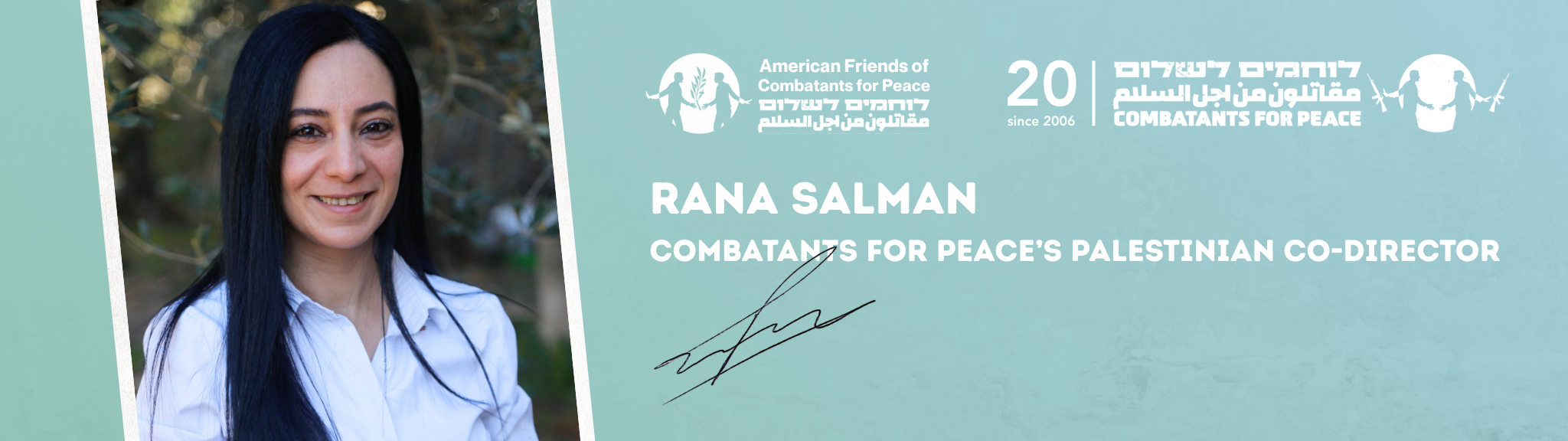
Earlier in the week, my colleague and friend Eszter wrote about what it means for Israelis in our movement to reject violence. From the Palestinian side, that journey is different.
For many Palestinians, the question is not whether the occupation exists. We live with its consequences every day. The harder question is what we do with the anger, grief and injustice it creates. What does resistance look like if we refuse to become part of another cycle of violence? Can we fight for Palestinian freedom without giving up our belief in the humanity of the people on the other side?
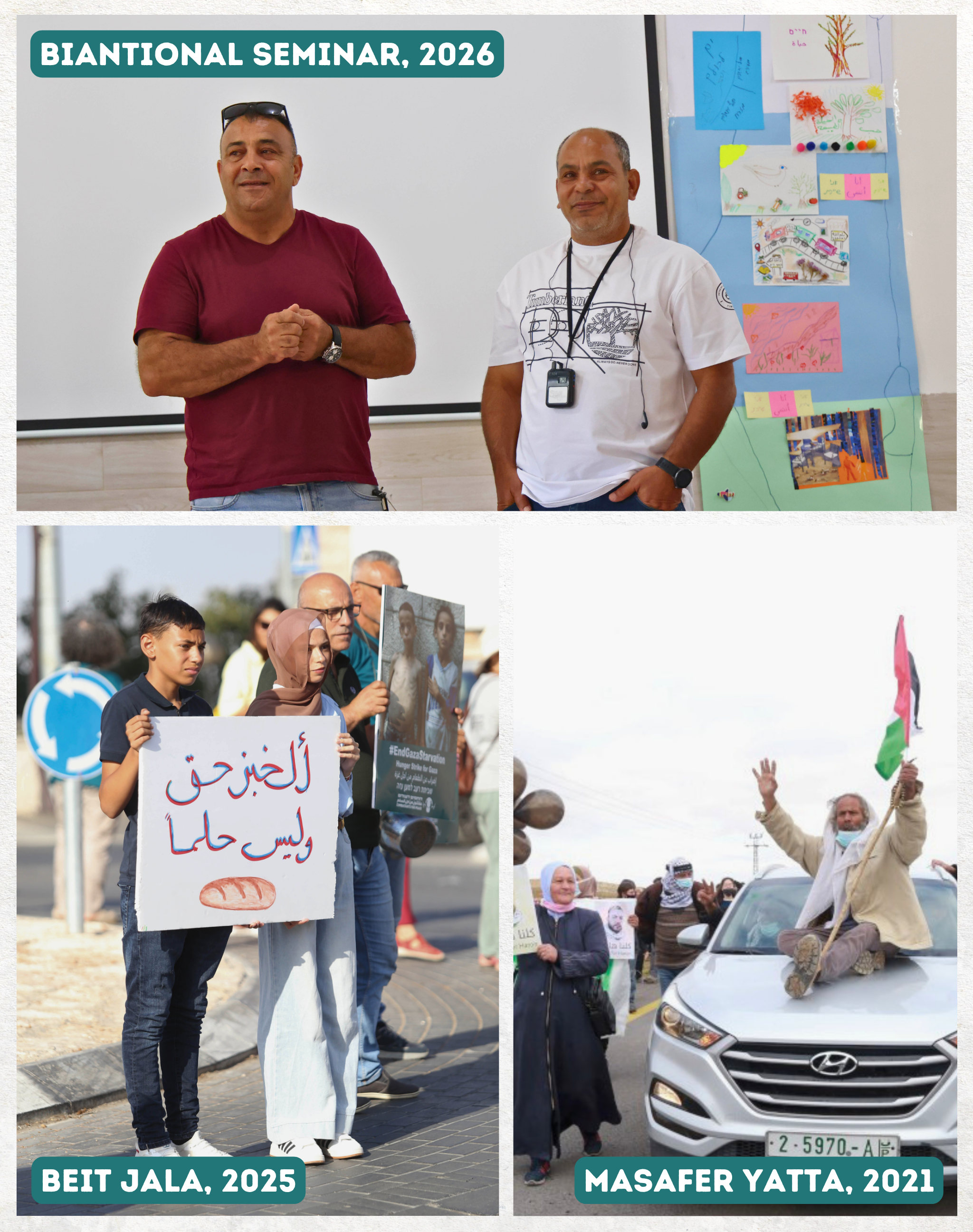
At our last joint seminar, I met a former Palestinian combatant who had spent 18 years in an Israeli prison. After everything he had experienced, he chose to sit alongside Israelis, to listen, build relationships and work with them towards a different future. That choice stayed with me, because it captures something fundamental about our movement.
Choosing nonviolence does not mean accepting occupation, forgetting what has happened, or pretending that Palestinians and Israelis have experienced this conflict in the same way. It means facing those realities honestly while asking what kind of future we want to create from them.
As a Palestinian, I also know that choosing to work with Israelis can be seen as normalization or even betrayal, and I understand where those fears come from. But working together does not mean abandoning our struggle for liberation. For me, it means asking what kind of liberation we want to build, and refusing to reproduce the violence and dehumanization that have caused so much harm.
I see that same determination in the younger generation coming through Combatants for Peace. Many of our Freedom School alumni have never held a weapon. Their experience is different from the generations before them, and they have the opportunity to shape what Palestinian resistance and leadership can look like in the future.
This is what makes Combatants for Peace so unique. Former combatants and a new generation are choosing nonviolence not after the occupation and conflict have ended, but now, when making that choice is hardest.