Subject: BFFP Newsletter 🌍📰: New report exposes the financiers of the plastic crisis, plus other stories!

Plastic pollution is not just a production problem, but also a financial one. A new investigation by Break Free From Plastic exposes how financial ins

Latest News and Updates

November 20, 2026


Who’s Financing the Plastic Crisis?

Plastic pollution is not just a production problem, but also a financial one. A new investigation by Break Free From Plastic exposes how financial institutions continue to bankroll major corporations driving plastic pollution. With billions flowing into plastic-dependent business models, financial institutions must be held accountable. It’s time to stop financing plastic pollution and invest in reuse and refill solutions. 


Photo credit: Mingas por el mar

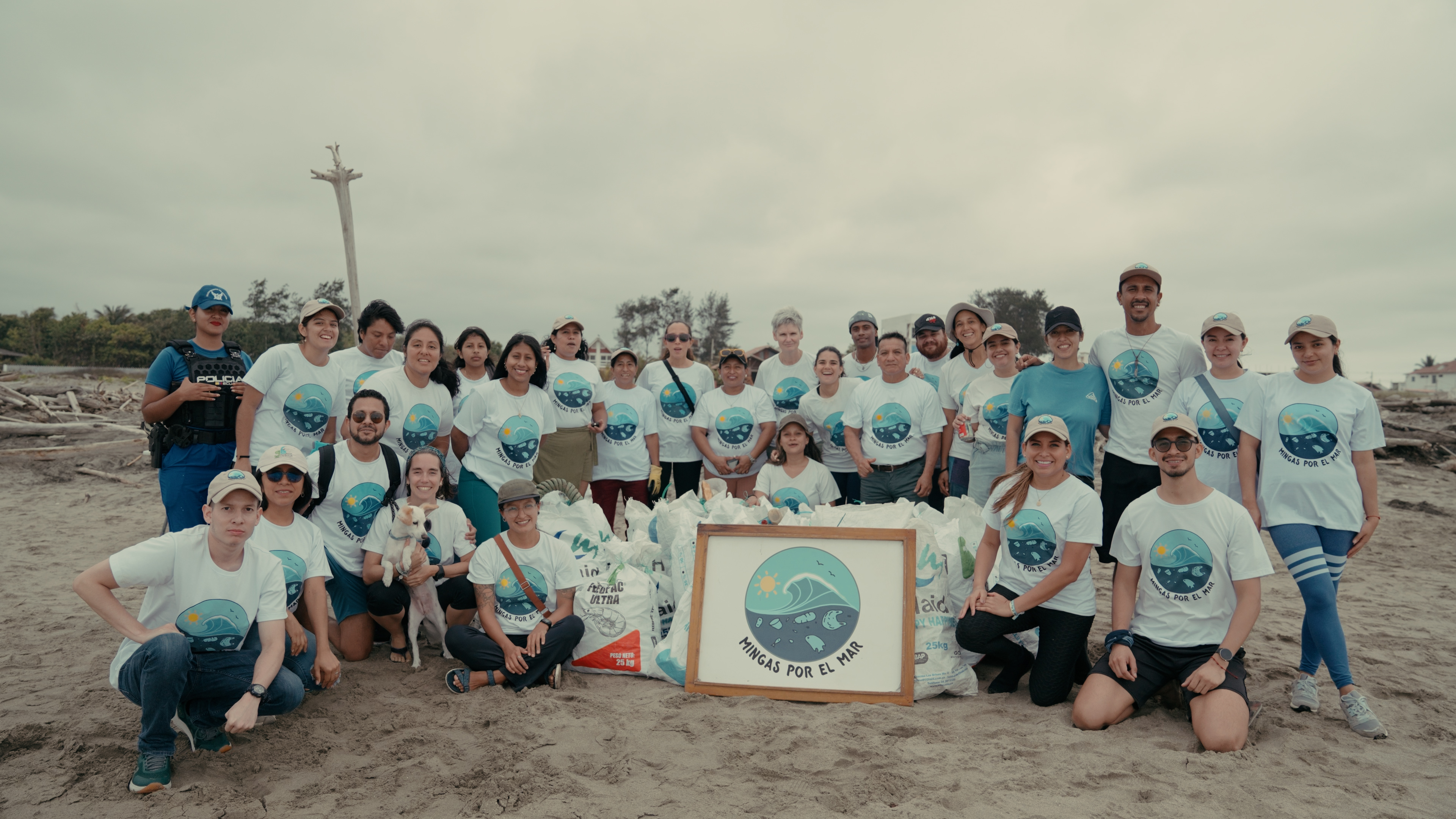
More Than 10 Years Transforming the Fight Against Plastic Through Ecuador’s Communities 

From beach cleanups to the implementation of reuse systems, Mingas por el mar demonstrates that solutions to plastic pollution begin at the local level. 


As part of Break Free From Plastic, the Ecuadorian organization connects local action with a global movement that seeks to transform the way we produce, consume, and manage plastics. 

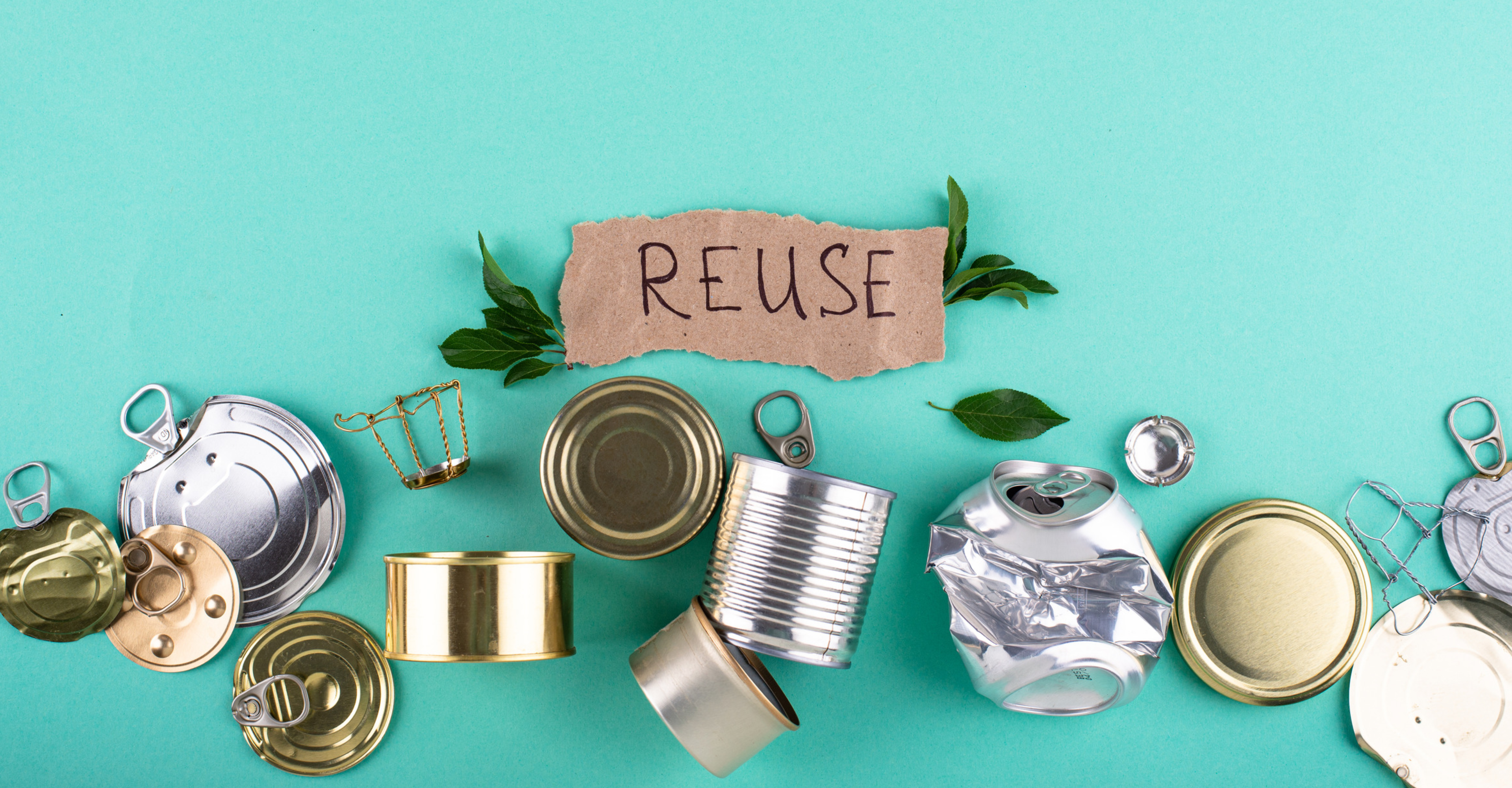
COP31: Putting Waste Prevention and Reuse at the Heart of Climate Action

As COP31 puts the spotlight on global climate ambitions, Global Alliance for Incinerator Alternatives (GAIA) and the Break Free From Plastic (BFFP) movement are calling on governments to move beyond conventional waste management and prioritize waste prevention and reuse. Advocates emphasize the need to address waste at its source through systems that promote reuse, refill, repair, and redesign over recycling and disposal alone.


Reducing waste means rethinking how we produce, consume, and use resources, while scaling community-led zero-waste solutions that can cut greenhouse gas emissions and deliver environmental and social benefits.


Photo Credit: Centre for Earth Works 

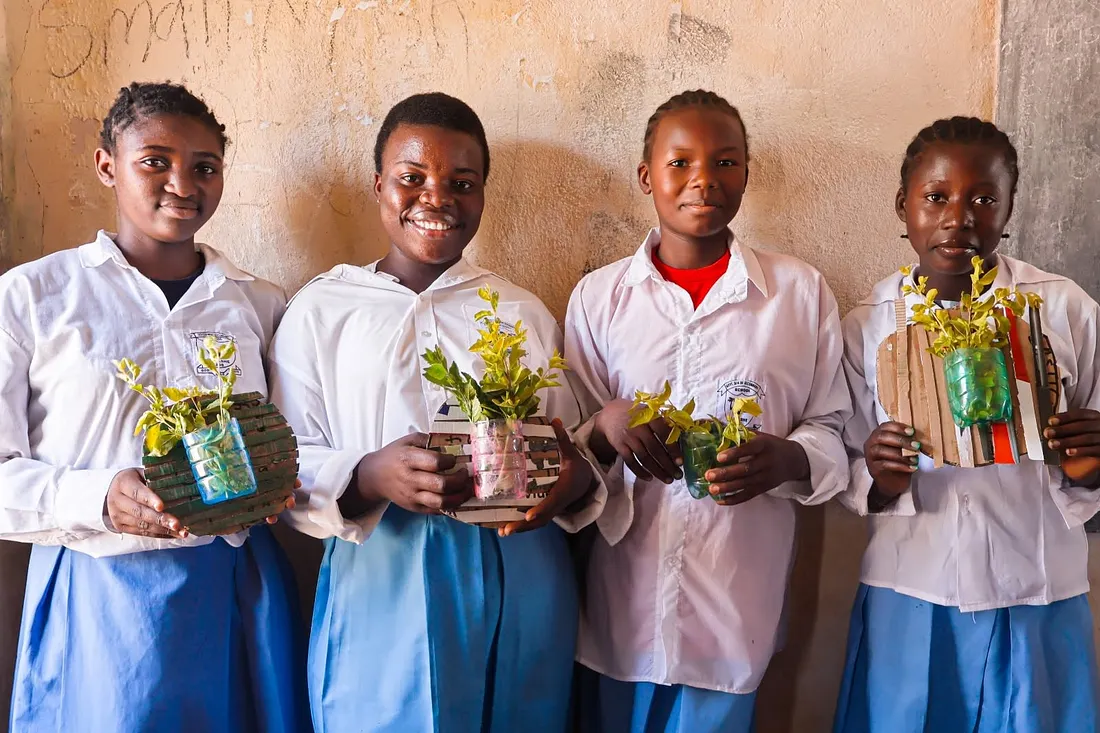
Younger People Should Lead the Fight Against Plastic Pollution 

Children are the leading innovators who will address the plastic crisis. Through the adaptation of sustainable habits, children encompass the zeal to adopt behavioural changes and habits which will lead the charge in addressing plastic waste for future generations to come. In Nigeria it is estimated that 2.5 million tons of plastic waste is produced annually and communities on the frontline disproportionately bear the brunt of this harmful reality. Children are not only prone to environmental harms but are placed to address this vicious cycle. 

Image credit: Changing Markets, 2026

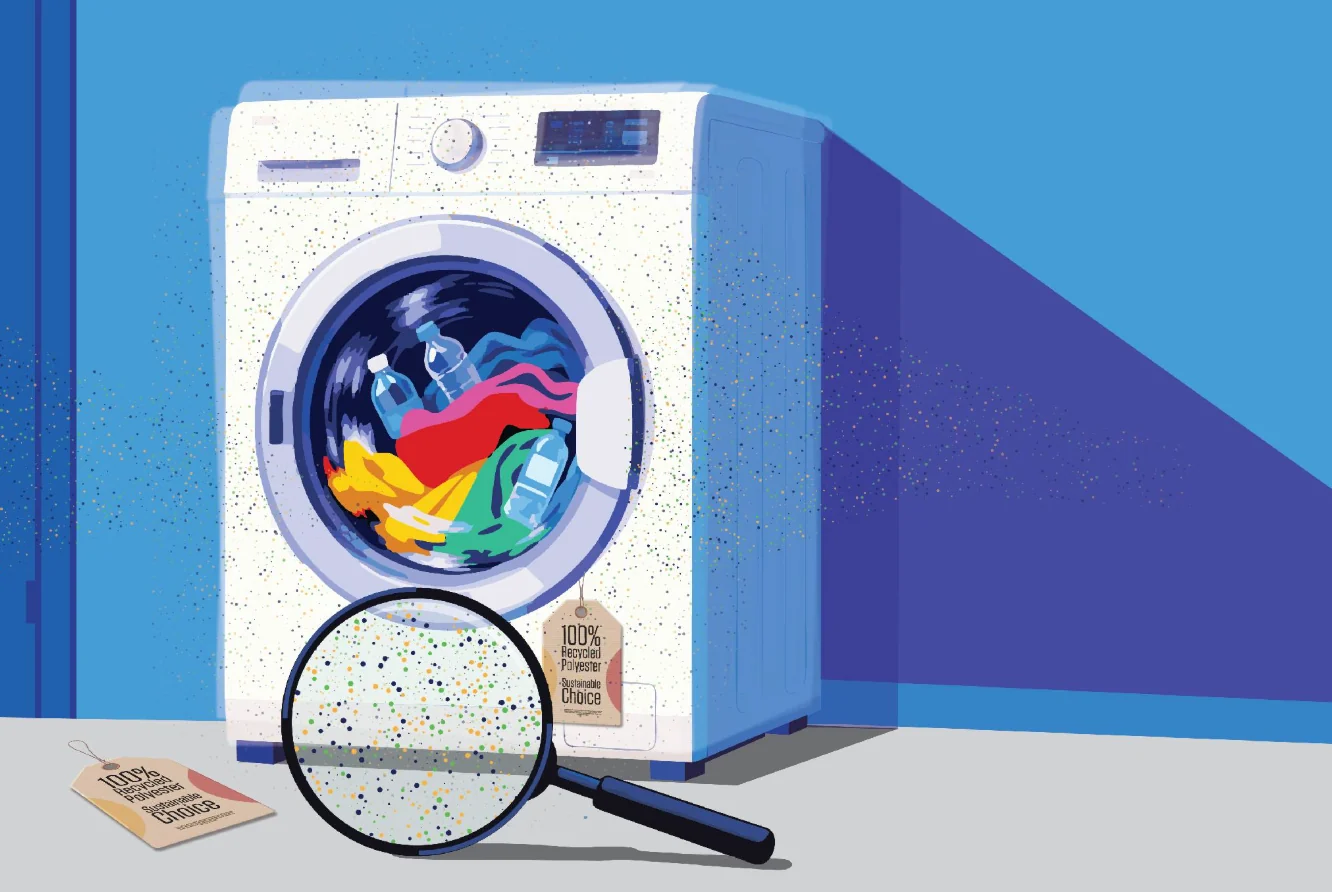
Recycled Polyester: A Green Solution or Greenwashing?

Changing Markets Foundation’s new report, Spinning Greenwash, puts fashion’s favourite green claim to the test. Testing 51 garments from Adidas, H&M, Nike, Shein and Zara, their new research found that recycled polyester sheds 55% more microfibres than virgin polyester, worsening microplastic pollution. It’s time to rethink fashion’s recycling obsession. The report calls for stronger regulation and a fundamental shift away from synthetic fibres. 


Digital Media Hub: Resources Exclusively Available for BFFP Members

The Digital Media Hub is a one-stop space for digital campaign resources. Inside, you’ll find social media templates, graphics, and the BFFP style guide.

This page is password-protected and exclusive to BFFP members only. Use hJ8*yDe as the password. Please do not share the link or password with anyone outside the movement. Access it here.

Have stories to share?

Tag us on social media!