3. Bee Bread: The Nutrient Core of the ColonyBee bread is fermented pollen—processed by bees using enzymes, microbes, and time. It is: More bioavailable than raw pollen Rich in amino acids, vitamins, and beneficial bacteria Central to brood development and colony health
Most beekeepers never see it as a resource.
A few don’t even know what it is.
While harvesting bee bread requires care, restraint, and ethics, its growing interest in nutrition and research circles makes it one of the most overlooked educational and scientific hive products today.
Even if you never harvest it, understanding bee bread changes how you manage nutrition, pollen flow, and colony strength.
Typical use cases for humans:
Bee Bread is a superfood being protein-rich 20-30%, containing all essential amino acids, 30-40% carbs and 5-10% lipid fats and particularly Vitamin B rich! | | | 4. Slumgum: Not Waste—Raw MaterialSlumgum is what’s left after wax rendering: cocoons, propolis residue, pollen, and organic debris.
Most people dump it.
Experienced beekeepers repurpose it: Fire starters Bait material for swarm traps Soil conditioning (where appropriate) Research and demonstration material
It’s not glamorous—but it’s part of closed-loop beekeeping, where less is wasted and more is understood. | | 5. Knowledge Itself: The Impactful By-ProductHere’s the uncomfortable truth:
The most underutilised by-product of the hive is beekeeper knowledge.
Every hive teaches lessons about: Seasonality Stress responses Resource allocation Environmental pressure
Yet many beekeepers never document, teach, or share what they learn.
In today’s world, education, mentoring, and content are real assets.
If you’ve kept bees through bad seasons, disease cycles, failures, and recoveries—you are sitting on value.
The hive gives more than products.
It gives perspective. | | | Modern beekeeping has become efficient, productive—and narrow.
We[sterners] manage colonies for honey yield, control variables tightly, and optimise for scale. In doing so, we’ve quietly abandoned much of the hive knowledge our predecessors took for granted.
Traditional beekeeping cultures—across Eastern Europe, the Middle East, Africa, and Asia—never viewed the hive as a single-output system. To them, the colony was a living pharmacy, workshop, and fermentation vessel.
Below are lesser-known and traditionally recognised hive by-products that most modern beekeepers either overlook entirely or don’t even realise exist. | | 6. Royal Jelly: The Substance That Creates QueensThe same larva fed differently becomes: A sterile worker Or a reproductive queen
Royal jelly is not just “queen food.”
It is developmental biology in action with DNA Activation.That transformation is driven almost entirely by royal jelly. Most small-scale beekeepers never harvest it—not because it lacks value, but because: It requires precision and timing It demands respect for colony balance It is biologically potent and perishable
Traditionally, royal jelly was treated as a rare substance, not a bulk commodity. Even understanding how little is produced by a colony reshapes how you think about nutrition, brood rearing, and queen quality.
Royal jelly teaches humility:
The hive does not give everything freely.
| | | 7. Bee Venom (Apitoxin): Power That Demands RespectFew hive by-products are as misunderstood—or feared—as bee venom.
Historically, venom has been: Most beekeepers only experience venom accidentally, as pain. But venom is a complex biochemical cocktail, evolved for defence and signalling.
Modern beekeeping avoids it entirely, which is wise for most. But knowledge of venom collection, composition, and colony response exists—and understanding it deepens respect for the defensive intelligence of the hive.
This is not a product to chase.
It is a product to understand.
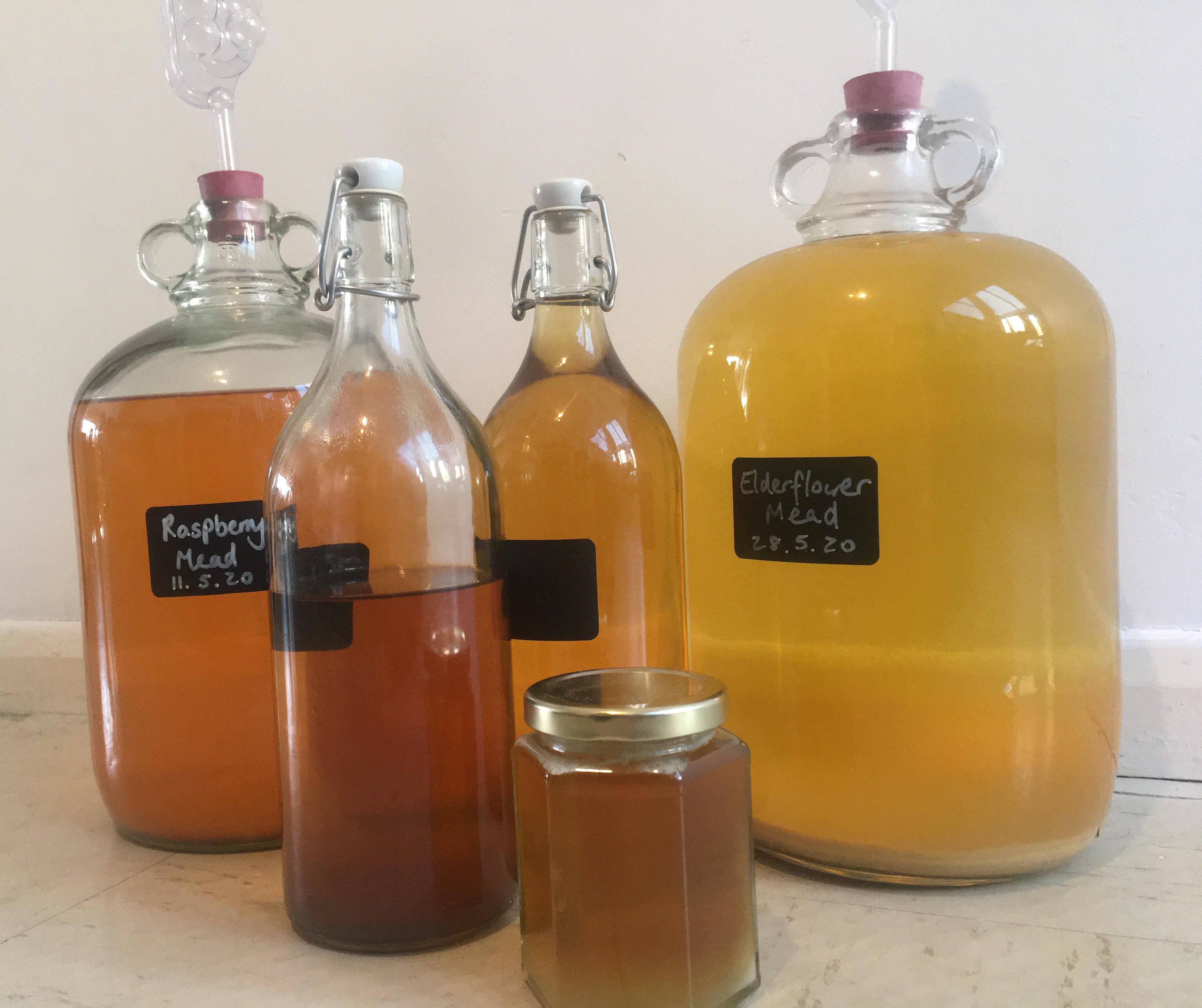
Mellitin - an active protein in bee venom - is shown to be effective against tumors and breast cancer. | | 8. Fermented Honey Products: The Hive as a Pre-Industrial BreweryLong before refined sugar existed, honey was humanity’s primary fermentable carbohydrate.
Traditional cultures produced: Honey wines Medicinal ferments Honey-vinegar hybrids
Mead is the most well-known descendant—but it barely scratches the surface of what fermented honey once represented. From a beekeeper’s perspective, fermentation: Fermentation reminds us that honey is not just a sweetener.
It is stored sunlight, waiting to transform. | | | 9. Apilarnil & Drone Brood: The Product Nobody Wants to Talk AboutDrone brood has always been controversial. Why?
In some traditional systems, drone larvae were harvested deliberately, not randomly, and never wastefully. The focus was not quantity—but timing, balance, and restraint.
Most modern beekeepers remove drone brood solely for mite control, then discard it.
Whether or not one ever engages with drone brood harvesting, understanding its nutritional density and biological role changes how you view: Drone value Colony investment [lots of resources] Reproductive strategy [genetic banks] Mite Control [using drone comb]
Ignoring drones entirely is a modern habit—not a biological truth.
Plus, they make for excellent protein as chicken feed or for alternate human consumption being rich in healthy fats and calorie dense. | 10. Hive Air & Volatile Compounds: The Invisible ProductOne of the most fascinating areas of traditional and emerging interest is something you cannot bottle easily:
Hive air.
The atmosphere inside a healthy colony contains: Bees live immersed in this environment year-round.
It shapes immunity, communication, and stress response. While this is not a “harvestable” product for most beekeepers, it reinforces a critical lesson:
The hive produces value even when nothing is removed.
Slovenia has a traditional approach using 'bee houses' where patients or clients may lie and rest inside while inhaling the 'hive fumes' for various ailments and symptoms. | | Final ThoughtBeekeeping is not just about honey yield per box.
It is about recognising the full biological economy of the hive—and respecting it enough to learn from it, harvest responsibly, and use it wisely.
Those who do will build: And those who don’t will continue throwing value into the grass beneath their hives.
Not least, is the impact of honeybees and other bees, with regards to food security and pollination of at least 50% of our food chain considering both indirect and direct flora supply related to human consumption and animal feed derived by the same. "Bee your best" © W. Selzer 2026. Thank you to all the bees and other insects out there that effectively make the world what it is today with our ability to eat food and live a healthy life on the back of your hard toil. |
|
|