Subject: 3 Steps LEFT For Summer Beekeeping

90-days Until Season Finale

3 STEPS LEFT FOR THIS SUMMER Of BEEKEEPING

We've got most of your social media platforms covered with a ton of extra tips, articles and beekeeping related hot stuff!

You can only find specific bee kiffness on specific platforms. So I recommend you can pick your favourite/s and come register with your online fellow bee lovers for free!

Check out Social Media Kiffness!

🐝 JANUARY TO APRIL - 90 DAYS OF BEEKEEPING

Get online beekeeping wisdom and experience with our sister site www.startbeekeeping.co.za with a group of avid beekeepers learning via videos, ebooks and audio all inclusive with access to a private Facebook group with monthly live sessions focus on tasks, issues and advice!

🌍 1. HARVEST YOUR HONEY

🔬 HONEY HARVESTING TIPS

At the SECOND HALF OF THE SUMMER ROLLS ON DO THIS:

  • Make sure you have at least 8-10 frames in the brood chamber

  • Inspect your bees: Do an external count on the entrance checking for # of bees returning. Count for 30 seconds. Roughly times that by 1000 and you can gauge the rough size of the colony. Do this at 10am or 3pm.

  • If you have not yet added a super chamber for the bees, and they have 8-10 frames drawn out - order one and add it ASAP on the brood chamber to give them storage space

  • If you have a super chamber on your hive, light that smoker and check on it. It does not take long for a colony with a nectar flow to build and fill it. 

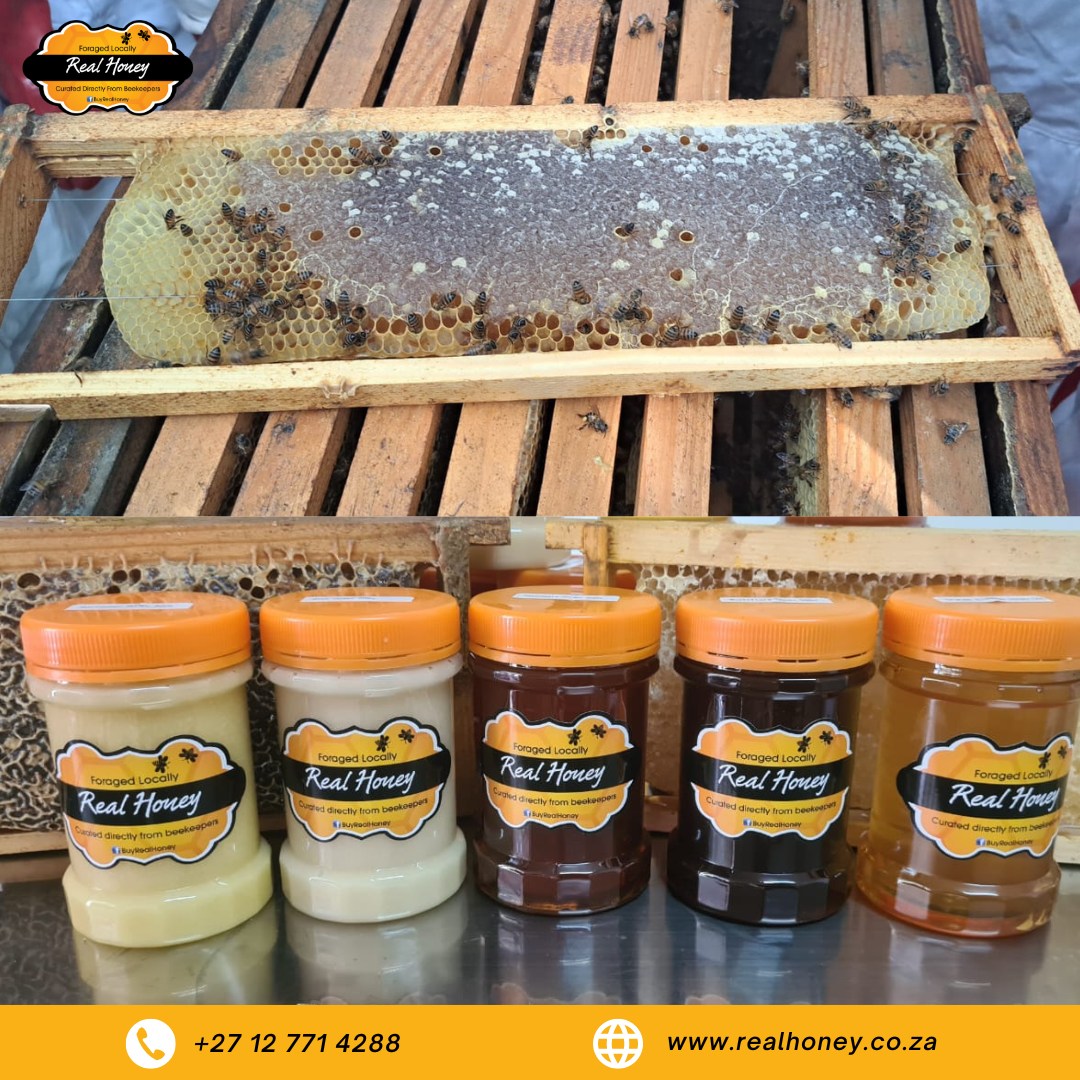
When you find honey that is capped - sealed with white cappings or translucent covering - this means the honey is ripe and ready for harvesting.


As long as about 80% of the frame is covered like this without any larvae or eggs [possible if you don't use a queen excluder] it can be removed, replace it with a new super frame with wax starter strip, and place it inside a spare super or plastic box you can seal.

Take it home or to your harvesting space, keep the temperature as high as possible - ideally around 24-26 degrees celsius and make sure the windows and door/s are closed to avoid attracting foraging bees who WILL come to collect while you uncap and extract the ripe honey.


HONEY EXTRACTING TOOLS:

  • Uncapping fork / Uncapping knife / Uncapping Roller

    • All of these assist to remove the cappings keeping the ripe honey stored safely at an average range of 16-21% moisture content. {Check with a refractometer}

    • Some come with the feature of being electric so they are heated and others not.

    • KEEP the CAPPINGS in a separate bowl where they can do dripping and be used as beeswax later

  • Honey Conical Strainer 

    • This is the budget version or low cost version of extracting honey by actually uncapping and cutting out all of the comb to be put into the conical strainer hanging over a bucket that has no floor on top of another bucket which has a lid which is cut out enough to let the top bucket rest on the edge of the lid of the bottom bucket.

    • Then you would place your cut comb into the strainer. Crush it and leave it overnight in a warm sunny area to allow the honey to quickly drain down.

  • Wax Press

    • A manual wax press is also a lower cost version without electricity for extracting honey from comb

    • It does mean cutting the comb from the frames, leaving at least 1cm if comb below the frame for the bees to rebuild - bees will take a few days to clean and rebuild each frame from scratch and lose time not being able to store honey until that is complete

    • Bonus of 800g of beeswax per super chamber harvested using this method [use for making swarm lure, lip balm, candles and other creams.]

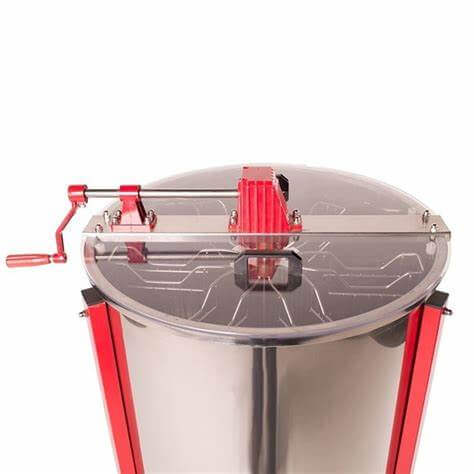
  • Honey extractors - manual / electric

    • 3/4/6 frame extractors would cover up to 20 bee hives ready for harvesting in a season - not harvesting all at once

    • Decide about electric or manual honey extractor use as manual are mobile unless using a 2000w solar generator for power on local site within a mobile harvesting tent/caravan/truck.

    • 8/12/20 frame honey extractors cover from 20 hives up to 100 hives as single units. All require electricity.

    • Speeds up the refilling of the super frames after being returned to the bees with the honeycomb intact and just needing cleaning.

    • All of these honey extractors come with honeygate taps and legs included


Check our your favourite social media platform below and get access to the best and widest South African Beekeeping Experience Online!

🧠 2. Nectar Flow Management

One of the big topics to always learn about is when flowers are blooming in your apiary's area and nectar flow region

  • We always discuss doing nectar value audits within 5km of your apiary site.

  • This means getting horticulture books, speaking with local garden centres and your local farmer growers groups.

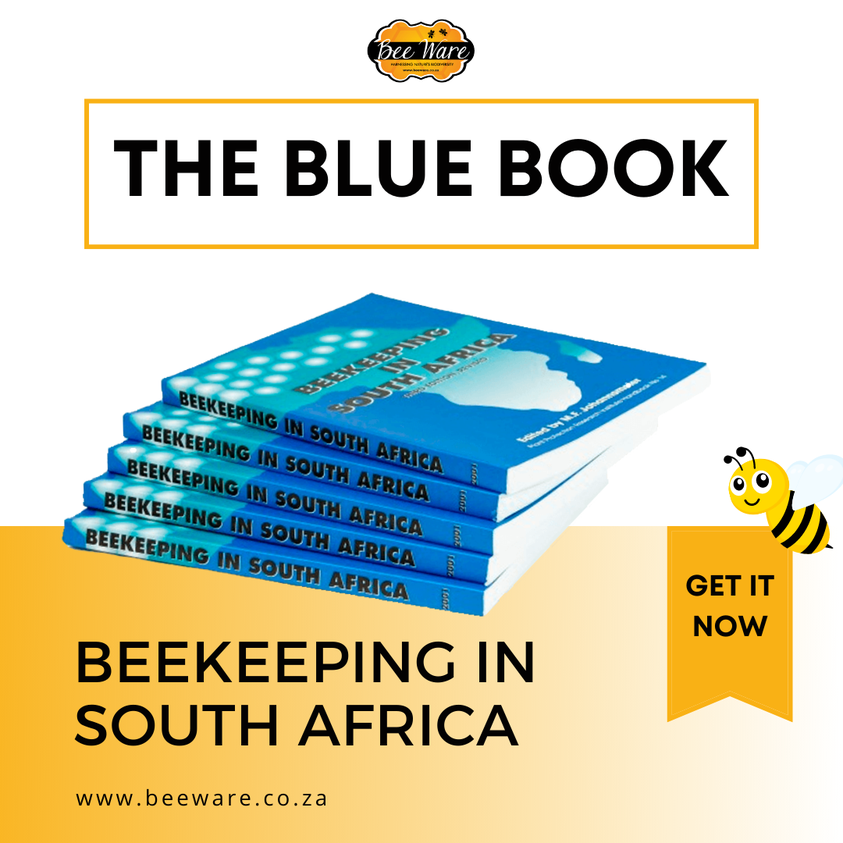
  • Get the blue book to get one of the most comprehensive list of researched bee plants by Martin Johannesmeier who edited the latest Beekeeping in South Africa handbook.

  • Always have a plan for alternative apiary sites for when dearth periods occur. This could mean driving 20-50km away with your bees at night and leaving them at this new location for 4-6 weeks when need be to maximise honey harvesting especially if a crop is blooming like sunflowers, blue gums etc

This issue continues to shape our training and support of beekeepers new and experienced over 20 years.

🌿 3. Swarm Catching and Attract Bees

🧬 Bee Swarms Still Trekking

For the next month there will still be some colonies trekking about the country where they have split from their parent colony.


There are some conditions - food should be within your area to attract the bees in the first place. Then, when your catch box or brood chamber has swarm lure or lemongrass oil or your DIY mix of old beeswax, propolis and a drop of lemongrass oil - the scout bees looking for a new home will find it and communicate back to the colony.


  • Place your catch box/brood at least 1m above ground

  • Face it away from any wind

  • Avoid using too much lemongrass oil - 2 drops is plenty

  • Place frames with wax starter strips only - not full sheets

  • Find locations where high value nectar flow is taking place - naturally attracts trekking swarms travelling from dearth areas

  • Feed them immediately using internal feeder frame with sugar water

  • Caution about robbing when feeding with entrance feeders

There's only rally 90 days for your bees to gain enough nectar stores to ripen and store for surviving the winter following April.

If your bees do not have honey stored away over that period they could likely not survive the harsh below freezing cold fronts through to autumn and warmer nights.

Remember, your bees cannot fly when it is under 9 degrees celsius - their wing muscles cease up so they physically cannot forage.