Subject: February 2026 eNews: Interview with Simon Harris on Life Drawing, last places for Wax Workshop, Exhibition news + more

Newsletter February 2026

Hi Friend


This month's features are:

  • Interview with Simon Harris on Life Drawing for Sculptors,

  • 3 places remaining for Life Drawing for Sculptors, starting this Saturday 14 February 2:30—5:30

  • Additional Wax Workshop with Michael Vaynman added for 18—19 April

  • Tim Jubb's exhibition Self and Whereness opening at Clara Street Gallery on 28 February

  • Submissions open for the Burwood Art Prize

Read on to learn more...

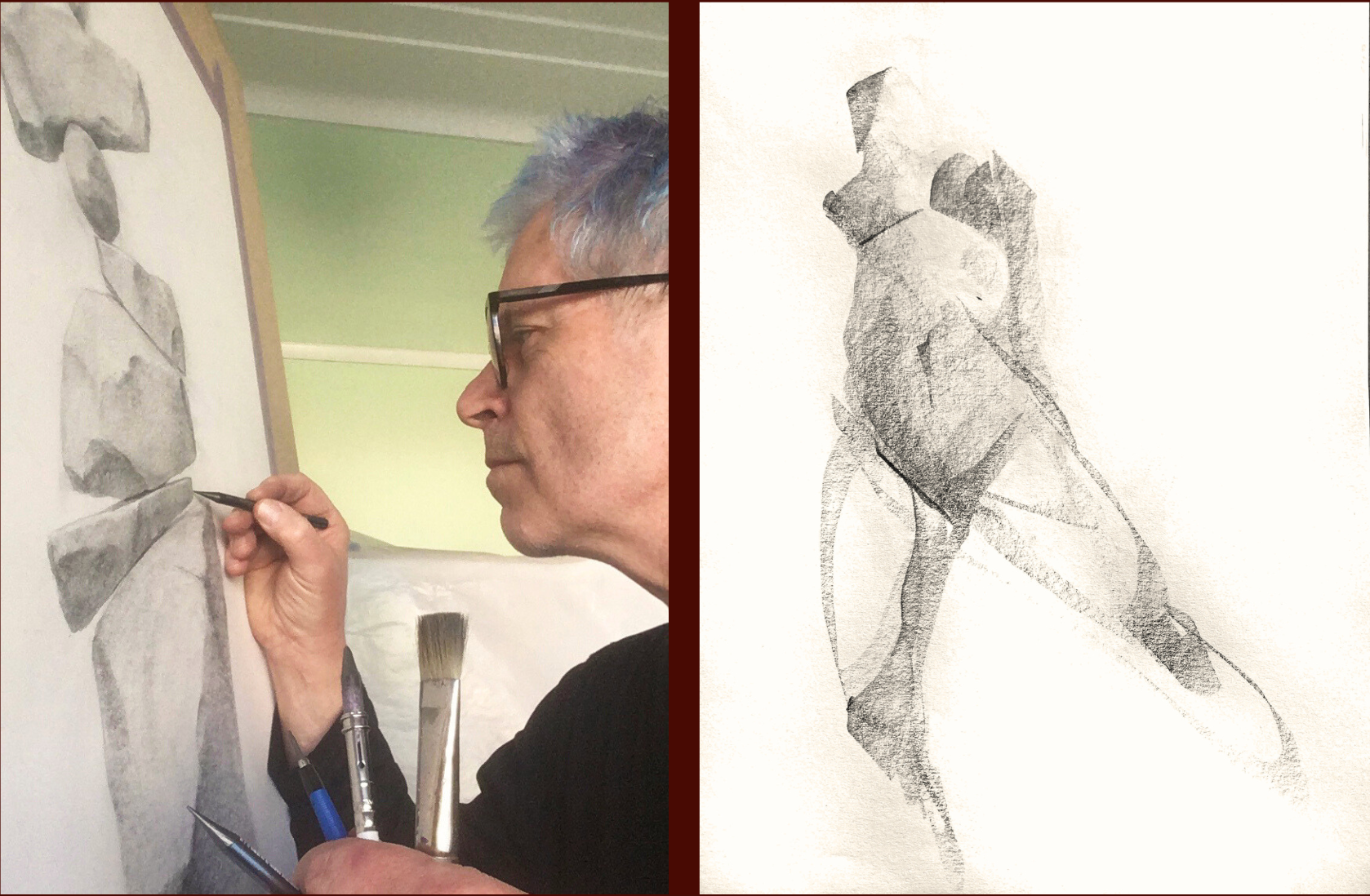
On Life Drawing for Sculptors with Simon Harris

TBSSS: Hi Simon, we're very glad to be speaking to you ahead of your workshop Life Drawing for Sculptors, starting this Saturday 14 February at TBSSS. Tell us about your background in life drawing, how did you get started teaching it?


Simon Harris: I first started life drawing when I was studying architecture at university, one of the lecturers convinced me that it would help fine-tune my aesthetics. I’ve continued the process ever since and I still try to go to a session every week. As for teaching, it was never something that I’d thought about, until Billy Blue College asked me to take on a new subject they were running. I loved it, helping people to find their creative expression is a wonderful thing. 23 years later... I’m still there, teaching drawing.


What would you say is the relationship between drawing and sculpture?


To quote Tom Bass, “Sculpture is the ultimate drawing, because it is drawing in three dimensions. A drawing is not a clever trick, it is what [you see], lodged in the mind... and when that faculty is developed, it will transfer itself to the making of a sculpture”. I couldn’t agree more!


Absolutely—Tom Bass also wrote this passage on ‘seeing’: "The primary thing to be done is not merely to look at the model, but to really see it and to put the knowledge of it into the mind. The best way to do that is by drawing. To look, see and allow what is seen into the mind, then to begin to draw so that what is being drawn comes from the mind." How do you interpret ‘seeing’ as an active and involved process in making a sculpture?


If you can see the nuances of curves, planes and proportions it makes it easier to create those subtle forms in a sculpture. It’s harder to sculpt the shape if you can’t see it first.


How do your life drawing classes generally run?


I usually start with a chat about anatomy or drawing technique before the model arrives, then we draw some quick poses to loosen up and get our 'eye' in. Those poses are usually quite dynamic, because the model doesn’t have to hold them for too long. Then we progress to longer and usually more static poses where we can focus more on the finer points of anatomy and technique.


How does working with a life model impact one’s artistic practice?


When you draw a life model, you’re not just experiencing a unique, intimate and challenging creative process, you are also touching the ‘golden thread’ of knowledge and understanding that comes from centuries of tradition in this practice. Countless artists before you have used life drawing to hone their skills and their ability to render creative ideas.


What would experienced and beginner sculptors alike have to learn from the practice of life drawing?


The human figure is the most demanding of organic forms to draw, whether you are doing simple gesture drawings or more complex anatomically correct studies. So the discipline and observational skills learned from life drawing will help an artist of any level to be better at expressing their ideas. You can never be too good at drawing the figure!


Thank you for chatting with us this month Simon, and we're all looking forward to the start of your workshop this Saturday. If you're interested in enrolling, learn more and book in here!


Upcoming Workshops

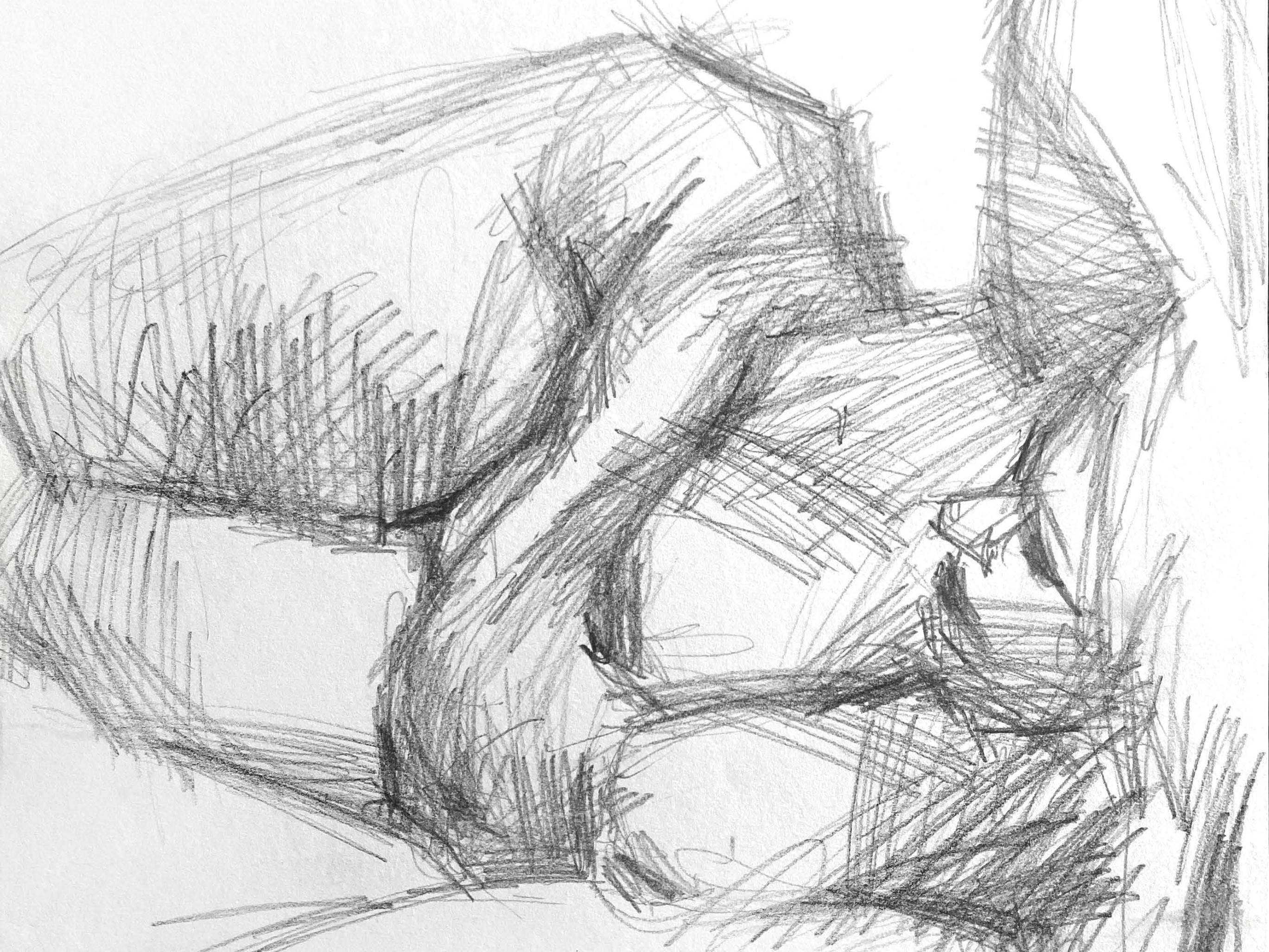
Life Drawing for Sculptors with Simon Harris

14 February—28 March (excl. 28 Feb) | Saturdays, 6 weeks | 2:30—5:30pm


This 6-week* life drawing course focuses on learning to see and draw the human figure as a three-dimensional, sculptural form. Working from a live model each week, sessions combine guided demonstrations, short warm-up studies and longer poses, with optional group critique. Through a structured progression covering gesture, proportion, light, anatomy and spatial depth, students strengthen observational drawing skills and spatial awareness, culminating in a sustained final figure study that supports and enriches sculptural practice.


ENROL NOW—3 places remaining!


Bookings will close for this workshop at 1pm Friday 13 February.

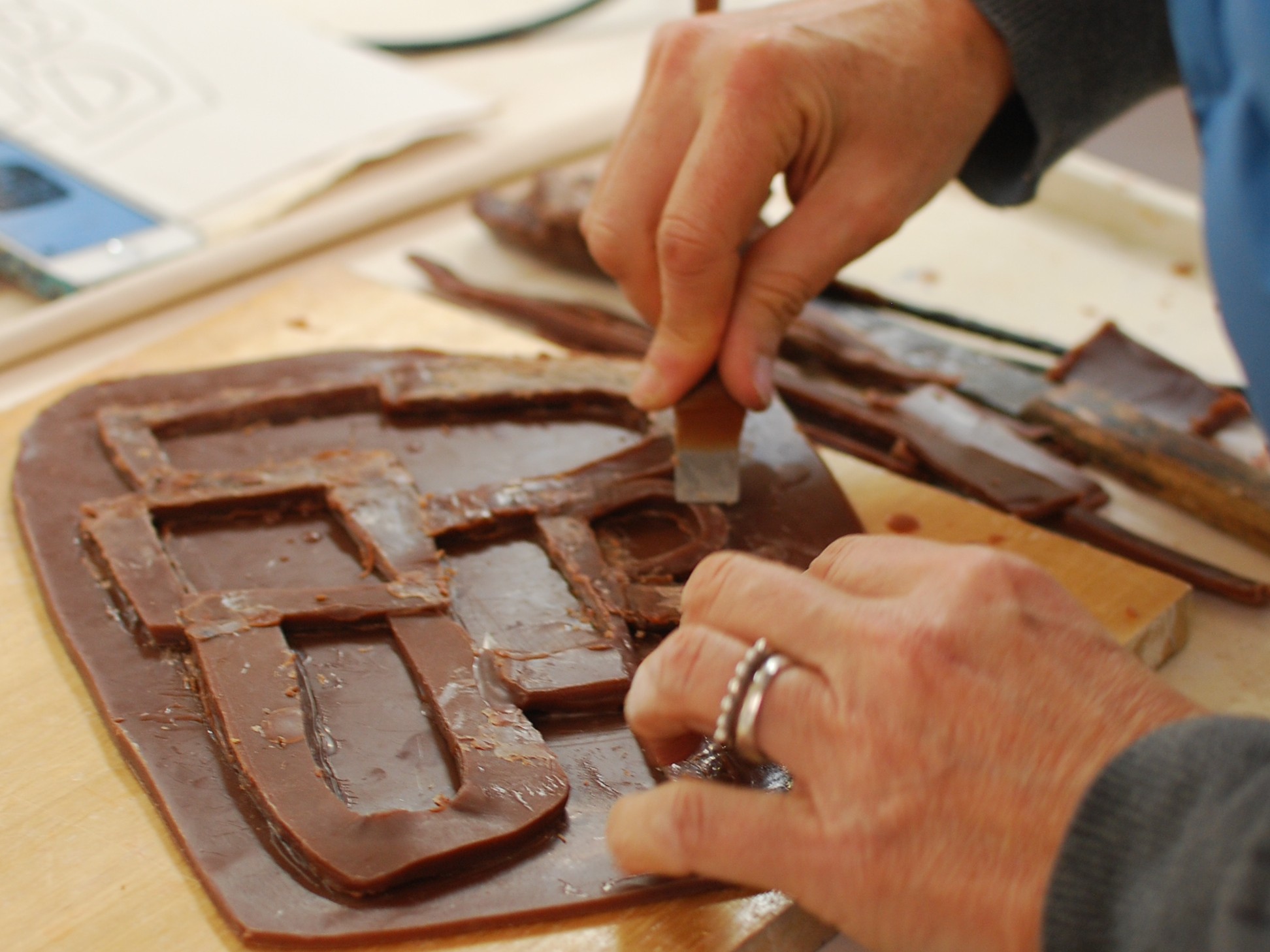
From Wax to Bronze: 2 Day Wax Workshop with Michael Vaynman

18—19 April | Saturday and Sunday | 10am—4pm


During this workshop students will be shown various techniques to utilize the variable states of the wax medium. Students will be shown how to construct a wax armature, explore modelling techniques and the use of tools for smoothing and texturing. Students will have the opportunity (at an additional cost*) to have their finished wax sculptures cast in bronze by Michael, using the lost wax casting process.


ENROL NOW—1 place remaining!


We are also running an earlier session of this workshop on 11—12 April, which is sold out. Please reply to this email if you would like to join the waitlist for that first workshop.

Exhibition and Student News

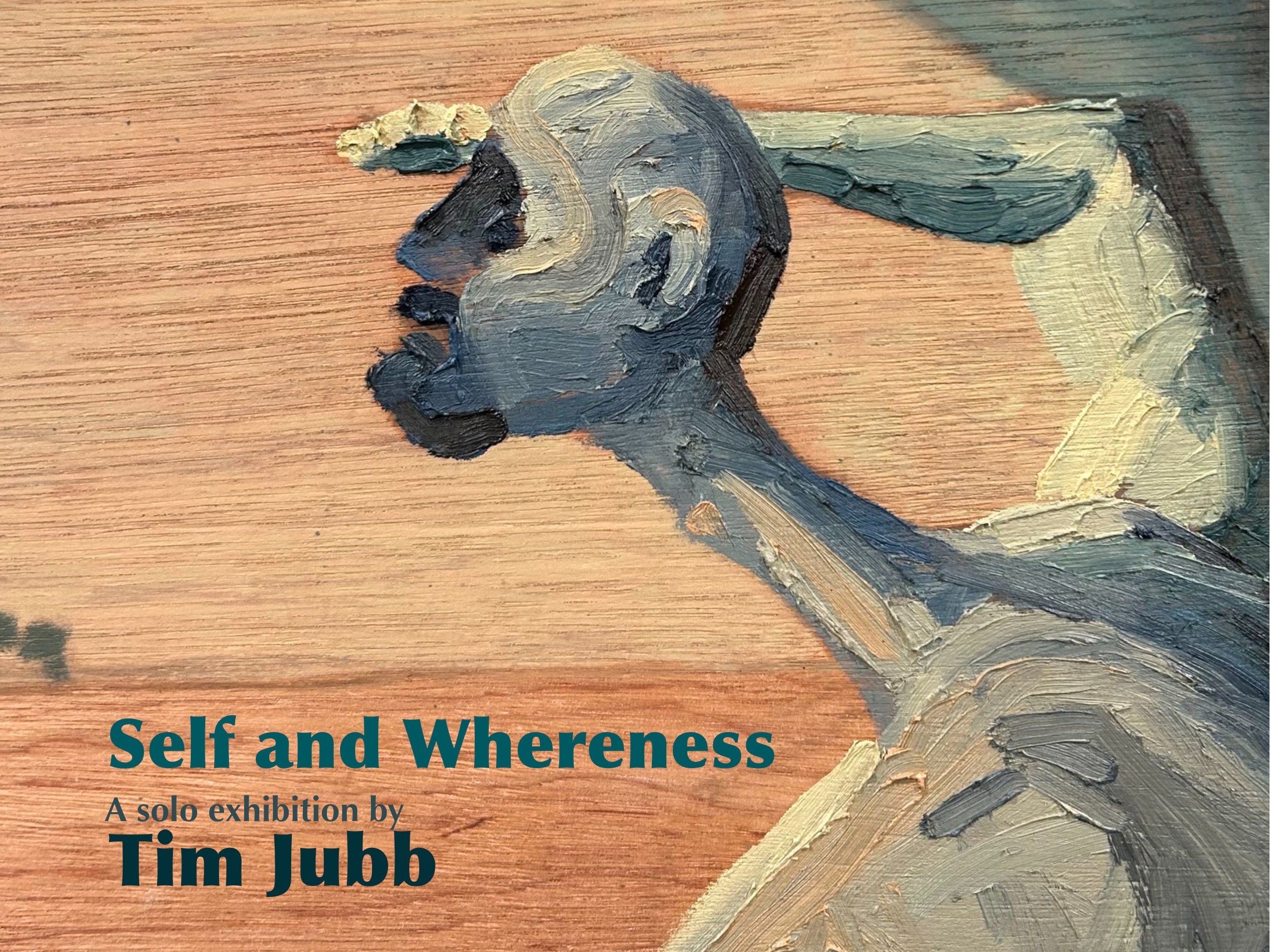
Self and Whereness, a solo exhibition by Tim Jubb at Clara Street Gallery

Opening 28 Feb, 4—6pm | Exhibition open to 20 March | Clara Street Gallery


Self and Whereness is Tim Jubb’s first solo exhibition and documents three years spent navigating time, space and midlife; daily discomforts, existential anxieties and art. Tim Jubb is a self taught artist working on Cammeraygal Land, Sydney. He often chooses reclaimed supports on which to paint his expressive portraits or figures in surreal landscapes, upcycling them with the conviction that they bring a unique energy and a sense of time to his work. 


The opening event will be held on Saturday 28 February 4—6pm at Clara Street Gallery, 1A Clara St Erskineville 2043. The gallery will be open for viewing until 20 March, Monday to Friday 9:30am to 1:30pm.

Burwood Art Prize submissions open, on the theme I AM HERE

Applications closing 16 March | Burwood


Submissions are now open for the 2026 Burwood Art Prize, inviting Sydney-based artists to respond to this year’s theme I AM HERE. They welcome small sculptures, maximum 50cm in any dimension.


The Burwood Art Prize encourages thoughtful reflections on cultural identity, personal narrative and a celebration of the many voices that shape contemporary multicultural Australia. The prize includes a $20,000 acquisitive award. Entries are welcomed from artists at all stages of their careers and look forward to presenting a considered selection of works as part of the 2026 Burwood Art Prize exhibition. Read more and apply HERE.


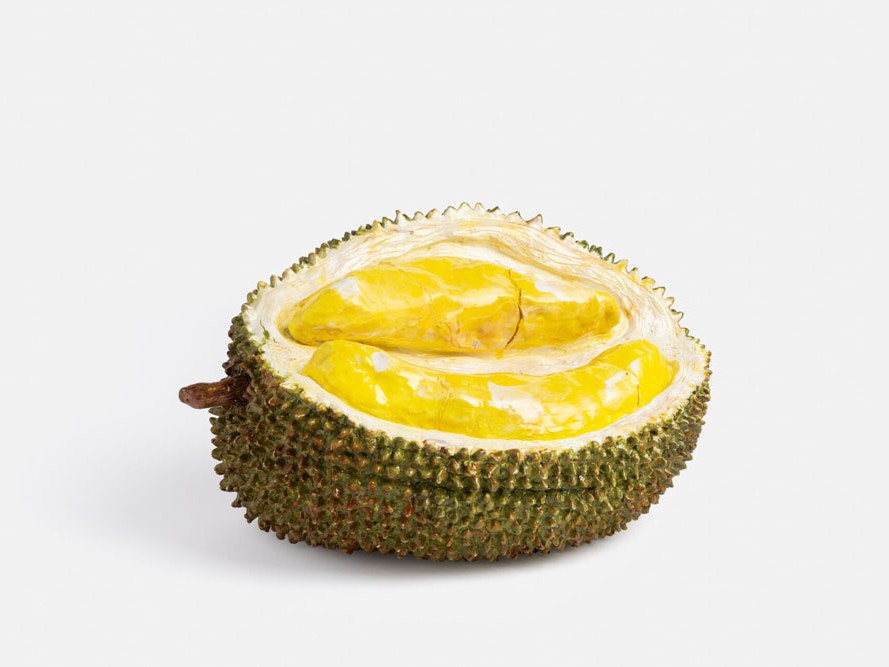
Pictured above: Durian is EXXY, Mechelle Bounpraseuth, 2025 Burwood Art Prize recipient.

Follow us


Powered by:
GetResponse