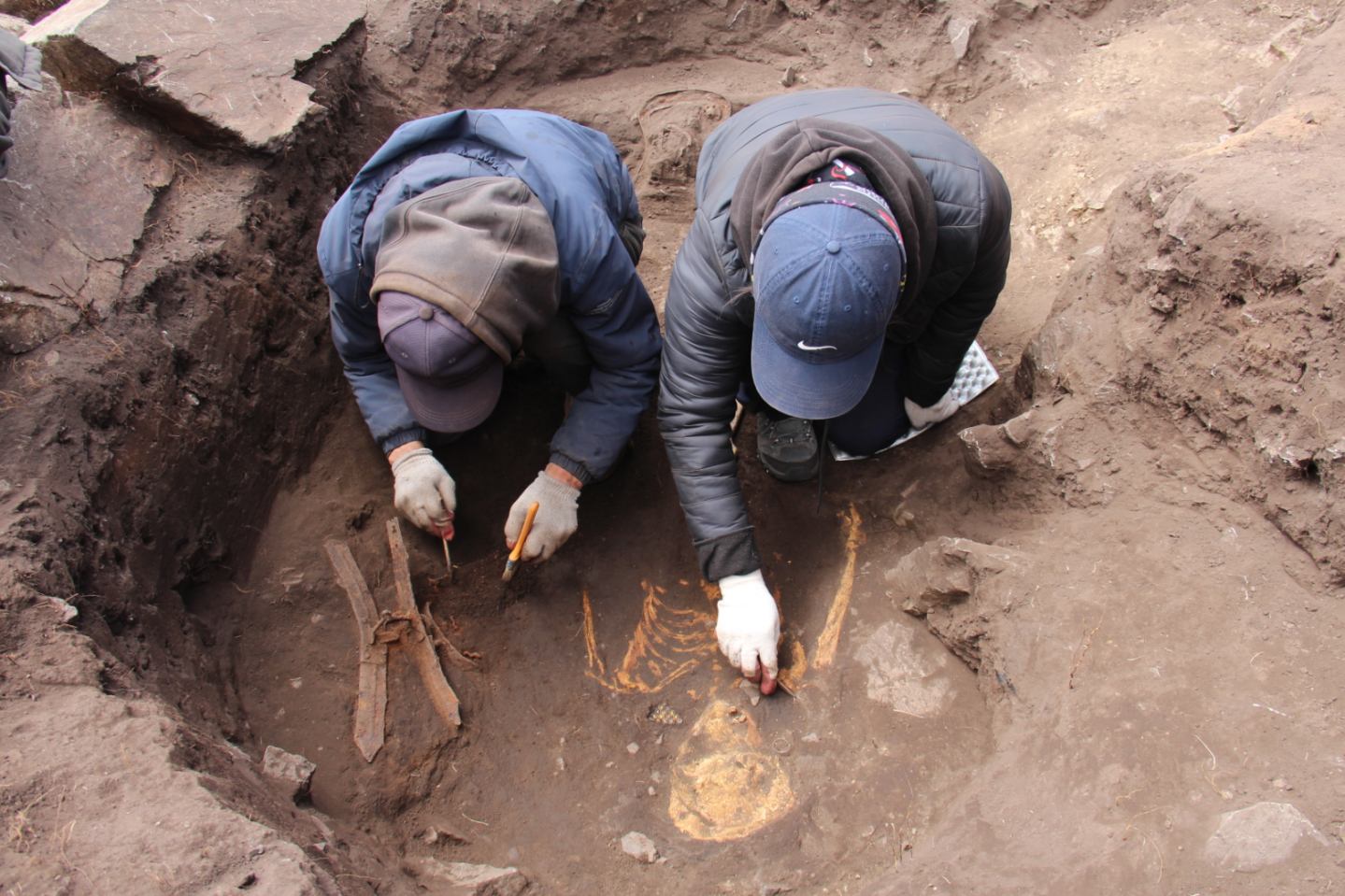
In an extraordinary breakthrough for Mongol Empire scholarship, a joint research team from the Institute of Archaeology of the Mongolian Academy of Sciences and the University of Michigan (USA), funded by Klinsky Expeditions, has uncovered highly significant artifacts dating back to the 13th-14th centuries. The excavations took place between May 12 and 26, 2026 at the newly identified Gol Mod site in Arbulag Soum, Khuvsgul Aimag.
An Exceptionally Rare Find: From Burial No. 4, researchers recovered actual clotted cream (өрөм) perfectly preserved inside a porcelain vessel for over 700 years under permafrost conditions. This is regarded as an incredibly significant discovery for understanding the diet and socio-cultural life of the Mongol Empire.
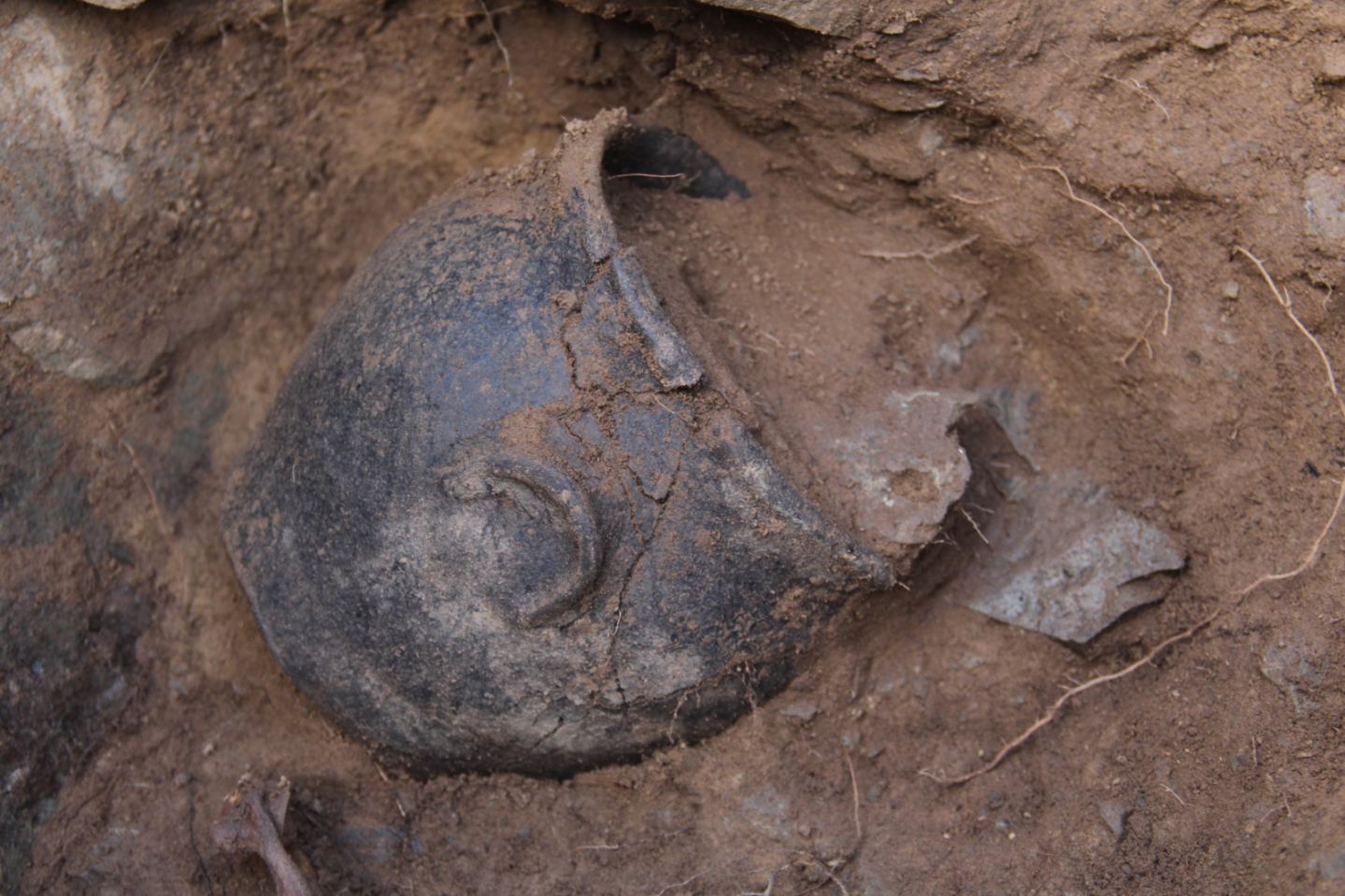
Intact Tomb of an Elite Elder: While six of the seven excavated burials had been looted in antiquity, one burial belonging to an elderly woman remained completely undisturbed. It contained a rich array of grave goods, including a saddle with iron fittings, stirrups, a bridle, an archer’s knife, ring earrings, and ritual sheep bones. Other burials yielded complete ceramic vessels with distinctive ear-shaped handles, iron arrowheads, and a quiver hook.
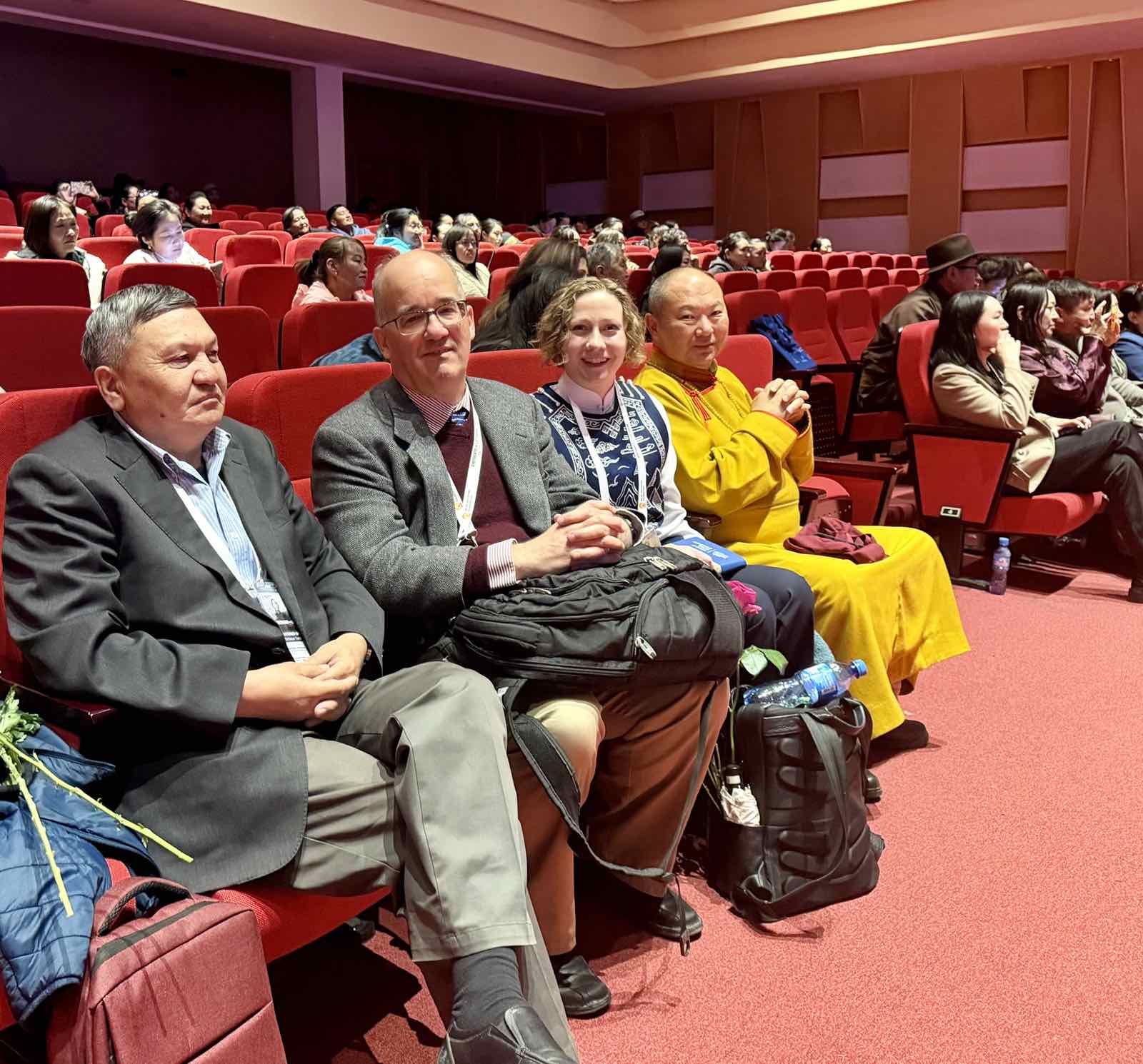
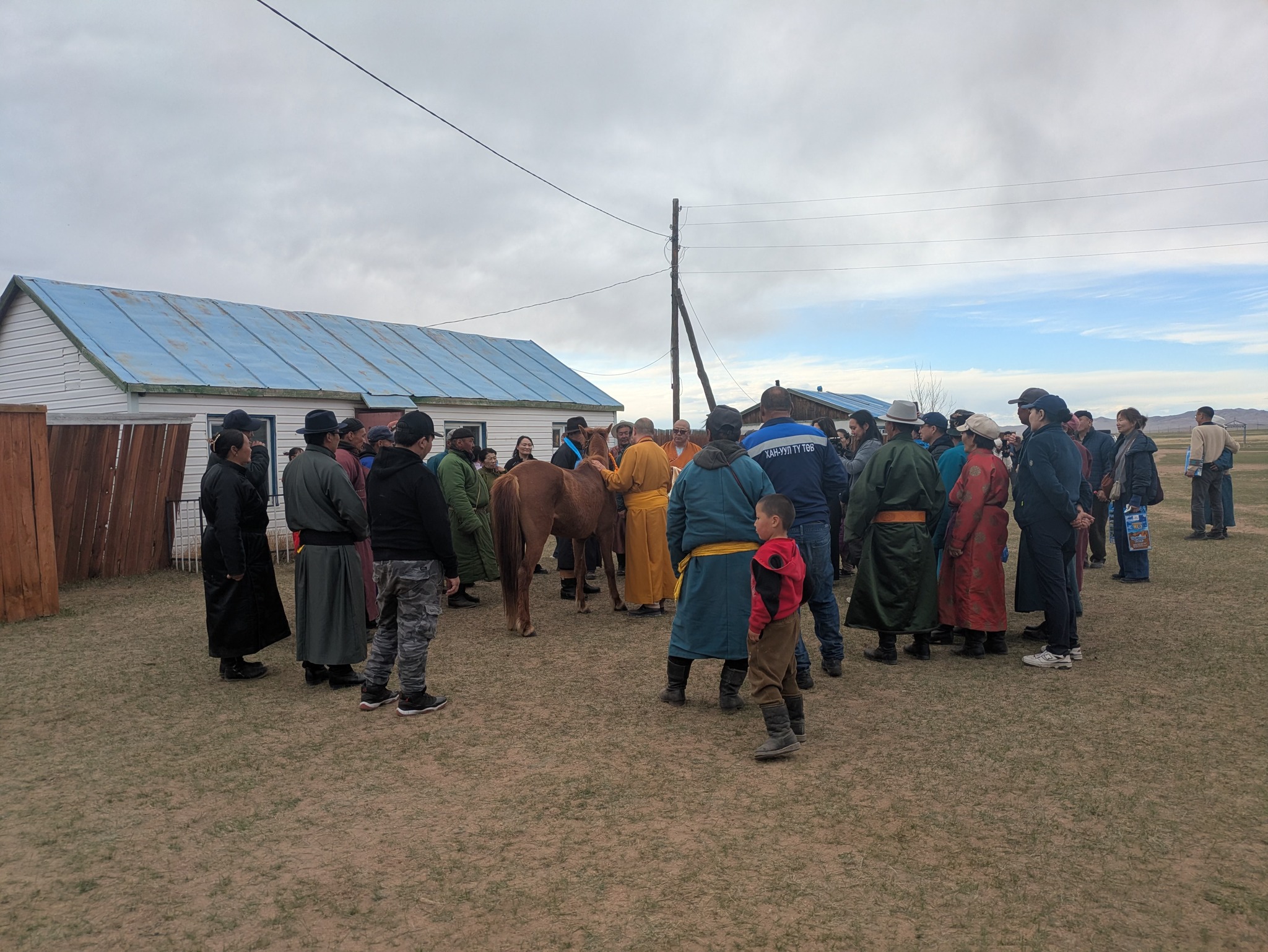
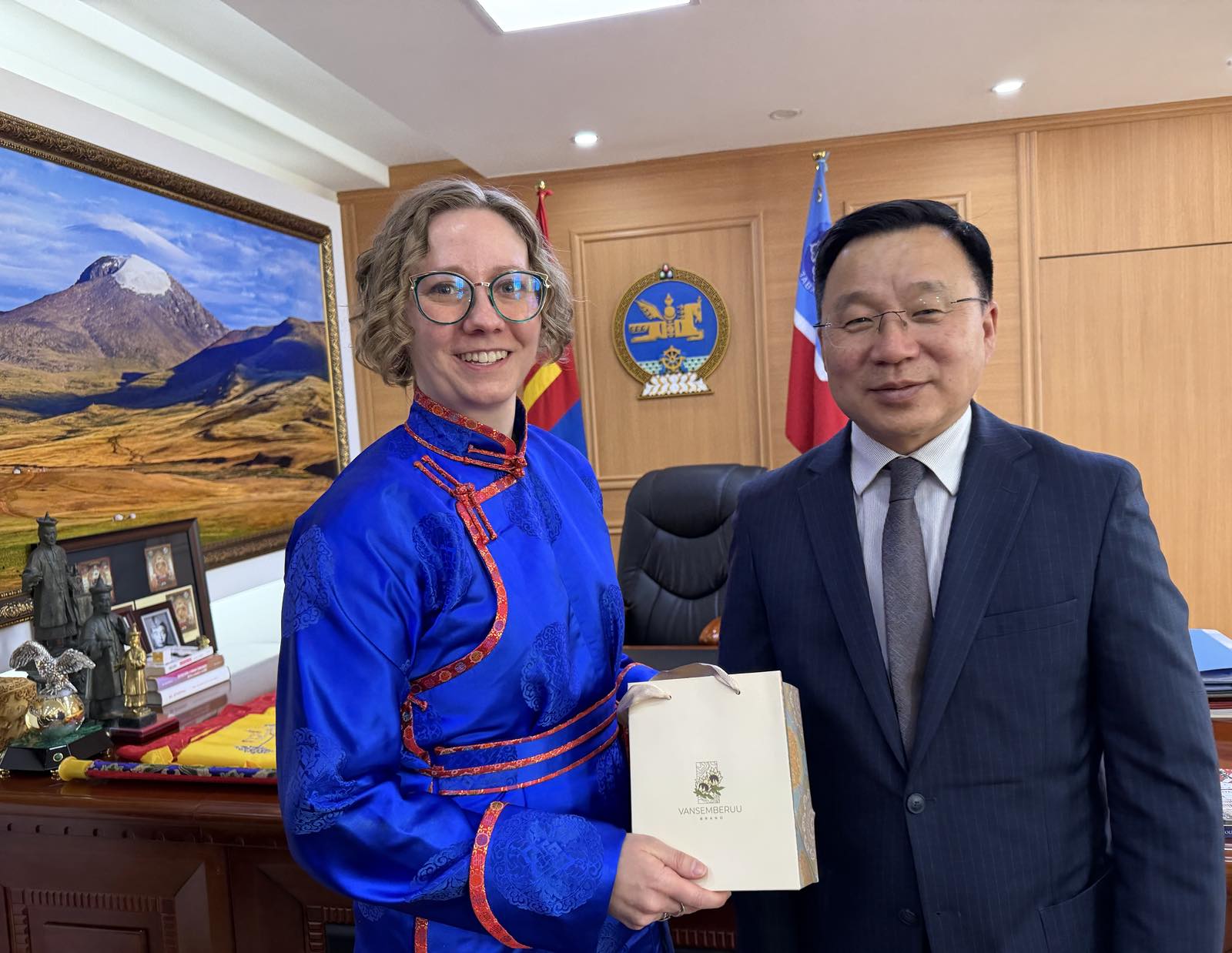
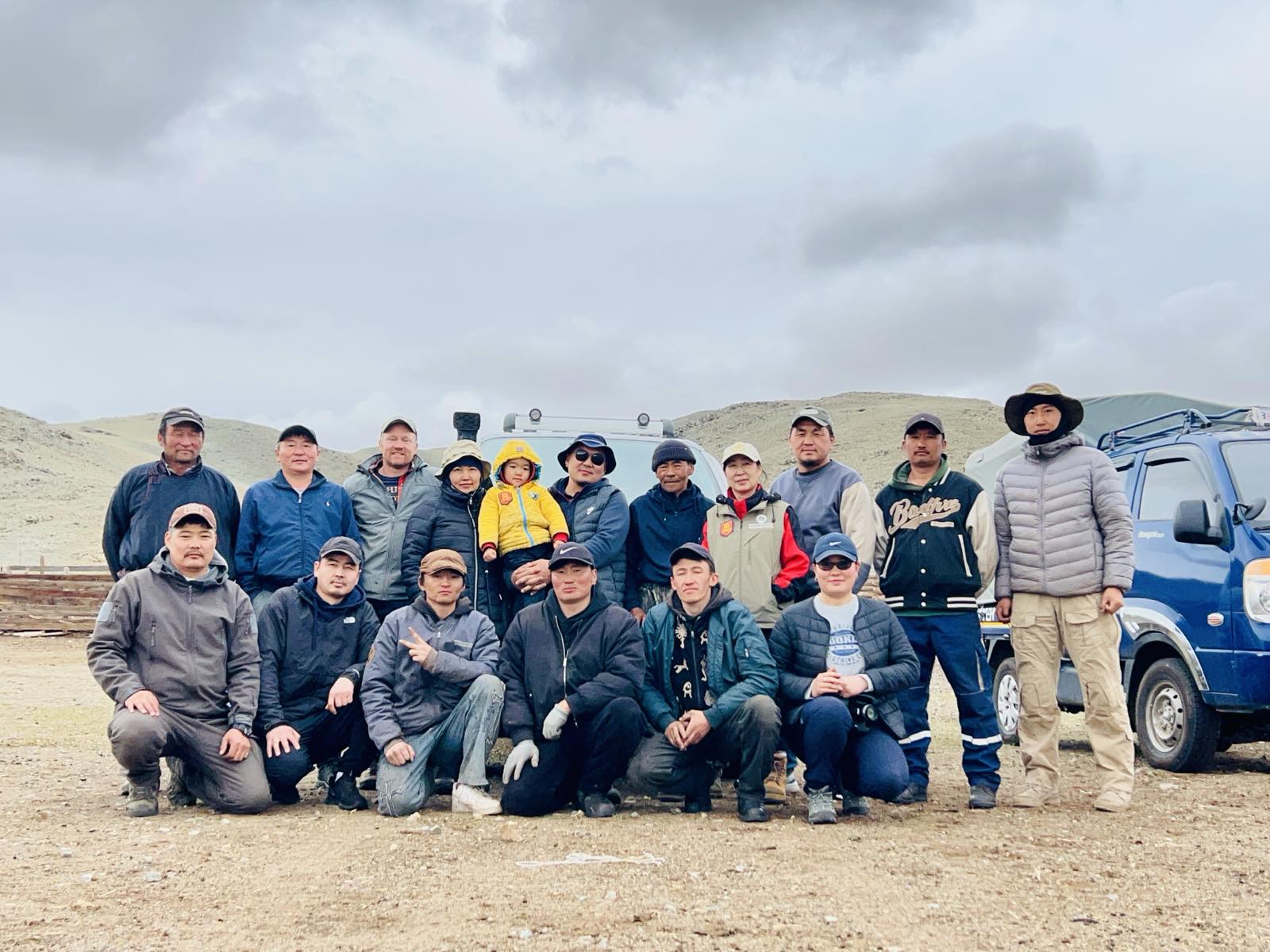
The fieldwork was led by Dr. J. Bayarsaikhan (MAS Institute of Archaeology) and Dr. Bryan Miller (University of Michigan), alongside researchers T. Tuvshinjargal, R. Bayarmaa, conservator R. Erdenetsetseg, and graduate students including Kh. Baasansuren, who first co-identified the site in Autumn 2025 with local herder and cultural heritage guardian J. Altanbaatar. During the fieldwork, the Governor of Khuvsgul Aimag, L. Tumurbaatar, and local officials visited the site and expressed their interest in providing full monitoring and logistical support for continuing these vital regional excavations. |