International Anti-Corruption Court (IACC)
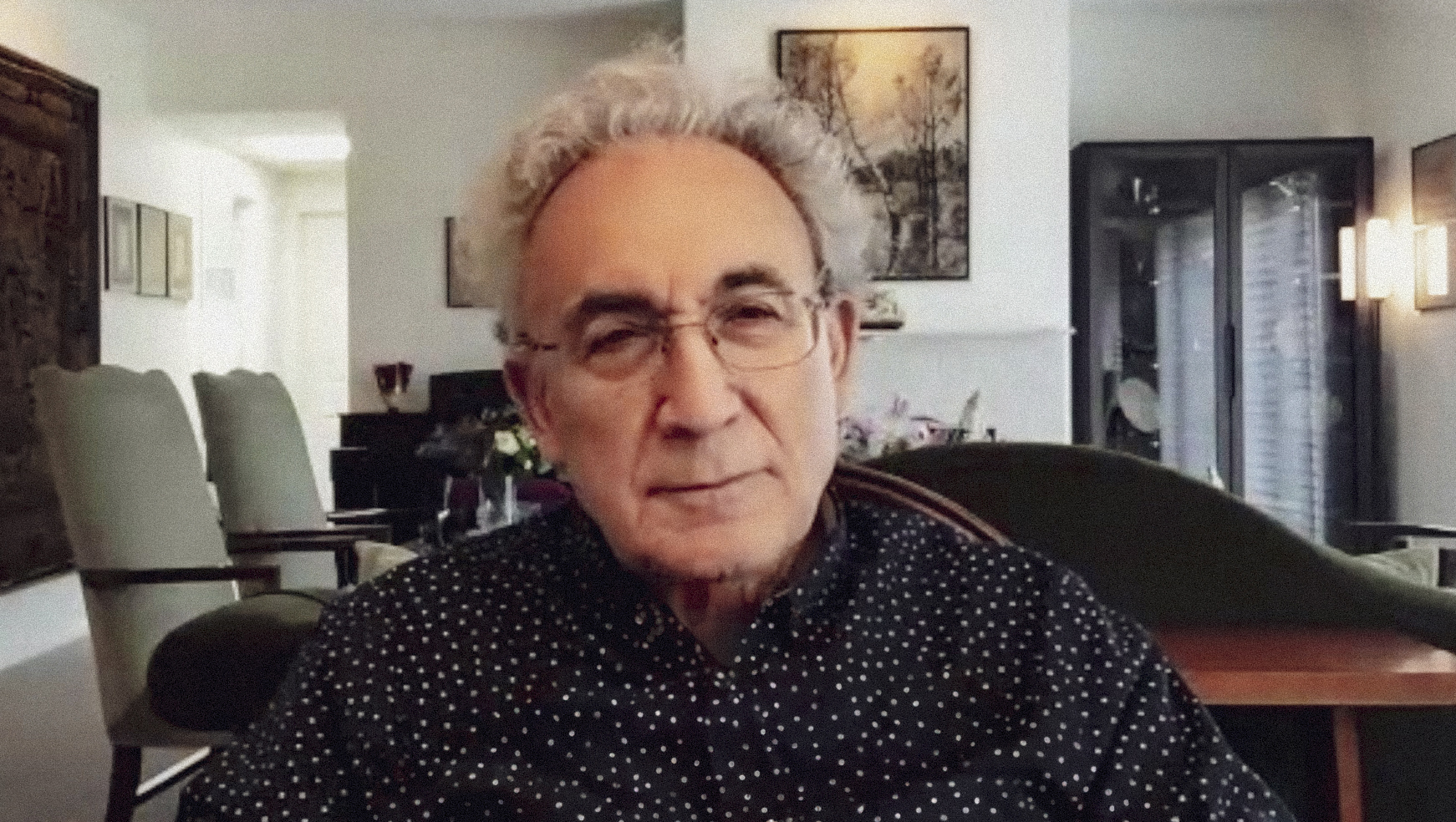
In countries where domestic systems fail, who holds the corrupt to account? We spoke with Judge Mark Wolf, a former U.S. federal judge leading an initiative to establish an International Anti-Corruption Court - similar in spirit to the International Criminal Court - to prosecute grand corruption worldwide. He outlined what such a court could mean for countries where citizens feel powerless against entrenched corruption.
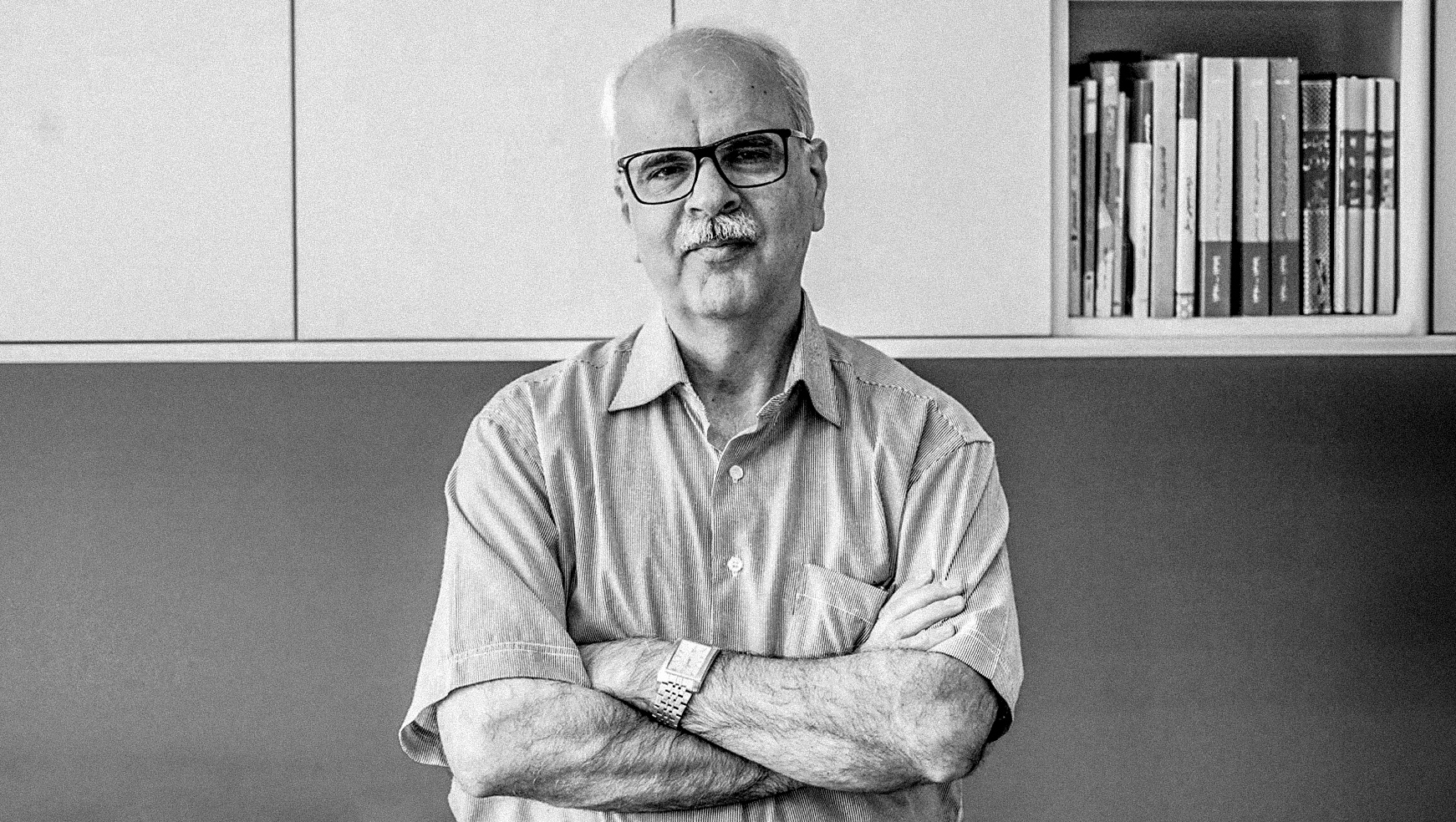
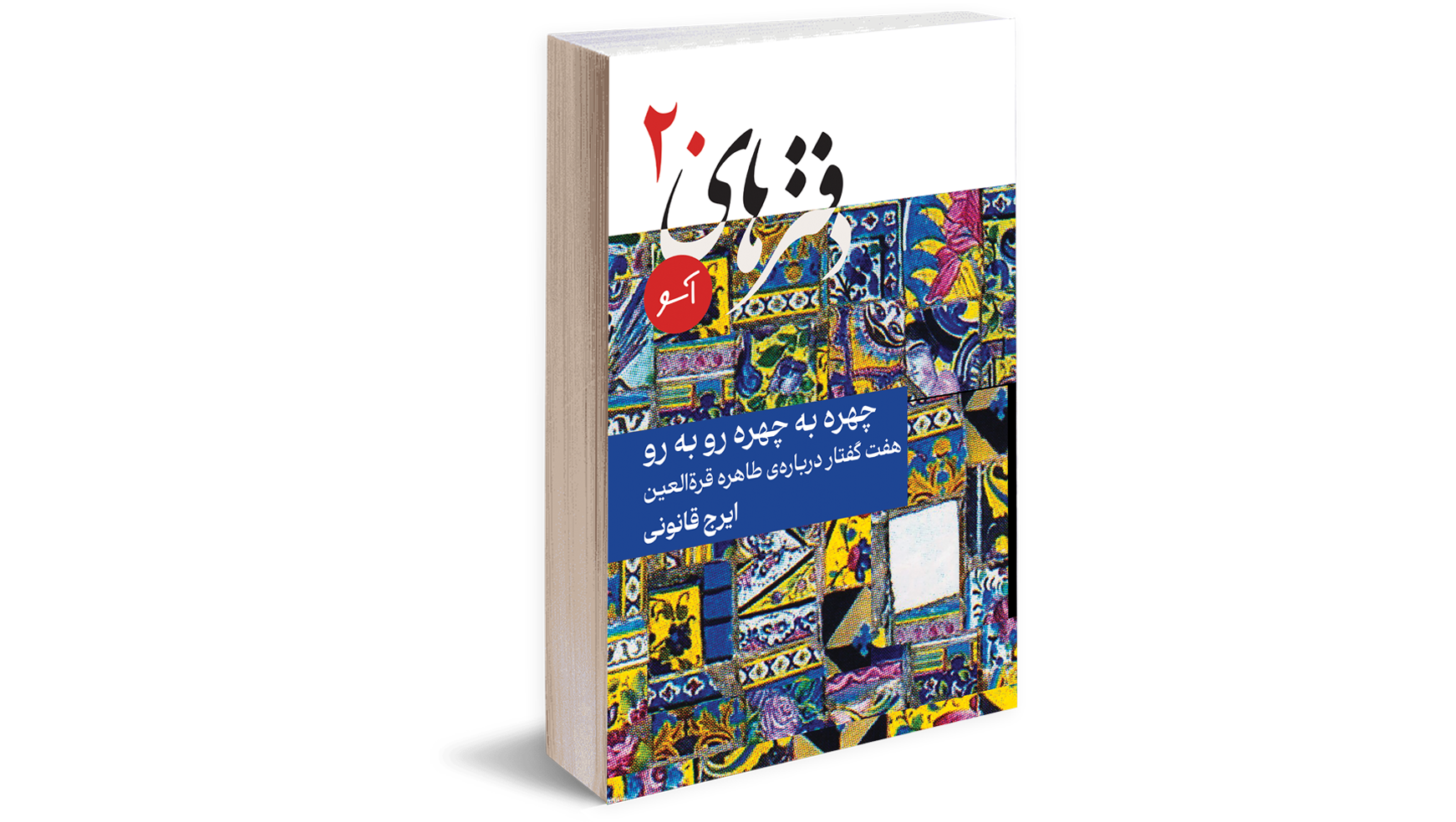
In November, the IACC partner organisations held a virtual conference to review progress on establishing the Court. We participated as observers. The initiative has attracted support from several governments, international civil society groups, faith communities, and prominent legal figures. However, major hurdles remain: once the draft treaty is complete, governments must agree to sign on and commit the resources needed to bring the Court into existence. The partner organisations are keen to have input from Iranian groups too, and we will assess how aaSoo might contribute. If the Court becomes a reality, it could offer a new route for addressing systemic abuses — including the potential recovery of substantial assets and properties illegally seized or stolen by the authorities or by arbitrary groups operating with government support. | | | | | Madani - Bayat exchanges on aasoo Leading Iranian scholar Saeed Madani responded to Asef Bayat’s letter, published in July 2025. In a new letter sent to aasoo from Damavand prison, Madani writes about the challenges facing the Iranian opposition in the wake of the war with Israel and the events in Gaza. He argues that there are no signs of real change in the Islamic Republic's power politics, but that the regime uses tactical retreats - such as on the hijab issue or the definition of Iranian identity - to preserve its power. Despite the heavy cost of Iran’s prolonged authoritarian crisis, he contends that a gradual, democratic transformation, powered by civil society is preferable to any sudden, leaderless “revolution” lacking a broad national democratic front. Elsewhere in the letter, reflecting on the events in Gaza, Madani observes that many Iranians find it difficult to maintain solidarity with Palestinians, as the Islamic Republic’s distorted “anti-imperialist” foreign policy and costly “axis of resistance” have eroded public empathy. He argues that any form of international solidarity must be grounded in democratically defined national interests, so that external commitments do not undermine Iranians’ rights and welfare. The letter has again been widely shared by Iran’s intellectual community on social media. | | | | | Seven Essays on Tahereh Qorrat al-Ayn A book of essays by Iraj Ghanooni, published by aasoo.
In his introduction, the author writes: There is no image of her—the woman at the heart of this book, the first woman in Iran to claim a public face and, in doing so, to make women visible. Much has been said about her beauty, yet no one ever painted her. In a time when women lived behind curtains and no artist dared portray feminine beauty, Tahereh stood apart — a woman who could be seen. Her fame reached so far that even the young Naser al-Din Shah and Amir Kabir sought to meet her. Still, no portrait remains. This volume of seven essays seeks to give her that image — through reflection, interpretation, and an exploration of the spirit she embodied. It is an attempt to trace the contours of her inner face, the portrait she left behind in words and deeds. | | | Seven Essays on Tahereh Qorrat al-Ayn book cover | | aasoo in The Hague In early November, we took part in two cultural events in The Hague. On November 6, in the Book Talk series organized by Iran Academia at the Central Library of The Hague. The event focused on The Present Past: Notes from the Life of a Persian/American Composer by Hormoz Farhat, published recently by aasoo. The conversation featured Maryam Foumani and Tahmineh Farhat, translator of the book, and was moderated by Mansoureh Shojaei. The event was streamed live on our social media channels. Foumani introduced aasoo’s work and discussed with Farhat the themes of music, memory, and the experience of displacement explored in the book.
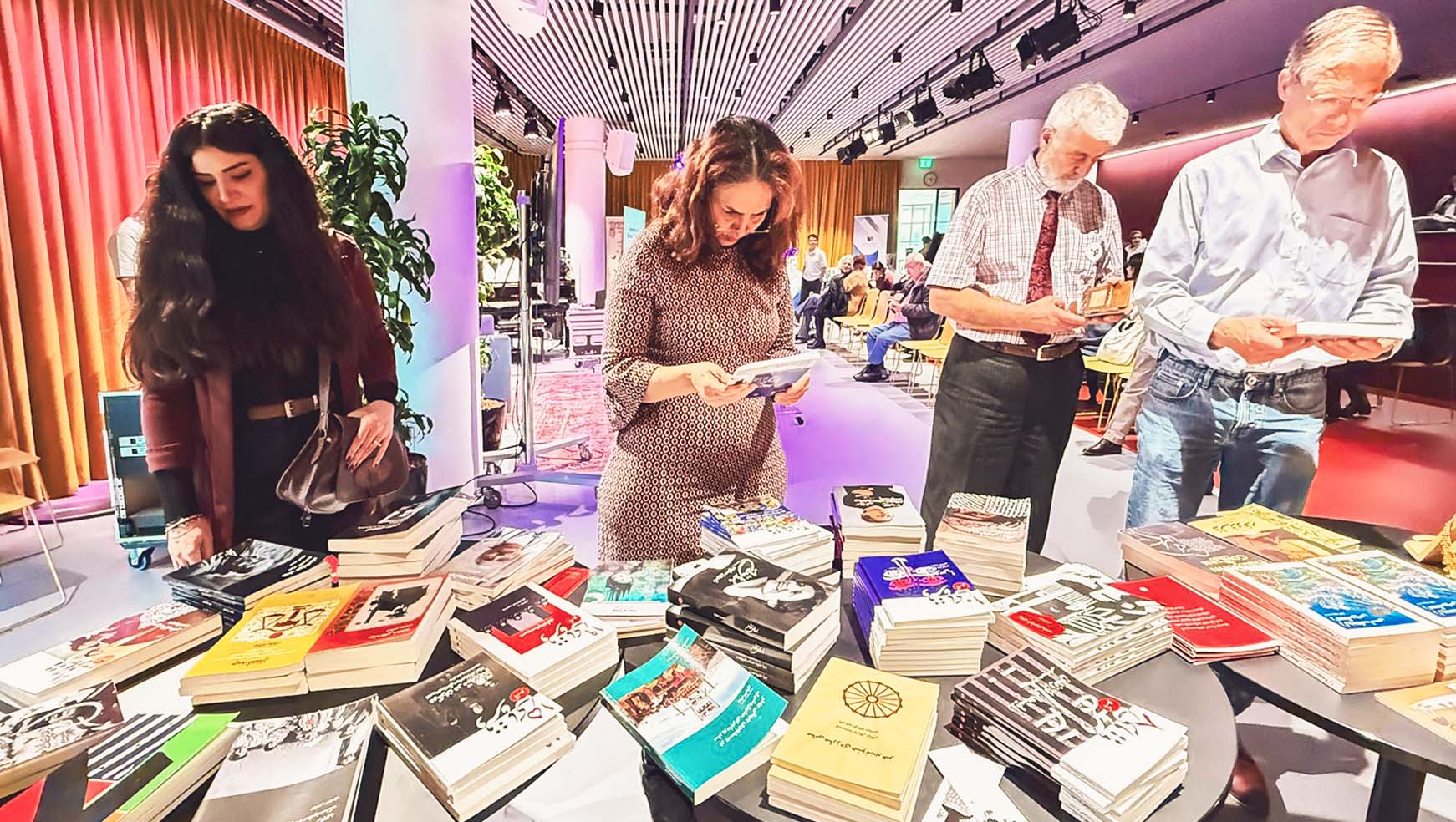
Two days later, on November 8, aasoo joined a Persian and Kurdish book fair also hosted held at The Hague Central Library as part of the events commemorating the Woman, Life, Freedom movement. The fair brought together several independent publishers and reading groups. We presented a selection of our recent titles, continuing our engagement with readers and promoting our publishing work in the diaspora. | | | Persian and Kurdish book fair also hosted held at The Hague Central Library | | | | |
|
|