Subject: What 10 Alberta Communities Accomplished with Free Expert Support

Your Monthly CRIS Update: New Cohorts & Resources

Cohort Spotlight: Alberta Low Carbon Cohort

This spring, CRIS wrapped up its first Alberta-focused cohort in partnership with the Municipal Climate Change Action Centre (MCCAC). Ten Alberta communities participated, each matched one-on-one with an industry expert to advance low-carbon infrastructure projects, from recreation centres and arenas to a medical centre and ski resort chalet.


Participants received energy audits, decarbonization plans, and feasibility studies, plus three expert-led webinars and facilitated peer learning sessions to build local capacity for the long term.


Discover the Alberta Low Carbon Cohort Projects


Building on that success, the Alberta Climate Resilience Cohort is now open. This second cohort focuses on adaptation and resilience projects addressing wildfire, extreme heat, and drought, with the same free expert support and peer learning model.


Applications close August 31, 2026. Sign up to secure your spot today.


Resilient Housing Cohort: Still Time to Register

Did you know the CRIS offers support to non-profit, municipal, First Nation or society owned housing service providers? Submissions are now open for the Resilient Housing Cohort offered in partnership with the Canadian Housing & Renewal Association (CHRA).


Through this cohort, eligible housing providers can access personalized technical support to help plan smarter, improve energy performance, and build more resilient communities. Participants receive:

  • Free expert technical support

  • Energy efficiency and climate resilience guidance

  • Funding and financing opportunities

  • Peer learning with housing providers across Canada

Open to organizations operating fewer than 1,000 units.


Deadline to submit: August 31, 2026

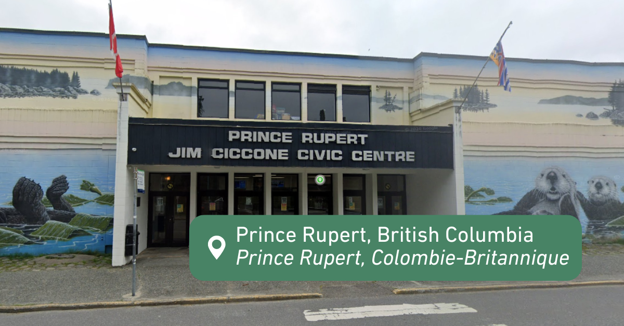
CRIS Success Story: Prince Rupert, BC

The Prince Rupert Recreation Complex has served its community since 1971. With aging mechanical systems and growing climate pressures, the city is now developing a retrofit plan to cut emissions and keep the facility running reliably for years to come.


Through CRIS, engineers assessed the complex's refrigeration system, boilers, controls, and water use and recommended a suite of upgrades including replacing the ice plant chiller, consolidating boiler loops, and switching to low-flow fixtures.


These improvements will reduce natural gas use, lower operating costs, and support the city's broader asset management and capital planning goals.


Driving low carbon solutions | Building local capacity | Fostering climate readiness


climateready@canurb.org


Powered by:
GetResponse